Ghost towns hold a special fascination. Abandoned streets, weathered storefronts and empty schoolhouses can tell a vivid story about the industries and communities that once depended on them. Many such places were built around mining, logging, rail or agriculture, and when those activities declined, residents moved on. Some sites are now protected historic parks, while others are private land or structurally unsafe ruins. This guide explains how to choose a ghost town to visit, how to confirm access and how to explore with care for both your safety and the places themselves.
Understanding the different types of ghost towns
Not all ghost towns are fully abandoned. Some are near-ghost towns with a handful of residents, a store or a historic hotel still operating. Others are preserved in a state of arrested decay, managed by heritage authorities so that visitors can walk through the remains. A third category consists of ruins that are not open to the public at all. Knowing which type you are considering helps you set expectations and plan appropriately.
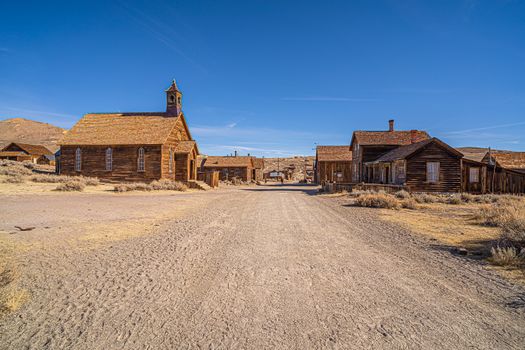
Mining towns are the most common examples, often featuring headframes, tailings, stone foundations and rows of wooden buildings. Rail and logging towns can be less dramatic but still rewarding, with platforms, sidings and remnants of company housing. Coastal settlements abandoned after storms or economic shifts may offer a different kind of atmosphere.
Checking access and ownership
Before visiting, establish who controls the site. Many ghost towns are part of national or state parks, historic reserves or municipal heritage zones, and these typically publish visitor information and rules. Others sit on private land, where entry requires permission and may be refused. Some areas are closed to protect wildlife, water sources or unstable structures. Official tourism and heritage websites are the most reliable sources for current access information, and they often list seasonal opening periods and road conditions.
Remote sites may require unpaved roads, four-wheel-drive vehicles or long walks. Check road status with local authorities before you set out, particularly after weather events, and carry supplies appropriate to the distance from help.
Staying safe among ruins
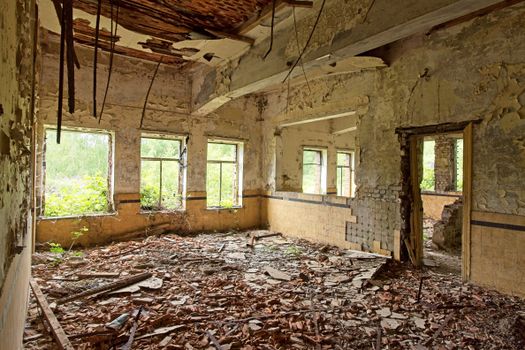
Abandoned buildings can be dangerous. Floors may be rotten, roofs can collapse and metal fixtures may be sharp or corroded. Old mines pose serious risks, including unstable shafts, poor air quality and hidden openings. Never enter a mine or a structure that is marked as closed, and do not climb on unstable walls or ledges. Wear sturdy footwear, gloves and long clothing, and keep a flashlight with you even on a daytime visit, since interiors can be dark.
Watch for animals, including snakes and insects, and be aware of terrain such as loose gravel or steep embankments. Tell someone your plans and your expected return time, and check whether mobile coverage is available. In some regions, the nearest medical facility may be far away, so plan accordingly.
Respecting history and preserving the site
Ghost towns are fragile. Stay on marked paths and avoid disturbing foundations, artifacts or graffiti that may have historic value. Taking objects such as bottles, nails or pieces of wood is often prohibited and can cause damage to archaeological context. Photograph freely where permitted, but respect any signs that restrict photography inside buildings. Keep noise to a reasonable level, particularly in areas where other visitors are exploring quietly.
Interpretive information can deepen your visit. Many sites have panels, guided tours or museum displays that explain the town's rise and decline. If you can, read about the people who lived there, including workers, families and the communities that depended on the local economy. This context transforms an empty street into a story.
Building a day around a ghost town
A ghost town works well as a half-day or full-day destination, often combined with scenic drives, hiking or visits to nearby towns. Plan your route so that you arrive with enough daylight to explore and return safely. Check opening hours for any museums, interpretive centers or guided tours, since these may be limited outside peak seasons. Bring water, snacks and a picnic, as facilities at remote sites can be minimal or absent.
Weather can change quickly in open country. Pack layers, sun protection and a waterproof jacket, and consider how temperatures may shift between morning and afternoon.
Practical tips
Confirm access rules and road conditions the day before you travel. Carry water, a basic first-aid kit, a flashlight and a charged phone with offline maps. Stay out of closed structures and mines, even if others appear to be entering them. Do not remove objects or disturb historic features. Choose a route that you can complete comfortably within daylight hours. Check whether a permit or fee is required, and pay in the manner the site specifies.
Ghost towns offer a rare chance to walk through the physical remains of the past. With careful planning, respectful behavior and attention to safety, a visit can be both memorable and educational, and it helps preserve these places for future visitors.