The Real Adventures Are Off-Grid: Uncovering Ghost Towns Influencers Don't Want You to Know About
I remember standing there, phone in hand, scrolling through yet another perfectly filtered, impossibly vibrant photo of a "secret" waterfall that, in reality, was now overrun with tourists queuing for their turn. My thumb hovered over the "unlike" button. Don't get me wrong, I love a good waterfall, but the magic, the sense of discovery, had been utterly annihilated by the sheer volume of people recreating the same exact shot.
That was my breaking point. I was tired of the curated, the commodified, the destinations that felt less like exploration and more like an open-air studio set. I craved authenticity, a whisper of the past, a place where the only "likes" that mattered were the ones I felt in my soul. And that's when I stumbled upon the thrilling, sometimes chilling, world of ghost towns.
What if I told you there's a whole world out there, waiting to be explored, that hasn't been filtered, cropped, or commodified for the 'gram'? Places where history isn't just displayed, but felt in the creaking floorboards and the dusty remnants of forgotten lives. This isn't about chasing trends; it's about chasing stories, light, and the unparalleled thrill of genuine discovery. Welcome to the world of forgotten ghost towns – the ultimate anti-influencer destinations.
---
The Allure of the Abandoned: Why Ghost Towns Trump Tourist Traps
There's a palpable energy in a ghost town, a stillness that hums with untold stories. Unlike a museum, where artifacts are behind glass, in a ghost town, you're walking through history. The peeling wallpaper, the overturned chairs, a child's forgotten toy – each detail is a silent testament to lives lived and abruptly left behind. This isn't a theme park; it's a raw, unfiltered journey into the past.
My first real ghost town experience was in a tiny, almost nameless mining settlement in rural Montana. The air was crisp, the only sound the wind whistling through broken windows. I found a rusty coffee pot on a stove, a stack of tattered newspapers from 1908, and a sense of profound quietude I hadn't felt anywhere else. It wasn't just a photo opportunity; it was a conversation with history, a moment of introspection that no bustling city square or iconic landmark could ever offer.
This is the anti-influencer advantage: you're not competing for space or the perfect angle. You're immersing yourself. You're discovering. You're creating your own narrative, not just replicating someone else's. And let me tell you, that's a feeling worth traveling for.
---
Unearthing Hidden Histories: My Top Picks for Authentic Ghost Town Adventures
Ready to ditch the crowds and step back in time? Here are some of my absolute favorite ghost towns that offer incredible experiences, unparalleled photography, and stories that will stay with you long after you leave.
1. Bodie, California, USA: A State of Arrested Decay
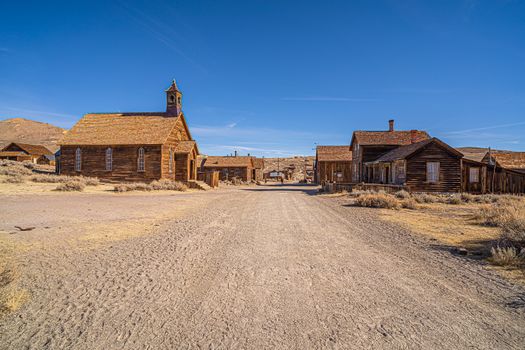
If you only visit one ghost town, make it Bodie. Nestled in the high desert of the Sierra Nevada, Bodie is a true "state of arrested decay," preserved exactly as it was found in the 1960s. This former gold mining town once boasted a population of 10,000, 65 saloons, and a notorious reputation. Today, around 5% of the original buildings remain, filled with artifacts from the 1880s.
- What to See: Wander through the general store with goods still on the shelves, peer into homes with beds still made, and explore the church, schoolhouse, and even a mortuary. The details are astonishing.
- Photo Ops: Golden hour photography here is legendary. The harsh desert light softens, casting long shadows and illuminating the weathered wood in rich hues. Focus on interior details through dusty windows, wide shots of the main street, and close-ups of rusty tools.
- Details: Bodie State Historic Park is typically open daily, but check their website for seasonal hours and road conditions (snow can close it in winter). Entrance Fee: $8 per adult (as of my last visit). It's a dirt road drive to get there, but manageable for most cars. Bring water and snacks; no services inside the park.
2. Rhyolite, Nevada, USA: Ghostly Gold in the Desert
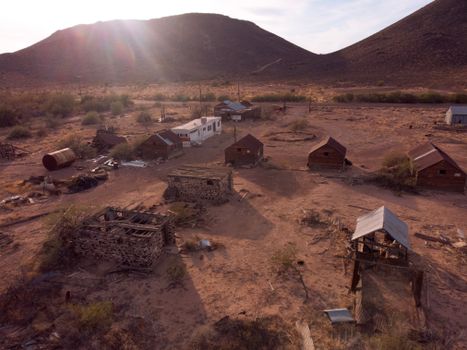
Just outside Death Valley National Park, Rhyolite is a stark contrast to Bodie's preservation, yet equally captivating. This gold rush town boomed in the early 1900s, then busted in less than a decade. What remains are skeletal structures, a unique bottle house, and an eerie train depot against the dramatic backdrop of the Bullfrog Hills.
- What to See: The iconic Bottle House, built from 50,000 discarded glass bottles, is a must-see. Explore the remains of the bank, the jail, and the train depot. The "Goldwell Open Air Museum" nearby adds a surreal art installation element to the landscape, including a ghostly cloaked figure sculpture.
- Photo Ops: The desert light here is incredible, especially at sunrise and sunset. Capture wide shots of the ruins against the vast landscape, intriguing details of the bottle house, and the stark silhouettes of the remaining structures.
- Details: Free to visit, Rhyolite is easily accessible off NV-374. There are no services, so prepare accordingly. It's a great stop if you're exploring Death Valley.
3. Grafton, Utah, USA: Pioneer Spirit Near Zion
Often overshadowed by its famous neighbor, Zion National Park, Grafton is a serene pioneer ghost town that offers a completely different kind of beauty. Settled by Mormon pioneers in 1859, it was repeatedly abandoned due to floods and conflicts. Today, a handful of beautifully preserved buildings stand against a backdrop of stunning red rock cliffs.
- What to See: The iconic schoolhouse/church, a few homes, and a pioneer cemetery. It's famous for appearing in classic Westerns like "Butch Cassidy and the Sundance Kid." The quiet, pastoral setting is incredibly peaceful.
- Photo Ops: The contrast of weathered wooden buildings against the vibrant red cliffs is spectacular. Capture the rustic charm, the quiet cemetery, and the sweeping landscape. Early morning light is magical here.
- Details: Free to visit. Accessible via a well-maintained dirt road off SR-9 near Rockville. Respect the private property signs around some of the remaining residences. Bring water and enjoy the tranquility.
4. Craco, Basilicata, Italy: The Medieval Hilltop Dream
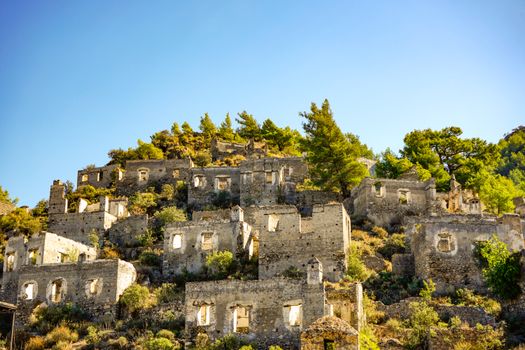
Crossing the Atlantic, Craco is a dramatic medieval village perched precariously on a rocky outcrop in southern Italy. Repeated landslides and a disastrous flood led to its abandonment in the late 20th century. It’s an incredibly photogenic and atmospheric location, almost like something out of a fairy tale, albeit a slightly terrifying one.
- What to See: The crumbling stone buildings, the Norman tower at the summit, and the narrow, winding streets that once bustled with life. The views of the surrounding badlands (calanchi) are breathtaking.
- Photo Ops: Craco is a photographer's dream – wide-angle shots to capture its dramatic setting, intimate details of decaying frescoes, and the texture of ancient stone. Drone shots, if permitted and safe, would be incredible.
- Details: Due to safety concerns, Craco can only be visited with a guided tour. You must book in advance through the local municipality or a specialized tour operator. This typically costs around €10-€15 per person. It's about an hour's drive from Matera. Do not attempt to enter without a guide; it's genuinely dangerous.
5. Kolmanskop, Namibia: Sand-Swallowed Diamonds
For an utterly unique and truly otherworldly experience, Kolmanskop in the Namib Desert is unparalleled. Once a thriving German diamond mining town, it was abandoned in 1956 when diamonds ran out. The desert has been slowly reclaiming it ever since, with sand dunes filling the houses, creating surreal interiors.
- What to See: Houses filled with sand up to the windows, the old hospital, bowling alley, and power station. It’s a photographer's paradise of texture, light, and decay.
- Photo Ops: The interplay of light and shadow on the sand-filled rooms is incredible. Focus on the geometry of the architecture contrasting with the organic curves of the dunes. Early morning offers soft light and fewer crowds.
- Details: You need a permit to enter Kolmanskop, which can be purchased at the entrance gate in the morning. Guided tours are included with the permit fee (around N$100-N$150, approximately $7-$10 USD). The town is located a few kilometers inland from Lüderitz. Wear sturdy shoes as you'll be walking through sand.
6. Kennecott, Alaska, USA: Copper in the Wilderness
Nestled deep within Wrangell-St. Elias National Park & Preserve, Kennecott is a remote, majestic copper mining town abandoned in 1938. Its massive red and white mill building, set against towering peaks and glaciers, makes it one of the most visually stunning ghost towns on Earth.
- What to See: The imposing 14-story mill building, the power plant, bunkhouses, and a general store. Guided tours offer incredible insight into the mining operations and the lives of the workers.
- Photo Ops: The sheer scale of the buildings against the Alaskan wilderness is breathtaking. Capture the contrast of man-made structures with raw nature, the intricate machinery, and the sweeping mountain vistas.
- Details: Kennecott is remote. You can drive to McCarthy (a very long, gravel road often requiring high-clearance vehicles), then walk or take a shuttle across a footbridge to Kennecott. Alternatively, small planes fly into McCarthy from Chitina or Glennallen. Park entrance fees apply. Guided tours of the mill building are highly recommended and cost extra (around $28 per person). It's a seasonal destination, typically accessible late May to early September.
---
Beyond the Filters: Capturing the Soul of a Ghost Town (Photography Tips)
Ghost towns offer incredible opportunities for unique photography that goes beyond the typical selfie. Here's how to capture their authentic essence:
- Embrace Natural Light: Golden hour (sunrise/sunset) is your best friend. It casts long shadows, highlights textures, and adds warmth to decaying structures. Overcast days can also provide soft, even light perfect for capturing intricate details.
- Focus on Details: Don't just shoot wide. Look for the small things: a rusty hinge, a tattered curtain, an old shoe. These details tell stories and add depth to your narrative.
- Frame Your Shots: Use windows and doorways as natural frames to draw the viewer's eye into the scene.
- Tell a Story: Think about the lives lived here. What emotions do you want to evoke? Loneliness? Resilience? Hope? Let your composition reflect that.
- Gear Up (Responsibly): A wide-angle lens is great for capturing the scale of the landscape and buildings. A prime lens can help with low-light interiors or isolating details. A tripod is invaluable for sharp shots in dim light or for creating long exposures. If using a drone, always check local regulations and park rules – many places prohibit them.
- Respect and Leave No Trace: Never move or disturb artifacts. Don't climb on unstable structures. The goal is to preserve these sites for future explorers, not to stage a photo.
My most memorable ghost town photo wasn't of a grand vista, but a close-up of a child's porcelain doll, half-buried in sand in Kolmanskop. The way the light caught its cracked face, hinting at a life long past, was profoundly moving and utterly unique. That's the power of ghost town photography.
---
Navigating the Eerie: Practical Advice for Your Ghost Town Expedition
These aren't your average tourist destinations. A little planning goes a long way to ensure a safe, respectful, and unforgettable experience.
- Safety First:
- Check Conditions: Roads to ghost towns are often unpaved and can be rough. A 4x4 or high-clearance vehicle might be necessary. Check weather and road conditions before you go.
- Tell Someone: Always let someone know where you're going and when you expect to return, especially for remote locations. Cell service is often non-existent.
- Sturdy Footwear: Expect uneven terrain, broken glass, rusty nails, and dust. Closed-toe, sturdy shoes are essential.
- Water & Supplies: Always carry more water than you think you'll need, snacks, a first-aid kit, and a flashlight (even during the day, interiors can be dark).
- Structural Integrity: Never enter buildings that look unstable. Many ghost town structures are incredibly fragile. Admire from a safe distance.
- Legality & Ethics:
- Respect Property: Some ghost towns are on private land. Always check access rules. Never trespass.
- Leave No Trace: This is paramount. Do not take souvenirs (even a single nail), do not disturb artifacts, do not leave trash. The goal is to leave the site exactly as you found it. "Take nothing but pictures, leave nothing but footprints."
- Permits & Fees: As highlighted with Craco and Kolmanskop, some ghost towns require permits or guided tours for entry. Research in advance.
- Best Time to Visit:
- Off-Season: Avoid peak tourist times for a more solitary experience.
- Early Morning/Late Afternoon: Not only is the light better for photography, but crowds (if any) are usually smaller.
- Weather: Consider the local climate. Desert ghost towns can be brutally hot in summer; mountain ones can be snowed in during winter.
- Getting There & Staying Connected:
- Offline Maps: Download maps to your phone or bring a physical map. GPS can be unreliable in remote areas.
- Fuel Up: Gas stations can be few and far between. Fill your tank before heading into remote regions.
- No Services: Assume there will be no restrooms, food, or water available at the site itself. Plan accordingly.
- Budgeting: Most ghost towns are free or have minimal entrance fees. Your primary costs will be transportation (gas!), and potentially specialized tours or accommodation if you're staying nearby.
---
Ditching the Crowds, Finding Your Narrative: The Anti-Influencer Advantage
In a world saturated with carefully curated feeds and travel itineraries designed for maximum 'likes,' ghost towns offer a refreshing antidote. They challenge you to look beyond the surface, to appreciate the beauty in decay, and to find value in stories that are often untold.
When you visit a ghost town, you're not just a passive observer; you're an active participant in an archaeological narrative. You become a temporary guardian of its memory, a witness to its quiet dignity. This kind of travel fosters a deeper connection – not just to the place, but to history, to the human experience, and to your own sense of adventure.
So, next time you're planning a trip, consider stepping off the beaten path. Ditch the crowded hotspots and seek out the forgotten corners. Find a ghost town. Let the wind tell you stories. Capture the beauty that time has left behind. And then, share your authentic experience, not just a filtered highlight reel. Inspire others to seek out the genuine, the raw, and the truly unforgettable.
---
Which forgotten corner of the world will you uncover first? Share your ghost town adventures with #TripsoraForgottenGems and show us the real beauty influencers don't want us to know!
---