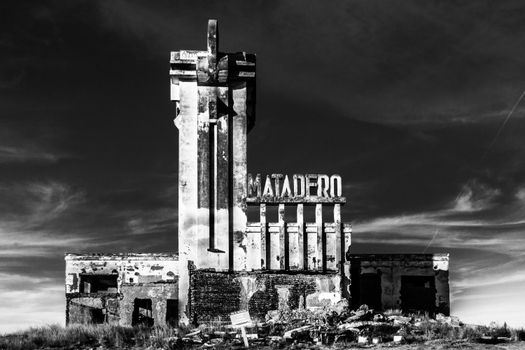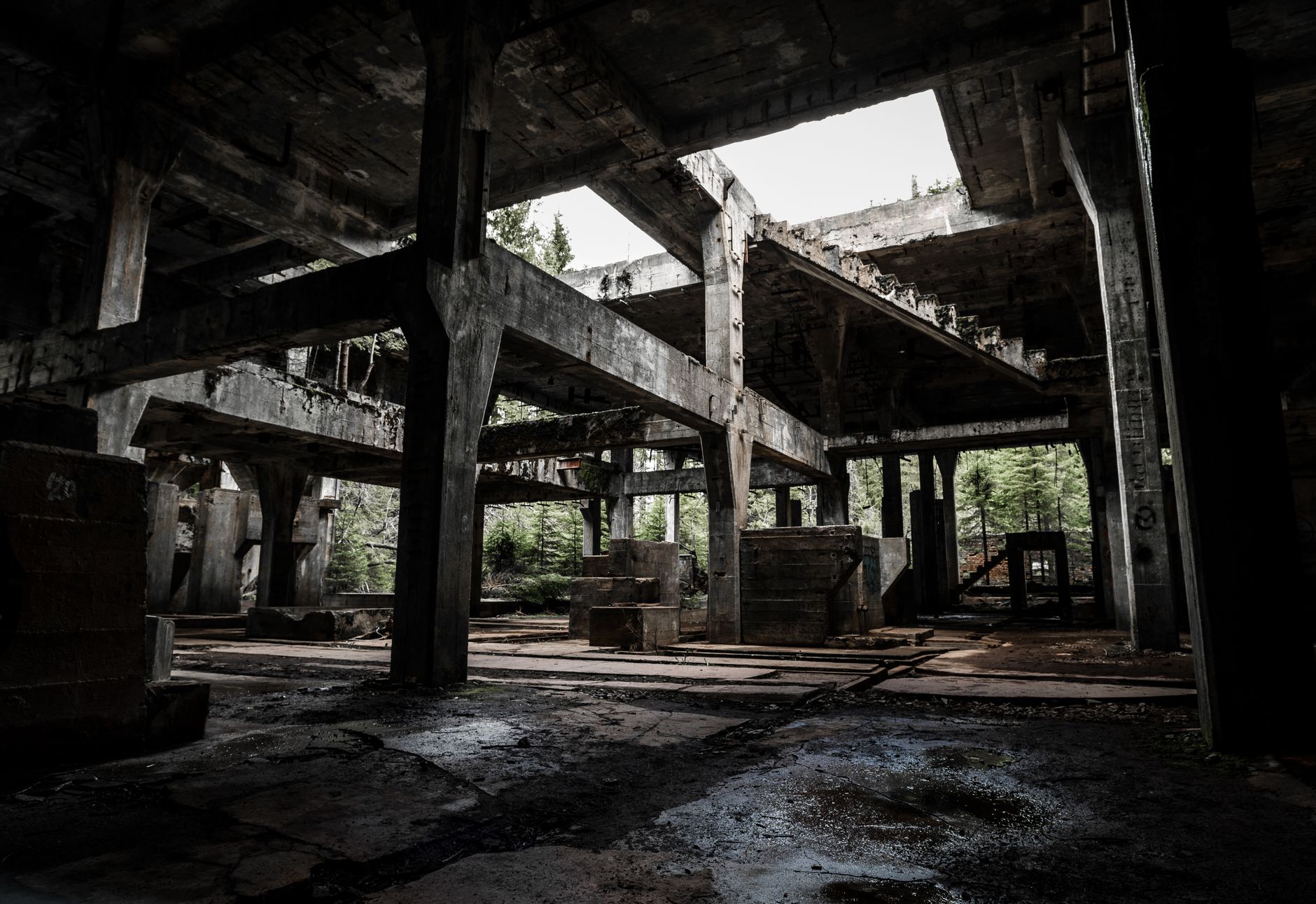
Abandoned Wonders: Uncovering the World's Hidden Ghost Towns Locals Don't Want You to Know
The wind whispered through the skeletal remains of what was once a bustling mining office, stirring up dust motes that danced in the slivers of light piercing the broken windows. I stood there, utterly alone in the vast silence of Kolmanskop, Namibia, surrounded by houses half-swallowed by the desert, their vibrant histories slowly fading under dunes. It was a moment of profound introspection, a raw connection to a past both grand and tragic. This wasn't just a picturesque ruin; it was a testament to human ambition, sudden abandonment, and nature's relentless reclaiming power. And as I captured its haunting beauty through my lens, I couldn't help but feel like I was privy to a secret, a story that perhaps the desert itself preferred to keep untold.
This fascination with abandoned places isn't just a quirky hobby for me; it's a pilgrimage. From crumbling castles to forgotten industrial complexes, there’s an irresistible pull to these spectral landscapes. They are time capsules, offering a tangible link to forgotten eras, echoing with the lives and dreams of those who once inhabited them. But here's the kicker: many of these places, now drawing curious travelers like moths to a flame, hold a deeper, often somber, significance for the communities around them. It's not that locals literally don't want you to know about them; it's that they want you to approach these sites with respect, understanding, and an appreciation that goes far beyond a quick selfie. They're not just Instagram backdrops; they're memorials, warnings, and sacred spaces.
Join me, your Tripsora guide, as we embark on a journey to explore some of the most captivating abandoned sites on Earth – places that have been reclaimed by history, nature, and sometimes, even art. We'll delve into their stories, discuss how to visit responsibly, and discover why these "hidden" gems offer an unparalleled travel experience.
The Allure of the Forgotten: Why We Seek Out Abandoned Worlds
What is it about a decaying building, a deserted village, or a rusting amusement park that captivates our imagination? For me, it's the profound sense of narrative. Every peeling paint chip, every broken windowpane, every overgrown path tells a story. These places force us to confront impermanence, to ponder the cyclical nature of human endeavor and the relentless march of time. They are silent witnesses to history, offering a tangible connection to events and lives that might otherwise feel distant or abstract.
There's a thrill, too, in exploring the forbidden or the forgotten – a sense of discovery that modern, curated tourist attractions often lack. This isn't just "urbex" (urban exploration) for the sake of it, though. It's about seeking out places that have found a second life as accessible, albeit often somber, attractions. It's about understanding the profound respect these sites demand, moving beyond mere curiosity to genuine engagement with their past.
1. Chernobyl Exclusion Zone, Ukraine: A City Frozen in Time
My Personal Encounter:
Stepping into Pripyat, the abandoned city within the Chernobyl Exclusion Zone, was like walking onto a movie set where the actors had vanished mid-scene. The iconic Ferris wheel stood motionless, a silent sentinel against the grey sky. Children's toys lay scattered in a kindergarten, textbooks open on school desks, and medical charts still hung in the hospital. The air was thick with an unsettling quiet, broken only by the crunch of my boots on fallen leaves. It wasn't just eerie; it was profoundly sad, a stark reminder of lives irrevocably altered in a single catastrophic moment.
The Story:
On April 26, 1986, Reactor No. 4 at the Chernobyl Nuclear Power Plant exploded, leading to the worst nuclear disaster in history. Pripyat, a model Soviet city built for the plant's workers, was evacuated in a matter of hours, its 50,000 residents never to return. Today, a 30-kilometer exclusion zone surrounds the plant, a landscape slowly being reclaimed by nature, but preserving a chilling snapshot of Soviet life.
Details for Your Visit:
* Access: Strictly via guided tours from Kyiv. You cannot enter independently.
* Tour Operators: Numerous reputable companies like SoloEast Travel, ChernobylX, and Chernobyl Tour offer one-day or multi-day excursions.
* Cost: Prices typically start from $100-$150 for a one-day group tour, excluding accommodation if doing multi-day.
* What to Expect: A highly controlled environment. You'll visit Pripyat (Ferris wheel, hospital, school), the Duga radar array, and the power plant itself (from a safe distance). Dosimeters are often provided.
* The "Locals' Perspective": For many Ukrainians, Chernobyl is not a tourist attraction but a national tragedy and a stark warning. The guides, often locals themselves, convey this reverence. It’s crucial to visit with respect, adhere to all safety instructions, and remember the human cost. This isn't a place for casual selfies, but for solemn reflection.
2. Hashima Island (Gunkanjima), Japan: The Battleship Island's Echoes
My Personal Encounter:
As our ferry approached Hashima Island, its jagged, concrete silhouette rising from the East China Sea truly did resemble a battleship – hence its nickname, "Gunkanjima." Stepping onto the designated viewing platforms, the sheer scale of the abandoned apartment blocks, schools, and hospitals was breathtaking. The salty wind whipped around me, carrying the ghosts of its past – the relentless clang of machinery, the shouts of miners, the laughter of children. It felt like standing on the edge of a forgotten world, a testament to both industrial might and human struggle.
The Story:
Hashima Island was a thriving undersea coal mining facility from the late 19th to mid-20th centuries, housing over 5,000 residents at its peak in 1959, making it one of the most densely populated places on Earth. When petroleum replaced coal in the 1970s, the mine closed, and the island was completely abandoned in 1974. Its distinctive architecture and rapid decay earned it a UNESCO World Heritage site designation in 2015, recognizing its role in Japan's industrial revolution. However, it also carries a dark history of forced labor during WWII.
Details for Your Visit:
* Access: Only accessible via officially sanctioned guided boat tours departing from Nagasaki. Independent landing is strictly forbidden due to safety concerns and preservation efforts.
* Tour Operators: Several companies operate tours, such as Gunkanjima Concierge and Gunkanjima Cruise. Book well in advance, especially during peak season.
* Cost: Tours typically cost around ¥4,000-¥5,000 (approx. $30-$40 USD).
* What to Expect: A boat ride around the island and a limited walk on designated, safe pathways. You'll hear the island's full history from a guide.
* The "Locals' Perspective": While celebrated for its industrial heritage, Hashima is also a sensitive site due to the forced labor of Koreans and Chinese during WWII. Many locals and descendants want visitors to acknowledge this complex history, not just its photogenic ruins. Approach with sensitivity and an open mind to its multifaceted past.
3. Kolmanskop, Namibia: Where Diamonds Met the Desert
My Personal Encounter:
I'd seen photos, but nothing prepared me for the surreal beauty of Kolmanskop. Each house was a work of art, with sand dunes pouring through doorways and windows, transforming living rooms into miniature deserts. The pastel walls, once vibrant, now faded and chipped, contrasted starkly with the golden sand. I spent hours wandering, meticulously framing shots of toilets filled with sand, staircases leading to nowhere, and bathtubs slowly being buried. It was a photographer's dream, a poignant illustration of nature's ultimate victory.
The Story:
In 1908, a railway worker discovered a diamond in the Namib Desert, sparking a frantic diamond rush. Kolmanskop quickly became a wealthy German mining town, boasting a hospital, ballroom, power station, school, and even a bowling alley. However, after World War I, diamond prices dropped, and richer deposits were found further south. By 1956, Kolmanskop was completely abandoned, left to be slowly devoured by the encroaching desert sands.
Details for Your Visit:
* Access: Located a few kilometers inland from Lüderitz. It's a restricted area, requiring a permit that can be purchased at the entrance gate.
* Entry Fee: Approximately N$300 (approx. $16 USD) for a standard permit, allowing access and a guided tour. Photography permits for extended access (especially early morning/late afternoon) are available for an extra fee.
* Best Time to Visit: Early morning or late afternoon for the best light and fewer crowds.
* What to Expect: A guided tour explaining the history, followed by free time to explore the sand-filled buildings. Wear sturdy shoes and bring plenty of water.
* The "Locals' Perspective": Kolmanskop is a major draw for tourism in the otherwise remote region of Lüderitz. While generally welcoming, there's a local pride in its history as a boom-and-bust town, a powerful reminder of Namibia's colonial past and its rich natural resources. Respect the fragile environment and the historical artifacts within the buildings.
4. Craco, Basilicata, Italy: A Medieval Ghost Town in the Clouds
My Personal Encounter:
Driving through the rugged, sun-baked landscape of Basilicata, Craco suddenly appeared, a magnificent and melancholic silhouette perched precariously atop a conical hill. It looked like something out of a medieval fantasy, a cluster of stone buildings clinging to the earth as if defying gravity. The silence here wasn't just physical; it felt historical, a weighty hush that spoke of centuries of life, struggle, and eventual departure. Exploring its crumbling alleys with a local guide, I could almost hear the echoes of past villagers.
The Story:
Craco's origins date back to the 8th century, a strategic hilltop settlement in southern Italy. For centuries, it thrived, with a castle, church, and university. However, a series of natural disasters – severe earthquakes, landslides, and floods – combined with poor agricultural conditions, led to mass emigration, particularly to North America, starting in the late 19th century. By the 1960s, a devastating landslide forced the last remaining residents to abandon the town, leaving it a spectacular, uninhabited ruin. It has since become a popular filming location for movies like The Passion of the Christ and Quantum of Solace.
Details for Your Visit:
* Access: You cannot wander freely due to the unstable nature of the ruins. Guided tours are mandatory and can be arranged through the local municipality or tourist information centers.
* Cost: Tour fees vary but are generally affordable, often around €10-€15 per person.
* What to Expect: A fascinating walk through the ancient streets, often donning a hard hat for safety. The views of the surrounding "calanchi" (badlands) are incredible.
* The "Locals' Perspective": For the descendants of Craco, many of whom now live in nearby Peschiera, the town is not just a ruin but a powerful symbol of their heritage, resilience, and the hardships their ancestors faced. They cherish its memory and actively work to preserve it as a cultural site, not just a picturesque backdrop. Support their efforts by taking a guided tour and learning its full story.
5. Oradour-sur-Glane, France: A Silent Memorial
My Personal Encounter:
The air in Oradour-sur-Glane hung heavy with a palpable sorrow. This wasn't an abandoned place reclaimed by nature, but a village meticulously preserved as it was left after a horrific act of violence. The melted sewing machines in the tailor's shop, the rusted car outside the doctor's office, the skeletal remains of the church where women and children were burned alive – each detail was a punch to the gut. I walked through in stunned silence, the profound weight of history pressing down. It’s not a "tourist attraction" in the conventional sense, but a vital place of remembrance.
The Story:
On June 10, 1944, during World War II, the entire population of Oradour-sur-Glane – 642 men, women, and children – were massacred by a German Waffen-SS company. The village was then systematically looted and burned. After the war, General Charles de Gaulle ordered that the village be preserved in its ruined state as a permanent memorial and museum, a chilling reminder of Nazi atrocities. A new village was built nearby.
Details for Your Visit:
* Access: Free entry to the preserved village and the adjacent Centre de la Mémoire (memorial museum).
* Location: Near Limoges, in the Nouvelle-Aquitaine region of France.
* What to Expect: A deeply somber and moving experience. Walk through the preserved ruins, visit the church, and spend time in the excellent museum which provides historical context. Allow at least 2-3 hours.
* The "Locals' Perspective": Oradour-sur-Glane is a sacred memorial, not a tourist spot. Locals, many of whom are descendants of the victims or survivors, want visitors to approach with the utmost respect and solemnity. It's a place for quiet reflection, for learning from history, and for ensuring such atrocities are never forgotten. Keep conversations hushed, photos respectful, and truly absorb the message of peace and remembrance.
6. Bodie State Historic Park, California, USA: A Wild West Time Capsule
My Personal Encounter:
Driving up the dusty, unpaved road to Bodie, I felt like I was stepping back into a classic Western movie. The air was crisp, the Sierra Nevada mountains loomed in the distance, and then, suddenly, there it was: a sprawling, authentic ghost town, preserved in a state of "arrested decay." The saloons, the general store, the schoolhouse – they all stood, filled with original artifacts, as if the residents had just stepped out for a moment. I could almost hear the clinking of glasses, the murmur of card games, and the distant neigh of horses. It was pure, unadulterated Wild West history.
The Story:
Bodie was a gold-mining boomtown in the late 19th century, known for its wild and lawless reputation. At its peak in 1879, it had a population of around 10,000, 65 saloons, and a notorious red-light district. But like many boomtowns, its fortunes faded as the gold ran out. By the 1940s, it was practically deserted. In 1962, California designated Bodie a State Historic Park, preserving it in a state of "arrested decay," meaning buildings are maintained but not restored, allowing visitors to experience it as a genuine ghost town.
Details for Your Visit:
* Access: Open daily, weather permitting (snow closes the access road in winter). There's an entry fee per vehicle or per person.
* Cost: Approximately $8 per adult (subject to change).
* Location: In the Eastern Sierra Nevada mountains, off US-395, about 13 miles east of US-395 on Bodie Road (Hwy 270). The last 3 miles are unpaved but generally passable for most vehicles.
* What to Expect: Wander freely through the town, peering into buildings filled with authentic relics. Guided tours and stamp mill tours are often available during peak season. Bring water, snacks, and be prepared for high altitude and changing weather.
* The "Locals' Perspective": Bodie is a beloved piece of Californian history, maintained by dedicated park rangers and volunteers. Locals cherish its authenticity and the educational value it offers. They want visitors to respect the "take nothing but pictures, leave nothing but footprints" rule, ensuring this unique time capsule remains preserved for future generations.
Practical Tips for Exploring Abandoned Wonders Responsibly
Visiting these sites is an incredible privilege, and it comes with a responsibility to both the history and the environment.
- Research Thoroughly: Understand the history, local regulations, safety warnings, and cultural significance before you go.
- Go with a Guide: For restricted or dangerous areas (like Chernobyl or Hashima), a certified guide is non-negotiable. They ensure your safety, provide invaluable context, and often have special access.
- Leave No Trace: This is paramount. Take nothing but photos, leave nothing but footprints. Do not disturb artifacts, graffiti walls, or remove anything. These places are preserved, not abandoned for you to scavenge.
- Respect Local Sentiments: Remember the "locals don't want you to know" angle isn't about secrecy, but about reverence. Understand that these sites often represent trauma, loss, or sacred heritage. Act respectfully, keep noise levels down, and dress appropriately, especially at memorial sites.
- Safety First: Many abandoned structures are unstable. Stick to designated paths, wear sturdy shoes, and be aware of your surroundings (loose floorboards, falling debris, wildlife). Never enter areas marked as dangerous or off-limits.
- Photography Ethics: While these places are incredibly photogenic, be mindful. Avoid overly staged or disrespectful photos, especially at solemn sites. Focus on capturing the atmosphere and history, not just getting an "edgy" shot. Ask permission if photographing people (though unlikely in truly abandoned spots).
- Support Local Efforts: Many of these sites rely on tourism revenue, guided tours, or volunteer efforts for their preservation. Your entry fees and tour bookings directly contribute to keeping them accessible and protected.
The Unspoken Stories Await
The world's abandoned places are more than just crumbling structures; they are powerful narratives etched in stone, wood, and sand. They challenge us to reflect on our past, appreciate the present, and consider the future. They offer a unique kind of beauty – one born from decay and memory – that stays with you long after you've left their silent confines.
So, are you ready to uncover these "secrets"? To step beyond the well-trodden paths and delve into the eerie, beautiful, and profoundly moving stories that locals hope you'll understand, not just observe? These journeys are not just about seeing; they're about feeling, learning, and connecting.
Which of these forgotten wonders calls to you the most? Have you visited an abandoned place that left a lasting impression? Share your stories and tips in the comments below! Let's inspire each other to explore with respect and curiosity.
---