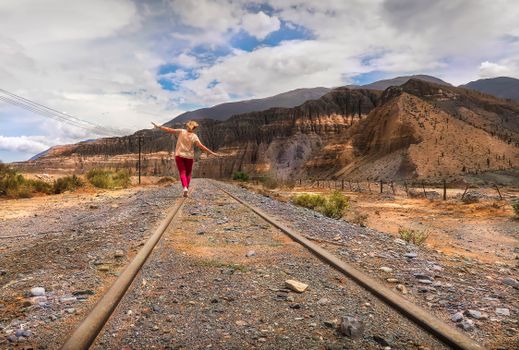
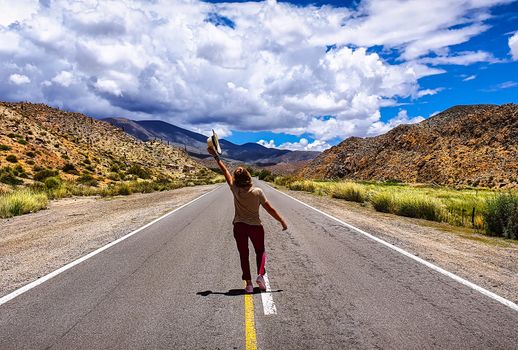
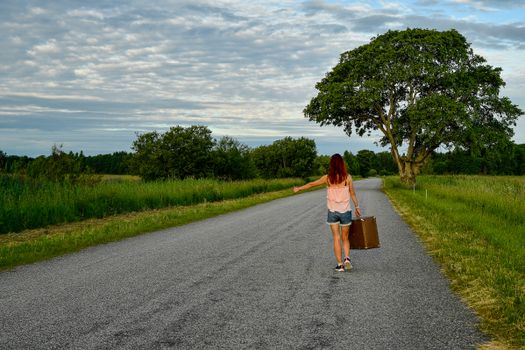
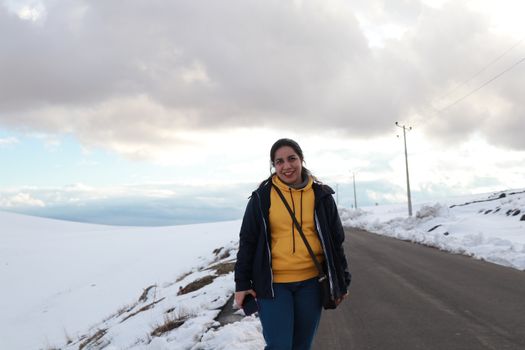
Scrolling through Instagram, it’s easy to feel a pang of envy. Sun-kissed influencers sipping cocktails by infinity pools, perfectly styled in exotic locales, always looking effortlessly chic. Their feeds paint a picture of seamless, blissful travel, a dream world where every moment is a photo op. But let’s be real for a moment, fellow wanderers. Is that where true growth happens? Is that where resilience is forged, and unshakeable confidence is built?
Absolutely not.
The real magic of solo travel, the kind that changes you from the inside out, often happens in the moments between the perfect shots. It’s in the unexpected detours, the language barriers, the moments of quiet solitude, and yes, even the occasional mini-meltdown. These are the experiences Instagram influencers often gloss over, the unglamorous truths that actually make you stronger, wiser, and more self-assured.
I remember my first truly solo trip to Thailand. I landed in Bangkok, feeling a potent mix of exhilaration and sheer terror. My carefully planned itinerary felt flimsy, and navigating the bustling city alone was overwhelming. There was no one to rely on but myself. That first night, huddled in my hostel bed, I wondered if I’d made a huge mistake. Fast forward a week, after successfully haggling for a tuk-tuk, ordering street food with gestures and smiles, and figuring out a complex train route to Ayutthaya, I felt an exhilarating rush. It wasn't about the photos I took (though I took plenty!); it was about the silent cheer inside me, the realization that I could do it. That feeling, dear friends, is priceless.
So, if you’re ready to ditch the filters and embrace the raw, beautiful chaos of true self-discovery, here are some solo adventures that will build confidence influencers don't want you to know about – because they’re too busy perfecting their flat lays.
1. The Trail Less Traveled: Solo Hiking and Trekking
There’s something profoundly empowering about putting one foot in front of the other, alone, with nothing but a backpack and the vastness of nature surrounding you. Solo hiking isn't just about physical endurance; it's a profound mental journey. It forces you to rely solely on your instincts, your navigation skills, and your inner strength.
My Story:
A few years ago, I embarked on a multi-day trek through the Scottish Highlands, tackling a section of the West Highland Way. The weather was classic Scotland: glorious sunshine one moment, horizontal rain the next. There were moments I questioned my sanity, especially when the path disappeared into a bog, and I had to trust my map and compass (and a healthy dose of intuition). But the feeling of reaching a remote mountain pass, the wind whipping around me, with no one else in sight, was an unparalleled sense of accomplishment. It wasn't about the summit selfie; it was about knowing I’d pushed through discomfort and navigated the wilderness on my own terms.
Confidence Builders:
Self-reliance, problem-solving (especially when you get a little lost!), physical and mental fortitude, appreciation for solitude, connection with nature.
Practical Tips:
* Start Small: Begin with well-marked day hikes in national parks before attempting multi-day treks.
* Gear Up: Invest in good hiking boots, waterproof layers, and a reliable backpack.
* Safety First: Always tell someone your route and expected return time. Carry a fully charged phone (though reception might be spotty), a map, and a compass (and know how to use them!).
* Embrace Discomfort: Your feet will hurt, you'll get tired, and the weather might not cooperate. Lean into it; that's where the growth happens.
Locations & Costs:
* USA: Sections of the Appalachian Trail, Yosemite National Park, Zion National Park. Costs are primarily park fees (~$30-35 per vehicle) and gear.
* Scotland: West Highland Way (free, but budget for accommodation/camping ~£10-£50/night).
* Chile: Torres del Paine W-Trek (park fees ~$35, refugio/camping ~£20-£100/night).
* Spain: Camino de Santiago (various routes, often free, but budget for albergues ~€5-€15/night).
2. Mastering the Maze: Public Transport & Local Immersion
Forget the curated tours and private transfers. The real adventure, and the true test of your adaptability, comes from navigating a foreign city or country using its local public transport. It’s messy, it’s confusing, and it’s gloriously authentic.
My Story:
My trip to Japan was a masterclass in this. Despite the incredible efficiency of their train system, the sheer scale of Tokyo’s stations and the language barrier initially felt insurmountable. I remember missing my stop multiple times, getting completely turned around in Shinjuku Station, and having to resort to pointing at maps and politely bowing. Each successful journey, each correct platform found, each local I managed to communicate with (even with Google Translate), built a small but significant brick in my wall of confidence. And then there was the time I took a local bus through rural Sri Lanka – packed like sardines, windows open to the tropical breeze, surrounded by families and their market goods. It was chaotic, loud, and utterly unforgettable, a million miles away from an air-conditioned tour bus.
Confidence Builders:
Adaptability, communication (even without shared language), cultural understanding, asking for help, overcoming social anxiety, resourcefulness.
Practical Tips:
* Learn Key Phrases: "Hello," "Thank you," "Excuse me," "How much?" and "Where is...?" go a long way.
* Offline Maps: Download Google Maps regions or use apps like Maps.me.
* Embrace Getting Lost (a Little): Some of the best discoveries happen when you take a wrong turn. Just know how to get back to a familiar landmark.
* Observe & Mimic: Watch how locals navigate, order food, or interact.
* Stay Open: Be open to conversations, even if they're mostly non-verbal.
Locations & Costs:
* Japan: JR Pass (for extensive travel) or Pasmo/Suica cards for local transport. Trains are efficient but can be pricey.
* India: Local buses and trains are incredibly cheap (think a few dollars for hours of travel) and an immersive experience.
* Vietnam: Motorbike taxis (Grab/Go-jek) or local buses are very affordable.
* Morocco: Grand taxis for inter-city travel, petite taxis for within cities. Negotiate fares!
3. Beyond the Buffet: Culinary Solo Adventures
Eating alone in public can be a significant hurdle for many solo travelers. The fear of judgment, the awkwardness of a table for one. But once you conquer this, you unlock a world of culinary delights and a newfound comfort in your own company.
My Story:
I used to dread eating alone. My first solo dinner in Paris, at a charming bistro, felt like an Olympic feat. I sat there, book clutched in hand, acutely aware of every couple and group around me. But as I savored my steak frites and a glass of Bordeaux, I gradually relaxed. No one was staring. No one cared. I was simply another diner. It was liberating! Later, I took a street food tour in Hanoi, navigating bustling markets and tiny plastic stools, sharing smiles with vendors and other travelers. It taught me that food isn't just fuel; it's a gateway to culture and connection, even when you’re flying solo.
Confidence Builders:
Overcoming social anxieties, trying new things, self-care, enjoying your own company, engaging with new people (if you choose to), cultural immersion.
Practical Tips:
* Start with Cafes or Busy Street Food: Less pressure, more anonymity.
* Bring a Prop: A book, journal, or headphones can make you feel more comfortable initially.
* Sit at the Bar: Often more social and less conspicuous than a table for one.
* Take a Cooking Class: A fantastic way to meet people and learn about local cuisine in a relaxed setting.
* Embrace People-Watching: Solo dining offers the best vantage point for observing the world around you.
Locations & Costs:
* Vietnam/Thailand: Street food tours are often ~$20-50, individual meals a few dollars.
* Italy: Cooking classes (pasta, pizza) can range from ~$50-150. Dining alone in a trattoria is a must.
* France: Enjoy a solo coffee and croissant at a Parisian cafe (~€5-10) or a multi-course bistro meal (€20-50).
* Mexico: Taco stands and local markets offer incredible, cheap eats for a few dollars.
4. The Art of Unplugging: Digital Detox & Reflection Retreats
In our hyper-connected world, true solitude and self-reflection are rare commodities. A solo digital detox or a retreat focused on mindfulness can be incredibly transformative, forcing you to confront yourself without the distraction of screens.
My Story:
I once spent a week at a meditation retreat in Bali. No phone, no laptop, just journaling, yoga, and quiet contemplation. The first 48 hours were pure agony – the urge to check my phone was overwhelming. But gradually, a profound sense of calm settled in. I started noticing the rustle of the palm trees, the scent of frangipani, the taste of my food. I filled pages in my journal, uncovering thoughts and feelings I hadn't realized were there. It wasn't 'grammable' in the typical sense, but the internal shift was more beautiful than any sunset photo. I returned feeling lighter, clearer, and more grounded.
Confidence Builders:
Self-awareness, mental clarity, stress reduction, mindfulness, understanding your needs, breaking addiction to screens, improved focus.
Practical Tips:
* Choose Wisely: Look for retreats or accommodations that specifically promote digital disconnection.
* Set Boundaries: Inform friends and family you'll be offline. Delete social media apps before you go.
* Bring Analog Distractions: Books, a journal, drawing supplies.
* Embrace Boredom: It’s often in the quiet moments that creativity and insight emerge.
* Start Small: Even a weekend in a cabin without WiFi can be a powerful start.
Locations & Costs:
* Bali/Thailand: Yoga and meditation retreats (often ~$500-2000 for a week, including accommodation and food).
* Costa Rica: Eco-lodges with limited connectivity (prices vary, ~$100-300/night).
* USA/Canada: Remote cabins or camping in national parks (camping fees ~$20-30/night, cabin rentals vary).
* Anywhere: Simply turning off your phone for a few days in a quiet location is free!
5. Giving Back & Learning New Skills: Volunteer & Workshop Travel
Stepping outside your comfort zone to contribute to a community or learn a completely new skill is a powerful way to build confidence and feel a profound sense of purpose. It shifts your focus from 'me' to 'we' and forces you to adapt to new challenges.
My Story:
I spent a month teaching English to children in a small village in Cambodia. I had no teaching experience, the facilities were basic, and the language barrier was real. There were days of frustration, moments of feeling utterly inadequate. But seeing the children’s smiles, feeling their eagerness to learn, and slowly finding my rhythm in the classroom gave me a confidence I never knew I lacked. Similarly, learning to surf in Portugal – falling countless times, getting pummeled by waves, but eventually, gloriously, riding a small wave – taught me resilience and the joy of embracing the beginner's mind.
Confidence Builders:
Empathy, cross-cultural communication, problem-solving, learning new skills, stepping out of your comfort zone, making a tangible impact, feeling valued, patience.
Practical Tips:
* Research Reputable Organizations: For volunteering, ensure they have ethical practices and genuinely benefit the local community.
* Be Prepared for Basic Living: Volunteer experiences often mean simple accommodation and food.
* Go with an Open Mind: Be flexible and adaptable to different ways of doing things.
* For Skill-Building: Choose something you've always wanted to try. Surfing, pottery, cooking, a new language – the options are endless.
Locations & Costs:
* Southeast Asia/South America: Volunteer programs (often require a fee, ~$300-1000+ per week/month, covering accommodation and food).
* Europe: Language schools (e.g., Spanish in Spain/Mexico, Italian in Italy, ~$200-500+ per week for classes).
* Portugal/Costa Rica: Surf schools (~$50-100 for a lesson, packages available).
* Italy/France: Artisan workshops (e.g., pottery, painting, ~$100-300+ for a multi-day course).
6. The Unplanned & Unfiltered: Embracing Discomfort & Problem-Solving
This isn't a specific destination or activity, but rather a mindset. True solo adventure inevitably throws curveballs: a missed flight, a lost wallet, a sudden illness, a broken-down bus in the middle of nowhere. These are the moments that truly test your mettle and build incredible resilience.
My Story:
Oh, the stories I could tell! The time my luggage was lost for three days in Spain, forcing me to get creative with minimal clothes and a limited budget. The moment I realized I'd left my passport on a bus in Peru, sparking a frantic, language-barrier-filled chase. Or the unexpected stomach bug in India that left me feeling utterly vulnerable. Each time, panic surged, but then a deeper, calmer part of me kicked in. I had to figure it out. I had to ask for help. I had to trust my instincts. And each time, I emerged on the other side, not just with a solution, but with an unshakeable belief that I could handle anything. These weren’t pretty moments, but they were profoundly powerful.
Confidence Builders:
Resilience, adaptability, quick thinking, resourcefulness, trusting your instincts, realizing you can handle anything, self-advocacy.
Practical Tips:
* Travel Insurance: Non-negotiable. It’s there for these exact moments.
* Emergency Funds: Have a separate stash of cash or a backup credit card.
* Copies of Documents: Keep digital and physical copies of your passport, visa, and insurance.
* Stay Calm: Take a deep breath. Panicking rarely helps.
* Ask for Help: Don't be afraid to approach locals, other travelers, or embassy staff. Most people are kind and willing to assist.
* Trust Your Gut: If something feels off, it probably is.
Locations & Costs:
Anywhere can present these challenges! The cost is often unexpected, but the learning experience is priceless.
The Real 'Influencer' Is You
The curated feeds of Instagram influencers offer a beautiful, aspirational glimpse into travel. But they often miss the messy, challenging, and profoundly transformative experiences that truly build confidence and character. The solo adventures I've shared aren't always picture-perfect, but they are powerful. They push you to your limits, force you to rely on yourself, and connect you with the world (and yourself) in ways a perfectly staged photo never could.
The confidence you gain from successfully navigating a foreign city alone, pushing your body on a challenging hike, or connecting with strangers over a shared meal, is an internal glow that no filter can replicate. It's a quiet strength that stays with you long after the trip is over, empowering you in every aspect of your life.
So, next time you scroll, remember the real adventure isn't always about the likes. It's about the journey within. It's about finding out what you're truly capable of when no one else is watching, and everything is up to you.
What’s your next unfiltered solo adventure? Share your plans and inspire others in the comments below!