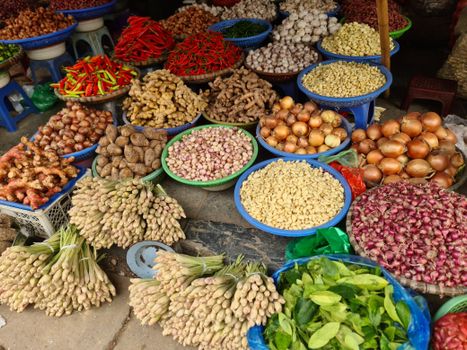
The Real Deal: Unmasking Food Markets – Tourist Traps vs. Hidden Gems Instagram Influencers Don't Want You to Know
There’s a magic to food markets, isn’t there? The intoxicating aroma of spices, the vibrant kaleidoscope of fresh produce, the cacophony of vendors calling out their wares. For me, it’s the heartbeat of a city, a direct line to its culinary soul. I still remember my first truly authentic market experience, a small, bustling affair tucked away in a back alley of Marrakech. The air was thick with the scent of mint tea and tagines, the stalls overflowing with exotic fruits and spices I’d never seen before. A kind-eyed woman pressed a warm, honey-drenched pastry into my hand, and in that moment, I felt like I wasn't just observing a culture, I was tasting it.
That feeling, that pure, unadulterated connection to local life through food, is what drives my travels. But let’s be honest: in our hyper-connected, Instagram-obsessed world, finding that genuine experience is getting harder. What often gets hyped as a "must-visit local market" on social media can quickly turn into an overpriced, overcrowded tourist trap, stripped of its authenticity. You know the ones – where every stall has an English menu, prices are suspiciously high, and the only locals you see are the vendors trying to sell you something.
Today, we’re pulling back the curtain. As your resident food market explorer here at Tripsora, I’m going to arm you with the knowledge to navigate the global market scene like a seasoned pro. We’ll expose the tell-tale signs of a tourist trap, celebrate the true hidden gems, and give you the insider tips that even the most exclusive influencers might prefer you didn't know. Because the best meals aren't always the prettiest for the 'gram; they're the ones that taste of real life.
The Allure & The Reality: Why We Fall for Tourist Traps
The appeal of a food market is undeniable. It promises discovery, a chance to eat like a local, and a glimpse into daily life. Travel guides and social media feeds are awash with stunning photos of colorful stalls, enticing street food, and happy travelers. We see these images and think, "Yes! That's the authentic experience I crave!"
But here’s the reality check: popularity, especially among tourists, can be a market's undoing. Once a place becomes a "hot spot" or an "Instagrammable destination," it often starts catering more to the influx of visitors than to the local community it once served. Prices inflate, quality can dip, and the unique character that made it special begins to erode. Suddenly, that vibrant market experience you dreamed of feels less like an adventure and more like an expensive, crowded chore.
I recall a visit to a famous market in a major European city – let's call it "Mercado de la Fama." Every travel blog shouted about its fresh juices and tapas. I arrived, camera in hand, ready for my authentic moment. What I found was a crush of people, mostly tourists, jostling for space. A small cup of fruit salad cost me €8, and the "freshly squeezed" juice tasted suspiciously watered down. The tapas were visually appealing, but clearly mass-produced and lacked the nuanced flavors I'd tasted in smaller, unassuming eateries. It was a beautiful backdrop, sure, but the soul of a true food market was absent. My stomach (and wallet) felt cheated.
Spotting the Red Flags: How to Identify a Food Market Tourist Trap
Before you even step foot into a market, there are signs that can help you discern if it's a genuine local hub or a meticulously crafted tourist performance.
1. Language Overload:
If every single stall has prominent signs in multiple languages (especially English, Spanish, French, German, and Chinese) and vendors immediately address you in English, that’s a red flag. Authentic local markets will often have signs primarily in the local language, with perhaps a few key items translated.
2. Inflated Prices (The Price Perceived Value Trap):
This is the most glaring indicator. Compare prices to what you've seen in local supermarkets or smaller eateries. If a fruit cup costs more than a full meal elsewhere, or if a souvenir spice packet is double the price of a similar one in a less central shop, you’re likely in a trap. Vendors here know tourists often don't know local pricing and are less likely to haggle.
3. The Crowd Composition:
Look around. Are most of the people browsing, buying, and eating tourists with cameras and guidebooks, or are they locals doing their daily shopping, chatting with vendors, and carrying reusable bags? A truly authentic market will be teeming with locals.
4. The "Instagrammable" Focus:
While beautiful food is always a plus, be wary if every stall seems hyper-focused on creating visually stunning, often over-the-top, displays clearly designed for social media. Think perfectly arranged, towering fruit pyramids, elaborate seafood platters with dry ice, or "artisan" products that look too perfect. Often, substance takes a backseat to aesthetics.
5. Lack of Unique Local Goods:
Tourist markets tend to sell generic "local" products that you can find anywhere, or mass-produced souvenirs. Authentic markets specialize in seasonal produce, unique regional ingredients, and local crafts that aren't churned out for mass consumption. If every stall sells the exact same "I ❤️ [City]" keychain, run.
6. Pushy Vendors:
While some friendly banter is part of the market experience, overly aggressive or pushy vendors who practically drag you to their stall are a sign they're used to a high-turnover tourist crowd. Locals know what they want and aren't typically subjected to such tactics.
7. Location, Location, Location:
Markets directly adjacent to major tourist landmarks (e.g., right next to the Eiffel Tower or the Colosseum) are almost always tourist-centric. Locals usually do their shopping further afield.
Unearthing the True Gems: What Makes a Market Authentic?
So, if those are the red flags, what should you look for in a genuine hidden gem?
1. Local Buzz and Language:
The predominant language you hear should be the local tongue. You’ll see locals interacting casually with vendors, perhaps even calling them by name. This indicates a long-standing community relationship.
2. Honest Pricing and Value:
Prices will be reasonable and reflect local purchasing power. You might even see prices written in chalk on a blackboard, or just verbally communicated – a sign that they're not trying to upsell. The focus is on good quality at a fair price.
3. Seasonal and Regional Produce:
Authentic markets showcase what's in season and what's unique to the region. You'll find produce that might look a little imperfect, but tastes incredible. This is where you discover truly local ingredients you won't see in a supermarket back home.
4. Specialization and Craft:
Many authentic markets have vendors specializing in specific items – a cheese vendor with a century-old family recipe, a butcher renowned for a particular cut, or a baker whose bread sells out by mid-morning. These specialists are the backbone of a local food scene.
5. Sensory Overload (the good kind!):
The smells are complex – a mix of fresh earth, spices, cooked food, and the general hum of life. The sights are less curated, more organic – piles of produce, live animals (in some cultures), and the everyday chaos that makes it real.
6. A Sense of Community:
You'll observe people lingering, chatting, perhaps enjoying a coffee or a simple meal at a shared table. It feels like a community hub, not just a place to buy things.
7. Hidden Entrances and Off-the-Beaten-Path Locations:
Often, the best markets are not on the main drag. They might be a few blocks off the main tourist circuit, down a side street, or even in a residential neighborhood. This requires a bit more effort to find, but the reward is immense.
My Top Picks (and How I Found Them!): Specific Examples of Hidden Gems & Traps
Let me give you a few examples from my own travels, both the misses and the unforgettable hits.
The Trap: La Boqueria (Barcelona, Spain) – Near the Ramblas Entrance
Ah, La Boqueria. It's beautiful, undeniably. And if you go deep into the market, you can still find some authentic stalls. But step in from the bustling Las Ramblas, and you’re in the tourist feeding frenzy. I once paid €15 for a small plate of pre-cut jamón and a glass of cava that tasted like cheap sparkling wine. The fruit juice stands, while visually stunning, charge €5-€8 for a small cup – for fruit that costs pennies at a local frutería. The sheer volume of tourists means vendors are less concerned with repeat local business and more with quick, high-margin sales. The famous seafood stalls near the entrance? Expect to pay double or triple what you would at a local restaurant for a similar dish. It’s gorgeous for photos, but your wallet and taste buds will thank you for moving on.
The Hidden Gem: Mercat de Sant Antoni (Barcelona, Spain)
Just a 15-minute walk from La Boqueria, the Mercat de Sant Antoni is a world apart. I discovered it by asking a local barista where he bought his groceries. It's housed in a stunning iron structure, recently renovated. On a Sunday, it transforms into a massive book and coin market, but on weekdays, it's a vibrant food market for locals. Here, I found a vendor selling turrón (nougat) that his family had made for generations, offering samples with a warm smile. I bought a generous wedge of local cheese for €4 and a freshly baked bocadillo (sandwich) filled with authentic jamón serrano and tomato for €3.50 at one of the small bar stalls. The atmosphere was buzzing with Spanish chatter, the smells were incredible, and the prices were honest. This is where you find the true soul of Barcelona's food scene.
The Trap: Campo de' Fiori (Rome, Italy) – Daytime Market
Campo de' Fiori is picturesque, especially in the morning light. And yes, you can find some nice produce. However, many of the food stalls now cater almost exclusively to tourists. I saw "authentic Italian pasta" kits for €20, pre-packaged truffle oil at exorbitant prices, and "traditional Roman" dishes at prices that made my eyes water. I bought a small tub of pre-made pesto for €10, only to find a superior, freshly made version at a local alimentari for €4 later that day. The vendors are often aggressive, and the focus is on selling souvenirs rather than quality food. It's a lovely square for an evening aperitivo, but for fresh food, look elsewhere.
The Hidden Gem: Mercato Testaccio (Rome, Italy)
Mercato Testaccio is a bit further out, but easily reachable by metro. This modern, covered market is a foodie paradise for locals. I stumbled upon it after a recommendation from a Roman taxi driver who saw my interest in food. It’s clean, organized, but incredibly authentic. Here, I devoured a trapizzino (a delicious pizza pocket filled with various Roman specialties) for €4 at Mercato Testaccio Box 22. I bought incredible, fresh pasta for dinner from a pastaio (pasta maker) for €6 a kilo and found incredible local cheeses and cured meats. The vendors were friendly, knowledgeable, and clearly passionate about their products. This market feels like the beating heart of Roman culinary life, a place where families have been shopping for generations.
The Trap: Some Food Stalls in Jemaa el-Fna (Marrakech, Morocco) – Evening
Jemaa el-Fna in Marrakech is an experience, no doubt. The snake charmers, storytellers, and musicians create an unforgettable atmosphere. And the food stalls that appear at night are legendary. However, some have definitely leaned into the tourist trap model. I once paid €20 for a small, rather bland tagine and a glass of mint tea at a stall that had a prominent "menu in English" sign. The prices were ambiguous, and I felt pressured to order more. The quality was mediocre, and I spent the rest of the evening wondering if I'd been overcharged.
The Hidden Gem: The Mellah Market (Marrakech, Morocco) & Local Eateries
To find true food gems in Marrakech, venture beyond the main square. The Mellah Market (the old Jewish quarter market) is an incredible, sensory overload of spices, olives, and fresh produce. It's bustling, chaotic, and utterly authentic. Here, I bought a bag of olives for less than €1 and watched locals haggle for spices. For prepared food, ask your riad host or a local shopkeeper for their favorite local eatery. I found a tiny, unassuming spot serving harira soup (a traditional Moroccan soup) for 10 dirhams (€1) and a delicious chicken tagine for 40 dirhams (€4) that was bursting with flavor – a fraction of the Jemaa el-Fna price, and infinitely more delicious. The key here is to go where the locals go, often down side streets, indicated by a bustling crowd of Moroccans.
Mastering the Market: Tips for a Truly Authentic Food Experience
Now that you know what to look for, here’s how to maximize your market adventure:
1. Do Your Homework (But Not Too Much!):
Before you go, Google "local markets [city name]" or "best street food [city name]" but also look for blogs or forums written by locals or long-term expats. Cross-reference recommendations. Sometimes, the less information online, the better!
2. Ask a Local (The Golden Rule):
This is my number one tip. Ask your hotel concierge, a friendly shopkeeper, your Airbnb host, or even a taxi driver: "Where do you buy your fresh produce?" or "Where's your favorite place for a quick, cheap, authentic meal?" Their insights are invaluable.
3. Go Early (or Late):
Arrive as the market opens to see the freshest produce and avoid the biggest crowds. Or, if you're looking for prepared food, go slightly off peak lunch/dinner times when locals might still be around but the main tourist rush has passed.
4. Learn Basic Phrases:
A simple "hello," "thank you," "how much?" and "delicious!" in the local language goes a long way. It shows respect and often earns you a warmer reception (and maybe even a better price!).
5. Observe Before You Buy:
Take a full lap (or two!) of the market before committing. Watch where locals are congregating, what they're buying, and how they're interacting. This will give you a feel for the rhythm and help you spot the genuinely popular stalls.
6. Don't Be Afraid to Wander Off the Main Drag:
As I mentioned with Marrakech, sometimes the best food is found just a few streets away from the main attraction. Follow your nose, or the sound of local chatter.
7. Carry Cash (Small Denominations):
Many local market vendors prefer cash, and small bills make transactions smoother.
8. Embrace the "Imperfect":
Don't expect perfect, unblemished produce. Real food often has character. And don't shy away from street food that might not look like a Michelin-star dish – often, those are the most authentic and delicious experiences.
9. Be Mindful of Food Safety:
While exploring, use common sense. Look for stalls with high turnover, where food isn't sitting out for too long. If something looks or smells off, trust your gut.
The Real Flavor of Travel
Finding an authentic food market is more than just getting a good meal; it's about connecting with the soul of a place. It’s about understanding the rhythm of daily life, tasting the ingredients that shape a culture, and creating memories that are far richer than any perfect Instagram photo.
So, the next time you're planning a trip, ditch the curated influencer guides for a moment. Put on your walking shoes, grab your sense of adventure, and seek out those hidden culinary gems. Trust your instincts, ask the locals, and be prepared to be delighted. You’ll not only save money and eat incredibly well, but you’ll also discover the true, unvarnished beauty of global cuisine – the kind that influencers might not want you to know, but that you absolutely deserve to experience.
What's the best hidden gem food market you've ever discovered? Share your stories and tips in the comments below! And don't forget to share this guide with your fellow food adventurers!
---