The Earth's Kitchen: Unearthing Culinary Secrets with Local Experts This Year
I stepped off the tiny ferry onto the rugged, windswept coast of the Isle of Skye, the salty spray kissing my face. The air hummed with the cries of gulls and the distant bleating of sheep. My guide, Eilidh, a woman whose eyes held the wisdom of generations of island dwellers, greeted me with a smile as warm as the weak Scottish sun. "Ready to taste the wild?" she asked, her voice carrying a lyrical lilt. And just like that, I was embarking on an adventure far richer and more profound than any Michelin-starred meal I'd ever experienced. This, my friends, is the dawn of a new era in travel: emerging foraging experiences with local experts.
This isn't about grabbing a basket and hoping for the best. This is about deep dives into local ecosystems, guided by the people who understand them intimately – the farmers, the fisherfolk, the grandmothers who’ve passed down edible plant lore for centuries. This year, the travel landscape is shifting, and these hyper-local, intensely rewarding foraging journeys are leading the charge.
The Allure of the Untamed Palate
For too long, travel has been about consumption, about ticking boxes off a pre-written itinerary. But a growing wave of travelers, myself included, crave something more. We yearn for connection, for authenticity, for experiences that leave us not just with souvenirs, but with a deeper understanding of a place and its people. Foraging, when guided by locals, offers precisely that.
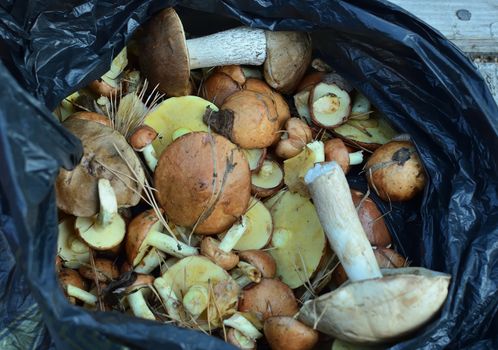
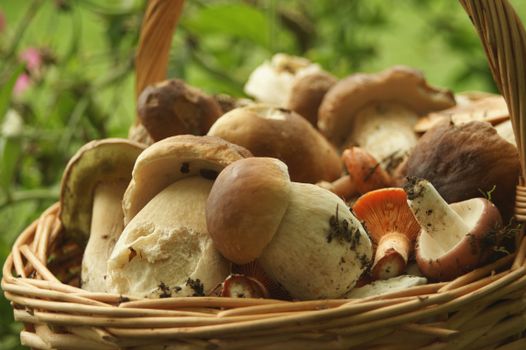
It’s a visceral connection to the land. It’s the thrill of discovery, the quiet satisfaction of identifying a perfectly ripe wild strawberry or a cluster of edible fungi. It's about understanding seasonality, the rhythm of nature, and how communities have sustained themselves for millennia. And this year, these experiences are more accessible and more beautifully curated than ever before.
Beyond the Supermarket Aisle: Discovering Edible Treasures
My foraging adventure with Eilidh wasn't just about picking plants. It was a masterclass in local ecology and traditional knowledge. She pointed out sea buckthorn, its fiery orange berries a testament to the harsh coastal environment, explaining how islanders have used them for their vitamin C and unique tart flavor for centuries. We carefully harvested wild garlic, its pungent aroma filling the air, and she shared recipes for pesto and infused oils that would grace any modern kitchen.
Pro-Tip:
Always go with a local expert. They know what's in season, what's safe, and the best spots that aren't overrun. They’ll also share the folklore and history tied to each plant, transforming a simple walk into a captivating story.
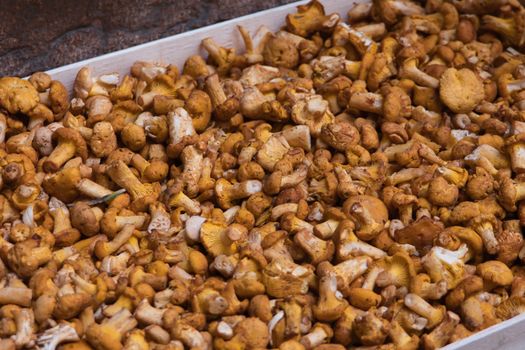
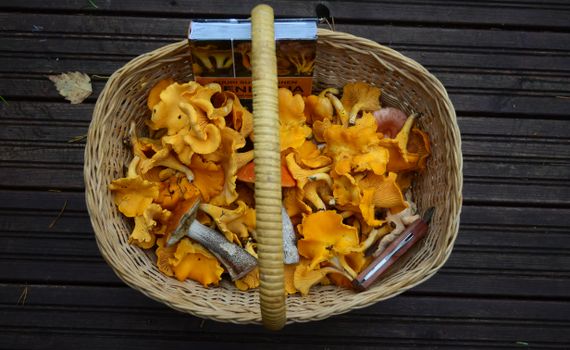
The beauty of these emerging experiences is their diversity. In the Mediterranean, you might join a local forager to uncover wild herbs like rosemary, thyme, and oregano, learning how they’re integral to regional cuisine. In the Pacific Northwest, it could be a guided hunt for chanterelle mushrooms or the delicate flavor of sea asparagus. Each region offers a unique edible landscape, and local guides are the keys to unlocking these secrets.
Cultivating Connection: The Human Element
What truly elevates these foraging experiences is the human connection. Eilidh wasn't just a guide; she was a storyteller, a custodian of her island's heritage. She spoke of her grandmother’s remedies, of the challenges and joys of island life, and of the deep respect she holds for the natural world. This isn't just about learning about plants; it's about learning about people.
I remember one moment, as the sun began to dip below the horizon, painting the sky in hues of fiery orange and soft lavender. We sat on a moss-covered rock, sharing a simple picnic of cheese, oatcakes, and a jam Eilidh had made from the sea buckthorn we’d collected. The silence was profound, broken only by the gentle lapping of waves. It was a moment of pure presence, of deep gratitude for the land and for the generosity of my guide.
This year, look for experiences that emphasize this human element. Seek out guides who are passionate about their local culture and eager to share it. These are the journeys that will leave an indelible mark on your soul.
The Rise of Sustainable Culinary Tourism
Foraging is inherently sustainable. It encourages a deep appreciation for the environment and a mindful approach to consumption. When done responsibly, it’s a way to connect with nature without harming it. This aligns perfectly with the growing trend towards sustainable and responsible tourism.
Pro-Tip:
Always practice "leave no trace" principles. Only take what you need, and be mindful of the impact on the ecosystem. Local experts will guide you on ethical harvesting practices.
Many of these emerging experiences are also linked to farm-to-table initiatives. You might forage for ingredients that are then used in a cooking class led by a local chef, or you might visit a small farm where the foraged produce is incorporated into their daily offerings. This creates a closed-loop experience, showcasing the complete journey from wild to plate.
Unlocking Flavor: From Wild to Wonderful
The flavors you discover through foraging are unlike anything you’ll find in a supermarket. Wild foods often possess a more intense, nuanced taste, shaped by the soil, climate, and the plant’s own unique life cycle.
Imagine the tangy burst of a wild raspberry, far more complex than its cultivated cousins. Or the peppery bite of wild rocket, adding a sophisticated kick to a salad. Eilidh introduced me to samphire, a succulent that grows along the coast, with a crisp, salty flavor that perfectly complemented the fresh seafood we later enjoyed.
Pro-Tip:
Don't be afraid to experiment! Your local guide will offer insights into how to prepare and use your foraged finds. Many will also share their family recipes, giving you a true taste of local culinary traditions.
This year, these experiences are offering more than just a taste of the wild; they're offering a gateway to understanding the intricate flavors that define a region.
Planning Your Foraging Adventure: Quick Facts
Embarking on a foraging journey requires a little planning, but the rewards are immense. Here's a general guide to what you can expect:
| Aspect | Details |
| :-------------- | :--------------------------------------------------------------------------------------------------------------------------------------------------------------------- |
| Estimated Costs | $100 - $300+ per person for a half-day or full-day guided experience. This often includes guidance, a tasting, and sometimes a small workshop or meal. |
| Best Time to Visit | Spring: Wild garlic, young greens, early berries. <br> Summer: Berries, edible flowers, some mushrooms. <br> Autumn: Mushrooms, nuts, late berries, roots. |
| How to Get There | Varies greatly by region. Often involves travel to rural areas, requiring car rental or utilizing local public transport (buses, ferries) to reach remote starting points. |
| What to Bring | Sturdy, waterproof footwear; layers of clothing; rain gear; sun protection; a reusable water bottle; a basket or bag for your finds (if permitted); insect repellent. |
| Key Considerations | Local Regulations: Always adhere to local laws regarding foraging. <br> Expert Guidance: Never forage without a knowledgeable local expert. <br> Allergies: Inform your guide of any dietary restrictions or allergies. |
Insider Tips for a Seamless Experience
To truly make the most of your foraging adventure this year, here are a few insider tips:
- Research Local Experts: Look for guides who are passionate about conservation and education. Check reviews and testimonials.
- Understand Seasonality: Foraging is dictated by nature's clock. Plan your trip around the season you're most interested in.
- Be Prepared for All Weather: Nature doesn't adhere to a schedule. Pack for sun, rain, and everything in between.
- Engage and Ask Questions: This is your chance to learn from the best. Don't be shy! The more you engage, the richer your experience will be.
- Respect the Environment: Leave no trace. Take only what you need and be mindful of the delicate ecosystems you're exploring.
- Consider a Cooking Component: Many foraging tours now include a cooking class or a meal where you get to enjoy your freshly gathered ingredients. This is a fantastic way to deepen your understanding of local cuisine.
- Embrace the Unexpected: Sometimes the most rewarding finds are the ones you didn't anticipate. Be open to serendipity.
The Future is Wild (and Delicious!)
As I reflect on my time foraging with Eilidh, I realize it was more than just a travel experience. It was a lesson in humility, in observation, and in the profound beauty of a life lived in harmony with nature. This year, as you plan your next escape, I urge you to consider stepping off the beaten path and into the wild. Seek out the local experts, the keepers of ancient knowledge, and let them guide you on a culinary journey that will nourish your body, your soul, and your understanding of the world. The earth is waiting to share its secrets – are you ready to listen?
---