The Hook:
I stepped off the rickety train, the scent of damp earth and pine needles thick in the air, a stark contrast to the sterile airport lounges I’d grown accustomed to. The gentle murmur of a nearby stream, punctuated by the distant call of a bird I couldn’t quite identify, was my soundtrack. This wasn't just another destination; it was an invitation to connect, to taste, to understand the land in a way no guidebook could ever convey. Today, my guide, a woman named Anya whose hands were as weathered as ancient oak bark, was going to teach me the secrets whispered by the forest floor. This was the dawn of a new kind of travel, and I was already hooked.
The Wild Pantry: Why Foraging is the Next Big Thing in Travel
Forget curated museum tours and predictable cityscapes. The most exhilarating travel experiences this year are emerging from the earth itself. Foraging, once a niche pursuit for survivalists and dedicated naturalists, is blossoming into a mainstream, deeply rewarding adventure. It’s about reconnecting with our food’s origins, understanding seasonality, and embracing sustainable practices – all while embarking on a genuinely thrilling journey. Local experts, the keepers of generations-old knowledge, are opening their worlds, inviting us to discover the wild pantry that surrounds us.
Beyond the Supermarket: Tasting the Terroir
Think about it: every bite you take is a story. But what if you could be part of writing that story? Foraging experiences with local experts offer a profound connection to place. You’re not just eating; you’re actively participating in the ecosystem. You’re learning to identify edible treasures that have sustained communities for centuries, understanding the delicate balance of nature, and appreciating the true meaning of "fresh." This is about tasting the terroir in its purest, most untamed form.
Pro-Tip:
Many foraging trips focus on specific seasons. For instance, spring is prime for tender greens and early mushrooms, while autumn explodes with fungi and berries. Plan your trip around what you’re most eager to discover!
Unearthing Expertise: The Rise of Local Foraging Guides
The true magic of these emerging experiences lies in the guides. These aren't just people who know a few plants; they are often ethnobotanists, seasoned chefs, or indigenous community members who possess an intimate, almost spiritual, understanding of their local environment. They speak the language of the plants, know the microclimates that yield the best finds, and, crucially, can teach you to forage safely and sustainably.
From Forest Floor to Feast: Culinary Transformations
What do you do with your newfound bounty? This is where the culinary magic truly happens. Many foraging experiences culminate in a shared meal, prepared on-site or at a local’s home, using the very ingredients you helped gather. Imagine a wild garlic pesto made with leaves you’ve just plucked, or a mushroom risotto showcasing fungi foraged that morning. These are meals that nourish not just the body, but the soul. The flavors are vibrant, complex, and unlike anything you’ll find in a restaurant.
Insider Lingo:
You'll hear terms like "terroir" (the environmental factors that affect a crop's characteristics), "ethnobotany" (the study of how people use plants), and "mycophagist" (a mushroom eater). Embrace them – they’re part of the adventure!
The New Frontier: Emerging Foraging Destinations for 2024
While established foraging hubs continue to thrive, this year is seeing exciting new destinations gain traction. These are places where the natural landscape is rich, the local knowledge is deep, and the desire to share is palpable.
Coastal Bounty: Seaweed and Shellfish Safaris
The coastline offers a unique foraging landscape. Think iodine-rich seaweeds, succulent mussels, and perhaps even oysters. Local guides in regions like the rugged shores of Scotland, the Pacific Northwest of North America, or the dramatic coastlines of Ireland are offering expeditions that combine stunning scenery with the thrill of harvesting from the sea.
Pro-Tip:
Always check local regulations regarding shellfish harvesting. Your expert guide will be well-versed in these rules.
Mountain Meadows and Forest Glades: Fungi and Flora
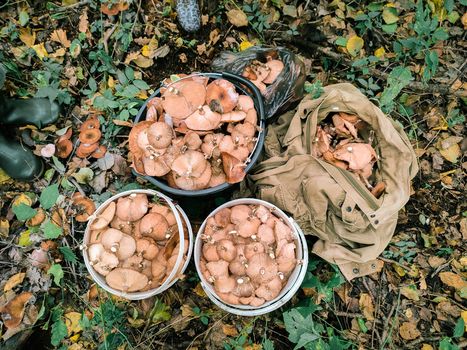
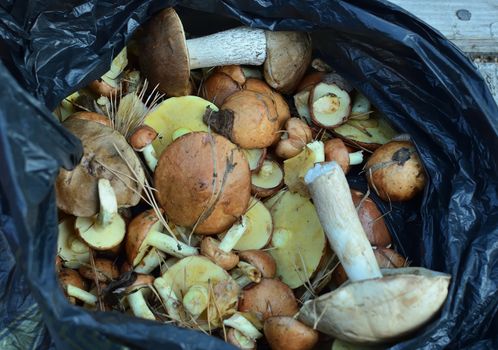
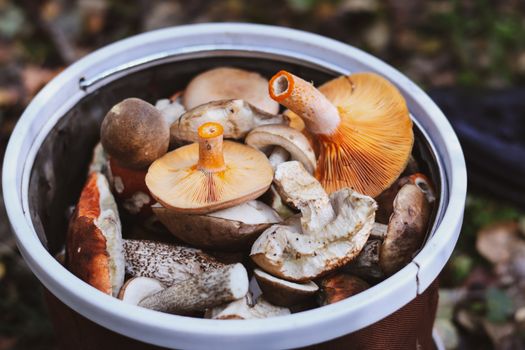
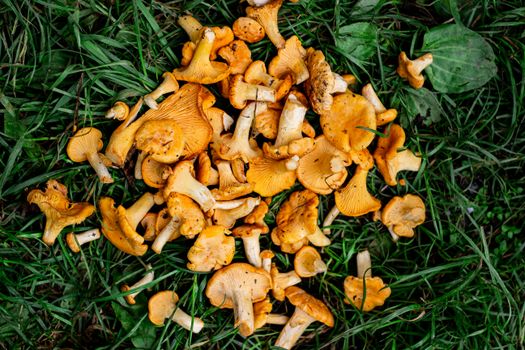
The classic image of foraging often conjures up images of deep forests and mountain meadows. This year, expect more specialized trips focusing on specific fungi (think chanterelles, morels, or porcini) or medicinal herbs. Destinations in the Alps, the Dolomites, the forests of Eastern Europe, and the vast wilderness of Canada are becoming hotspots for these immersive experiences.
Insider Lingo:
Learning to distinguish between edible and poisonous mushrooms is paramount. Guides will teach you about "spore prints" and key identifying features.
Urban Oases: Edible Cityscapes
Don't underestimate the foraging potential in unexpected places! Many cities boast surprisingly rich urban ecosystems. Guides are now leading "urban foraging" tours, revealing edible plants growing in parks, along riverbanks, and even in overlooked green spaces. It’s a testament to nature’s resilience and a fascinating way to see a city through a new lens.
Pro-Tip:
Urban foraging requires extra vigilance regarding contamination. Always go with a local expert who understands the local environment and potential hazards.
Practicalities: Making Your Foraging Adventure a Reality
Embarking on a foraging experience is more accessible than you might think. Here’s a quick rundown to get you started:
| Feature | Details |
| :------------------ | :------------------------------------------------------------------------------------------------------------------------------------------------------------------------------ |
| Estimated Costs | $100 - $500+ per person (depending on duration, location, and inclusions like meals or accommodation) |
| Best Time to Visit | Varies by region and target species. Spring for greens, Summer for berries, Autumn for mushrooms. Research your chosen destination and its peak season. |
| How to Get There | Typically requires travel to a specific region or town. Flights to nearest major airport, followed by local transport (train, bus, car rental) to the meeting point. |
| What to Bring | Sturdy, closed-toe shoes; weather-appropriate clothing (layers are key!); a basket or breathable bag for your harvest; a small knife; water; snacks; sunscreen; insect repellent. |
| Booking | Many experiences are booked through specialized eco-tourism platforms, local tour operators, or directly through foraging schools and guides. |
Pro-Tips for a Successful Forage:
- Book in Advance: Popular foraging experiences, especially those with renowned local guides, fill up quickly.
- Communicate Your Needs: If you have dietary restrictions or specific interests (e.g., medicinal herbs vs. culinary mushrooms), inform your guide beforehand.
- Listen and Learn: Your guide is your most valuable resource. Pay close attention to their instructions, especially regarding identification and safety.
- Respect the Environment: Practice Leave No Trace principles. Only take what you need, and avoid damaging plants or their habitats.
- Be Prepared for the Unexpected: Nature is unpredictable! Weather can change, and sometimes the most sought-after finds are elusive. Embrace the journey.
The Intangible Rewards: More Than Just Food
While the delicious meals and unique ingredients are undeniable perks, the true value of a foraging experience lies in the intangible rewards. You’ll develop a heightened awareness of your surroundings, a deeper appreciation for the natural world, and a sense of accomplishment that comes from learning a new, ancient skill. You’ll return home with stories, a new perspective, and perhaps even a new passion.
A Sustainable Connection
In an era where sustainability is paramount, foraging with local experts offers a powerful way to engage with eco-conscious travel. You’re learning about food systems that are inherently local and seasonal, reducing your carbon footprint, and often supporting local economies directly. It’s a form of travel that gives back, fostering a deeper respect for the planet.
Final Thought:
This year, step off the beaten path and into the wild. Let a local expert be your guide, and discover the incredible flavors and profound connections waiting to be unearthed. The wild pantry is calling – will you answer?