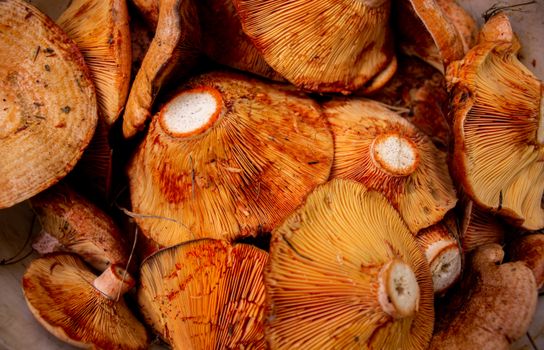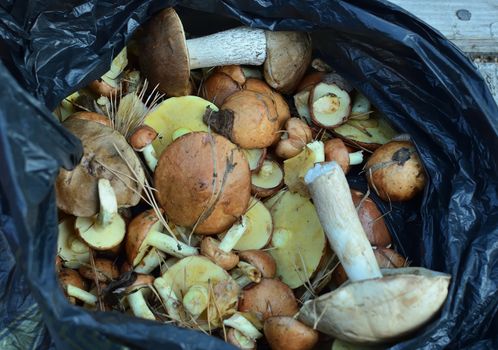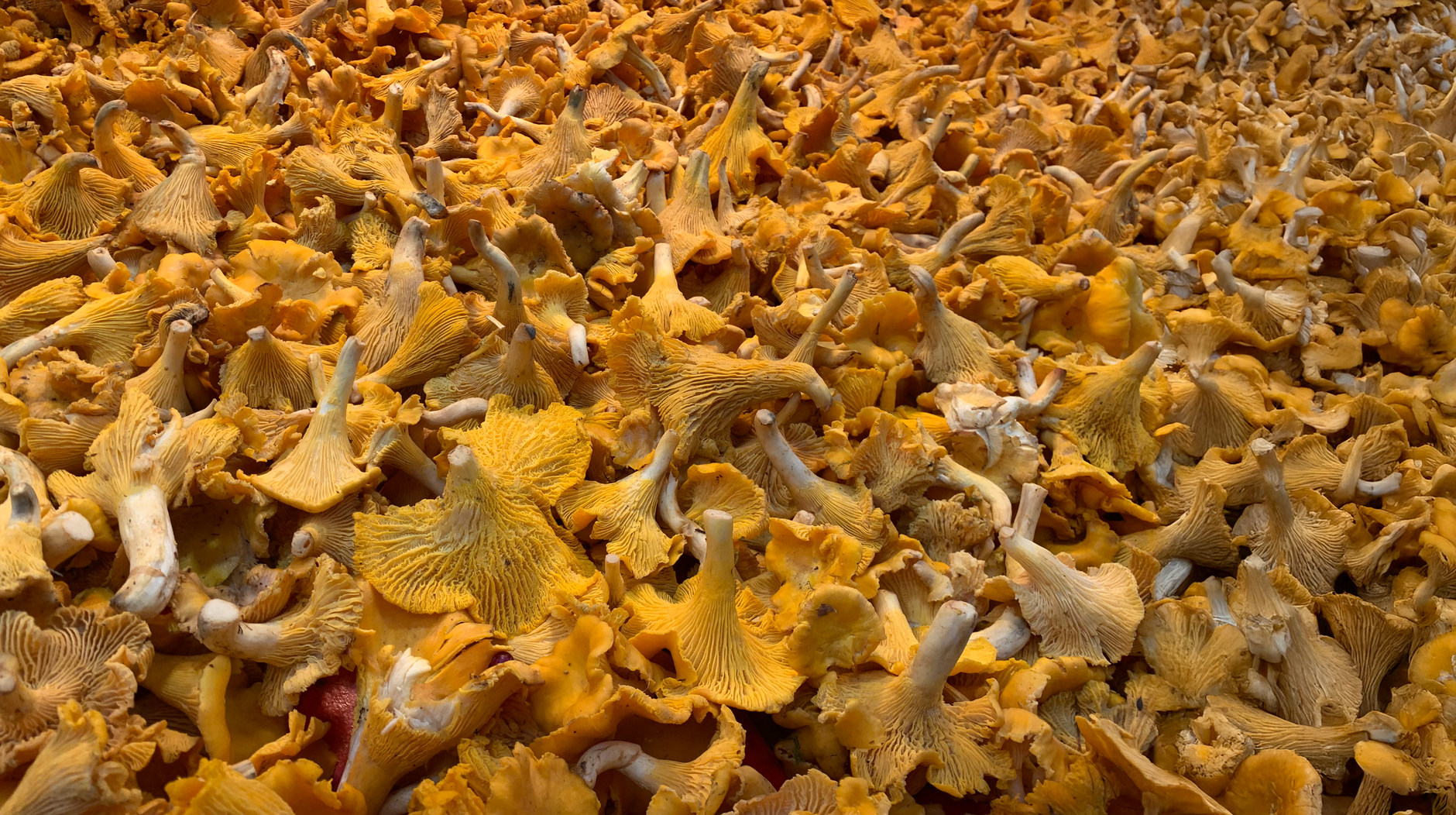
Foraging, the gathering of wild plants, fungi and other natural foods, has become a popular way for travelers to learn about local landscapes and cuisines. Guided experiences led by experienced foragers can offer valuable knowledge about edible plants, seasonal cycles and traditional uses. They can also carry real risks if plants or mushrooms are misidentified, and rules about harvesting vary widely. This guide explains what to expect from a foraging experience and how to choose one carefully.
What a guided foraging experience involves
Most foraging walks begin with an introduction to the local ecosystem, including soil, water, weather and the plants that grow there. The guide typically explains how to identify key species, distinguish them from look-alikes and recognize seasonal changes. Many walks end with a meal or tasting that uses the gathered ingredients, which helps connect the knowledge to the kitchen. Group sizes, pace and physical demands vary, so check the details before booking.
Choosing a qualified guide
Look for guides with clear training and local experience. Ask about their background in botany, ethnobotany, mycology or traditional food knowledge, and whether they hold any relevant certifications or affiliations. A good guide will talk openly about what they will and will not harvest, explain safety rules and welcome questions. Be cautious of experiences that promise rare or valuable finds without explaining how identification is verified.
Rules, land access and sustainability
Foraging rules differ by country, region and land type. Some parks prohibit picking any plants, while others allow limited harvesting for personal use. Private land and protected areas may have separate rules. Responsible foragers take only what they need, avoid harvesting rare species and leave enough plants to reproduce. Ask your guide to explain the local regulations for each site you visit.
Mushrooms and other safety concerns
Mushroom foraging requires particular caution, because some edible species closely resemble toxic ones, and some toxins are not destroyed by cooking. Visitors should not eat any wild mushroom unless it has been identified by a qualified expert, ideally more than one. Similar care applies to berries, leaves and roots. Plant poisoning can cause serious illness, so keep emergency contact information handy and know where the nearest medical facility is.
Allergies, seasons and weather
Wild plants can trigger allergies, and some foraged foods can cause skin reactions. Tell your guide about any allergies before the walk. Seasons strongly affect what is available, and weather can change quickly in forests, meadows and coastal areas. Dress for the terrain with long sleeves, sturdy shoes and sun protection, and carry water.
Making the most of the experience
Arrive with curiosity rather than an expectation of finding specific foods. Take notes, photos of plants from a respectful distance and any recipes shared during the tasting. Ask how local communities traditionally use particular species, and listen to the answers with respect. If you enjoy the activity, look for local courses or field guides, and learn plant identification over time rather than relying only on apps.
Practical tips
- Book with a guide who explains identification and safety clearly.
- Never eat anything foraged unless it has been confirmed by a qualified expert.
- Ask about permits or local rules before you pick anything.
- Wear closed shoes, long trousers and insect repellent.
- Bring water, a small first-aid kit and any medication you need.
Common mistakes to avoid
A frequent error is relying on an app or a single photograph to identify a plant, when the features that separate similar species are often small and easy to miss. Another is assuming that a guide will always find something to show, since seasons, weather and recent conditions can limit what is available. Some participants pick before the guide has confirmed that it is allowed or safe, which can damage the site and cause problems for the group. Others choose a route that is too long for the slowest walker, which can turn an educational walk into a tiring one. It is also easy to expect the same results in every season, when the plants on offer may differ greatly. Arriving with an open mind and following the guide's lead tends to make the experience more useful.
Who this suits and who it doesn't
Guided foraging can suit curious learners, food lovers and people who are comfortable walking slowly and paying close attention to their surroundings. It often appeals to travelers who want to understand how local communities have used plants over time, and to those who enjoy a meal built from the walk. It may be less suitable for people with severe allergies to plants or pollen, unless they have discussed their needs with the guide. Those who want a fixed harvest or a predictable amount of food to take home may be disappointed, since results depend on conditions. People who find wet or rough terrain difficult may prefer a shorter walk on paths.
Frequently asked questions
Can I take home what I find?
This depends on the rules for the area and on the guide's advice. Many guided walks allow limited personal use, but some sites prohibit picking, so ask before you collect anything.
Are foraging walks suitable for children?
Often yes, and children often enjoy the hunt. Check the guide's approach to safety, the terrain and whether younger participants will be closely supervised around plants and water.
Do I need prior knowledge?
No. Most walks are designed for beginners, and the guide will explain how to recognize key species and their look-alikes.
Foraging experiences can open a window onto local landscapes and food traditions, and a well-run walk can be both educational and enjoyable. Choosing a qualified guide, respecting local rules and treating identification as a serious responsibility will help you gain the most from the experience while keeping yourself and the environment safe.