The Scent of Time: Stepping into a Living Archive
I stepped off the train, the rhythmic clatter fading behind me, replaced by a symphony of buzzing bees and the faint, earthy perfume of sun-baked soil. It was a scent I hadn't encountered in years – a primal aroma, rich with the promise of sustenance and history. This wasn't just any countryside; I had arrived at the doorstep of a living archive, a place where ancient grains, the very foundation of human civilization, were not just remembered, but actively thriving. Experts are buzzing about these havens, and for good reason. They offer a tangible connection to our agricultural past, a delicious rebellion against monoculture, and an utterly unforgettable travel experience.
Why Ancient Grains Matter: More Than Just Flour Power
In a world increasingly dominated by a handful of high-yield, uniform crops, the preservation of heritage grain varieties is an act of crucial importance. These aren't just quaint relics; they are genetic treasures, offering resilience, unique nutritional profiles, and unparalleled flavor.
H3: The Biodiversity Imperative
Think of it like a library. The more diverse the books, the richer our understanding. Similarly, a diverse range of grain varieties ensures a more robust and adaptable food system. Heritage grains often possess natural resistance to pests and diseases, reducing the need for chemical interventions.
H3: A Symphony of Flavor and Nutrition
Forget bland, mass-produced bread. Ancient grains like Einkorn, Emmer, Spelt, Khorasan (Kamut), and various heirloom corn varieties boast complex flavors – nutty, sweet, earthy, even slightly floral. Their nutritional profiles can also differ significantly, often offering higher levels of protein, fiber, and essential minerals.
H3: Expert Endorsements: The Seal of Approval
Leading chefs, food historians, and sustainable agriculture advocates are increasingly championing these farms. They recognize the vital role these operations play in safeguarding our food heritage and promoting a more resilient future.
Journeys into the Golden Fields: Farms to Experience
The beauty of visiting an ancient grain farm isn't just in the visual spectacle of ripening fields; it's in the immersive experience. These are places where you can connect with the land, the farmers, and the very essence of food.
1. Tuscany's Golden Heart: Fattoria La Vialla (Italy)
This sprawling organic estate in Tuscany is a pioneer in biodynamic farming and a staunch protector of heritage grains. Walking through their fields feels like stepping back in time, with rows of ancient wheat swaying gently in the breeze.
Pro-Tip:
Book a guided farm tour to understand their holistic approach to agriculture. The aroma of their freshly baked artisanal bread made from their own grains is simply divine.
- Insider Scoop: Don't miss their heritage corn varieties. The polenta made from them is a revelation, a far cry from anything you've tasted before.
- What to Expect: Rolling hills, cypress trees, and the unmistakable scent of Einkorn wheat in bloom.
2. The American Prairie Revival: Anson Mills (South Carolina, USA)
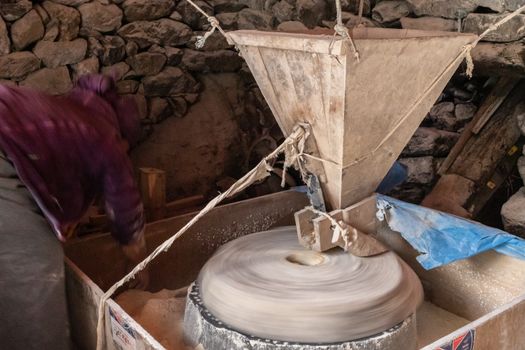
Anson Mills is more than just a farm; it's a culinary institution dedicated to reviving heirloom corn and heritage wheat varieties. Their commitment to traditional milling methods, using stone mills, results in flours with unparalleled flavor and texture.
Pro-Tip:
If you're a baker, attending one of their workshops is a must. You'll learn about traditional milling methods and the nuances of working with heritage flours.
- Insider Scoop: Their Carolina Gold rice is legendary, but their heritage corn grits are the stuff of Southern dreams.
- What to Expect: A deep dive into the history of Southern agriculture and the incredible versatility of ancient grains.
3. The Celtic Fields: The Old Grain Company (Scotland, UK)
In the rugged landscapes of Scotland, The Old Grain Company is dedicated to preserving ancient barley and heritage oats. Their focus is on traditional farming practices that are in harmony with the unique Scottish environment.
Pro-Tip:
Visit during harvest season (late summer/early autumn) to witness the fields at their most vibrant. The smell of drying grain is intoxicating.
- Insider Scoop: Their artisanal bread made with heritage oats offers a delightfully chewy texture and a subtle, nutty sweetness.
- What to Expect: Dramatic scenery, a deep connection to the land, and a taste of Scotland's agricultural roots.
4. The Iberian Heritage: Molino de Urdániz (Navarre, Spain)
While renowned for its Michelin-starred restaurant, Molino de Urdániz also champions heritage grains grown on their own farms. They are at the forefront of regenerative agriculture in the region, showcasing how sustainable agriculture can be both environmentally sound and gastronomically brilliant.
Pro-Tip:
Book a table at the restaurant for a true farm-to-table experience. The dishes are a testament to the extraordinary flavors of their heritage crops.
- Insider Scoop: Explore their gardens and fields to see ancient rice varieties and other forgotten crops being cultivated.
- What to Expect: Culinary artistry meets agricultural stewardship in a breathtaking setting.
5. The Andean Legacy: Quinoa and Amaranth Producers (Peru/Bolivia)
While not strictly 'farms' in the European sense, the communities in the Andes who cultivate ancient grains like quinoa and amaranth are guardians of millennia-old agricultural traditions. These heritage crops are vital to the local economy and culture.
Pro-Tip:
Consider a community-based tourism experience. Staying with local families offers a profound insight into their way of life and their relationship with these ancient foods.
- Insider Scoop: Learn about the traditional methods of harvesting and processing these nutrient-dense grains.
- What to Expect: High-altitude landscapes, vibrant indigenous cultures, and the pure, unadulterated taste of heritage crops.
Beyond the Fields: Immersive Experiences
A visit to an ancient grain farm is rarely just about looking at crops. These destinations offer a rich tapestry of activities that engage all your senses.
H3: The Art of Baking with Heritage Flours
Many farms offer baking workshops. You'll learn to knead dough that feels different, to understand the subtle nuances of heritage flours, and to bake loaves that carry the soul of the land. It’s a hands-on experience that connects you directly to the end product.
H3: Culinary Delights: Tasting the Past
From simple, rustic meals to gourmet experiences, the food is the star. Savor artisanal bread with locally produced olive oil, taste heritage corn in unique dishes, and discover the subtle sweetness of ancient rice. These are flavors that tell a story.
H3: Connecting with the Guardians of Heritage
The farmers themselves are the true treasures. Engaging with them, hearing their stories, and understanding their passion for preserving biodiversity is an enriching part of the journey. They are the custodians of our food heritage.
Quick Facts: Planning Your Heritage Grain Adventure
| Feature | Estimated Cost ($USD) | Best Time to Visit | How to Get There |
| :------------------ | :-------------------- | :----------------------------------------------- | :------------------------------------------------------------------------------- |
| Fattoria La Vialla | $150-300/night (agriturismo) | May-June (blooming), Sept-Oct (harvest) | Fly into Florence (FLR), then rent a car or take a train to Arezzo. |
| Anson Mills | Varies (workshops/tours) | Spring & Fall (mild weather) | Fly into Charleston (CHS), then drive. |
| The Old Grain Co. | $100-200/night (B&Bs) | July-August (peak growing season) | Fly into Edinburgh (EDI), then rent a car. |
| Molino de Urdániz | $200-500+/night (dining) | April-May (spring bloom), Sept-Oct (harvest) | Fly into Pamplona (PNA) or Bilbao (BIO), then rent a car. |
| Andean Communities| $50-150/day (homestays) | Dry season (May-Oct) for easier travel | Fly into Lima (LIM) or Cusco (CUZ), then domestic flights/buses/private transport. |
Note:
Costs are estimates and can vary significantly based on accommodation choices and activities.
The Future is in the Past: Why Experts Are Recommending These Farms
The experts aren't just recommending these farms for their unique produce; they're endorsing a vision for a more sustainable and flavorful future.
H3: Combating Food Monoculture
These farms are vital in the fight against the overwhelming dominance of a few crops. By cultivating heritage varieties, they contribute to a more resilient and diverse global food system.
H3: Supporting Local Economies and Rural Communities
Agriturismo and farm stays provide crucial income for rural areas, helping to sustain traditional farming practices and keep these precious heritage varieties alive.
H3: A Culinary Revolution
Chefs and food enthusiasts are rediscovering the incredible depth of flavor offered by ancient grains. This demand fuels the preservation efforts and inspires more farmers to explore heritage crops.
Your Invitation to Taste History
Stepping onto an ancient grain farm is more than just a trip; it's an immersion into a rich, flavorful history that nourishes both body and soul. It's a chance to connect with the land, understand the origins of our food, and savor tastes that have been passed down through generations. These are the destinations that experts are recommending for their authenticity, their contribution to preserving biodiversity, and their sheer deliciousness. So, pack your bags, open your palate, and prepare to be enchanted.