The Soulful Wanderer: Stepping into a World of Genuine Connection
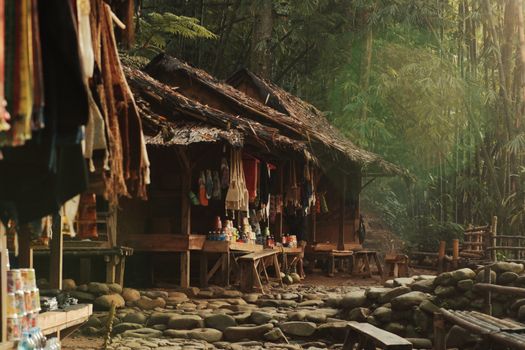
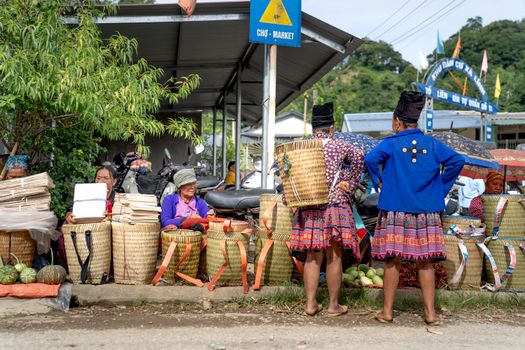
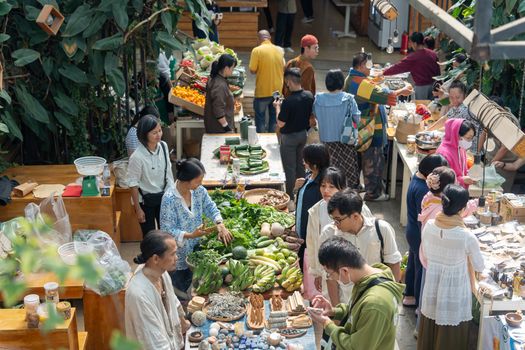
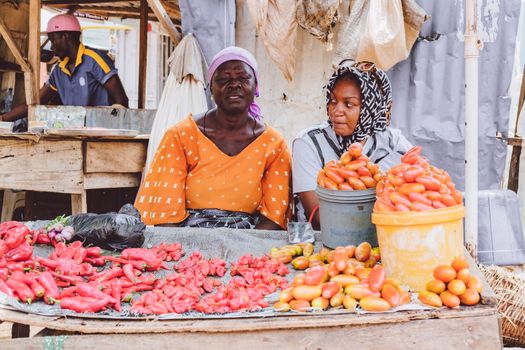
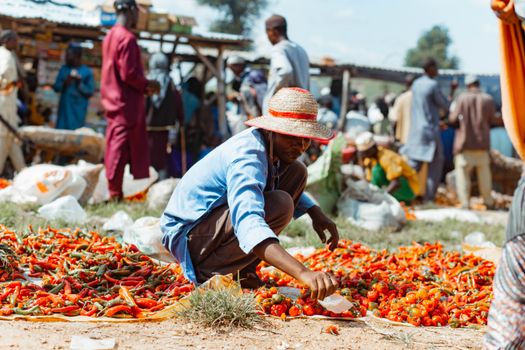
I stepped off the train in [Imagine a small, sun-drenched town, e.g., a Tuscan village, a coastal Indonesian fishing hamlet, a Andean mountain community] and was immediately enveloped by a symphony of life. The air, thick with the scent of [specific scent, e.g., freshly baked bread mingled with wild rosemary, salty sea spray and drying fish, woodsmoke and earthy spices], hummed with a gentle rhythm. Children’s laughter echoed from a nearby piazza, punctuated by the rhythmic clang of a blacksmith's hammer and the melodic calls of market vendors. This wasn't just a place; it was a living, breathing entity, and for the first time, I felt like I was truly part of it, not just observing from a distance. This is the magic of community tourism, and this year, it's not just a niche interest – it's the future of travel.
The Rise of the Conscious Traveler: Why 'Impact' is the New 'Instagrammable'
We’re past the era of superficial sightseeing. Today’s traveler, myself included, craves authenticity and meaning. We want to understand the ‘why’ behind a place, to connect with its people, and to leave it better than we found it. This shift has fueled the explosion of community tourism, a model where your travel dollars directly benefit the local population, empowering them, preserving their heritage, and fostering sustainable development. It’s about moving beyond ‘doing’ a destination to ‘being’ in it, contributing to its ongoing story.
Beyond the Brochure: Unpacking the Power of Community-Based Tourism
What exactly is community tourism? At its core, it’s travel that prioritizes the well-being and agency of local communities. This means supporting businesses owned and operated by locals, participating in activities that celebrate and preserve cultural traditions, and ensuring that tourism revenue stays within the community, creating jobs and economic opportunities.
Here’s how it works in practice:
- Homestays & Local Guesthouses: Forget sterile hotel rooms. Imagine waking up to the aroma of your host family’s breakfast, brewed with locally grown beans, or sharing stories over a communal dinner prepared with ingredients from their garden. These intimate settings offer unparalleled cultural immersion.
- Artisan Workshops & Skill Shares: Learn the ancient art of [specific craft, e.g., indigo dyeing in Japan, intricate wood carving in Bali, weaving traditional textiles in Peru] directly from the masters. You’re not just buying a souvenir; you’re investing in the preservation of a skill and supporting the livelihood of an artisan.
- Community-Led Tours & Experiences: Ditch the impersonal bus tours. Engage with local guides who possess an intimate knowledge of their land, its history, and its hidden gems. They’ll take you to secret waterfalls, share folklore passed down through generations, and introduce you to the heart and soul of their home.
- Agriturismo & Farm Stays: Immerse yourself in the rhythm of rural life. Participate in harvesting crops, learn about sustainable farming practices, and savor the freshest, most delicious food you’ve ever tasted, often prepared with ingredients picked just hours before.
Emerging Hotspots: Where Community Tourism is Flourishing This Year
While the concept of community tourism isn't new, its intentional implementation and accessibility are rapidly expanding. This year, several regions are truly shining, offering incredible opportunities for impactful travel.
1. The Sacred Valley, Peru: Weaving Tradition into Modernity
The Sacred Valley, often overshadowed by Machu Picchu, is a burgeoning hub for community tourism. Indigenous Quechua communities are increasingly opening their doors, offering authentic experiences that celebrate their rich heritage.
Pro-Tip:
Seek out homestay experiences in villages like Patacancha or Huilloc. Here, you can learn traditional weaving techniques directly from women who have been practicing them for centuries. The vibrant colors and intricate patterns tell stories of their ancestors and their connection to the Pachamama (Mother Earth).
- Insider Insight: Don't just buy a textile; understand the process. Ask about the natural dyes used (from plants, insects, and minerals) and the symbolism behind the motifs. The intricate pallay (patterns) are not just decorative; they represent everything from agricultural cycles to spiritual beliefs.
Quick Facts: Sacred Valley Community Tourism
| Category | Details | Estimated Cost ($) |
| :-------------- | :----------------------------------------------------------------------------------------------------- | :----------------- |
| Accommodation | Homestays, small community-run guesthouses | $20 - $60/night |
| Activities | Weaving workshops, guided hikes with local guides, traditional cooking classes, cultural performances | $30 - $100/day |
| Food | Mostly included in homestays, local eateries | $10 - $25/day |
| Best Time | April to October (dry season) | |
| How to Get There | Fly into Cusco (CUZ), then take a colectivo (shared van) or private taxi to towns like Urubamba or Ollantaytambo. | |
2. Flores Island, Indonesia: Beyond the Komodo Dragons
While Komodo National Park is a major draw, Flores is emerging as a destination where you can engage deeply with local cultures and support community-driven initiatives. The island is a mosaic of diverse ethnic groups, each with unique traditions and languages.
Pro-Tip:
Visit the traditional villages of Wae Rebo and Bena. Wae Rebo, a UNESCO World Heritage site, features iconic Mbaru Niang (cone-shaped houses) nestled in a misty mountain setting. Bena, an ancient megalithic village, offers a glimpse into ancestral worship and traditional animist beliefs.
- Insider Insight: When visiting these villages, arrive with respect and a small offering (often fruit or local snacks) for the elders. Engage with the community by participating in a ‘tea ceremony’ or a simple storytelling session. The nggela (traditional dance) performed in Bena is a powerful expression of their connection to the land and their ancestors.
Quick Facts: Flores Island Community Tourism
| Category | Details | Estimated Cost ($) |
| :-------------- | :----------------------------------------------------------------------------------------------------- | :----------------- |
| Accommodation | Basic guesthouses in villages, homestays (limited but growing) | $15 - $40/night |
| Activities | Village visits, trekking, traditional cooking demonstrations, attending local ceremonies (if available) | $25 - $75/day |
| Food | Simple, local fare (rice, vegetables, fish) | $5 - $15/day |
| Best Time | April to November (dry season) | |
| How to Get There | Fly into Labuan Bajo (LBJ) or Maumere (MOF) on Flores. Travel between villages is typically by shared car or motorbike taxi. | |
3. The Scottish Highlands: Crofting, Crafts, and Coastal Charm
The rugged beauty of the Scottish Highlands is undeniable, but beyond the dramatic landscapes lie communities actively working to preserve their Gaelic heritage and unique way of life. Crofting (small-scale subsistence farming) is still a vital part of the rural economy.
Pro-Tip:
Explore the Isle of Skye or the Outer Hebrides and seek out local croft tours or craft workshops. You might learn about sheep farming, traditional wool spinning, or even attend a ceilidh (traditional social gathering with music and dancing).
- Insider Insight: Look for businesses that explicitly state they are ‘community-owned’ or ‘social enterprises.’ These are often the most impactful. Don't be shy about striking up conversations with locals in pubs – they often have the best tips for hidden gems and authentic experiences. Ask about the stories behind local place names; they often hold centuries of history.
Quick Facts: Scottish Highlands Community Tourism
| Category | Details | Estimated Cost ($) |
| :-------------- | :----------------------------------------------------------------------------------------------------- | :----------------- |
| Accommodation | Croft stays, B&Bs, small inns, community-run hostels | $60 - $120/night |
| Activities | Croft tours, wool spinning workshops, guided historical walks, local food tasting, ceilidhs | $40 - $90/day |
| Food | Farm-to-table restaurants, local pubs, seafood shacks | $30 - $70/day |
| Best Time | May to September (longer daylight hours, milder weather) | |
| How to Get There | Fly into Inverness (INV) or Glasgow (GLA). Rent a car for the best flexibility, or use ScotRail trains and local buses. | |
4. Northern Portugal: The Heartbeat of the Douro Valley
While the Douro Valley is renowned for its port wine, its smaller villages and rural communities offer a more intimate and authentic experience. Here, you can connect with the people who have tended these terraced vineyards for generations.
Pro-Tip:
Stay at a ‘Quinta’ (wine estate) that offers accommodation and experiences beyond just wine tasting. Many are now family-run and prioritize showcasing their local culture, offering home-cooked meals using regional produce and guided walks through the vineyards.
- Insider Insight: Seek out opportunities to learn about ‘talha’ (traditional clay amphorae) winemaking, a method that’s seeing a resurgence. Engage with the ‘lavradores’ (farmers) and understand the challenges and joys of cultivating grapes on such steep, demanding terrain. The ‘Feira do Vinho’ (wine fair) in smaller towns is a fantastic place to sample local produce and meet producers.
Quick Facts: Northern Portugal Community Tourism
| Category | Details | Estimated Cost ($) |
| :-------------- | :----------------------------------------------------------------------------------------------------- | :----------------- |
| Accommodation | Quinta stays, rural guesthouses, small family-run hotels | $70 - $150/night |
| Activities | Vineyard tours & tastings, cooking classes featuring regional dishes, hiking, boat trips on the Douro | $40 - $100/day |
| Food | Quintas, local tascas (taverns), regional restaurants | $25 - $60/day |
| Best Time | March to October (spring for blooming vines, autumn for harvest) | |
| How to Get There | Fly into Porto (OPO). Take a train to towns along the Douro like Peso da Régua or Pinhão. | |
The Ripple Effect: How Your Travel Choices Make a Difference
Choosing community tourism isn't just about a more authentic vacation; it's a powerful act of conscious consumerism.
- Economic Empowerment: Your spending directly supports local businesses, creating jobs and providing a more stable income for families. This can help prevent rural depopulation and revitalize economies.
- Cultural Preservation: By engaging with and valuing local traditions, you help to keep them alive. This can include supporting traditional crafts, music, dance, and culinary heritage.
- Environmental Stewardship: Many community tourism initiatives are deeply intertwined with protecting natural environments. Local communities often have the most vested interest in sustainable practices.
- Building Bridges: Authentic interactions foster understanding and break down stereotypes. You leave with a deeper appreciation for a culture, and the community gains positive exposure and economic benefit.
Your Guide to Responsible Travel: Making the Most of Your Community Tourism Adventure
Ready to pack your bags and make a difference? Here are some practical tips to ensure your trip is both enriching and responsible.
Before You Go:
- Research Thoroughly: Look for organizations and tour operators that have a proven track record of working ethically with communities. Certifications like Fair Trade Tourism or B Corp can be good indicators.
- Learn a Few Local Phrases: Even a simple "hello" and "thank you" in the local language can go a long way in showing respect and building rapport.
- Pack Light and Smart: Consider bringing reusable items like water bottles and shopping bags to minimize your environmental footprint.
During Your Trip:
- Engage Authentically: Be curious, ask questions (respectfully!), and listen more than you speak. Show genuine interest in the people and their way of life.
- Support Local, Always: Prioritize buying from local artisans, eating at local restaurants, and using local guides.
- Respect Local Customs: Be mindful of dress codes, photography etiquette, and social norms. When in doubt, ask.
- Minimize Your Impact: Follow Leave No Trace principles, conserve water and energy, and avoid single-use plastics.
- Be Patient and Flexible: Things may not always run on a strict schedule. Embrace the slower pace and unexpected moments.
The Future is Local: Embracing Community Tourism
The allure of community tourism lies in its ability to offer a profound connection – a connection to place, to people, and to a more sustainable way of experiencing our world. This year, as we seek travel that nourishes our souls and benefits the places we visit, community tourism stands out as a beacon of hope and authenticity. It’s time to step off the beaten path and into the heart of communities, to discover the world’s hidden stories, and to be a part of a positive change, one incredible journey at a time.