Mushroom foraging draws many visitors to forest regions, where the seasonal appearance of fungi can transform a walk into a search for hidden treasures. The activity offers a close view of forest ecology, and it connects people with traditional food practices in many parts of the world. It also carries real risks. Several toxic species closely resemble edible ones, and some cause serious illness or death. Rules on collection also vary considerably between regions and protected areas. This guide explains how to approach mushroom foraging trips with caution, how to check local rules and why a qualified guide is often the safest way to begin.
Understanding the risks
Mushroom poisoning can be severe, and some species cause harm that is delayed for many hours, by which time the effects may be difficult to reverse. Identification depends on a combination of features, including the cap, gills or pores, stem, base, spore print, smell and habitat. Some features change with age and weather. Photographs alone are not reliable, and mobile applications may misidentify species. Many experienced foragers still consult a qualified expert before eating any fungus they are not fully certain about. Never assume that a mushroom is safe because insects or animals have eaten it.
Checking local rules
Foraging rules differ by country, region and land type. Some national parks, nature reserves and protected forests prohibit collecting fungi or other natural materials. Others allow personal harvesting within limits on quantity or species, and some require permits. Private land requires permission from the owner. Commercial collection often has separate rules. Check official park or forestry information before you go, and ask your guide what is permitted on the route. Local rules can change, so do not rely on older guidance.
Taking a guided walk
Guided walks are one of the best ways to begin. A knowledgeable guide can show you the key features of common species, explain how to separate edible fungi from dangerous look-alikes and describe the rules that apply to the area. Look for guides with clear training or experience, and ask about group size and the emphasis on safety. A good guide will say when a specimen cannot be identified and will discourage anyone from eating unverified finds. Guided walks also tend to teach habitat awareness, which helps beginners learn when and where to look.
Harvesting sustainably
Responsible harvesting protects fungal populations and the forest ecosystem. Cut mushrooms at the base with a knife rather than pulling them up, which can damage the mycelium. Take only what you need and leave young or very small specimens to mature. Avoid trampling vegetation and disturbing soil, and do not collect rare or protected species. Some foragers carry a basket rather than a plastic bag, so that spores can be dispersed as they walk. Keep wild harvests separate from any specimens you intend to identify, and label them clearly.
Preparing for a forest trip
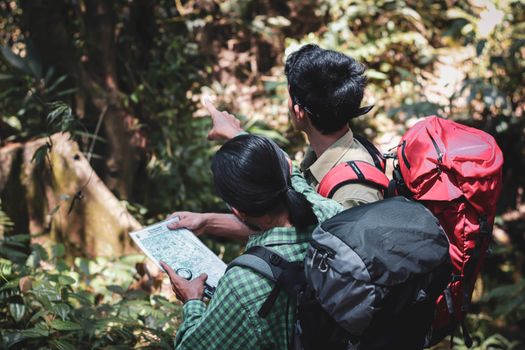
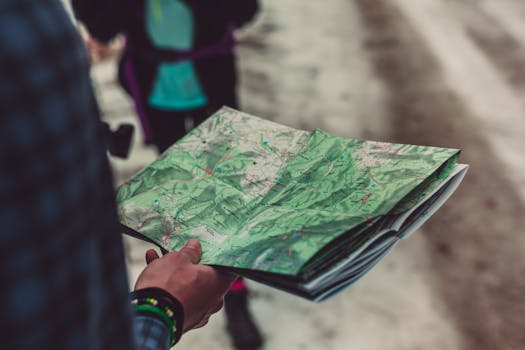
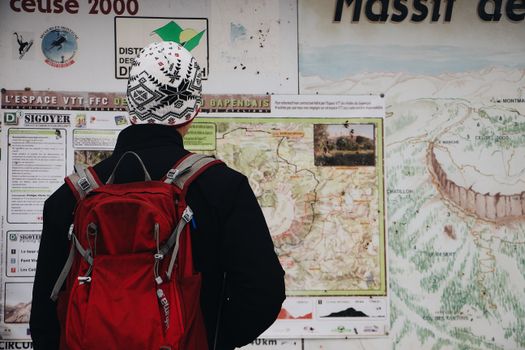
Forest walks can be muddy, cold or damp, and paths may be uneven. Wear sturdy footwear, bring waterproof layers, and carry water and food. Tell someone your plans and expected return time, particularly if you are walking alone. Mobile signal can be weak in forests, so download offline maps. Take a basic first-aid kit and know the nearest emergency access point. Keep a knife, gloves and a small field guide, and avoid unnecessary risks on wet or steep ground.
What to do if you feel unwell
If you think you have eaten a toxic mushroom or feel unwell after eating wild food, seek medical advice immediately. Contact emergency services if symptoms are serious. Keep any remaining specimens and take photographs or notes about where and when they were collected, as these details can help medical staff. Do not wait for symptoms to appear before seeking help, since some toxins act slowly.
Practical tips
Never eat a mushroom you have not identified with certainty. Check park and forestry rules before you go. Choose a guided walk if you are a beginner. Cut mushrooms cleanly and harvest only what you need. Carry a knife, basket, field guide and offline maps. Keep emergency contacts and the nearest medical facility in mind.
Who this suits and who it doesn't
Guided mushroom foraging in forest regions can suit visitors who enjoy learning from experts, who are prepared to take time to check each find and who appreciate the ecology of woodland. It often appeals to cooks and travelers interested in traditional food practices, provided they are happy to leave most finds uncollected until they are confident. It is less suitable for people who expect quick results, for those who cannot commit to learning identification over time, and for people who are walking alone in unfamiliar forest with limited phone signal. Children who may pick up or taste items without supervision need close attention on any walk. Visitors who prefer a leisurely hike with no collecting may still enjoy a forest trip, simply by viewing the fungi in place.
How to decide: a simple checklist
- Am I comfortable leaving any find uneaten if I cannot identify it with confidence?
- Have I confirmed what is permitted in this specific area and on this land?
- Is a qualified guide or society available for the species I hope to see?
- Can I manage the terrain, the weather and the distance without strain?
- Have I told someone where I will be and when I expect to return?
- Would I still enjoy the walk if I found nothing to collect?
If you answer no to several of these questions, a guided walk without collecting, or a visit at another time, may be the better choice.
Frequently asked questions
Can an app tell me whether a mushroom is edible?
Apps can be useful for learning, but they can misidentify species and cannot replace hands-on expert checking. Do not rely on an app alone before eating anything.
Are animals a reliable guide to safety?
No. Many animals eat foods that are toxic to people, so the fact that wildlife has nibbled a mushroom tells you nothing about whether it is safe for you.
What if I am not sure whether I have eaten something poisonous?
Seek medical advice immediately, even if you feel well, and contact emergency services if symptoms are serious. Keep a sample or photographs to help clinicians.
Mushroom foraging in forest regions can be a meaningful way to explore nature, but it asks for humility and careful preparation. Learning from a qualified guide, respecting local rules and harvesting with restraint help protect both people and forests. When uncertainty remains, the safest choice is to leave the mushroom where it grows.