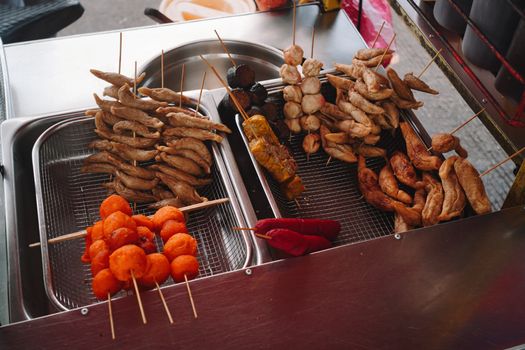
The aroma hit me first – a confusing mix of stale seafood, saccharine fruit, and a faint whiff of desperation. I was standing in what was supposed to be one of the world's most iconic food markets, La Boqueria in Barcelona, and frankly, I was underwhelmed. My initial excitement quickly turned to a familiar travel malaise: the "tourist trap" feeling. Overpriced fruit cups, pre-packaged ham, and endless selfie sticks dominated the scene, pushing out the local vendors and the authentic buzz I’d anticipated. It wasn’t the vibrant, chaotic, delicious heart of Barcelona I’d seen in glossy magazines; it was an Instagram backdrop, perfected for a quick snap and a quick buck.
That day, something shifted in my travel philosophy. I vowed to never again fall victim to the allure of the "famous" market without first doing my homework. My mission became clear: to seek out the real food markets, the ones bustling with locals, the ones where the flavors are as rich as the history, and the prices don't make your wallet weep. The ones Instagram influencers often don't want you to know about, because they require a little more effort, a little less polish, and a lot more genuine curiosity.
This isn't about shaming popular spots; it's about empowering you, the traveler, to make informed choices and truly connect with a destination through its food. So, let’s peel back the layers, sniff out the fakes, and uncover the glorious, messy, delicious truth about food markets worldwide.
The Allure of the Market: Why We Chase the Chaos
There’s something undeniably magnetic about a food market. It’s a sensory overload in the best possible way: the vibrant colours of fresh produce, the sizzling sounds of street food being prepared, the fragrant spices dancing in the air, the chatter of vendors and shoppers, the sheer energy of a community coming together over sustenance. It’s a microcosm of local life, a window into a culture’s culinary soul.
For me, a market isn't just a place to eat; it's an experience. It's where I learn about local ingredients, witness centuries-old cooking traditions, and often stumble upon the most heartwarming interactions. It’s where food isn’t just fuel, but a story, a heritage, a celebration. This deep desire for authentic connection is what drives us to these bustling hubs, but it's also what makes us vulnerable to clever marketing that transforms genuine culture into a commodified spectacle.
Spotting the Tourist Trap: Red Flags to Watch Out For
Before you even step foot inside, there are tell-tale signs that a market might be more of a show than a genuine local haunt. Learning to recognize these red flags will save you time, money, and culinary disappointment.
- The "Influencer Effect" Overload: If every stall seems perfectly curated for an Instagram shot, with neon signs, elaborate displays, and a line of people posing rather than eating, you're likely in a trap. Think: the aforementioned La Boqueria's €7 fruit cups, or the overly aesthetic (and often overpriced) acai bowls at some trendy spots. The focus shifts from the food's quality to its visual appeal.
- Language Barrier? What Language Barrier?: While English menus can be helpful, if everyone speaks fluent English and there are no signs of local language conversation among vendors and customers, it's a huge red flag. Locals usually frequent places where they can communicate easily.
- Homogenized Offerings: Do all the stalls sell essentially the same few "popular" dishes? Are there more souvenir shops than actual food vendors? Authentic markets thrive on variety and specialization. If every stall has "Paella!" or "Pad Thai!" written in five languages, be wary.
- Exorbitant Prices: This is the most obvious one. If a simple street snack costs more than a sit-down meal elsewhere in the city, you're being fleeced. Do a quick mental comparison with prices you've seen in local eateries.
- Lack of Locals: This is my golden rule. Scan the crowd. Are 90% of the people holding guidebooks or cameras? If you're struggling to spot a single local doing their daily shopping or grabbing a quick bite, it's a strong indicator that the market has pivoted to serve tourists.
- "Authentic" Performance Art: Some markets have become stages for "authentic" experiences that feel more like a performance. Think about Borough Market in London during peak hours – it's a fantastic market, but the sheer volume of tourists can sometimes overshadow the genuine experience, making it hard to navigate or find a true local interaction. The focus shifts from buying groceries to sampling and socializing, which isn't inherently bad, but it changes the dynamic.
The Quest for Authenticity: How to Find the Hidden Gems
Now for the good stuff! Finding the true culinary gems requires a bit more effort, a touch of courage, and a willingness to step off the beaten path. But trust me, the reward is immeasurable.
- Ask the Locals (The Right Way): Don't just ask your hotel concierge, who might steer you to a "safe" tourist spot. Ask a taxi driver, a shop owner in a non-touristy area, or even a local elderly person you strike up a conversation with. Phrase your question carefully: "Where do you go for fresh produce/street food?" or "Where's the best local market for everyday shopping?" not "Where's the famous market?"
- Go Early (or Late): Tourist traps are often at their busiest mid-day. Local markets often open at dawn for wholesale buyers and local shoppers, or come alive in the evening for dinner. Arriving early means you'll see the market in its natural rhythm before the crowds descend, and you might even snag the freshest goods.
- Venture Beyond the City Centre: Most major cities have several markets. The one closest to the main tourist attractions is almost always the most touristy. Look up markets in residential neighborhoods or slightly outside the central core. A quick Google Maps search for "Mercado [City Name]" or "Wet Market [City Name]" can reveal several options.
- Look for the Lines (of Locals!): This is a universal sign of good food. If you see a long line of locals patiently waiting at a particular stall, join it! Even if you don't know what they're serving, it's almost guaranteed to be delicious and authentic.
- Trust Your Senses: Does it smell good? Does the produce look vibrant and fresh? Are the vendors engaged with their customers? An authentic market has a distinct hum of activity and a symphony of inviting aromas.
- Seek Out Specialization: Hidden gems often specialize. You might find a market dedicated solely to seafood, or one famous for its spices, or another known for its specific regional dishes. These specialized markets are usually where the true experts and best quality reside.
Hidden Gems Unveiled: My Top Picks (and Why Influencers Might Skip Them)
These are some of my personal favorites, places where I’ve had truly unforgettable culinary experiences. They might not always be the most "Instagrammable" in the polished sense, but they are rich in flavor, culture, and authenticity.
- Mercado de San Juan, Mexico City, Mexico: Forget the glossy food halls; this market is an adventure. Known as "The Game Market," you'll find everything from venison and wild boar to crocodile, armadillo, and even lion meat (ethically sourced, they claim, for adventurous palates). But beyond the exotic, it's a fantastic place for fresh produce, gourmet cheeses, and tacos de chapulines (grasshopper tacos) from specific vendors. It's gritty, authentic, and utterly fascinating. You won't find perfectly posed influencer shots here; you'll find genuine culinary exploration. Expect to pay around 20-50 MXN (approx. $1-2.50 USD) for a unique taco.
- Or Tor Kor Market, Bangkok, Thailand: While Chatuchak Weekend Market gets all the hype (and is indeed massive and fun, but also very touristy), Or Tor Kor, located across from Chatuchak, is a different beast. It's renowned for its unbelievably high-quality produce, exotic fruits, fresh seafood, and ready-to-eat Thai dishes. It’s cleaner and more organized than some other local markets, but still overwhelmingly local. The prices are a bit higher than other local markets due to the premium quality, but still far below tourist traps. The food stalls here are incredible, serving up authentic curries, noodle dishes, and desserts. Influencers might skip it because it’s not as "chaotic" or "gritty" as some expect from a Thai market, and the focus is truly on the food, not the 'vibe'. A full meal might cost 60-120 THB (approx. $1.70-3.50 USD).
- Testaccio Market, Rome, Italy: While Campo de' Fiori is beautiful for flowers, Testaccio is where Roman locals go for their groceries and lunch. Located in the working-class Testaccio neighborhood, this modern, covered market is packed with incredible food stalls. You can find everything from traditional Roman pasta dishes at Mordicchio to gourmet sandwiches at Mordi e Vai (try the allesso di bollito – boiled beef with chicory). It’s vibrant, loud, and full of genuine Roman life. It's a bit out of the immediate tourist zone, which keeps it authentic. Influencers might find it less "picturesque" than a crumbling ancient market, but the food is infinitely better. Expect street food prices, around €5-10 for a substantial meal.
- Djemaa el-Fna (at night), Marrakech, Morocco: Okay, this one is famous, but specifically at night it transforms from a tourist spectacle into a truly magical, chaotic open-air restaurant. The daytime is more performance-driven, but as the sun sets, hundreds of food stalls appear, each with its own speciality. Look for the stalls with the longest lines of locals – often serving harira soup, grilled meats, tagine, or tanjia. It’s an immersive experience of sights, sounds, and smells. It’s loud, sometimes overwhelming, but undeniably authentic once you navigate past the initial hawkers. The sheer chaos and lack of polished "aesthetic" might deter some influencers focused on curated shots. A filling dinner can be had for 30-70 MAD (approx. $3-7 USD).
- Tsukiji Outer Market, Tokyo, Japan: While the inner wholesale fish market moved to Toyosu, the Tsukiji Outer Market remains a vibrant, bustling hub for fresh seafood, produce, kitchenware, and incredible street food. It’s less about the "fish auction" and more about the incredible culinary offerings. Look for the grilled scallops, fresh uni (sea urchin) on the half-shell, tamagoyaki (rolled omelets), and various donburi (rice bowls) from small, unassuming stalls. It's crowded, but with a purpose – serious eating. Influencers might lament the lack of the "iconic" fish auction, but the food here is the real star. Street food items range from 300-1500 JPY (approx. $2-10 USD).
Beyond the Plate: Immersive Market Experiences
A true market experience isn't just about what you eat; it's about what you feel.
- Engage with Vendors: Even if you don't speak the language, a smile and a few polite words (e.g., "hello," "thank you," "delicious") can go a long way. Many vendors are proud of their produce or dishes and love to share a bit about them.
- Watch the World Go By: Find a small stool or a quiet corner, grab a local snack, and just observe. Watch the interactions, the bartering, the daily rituals. It’s an informal anthropology lesson.
- Shop for More Than Food: Many local markets also sell clothing, household goods, flowers, and crafts. Exploring these sections can give you a broader sense of local life and provide unique, non-touristy souvenirs.
- Take a Cooking Class: Often, local cooking classes will start with a trip to a nearby market to source ingredients. This is a fantastic way to learn about local produce from an expert and gain confidence in navigating unfamiliar markets.
Master the Market: Practical Tips for Every Traveler
To truly conquer any food market, whether it's a well-known spot or a hidden gem, keep these tips in mind:
- Bring Cash (Small Denominations): Many local vendors prefer or only accept cash. Small bills make transactions smoother and are essential for bargaining (if applicable).
- Go Hungry (But Not Starving): You want to sample widely, so don't fill up too quickly. But being ravenous might make you less discerning.
- Be Adventurous: Try things you don't recognize. Ask what it is (point and smile if there's a language barrier). You might discover your new favorite dish.
- Mind Your Hygiene: While street food is generally safe, observe basic precautions. Look for stalls with high turnover, where food is cooked fresh in front of you, and where surfaces look relatively clean. Carry hand sanitizer.
- Bargain Respectfully (Where Appropriate): In many Asian, African, and Middle Eastern markets, bargaining is expected for non-food items. For food, especially cooked street food, prices are usually fixed. If you're buying produce in bulk, a little polite negotiation might be possible, but always do so with a smile and respect.
- Dress Comfortably: You'll be doing a lot of walking, standing, and potentially navigating crowded spaces. Wear comfortable shoes and layers.
- Be Mindful of Your Belongings: Markets can be crowded, so keep your wallet and valuables secure.
- Carry Reusable Bags/Containers: For fresh produce or takeaways, this is eco-friendly and practical.
Why Influencers Don't Want You To Know (The Real Reason)
The phrase "Influencers don't want you to know" isn't entirely literal, but it speaks to a subtle truth. Many influencers, especially those focused on aesthetics and quick engagement, gravitate towards what's visually striking, easily accessible, and often, well-funded.
- The "Aesthetic" Factor: Hidden gems are often gritty, real, and less "polished." They might not have the perfect lighting, the trendy decor, or the clean backdrop for that viral shot. They prioritize flavor and authenticity over visual perfection.
- Effort vs. Reward: Finding these hidden gems takes effort – research, asking locals, venturing further out. For an influencer on a tight schedule, it's often easier (and more profitable) to visit a well-known, established, and potentially sponsored spot.
- Maintaining the "Secret": Some influencers might genuinely discover these spots but choose not to widely publicize them to avoid contributing to over-tourism and preserve the authenticity they initially found.
- Sponsored Content: Let's be real, some "recommendations" are paid promotions. Hidden, local gems aren't usually paying for features.
Ultimately, the best food experiences are often found when you follow your nose, trust your instincts, and prioritize genuine connection over curated content.
Your Culinary Adventure Awaits!
The world is a delicious place, brimming with incredible food markets waiting to be discovered. Don't let the fear of tourist traps deter you from diving headfirst into the local culinary scene. Use these tips, embrace the adventure, and prepare your taste buds for an unforgettable journey.
The next time you're planning a trip, look beyond the glossy travel guides and the perfectly filtered Instagram feeds. Ask a local, wander a little further, and you might just stumble upon the most authentic, delicious, and memorable meal of your life. And when you do, don't just snap a photo – savor every single bite.
What are your favorite hidden gem food markets? Share your secrets and help fellow travelers find their next authentic culinary adventure in the comments below!
---