Remote Farm-to-Table: How These Meals Changed My Life Forever
There was a time when my relationship with food was, well, transactional. A quick grab-and-go, a convenient delivery, a hurried meal between flights. I was a travel blogger constantly on the move, chasing sunsets and passport stamps, but somewhere along the way, I lost the story behind what I was eating. My plates were pretty, Instagrammable even, but they often lacked soul.
Then came the epiphany. It wasn't in a Michelin-starred restaurant or a bustling street market. It was deep in the Umbrian countryside, surrounded by olive groves and the scent of wild herbs, at a small, family-run agriturismo. That first bite of hand-rolled pasta, tossed with tomatoes picked hours before and basil from a pot just outside the kitchen window, wasn't just delicious – it was a revelation. It tasted of sunshine, earth, and generations of love. It tasted of connection.
That day, my travel philosophy shifted. I began seeking out experiences where food wasn't just fuel, but a gateway to understanding a place, its people, and its rhythms. I discovered that the most profound culinary journeys often happen not in urban centers, but in the world’s quiet, remote corners – places where farm-to-table isn't a buzzword, but simply life. These are the experiences that didn't just satisfy my hunger; they changed my life forever.
The Epiphany: A Taste of Umbria's Soul
My first truly transformative farm-to-table experience happened almost by accident. I was burnt out from a whirlwind European tour, craving a slower pace. I booked a stay at Agriturismo Le Vedute, a modest, stone-walled farmhouse nestled in the rolling hills near Orvieto, Italy. There was no Wi-Fi in the rooms (a blessing in disguise), and the nearest town was a winding 20-minute drive away.
Dinner was served communally on a long wooden table, under a canopy of grapevines. Mama Giulia, with flour perpetually dusted on her apron, brought out dish after dish. There was pappardelle al cinghiale (wild boar ragu) sourced from a hunter just down the road, vibrant green olive oil pressed from their own trees, and a salad bursting with flavors from their garden – rocket, heirloom tomatoes, and crisp cucumbers still warm from the sun. The wine, of course, was homemade.
The cost for a night, including breakfast and a magnificent multi-course dinner, was around €120-€180 per person, depending on the season. But the value was immeasurable. As I shared stories and laughter with fellow travelers and the family, I realized this wasn't just a meal; it was an immersion. Every ingredient had a story, every dish a history. I wasn't just eating food; I was tasting the Umbrian landscape, its culture, and the unwavering dedication of people who lived in harmony with the land. It taught me that real luxury isn't about extravagance, but about authenticity and connection.
Beyond the Plate: Stories from Patagonia's Estancias
My next journey took me to the wild, windswept landscapes of Patagonia, Argentina. Here, "farm-to-table" took on a different, more rugged meaning. I stayed at Estancia Huechahue, a working cattle ranch near San Martín de los Andes. This wasn't a fancy resort; it was a genuine, lived-in place where gauchos still rode horses and the rhythm of life was dictated by the seasons and the livestock.
The food here was hearty, honest, and utterly delicious. The star, naturally, was the beef – grass-fed, free-range, and cooked to perfection over an open fire in the traditional asado style. I spent an afternoon with the ranch cook, learning how to prepare empanadas with freshly minced beef, onions, and spices. I watched as vegetables from their small, protected garden – potatoes, carrots, squash – were transformed into comforting stews.
A stay at an estancia like Huechahue typically costs between $150-$250 per night, all-inclusive (meals, some activities). What I gained was an incredible appreciation for the journey from pasture to plate. I saw the cattle roaming vast landscapes, learned about sustainable ranching practices, and understood the immense effort that went into producing each tender cut of meat. It wasn't just about the taste; it was about respecting the animal, the land, and the hands that brought it to the table. This experience instilled in me a deeper understanding of ethical eating and the true cost of food.
The Wild & Wonderful: Foraging and Flavors in Slovenia's Karst
Slovenia, a hidden gem often overshadowed by its flashier neighbors, proved to be a treasure trove of remote culinary wonders. I found myself in the Karst region, a land of limestone plateaus, ancient villages, and incredible natural beauty. Here, I discovered Domačija Majerija, a family-run guesthouse and restaurant celebrated for its innovative take on traditional Slovenian cuisine, deeply rooted in foraging and local sourcing.
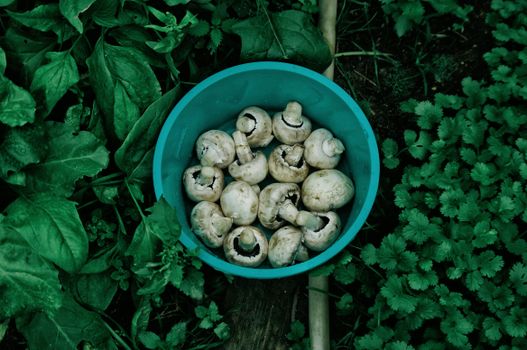
Chef Matej, a passionate advocate for wild edibles, took me on a morning foraging trip through the surrounding forests and meadows. We collected wild garlic, elderflower, nettles, and various mushrooms, each with a story and a specific flavor profile. Back in his kitchen, I watched him transform these ingredients into dishes that were both rustic and refined. A nettle soup so vibrant it tasted like spring itself, trout from a nearby river served with wild herb pesto, and a dessert infused with elderflower.
The tasting menu, a multi-course journey through the Karst landscape, was around €60-€80 per person, and worth every cent. It was more than just a meal; it was an education in terroir and seasonality. It opened my eyes to the incredible biodiversity of the natural world and how skilled hands can turn nature's bounty into edible art. This experience made me a more adventurous eater and a more conscious consumer, always seeking out the wild and wonderful flavors unique to each place.
The Art of Slow Living: Zen and Sustenance in Rural Japan
Japan is renowned for its culinary precision, but beyond the bright lights of Tokyo, I found profound farm-to-table experiences in its remote, rural areas. One such place was a traditional ryokan (inn) in the mountains of Hokkaido, near the small town of Biei, known for its picturesque rolling hills and flower fields. This particular ryokan specialized in kaiseki dining, where every ingredient was sourced from their own farm or local producers.
My stay, costing around ¥15,000-¥25,000 ($100-$170 USD) per night, included an elaborate multi-course dinner and breakfast. What struck me was the meticulous attention to detail, not just in preparation, but in the entire philosophy. I spent a morning helping the farmer harvest pristine Hokkaido potatoes and sweet corn, feeling the rich volcanic soil between my fingers. Later, I observed the chef carefully selecting each vegetable, emphasizing freshness and balance.
The kaiseki meal was a symphony of flavors, textures, and colors, each small dish a work of art. Sashimi from fish caught that morning, tempura made with seasonal vegetables, and rice so perfectly cooked it shone. But it was the quiet reverence, the slow pace of the meal, and the understanding of where every single component came from, that truly resonated. This journey taught me the profound beauty of slow living and the meditative quality of food when approached with respect and mindfulness. It wasn't just about eating; it was about experiencing the spiritual connection to nature and tradition.
From Tourist to Steward: How These Experiences Changed Me
These remote farm-to-table adventures weren't just memorable meals; they were pivotal moments that fundamentally reshaped my perspective on travel, food, and life itself.
- I became a more conscious eater: I started asking questions – where does this come from? How was it grown? Who made it? My grocery list now prioritizes local, seasonal, and ethically sourced ingredients. I've even started a small herb garden on my balcony, finding immense satisfaction in growing my own basil and mint.
- My cooking changed: I'm more adventurous with ingredients, less reliant on recipes, and more attuned to the natural flavors of food. I find myself experimenting with fermentation, pickling, and preserving, inspired by the traditions I witnessed.
- Travel became deeper: I now seek out immersive experiences over superficial sightseeing. I look for opportunities to connect with local communities, learn traditional crafts, and understand the agricultural heart of a region. It's no longer just about seeing a place; it's about living it, even if just for a few days.
- A renewed sense of gratitude: Every meal, whether simple or elaborate, now comes with a deeper appreciation for the farmers, the land, and the incredible effort that goes into nourishing us. It's a reminder of our interconnectedness with the natural world.
- A commitment to sustainability: Witnessing firsthand the dedication to sustainable practices in these remote farms has fueled my desire to support eco-friendly initiatives and reduce my own environmental footprint, both in travel and daily life.
These aren't just food stories; they're stories of connection – to the earth, to tradition, and to the fundamental human act of sharing sustenance.
Your Own Remote Culinary Journey: Practical Tips & How-To
Inspired to embark on your own life-changing farm-to-table adventure? Here's how you can make it happen:
- Research is Key (and Fun!):
- Start with Regions: Look for areas known for agritourism, like Tuscany/Umbria in Italy, Provence in France, or regions with strong agricultural traditions.
- Seek Out "Slow Travel" Resources: Websites and blogs dedicated to sustainable and authentic travel often highlight these types of experiences.
- Use Specific Keywords: Search for "agriturismo," "farm stay," "eco-lodge with farm," "community farm retreat," "rural culinary experience" + your desired region.
- Check Local Tourism Boards: Smaller, regional tourism boards often have lists of certified farm stays or culinary tours.
- Booking and Logistics:
- Book in Advance: Especially for popular or small, family-run places, spots can fill up quickly.
- Confirm Inclusions: Always clarify what's included – meals, activities (farm tours, cooking classes), transportation.
- Ask About Dietary Needs: While many remote farms are accommodating, it's crucial to communicate any dietary restrictions well in advance.
- Consider Transportation: Remote locations often require a rental car. Check if transfers are available or if public transport is an option (though often limited).
- What to Expect & How to Prepare:
- Embrace the Simplicity: These aren't five-star hotels. Expect rustic charm, simple amenities, and a focus on authentic experiences.
- Pack Appropriately: Comfortable shoes for walking, layers for varying weather, and perhaps a journal to jot down your culinary discoveries.
- Be Open and Engaged: The best experiences come from genuine interaction. Ask questions, offer to help (if appropriate), and share your own stories.
- Disconnect to Reconnect: Many remote locations have limited or no Wi-Fi. See this as an opportunity to truly unplug and be present.
- Budget for Experiences: While some farm stays are budget-friendly, others offering extensive culinary programs or unique locations might be mid-to-high range. Consider it an investment in an unforgettable experience.
- Be a Respectful Traveler:
- Support Local: Buy produce or crafts directly from the farm or local markets.
- Minimize Your Impact: Be mindful of water and energy usage, and pack out what you pack in.
- Learn a Few Local Phrases: A simple "hello," "thank you," and "delicious" goes a long way.
These journeys are more than just vacations; they're invitations to slow down, connect, and rediscover the profound joy of eating well, eating consciously, and living authentically. They are the meals that changed my life, and I truly believe they have the power to change yours too.
So, are you ready to trade the bustling city for the quiet hum of a working farm? To taste the landscape, meet the hands that feed you, and embark on a culinary adventure that nourishes not just your body, but your soul? Your next life-changing meal is waiting, somewhere off the beaten path. Go find it.
---