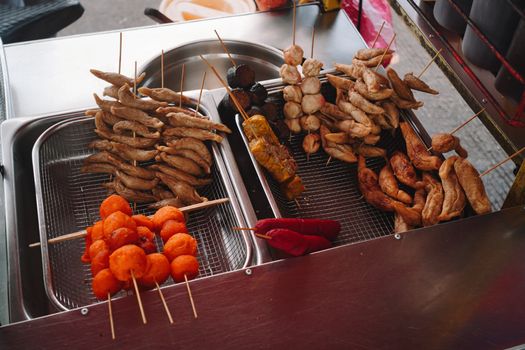
The Scent of Adventure: Unmasking the World's Best (and Worst) Food Markets
The air hums with a thousand stories. The scent of exotic spices dances with the sweetness of ripe fruit and the sizzle of something utterly delicious. This, my friends, is the magic of a food market – a sensory explosion that promises a direct portal into the soul of a destination. For me, a travel blogger constantly chasing authenticity, food markets aren't just places to eat; they're living museums, vibrant community hubs, and the ultimate classroom for understanding a culture.
I still remember my first proper market experience in Southeast Asia. I was a wide-eyed newbie, lured by the bright lights and bustling energy of what I thought was an authentic local spot. I ended up paying triple the local price for a mediocre bowl of noodles, surrounded by more tourists than locals, and left feeling... well, a bit foolish. It was a beautiful market, sure, but it felt like a stage performance rather than real life.
Fast forward a few years, and a seasoned local friend in Rome dragged me through a maze of backstreets to a market I'd never heard of. There, amidst the boisterous chatter of vendors and the aroma of freshly baked bread, I found a little stall selling the most incredible, melt-in-your-mouth porchetta sandwich I've ever tasted. It cost me a fraction of what I'd paid for those noodles, and the memory of that sandwich, that market, and the genuine smiles of the people around me, is etched into my soul.
This, dear reader, is the tale of two markets. One, a polished, slightly inauthentic show; the other, a raw, vibrant, utterly genuine experience. And it's precisely this distinction that I want to help you master. Because while some food markets are indeed glorious tourist traps – beautiful to look at, but lacking in soul and value – others are hidden gems waiting to offer you the meal of a lifetime. Let's dive in.
The Allure & The Illusion: Why We Fall for the Traps
There's an undeniable romance to the idea of a bustling foreign market. We envision ourselves haggling playfully with charming vendors, discovering exotic fruits, and sampling street food masterpieces. Travel guides often highlight famous markets as "must-sees," and for good reason – they are often centrally located, visually stunning, and offer a convenient one-stop shop for a taste of local life.
However, convenience often comes at a cost – literally. Many markets, once authentic local hubs, have become victims of their own success. As tourist footfall increases, so does the temptation for vendors to cater specifically to this demographic. This can lead to:
- Inflated Prices: The "tourist price" is a real thing.
- Generic Offerings: Less focus on unique local produce and more on souvenirs or dishes palatable to a broader, less adventurous palate.
- Loss of Authenticity: The genuine local buzz is replaced by a more commercial, sometimes pushy, atmosphere.
- Overcrowding: Navigating can become a chore rather than a pleasure.
It’s not to say these markets are bad per se. Many are still beautiful and offer a great photo opportunity. But if your goal is genuine culinary immersion and value, you need to develop a keen eye.
Spotting the Tourist Trap: Your Culinary Compass
Before you even step foot into a market, here are some red flags and practical tips to help you discern a tourist trap from a true local haunt:
- The English Menu Overload: If every stall has a laminated menu with pictures and descriptions exclusively in English (especially in non-English speaking countries), proceed with caution. A few English translations are fine, but an abundance suggests a primary focus on tourists.
- Lack of Locals: This is your golden rule. Are the majority of people shopping and eating here locals going about their daily lives, or are they fellow travelers with cameras around their necks? If it's the latter, you're likely in a trap.
- Aggressive Touting: Vendors aggressively calling out to you, trying to pull you into their stall, or being overly pushy with samples are often signs of a market that prioritizes quick tourist sales over genuine relationships with regular customers.
- Souvenirs Mixed with Food: While some markets naturally blend crafts with food, if you see more "I ❤️ [City]" t-shirts, mass-produced magnets, and generic trinkets than fresh produce or raw ingredients, it’s a warning sign.
- No Visible Prices: This is a huge red flag. If prices aren't clearly displayed, it often means they're subject to negotiation – and you, as a tourist, will almost certainly be quoted a higher price.
- "Authentic" Performance Art: Be wary of markets where everything feels a little too perfect, a little too staged, or where vendors are performing for cameras rather than genuinely working.
A Case Study in Caution: La Boqueria, Barcelona.
Once a vibrant local market, La Boqueria on Las Ramblas is now, for the most part, a glorious tourist trap. It's visually stunning, bursting with colorful fruit juices, elaborate seafood displays, and tempting tapas. However, the prices are astronomical compared to other Barcelona markets, it's perpetually shoulder-to-shoulder with tourists, and many stalls have pivoted from selling raw ingredients to ready-to-eat, often overpriced, tourist-centric food. While beautiful for a quick photo, for a true taste of Barcelona, you're better off heading elsewhere.
The Hidden Gem Defined: What Makes a Market Truly Authentic?
So, what makes a market a true hidden gem, a place worth seeking out? It's where the heart of the community beats strongest, where culinary traditions are preserved, and where you can genuinely connect with local life.
Look for these markers of authenticity:
- Local Patrons: The vast majority of shoppers are locals buying their daily groceries, chatting with vendors they clearly know well.
- Fresh, Seasonal Produce: Stalls overflowing with fruits, vegetables, meats, and seafood that are clearly in season and sourced locally.
- Fair, Transparent Prices: Prices are clearly marked, and they align with local cost of living.
- Specialized Stalls: Vendors focusing on one or two specific items they excel at, whether it's a particular type of cheese, bread, or a regional delicacy.
- Community Vibe: A sense of easygoing camaraderie, friendly banter, and an unhurried pace.
- Unique Regional Specialties: Dishes and ingredients you won't find anywhere else, reflecting the distinct culinary heritage of the area.
- Sensory Overload (the good kind): The genuine smells of fresh ingredients, cooking food, and the local dialect filling the air.
These are the places where you'll find the most delicious, memorable, and often budget-friendly meals of your trip.
Unearthing the Gems: My Top Picks (and how to find yours!)
Let me share some of my all-time favorite hidden gems, complete with the specific details that make them so special. Use these as inspiration, but remember, the real adventure is in finding your own gems!
1. Or Tor Kor Market, Bangkok, Thailand
- What makes it a gem: While Chatuchak weekend market is famous (and a bit of a trap for food, though great for shopping), Or Tor Kor (pronounced "Or Taw Kaw") is its sophisticated, local cousin. Located just across the road from Chatuchak, it's an indoor market renowned for its incredibly high-quality, often organic, produce, rare fruits, and immaculately prepared Thai delicacies. You'll see Bangkok's affluent locals shopping here. It's clean, well-organized, and offers an unparalleled culinary experience.
- What to experience:
- Tropical Fruit Paradise: Seriously, the variety and quality of mangoes, durian (if you dare!), mangosteens, and rambutan here are second to none. Prices are slightly higher than street vendors, but the quality justifies it.
- Ready-to-Eat Delights: A fantastic food court area with stalls selling everything from perfectly grilled pork skewers (Moo Ping) and spicy Papaya Salad (Som Tum) to exquisite curries and traditional Thai desserts (Kanom Thai). Don't miss the fresh coconut ice cream.
- Exotic Ingredients: Explore stalls selling fresh seafood, unique herbs, and spices that will make any home cook drool.
- Approximate Prices: A full meal in the food court might cost you 80-150 THB ($2.50-$5 USD). Fruits vary widely but expect to pay 50-200 THB for a good portion.
- How to get there: Take the MRT to Kamphaeng Phet station (Exit 3). It’s right there!
- Why it's Instagram-worthy: The vibrant colors of the fruits, the perfectly arranged food stalls, and the general cleanliness make for stunning photos without feeling staged.
2. Mercato di Testaccio, Rome, Italy
- What makes it a gem: Tucked away in the working-class Testaccio neighborhood, this modern, covered market is a testament to Rome's enduring culinary traditions. It's a true local market where Romans shop for their daily needs, and the food stalls are run by passionate vendors who have often been there for generations. It’s authentic, bustling, and less touristy than Campo de’ Fiori.
- What to experience:
- The Best Roman Street Food: Seek out Mordicchi e Fuggi (Box 15) for incredible Roman street food like Trapizzino (a pizza pocket filled with various Roman stews like oxtail or meatballs).
- Fresh Pasta and Produce: Stroll through stalls selling fresh, handmade pasta, local cheeses, cured meats, and seasonal vegetables. This is where Romans truly shop.
- Local Delicacies: Try supplì (fried rice balls), artisanal bread, and incredible porchetta sandwiches.
- Coffee & Community: Grab an espresso at one of the small bars and soak in the lively atmosphere, listening to the rapid-fire Italian chatter.
- Approximate Prices: A Trapizzino is around €4-5. A hearty porchetta sandwich might be €6-8. A coffee is €1-1.50. Excellent value!
- How to get there: Take the Metro B line to Piramide, then it's about a 10-15 minute walk. Or take a bus (e.g., 75, 30, 23) to Testaccio.
- Why it's Instagram-worthy: The rustic charm, the vibrant displays of fresh produce, and the candid shots of locals enjoying their food capture the true essence of Roman life.
3. Mercado de San Juan, Mexico City, Mexico
- What makes it a gem: This isn't your average fruit-and-veg market. Mercado de San Juan is famous for its exotic meats and gourmet ingredients, attracting chefs and adventurous foodies alike. While it has gained some popularity, it remains a genuine local institution, offering a glimpse into Mexico's diverse culinary landscape that goes beyond tacos and tamales.
- What to experience:
- Exotic Meats: Prepare to be amazed (or slightly shocked) by stalls selling lion, deer, crocodile, wild boar, armadillo, and even insects like escamoles (ant larvae) and chapulines (grasshoppers). It's a unique cultural experience, even if you don't partake.
- Gourmet Delights: Beyond the exotic, you'll find high-quality cheeses, cured meats, fresh seafood, and specialty produce that often supply the city's top restaurants.
- Street Food with a Twist: Many stalls offer prepared dishes incorporating these unique ingredients. Try a crocodile taco or a wild boar torta if you're feeling brave!
- Artisanal Products: Look for small producers selling local honeys, moles, and other regional specialties.
- Approximate Prices: Exotic meat tacos can range from 80-150 MXN ($4-8 USD) depending on the meat. Regular market goods are very affordable.
- How to get there: It's located in the historic center, a short walk from the Zócalo or República del Salvador Metro stations.
- Why it's Instagram-worthy: The sheer audacity of the exotic meats, the vibrant colors of the produce, and the unique cultural immersion make for compelling and shareable content.
Your Treasure Map: Practical Tips for Market Exploration
Now that you know what to look for, here's how to maximize your market experience:
- Go Early (or Late): Arrive when vendors are setting up for the freshest produce and fewer crowds. Alternatively, going late (just before closing) can sometimes yield discounts on perishable items.
- Learn Key Phrases: Even a few words like "Hello" (Hola/Sawadee), "Thank you" (Gracias/Khob Khun Ka), "How much?" (¿Cuánto?/Tao Rai?), and "Delicious!" (¡Delicioso!/Aroy Mak!) can make a huge difference in connecting with vendors.
- Carry Small Local Currency: Many stalls won't have card machines, and breaking a large bill for a small purchase can be inconvenient.
- Observe Before You Buy: Take a full lap (or two!) of the market before committing to a purchase. See where the locals are eating, what looks freshest, and compare prices.
- Be Adventurous (but Safe): Try new things! Ask for recommendations. But also, trust your gut. If something looks like it's been sitting out too long or isn't being handled hygienically, politely decline.
- Don't Be Afraid to Walk Away: If a vendor is overly pushy or the price seems too high, it's perfectly acceptable to say "no thank you" and move on.
- Bring Your Own Reusable Bag: Many markets are trying to reduce plastic waste, and it's always handy to have a sturdy bag for your delicious finds.
- Ask a Local: The absolute best way to find a hidden gem is to ask a local! Your hotel concierge, hostel staff, or even a friendly shopkeeper can point you to their favorite, lesser-known market. This personal recommendation is gold.
- Engage with Vendors: A genuine smile and a bit of curiosity can open doors. Ask about their produce, their family, or their favorite way to prepare a dish. These interactions are often the most memorable part of the experience.
The Unforgettable Feast: Why It Matters
Food markets, at their heart, are about more than just sustenance. They are about connection – to the land, to the culture, and to the people who cultivate and prepare the food that nourishes a community. By seeking out the hidden gems, you’re not just getting a better meal; you’re supporting local economies, preserving traditions, and gaining a deeper, more authentic understanding of the place you’re visiting.
The memories I cherish most from my travels aren't from fancy restaurants, but from the simple, honest flavors I've discovered in these bustling, vibrant hubs. The warmth of a freshly baked pastry from a tiny stall in Rome, the fiery kick of a curry from a Bangkok market, or the thrill of trying an exotic fruit for the first time in Mexico City – these are the moments that truly enrich a journey.
So, on your next adventure, arm yourself with curiosity, a few local phrases, and this guide. Ditch the well-trodden paths and dive into the true heart of local cuisine. You might just discover your own unforgettable hidden gem.
---
What's your favorite food market discovery? Share your hidden gems and market tips in the comments below! Let's inspire each other's next culinary adventure!