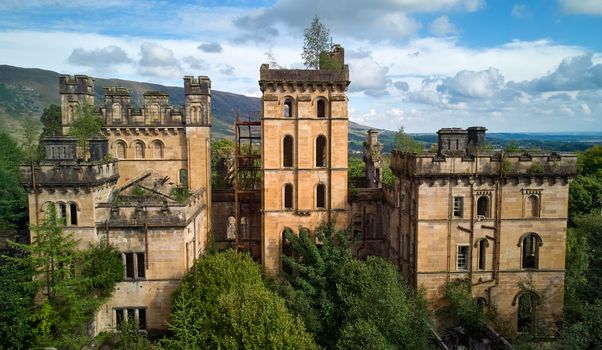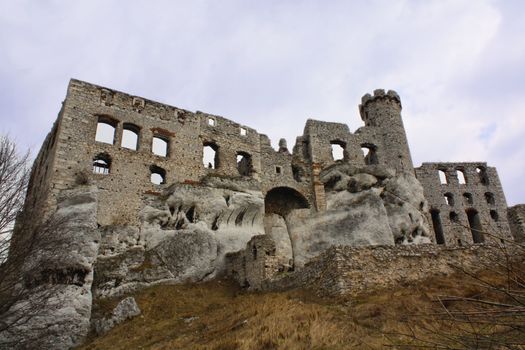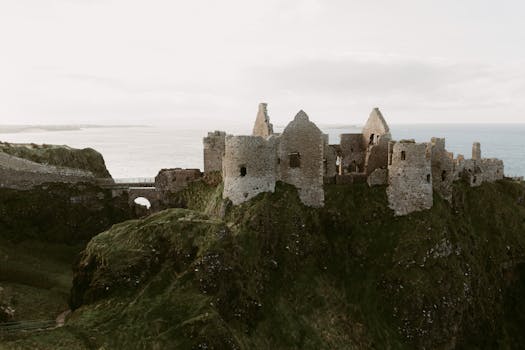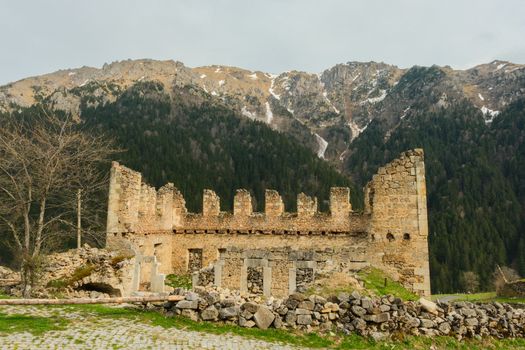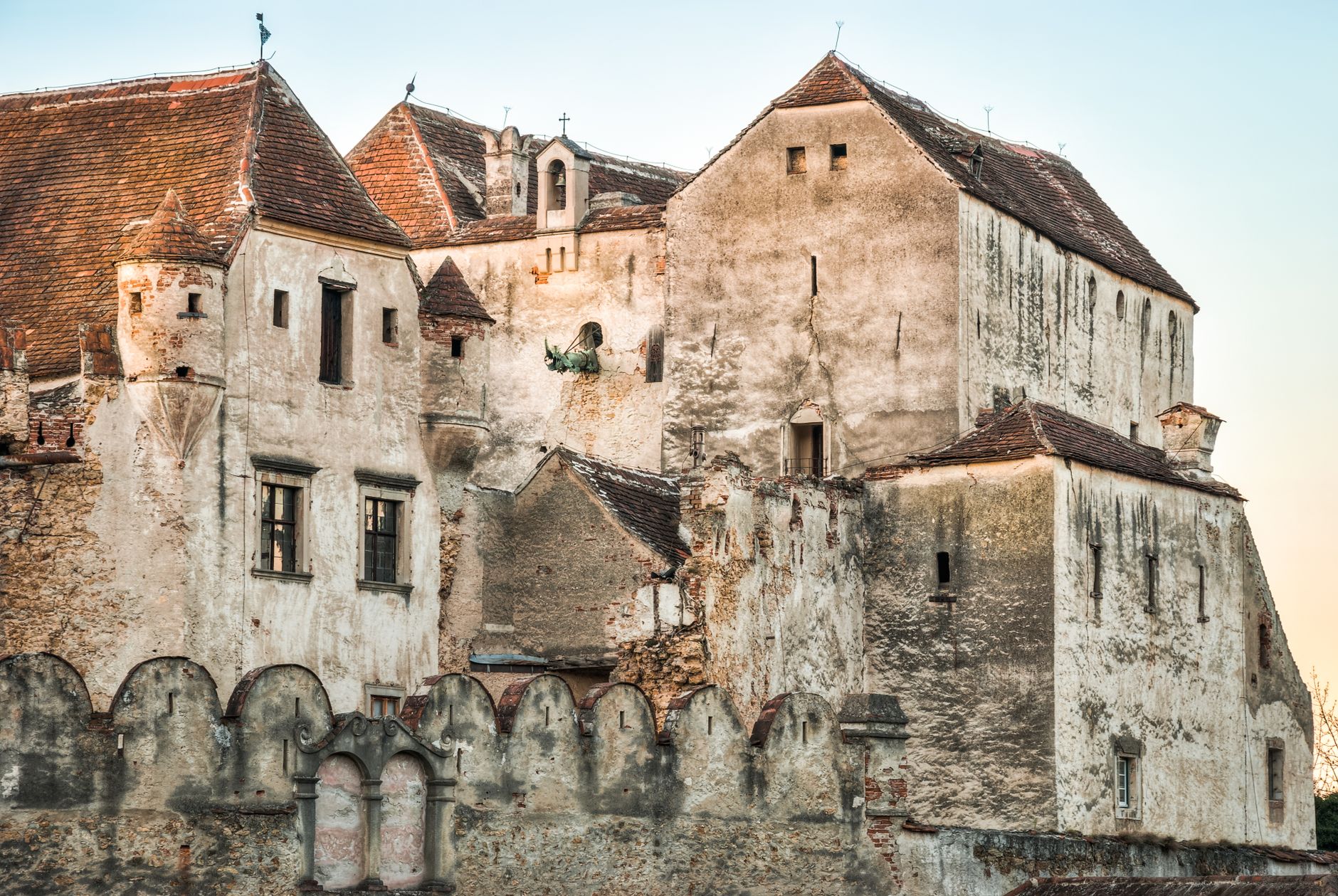
The misty morning air bit at my cheeks as I scrambled over loose stones, a thick blanket of dew soaking my boots. Ahead, a silhouette emerged from the pre-dawn gloom – not a grand, manicured fortress with a gift shop and an entry fee, but something far more captivating. It was a skeleton of a castle, its jagged walls reaching skyward like ancient teeth, cloaked in ivy and history. No tour buses, no selfie sticks, just the whisper of the wind through crumbling archways and the thrill of discovery. This, my friends, is the magic of exploring abandoned castles for free, an experience Instagram influencers rarely, if ever, share.
We've all seen the picture-perfect posts: a dazzling influencer posing flawlessly at Neuschwanstein, or perhaps strolling through the manicured gardens of Versailles. Beautiful, yes, but often expensive, overcrowded, and frankly, a little... staged. What if I told you there’s a whole world of equally, if not more, breathtaking castles out there, waiting to be discovered, explored, and photographed – all without spending a single euro on admission?
Welcome to the Tripsora guide to uncovering Europe’s secret, free-to-explore abandoned castles. These aren't just ruins; they're time capsules, forgotten masterpieces, and the ultimate backdrop for your most authentic travel stories.
The Allure of the Forgotten: Why Abandoned Castles Trump Tourist Traps
There's a raw, untamed beauty to an abandoned castle that a perfectly restored monument simply can't replicate. It's the silent echo of lives lived within its walls, the way nature slowly reclaims human endeavors, and the sheer sense of adventure that comes with stepping off the well-trodden path. For me, it’s about that visceral connection to history, the feeling of being the only one to witness a particular sunrise over a forgotten battlement, or to stumble upon a hidden staircase consumed by roots.
- Authenticity: No ropes, no guided tours, no gift shops. Just you and the history.
- Unrivaled Photography: The textures of crumbling stone, the play of light through broken windows, the dramatic overgrowth – it’s a photographer’s dream, and you won't have to Photoshop out a hundred other tourists.
- Budget-Friendly: The best part? They're absolutely FREE. This means more budget for local food, unique accommodations, or extending your trip.
- The Thrill of Discovery: Finding these places often requires a bit of research and a sense of adventure, making the reward all the sweeter. You're not just visiting; you're discovering.
My first taste of this came years ago, on a backpacking trip through the Scottish Highlands. I’d seen countless photos of Edinburgh Castle, but it was a chance encounter with the skeletal remains of a tower house, half-submerged in a loch, that truly captivated me. There was no sign, no path, just a feeling of ancient grandeur waiting to be acknowledged. I spent hours there, sketching, taking photos, and letting my imagination run wild. That’s when I knew I’d found my travel niche.
Ethics and Safety First: Exploring Responsibly
Before we dive into specific locations, it’s crucial to talk about responsible exploration. These sites are historical treasures, often fragile, and sometimes on private land (though generally accessible). Always remember:
- Leave No Trace: Pack out everything you pack in. Do not litter. Do not disturb the natural environment.
- Respect the History: Do not deface walls, move stones, or take souvenirs. Leave everything as you found it for future explorers.
- Safety First: These are ruins. There might be unstable floors, falling debris, or hidden drops. Never go alone if possible, tell someone where you’re going, and always prioritize your safety. If a structure looks unsafe, admire it from a distance.
- Check Local Regulations: While these castles are generally free and open, always double-check if there are any seasonal closures, private property signs, or specific rules for the area. Use online forums, local tourism offices, or even Google Street View to get a sense of access.
- Be Prepared: Wear sturdy shoes, bring water, snacks, a first-aid kit, and a fully charged phone.
Exploring abandoned sites comes with a certain responsibility. We are guests in these forgotten places. Let’s ensure they remain for generations to come, untouched by anything but time and respectful admiration.
Unearthing Europe's Hidden Gems: Your Free Castle Itinerary
Now for the exciting part! Here are a few truly spectacular abandoned castles and ruins across Europe that offer incredible, free exploration. These are places you won't find plastered all over glossy travel magazines, giving you a chance to experience history on your own terms.
1. Kilchurn Castle, Scotland: The Loch-Side Sentinel
Nestled dramatically on a rocky peninsula at the head of Loch Awe in Argyll and Bute, Kilchurn Castle is a truly iconic Scottish ruin. Built in the mid-15th century by the Campbells of Glenorchy, it's now a majestic shell, exposed to the elements, making for incredibly atmospheric exploration.
- The Experience: I remember arriving at Kilchurn on a blustery autumn day. The clouds hung low, mirroring the dark waters of Loch Awe, and the castle emerged from the mist like a phantom. You can walk right up to and into the ruins, exploring the various levels, imagining the lives of its inhabitants. The sheer scale and the intricate stonework are breathtaking, especially when you consider it’s entirely free. The views across the loch and to the surrounding mountains are utterly sublime, making it a photographer's paradise. There are no barriers, no staff, just the raw beauty of history.
- Location: Lochawe, Dalmally PA33 1AF, UK. Easily accessible by car, with a small free parking area nearby. From the car park, it's a short, scenic walk to the castle, often requiring crossing a causeway (which can be submerged in very high water, adding to its mystique).
- Best Time to Visit: Early morning or late afternoon for dramatic light and fewer people (though it's rarely crowded). Autumn and spring offer the most atmospheric conditions.
- Instagram-Worthy Shot: Stand back on the shore of Loch Awe to capture the castle's reflection in the water, framed by the mountains. Or, venture inside and find a window archway to frame the loch.
2. Castelo de Paderne, Algarve, Portugal: Moorish Echoes in the Sun
Far from the bustling beaches of the Algarve lies the ancient Castelo de Paderne, a red-earth fortress with a history stretching back to Roman times, though most of what remains is Moorish. This truly abandoned site offers a glimpse into a different, often overlooked, side of Portugal.
- The Experience: My first visit to Paderne was a revelation. After navigating a few narrow, winding roads through orange groves, I found myself at the base of a hill crowned by these striking red walls. The silence was profound, broken only by the chirping of cicadas. You can wander freely through the open archways, climb what remains of the walls, and truly feel the weight of centuries. The castle is built from a unique 'taipa' or rammed earth technique, giving it a distinct reddish hue that glows under the Portuguese sun. It's a stark contrast to the white-washed villages and blue Atlantic, making it incredibly memorable. I spent a good hour just sitting on a fallen stone, soaking in the history and the panoramic views of the countryside.
- Location: Paderne, 8200-475 Paderne, Portugal. A car is highly recommended to reach this somewhat remote spot. There’s no official parking, but plenty of space to pull over on the dirt track leading up to it.
- Best Time to Visit: Late afternoon for golden hour light on the red walls, or early morning to beat the heat.
- Instagram-Worthy Shot: Use the unique red walls as a backdrop, or capture the sprawling Algarve countryside from within a crumbling archway. The contrast of the ancient ruins against the vibrant green of the surrounding landscape is stunning.
3. Menlo Castle, Galway, Ireland: A River's Embrace
Just a short distance from the vibrant city of Galway, nestled on the banks of the River Corrib, lie the romantic ruins of Menlo Castle. Once a grand 16th-century mansion, it was tragically destroyed by fire in 1910, leaving behind a picturesque, ivy-clad shell.
- The Experience: Menlo is one of those places that feels like it’s straight out of a fairytale. The castle stands serenely on the riverbank, its stone walls almost entirely consumed by a thick blanket of ivy, giving it a fantastical, ethereal quality. There are no gates, no fees – you can simply walk up and explore the grounds. I remember a particularly foggy morning when the castle seemed to float above the river, its reflection ghostly in the still water. It’s a popular spot for local walkers and kayakers, but never feels crowded. You can spend hours here, picnicking by the river, sketching the ruins, or simply enjoying the peaceful atmosphere. It's a testament to nature's power to reclaim and beautify.
- Location: Menlo, Co. Galway, Ireland. Easily accessible by car from Galway city (about a 10-minute drive) with free roadside parking, or even by a longer walk/cycle along the river.
- Best Time to Visit: Any time of year, but especially beautiful in spring when the ivy is vibrant, or autumn when the leaves turn. A misty morning adds incredible drama.
- Instagram-Worthy Shot: Capture the castle from across the river for a full, picturesque view, or get up close to highlight the intricate ivy growth on the stone walls.
4. Château de l'Étang, France: The Sleeping Beauty Castle
While not as grand as some, Château de l'Étang (or similar regional, truly abandoned châteaux in areas like the Dordogne or Loire Valley that are freely accessible) represents the ultimate 'sleeping beauty' castle: a forgotten noble residence slowly being reabsorbed by the forest. These are often harder to pinpoint on a map, requiring a bit of local research or Urbex forum digging, but the reward is immense.
- The Experience: My encounter with a ruin like this, deep in the French countryside, felt like I'd stumbled into a secret garden. After following a barely-there track through dense woods, a clearing opened to reveal a manor house, its roof long gone, windows gaping, but still retaining an undeniable elegance. Trees grew through its floors, and wildflowers bloomed in what was once a grand hall. There were no signs of other people, just the buzz of bees and the rustling of leaves. It was an incredibly humbling experience, a quiet testament to the passage of time and the transient nature of human endeavors. I spent a good hour just wandering through the skeletal rooms, imagining the lavish parties and quiet moments that once filled these spaces. Finding these truly 'off-grid' spots is the ultimate free exploration.
- Location: (Requires more specific research for a truly abandoned, free-to-access example. These are often found through local word-of-mouth or dedicated 'Urbex' communities. A good starting point might be smaller, unlisted ruins in regions with many castles, like the Dordogne or Burgundy, often visible from public roads or accessible via public footpaths.)
- Best Time to Visit: Spring or early autumn when the foliage is beautiful but not too dense to obscure the ruins.
- Instagram-Worthy Shot: Frame a doorway or window with the encroaching nature, emphasizing the contrast between man-made structure and organic growth. A wide shot that captures the castle nestled within its overgrown surroundings creates a powerful visual.
Your Essential Gear & Safety Checklist
To make your free castle exploration safe and enjoyable, here’s what to pack:
- Sturdy Hiking Boots: Essential for uneven terrain, mud, and climbing over rubble.
- Navigation: A fully charged phone with offline maps (Google Maps, Maps.me), and ideally, a physical map and compass as backup. GPS can be spotty in remote areas.
- Water & Snacks: You might be out there for a while, and there are no shops.
- First-Aid Kit: Small but comprehensive, including blister plasters, antiseptic wipes, pain relievers.
- Headlamp/Flashlight: Even in daylight, some interior spaces can be dark.
- Weather-Appropriate Clothing: Layers are key. A waterproof jacket is a must, especially in places like Scotland or Ireland.
- Camera Gear: Your phone is great, but a dedicated camera with a wide-angle lens will capture the grandeur. Don't forget extra batteries!
- Power Bank: Keep your phone and camera charged.
- Tell Someone: Always let a friend or family member know your itinerary and expected return time.
Mastering the Shot: Instagram-Worthy Photography Tips
You don't need fancy gear or a huge budget to capture stunning, influencer-level photos of these magnificent ruins. Here’s how:
- Golden Hour is Your Best Friend: The hour after sunrise and before sunset provides soft, warm light that highlights textures and creates dramatic shadows.
- Look for Framing: Use archways, windows, or tree branches to frame the castle or a specific detail, adding depth to your shot.
- Capture the Details: Don't just shoot wide. Get close to the ivy, the carved stone, the fallen debris. These details tell a story.
- Incorporate Nature: The interplay between stone and encroaching nature (trees, moss, ivy) is what makes abandoned castles so unique. Show it off!
- Play with Perspective: Get low, get high (if safe). Try different angles to find unique compositions.
- Patience is Key: Wait for the light, wait for a gap in the clouds, wait for that perfect moment when no one (or nothing) is in your shot.
- Edit Smartly: Enhance colors, adjust shadows, and sharpen details, but don't over-process. Keep it authentic. A slightly moody, desaturated look often works well for ruins.
- Drone Shots (If Legal & Safe): If you have a drone and it's legal to fly in the area, aerial shots can capture the full scale and dramatic setting of these castles like nothing else. Always check local drone laws!
Beyond the Ruins: Making it an Epic Trip
Exploring an abandoned castle is an adventure in itself, but why stop there? Integrate these free gems into a broader, authentic travel experience:
- Local Food & Drink: Seek out small, local eateries or pubs near your chosen castle. Support the local economy and savor authentic regional cuisine.
- Hiking & Nature: Many of these ruins are set in stunning natural landscapes. Combine your castle visit with a hike, a bike ride, or a leisurely stroll through the surrounding countryside.
- Quirky Stays: Instead of chain hotels, look for unique local accommodations – a charming B&B, a glamping site, or a rustic cottage.
- Connect with Locals: Strike up conversations. Locals often know the best hidden spots, stories, and tips.
My trip to Kilchurn, for instance, was part of a larger road trip through the Highlands, stopping at tiny villages, trying local whiskies, and hiking parts of the West Highland Way. The castle wasn’t just a stop; it was a highlight woven into the tapestry of an unforgettable journey.
Respecting the Past, Preserving the Future
These abandoned castles are more than just photo opportunities; they are fragile pieces of our shared heritage. By exploring them respectfully and responsibly, we ensure that their stories continue to be told, not just through our photos, but through their continued existence. Let's be the kind of travelers who leave nothing but footprints and take nothing but memories (and incredible, authentic photos!).
So, ditch the crowds, skip the queues, and embark on an adventure that Instagram influencers might not want you to know about, but you’ll cherish forever. These free, forgotten castles are waiting. Go find your own fairytale.
What's your favorite hidden gem you've discovered? Share your stories and tips in the comments below! And don't forget to tag #TripsoraCastles and #FreeRuins on your next adventure!
*