Don't Get Cooked! Your Ultimate Guide to Food Markets: Tourist Traps vs. Hidden Gems (December 2025 Edition)
The aroma hits you first. A dizzying, delightful symphony of spices, sizzling meats, sweet pastries, and exotic fruits. It pulls you in, promising a culinary adventure, a true taste of a destination. For me, food markets are the beating heart of any city I visit – a vibrant, chaotic, utterly delicious microcosm of local life. But here’s the thing: not all markets are created equal. Some are genuine treasure troves, brimming with authentic flavors and local charm. Others? Well, let’s just say they’re designed to extract maximum cash from unsuspecting tourists, leaving you with an empty wallet and a bland taste in your mouth.
I learned this the hard way, standing in a bustling market in Marrakech years ago. Mesmerized by the snake charmers and storytellers, I fell for the "best tagine in the city" pitch, only to pay triple the price for a lukewarm, flavorless dish that clearly wasn't cooked with love. It was a classic tourist trap, and I walked away feeling less like an intrepid explorer and more like a mark. But that experience fueled a quest: to master the art of distinguishing the genuine from the gaudy, the authentic from the artificial.
And with December 2025 fast approaching – a prime time for festive markets and holiday travel – it’s more important than ever to arm yourself with the knowledge to navigate these culinary landscapes. Whether you’re chasing winter warmers in Europe or tropical treats in Southeast Asia, this guide will help you sniff out the hidden gems and steer clear of the traps. Let’s dive in!
The Allure and the Peril: Why We Love Markets (and How They Trick Us)
There’s an undeniable magic to food markets. They’re sensory overload in the best possible way, offering a glimpse into a culture’s soul through its food. You see, smell, and often taste the traditions, the daily rituals, and the shared joy of eating. From the bustling souks of North Africa to the vibrant hawker centers of Asia, markets are where real life happens.
But this very allure makes them ripe for exploitation. Tourist traps often capitalize on our desire for an "authentic" experience, creating a façade that’s shiny, accessible, and ultimately, devoid of true character. They’re like Hollywood sets: impressive from a distance, but hollow up close.
So, what defines a "tourist trap" market?
* Inflated Prices: The most obvious sign. You’ll pay significantly more for items that locals get for a fraction of the cost.
* Limited Local Patrons: If you see more tourists than locals, that's a red flag. Locals know where the good (and affordable) stuff is.
* Homogenized Offerings: Stalls selling the exact same mass-produced souvenirs and "safe" dishes, rather than unique regional specialties.
* Aggressive Sales Tactics: Being constantly harangued to buy, buy, buy, often with promises that are too good to be true.
* "English Only" Menus/Signs: While helpful, if everyone has them and no local language is present, it's a sign they cater primarily to outsiders.
Spotting the Tourist Trap: Your December 2025 Red Flag Checklist
Before you even step foot into a market, here’s how to scope it out, especially during the busy holiday season:
- Location, Location, Location: Is it directly adjacent to a major tourist attraction (e.g., Eiffel Tower, Colosseum, Times Square)? If so, proceed with extreme caution. Proximity to landmarks often means inflated prices and lower quality, as they rely on foot traffic rather than repeat local business.
- December Tip: Markets in historic city centers, especially those advertised as "Christmas Markets" or "Holiday Fairs," can be delightful but also more expensive. Look for the food stalls that locals are crowding, not just the souvenir booths.
- The Language Barrier (or Lack Thereof): If every vendor immediately greets you in perfect English (or your perceived native tongue) without you saying a word, they're probably used to tourists. While helpful, it often correlates with tourist pricing. Conversely, a market where you need to point, smile, and use a few basic local phrases often signals a more authentic experience.
- The "Instagramability" Factor: While we all love a good photo op, if a market feels too curated for Instagram – perfectly arranged fruit pyramids that look untouched, food stalls with elaborate backdrops clearly designed for photos rather than function – it might be prioritizing aesthetics over authenticity. Real markets are often a bit messy, chaotic, and gloriously unpolished.
- The Menu & Merchandise:
- Food: Are there generic "international" dishes alongside local fare? Or is it exclusively local, with dishes you might not even recognize? The latter is usually better. Are prices clearly displayed, or do you have to ask? "Ask for price" often means "charge what we think you'll pay."
- Goods: Are half the stalls selling identical mass-produced keychains, "I Heart [City]" t-shirts, or generic trinkets? An authentic market will have more unique, handcrafted, or locally sourced goods.
- The Crowd Composition: This is your biggest clue. If you're surrounded by other tourists, snapping photos and speaking foreign languages, you're likely in a trap. If you see families doing their weekly grocery shopping, elderly locals chatting with vendors, or workers grabbing a quick, affordable lunch, you're probably in a gem.
The Hunt for Hidden Gems: Your Secret Weapon Guide
So, how do you find those truly magical, off-the-beaten-path culinary havens? It requires a bit more effort, but the rewards are exponentially greater.
- Ask the Right People: Don't just ask your hotel concierge (they often have agreements with tourist-centric places). Ask local shopkeepers, your Airbnb host, a friendly bartender, or even a taxi driver (if you trust them). Phrase your question carefully: "Where do you go for [local dish]?" or "Which market do you buy your groceries from?"
- December Tip: Locals will know which markets offer the best seasonal treats or ingredients for holiday meals, steering you away from generic tourist fare.
- Go Early (or Late): Tourist traps are often bustling during peak tourist hours. Hidden gems might be most vibrant early in the morning when locals are doing their daily shopping, or sometimes later in the evening for dinner crowds, well after the day-trippers have left.
- My Story: In Rome, Campo de' Fiori is beautiful but touristy by midday. Arrive at 7 AM, and it's a bustling local produce market, a completely different (and better) experience.
- Venture Beyond the City Center: Often, the best markets are a short metro or bus ride away from the main tourist zones. These are the neighborhood markets, serving the local community, and they are goldmines for authentic experiences.
- Leverage Technology (Wisely):
- Google Maps/Reviews: Look for markets with a high number of reviews from local-sounding names, not just one-off tourist reviews. Read the negative reviews; sometimes they highlight what makes it authentic rather than tourist-friendly.
- Food Blogs/Forums: Seek out niche food blogs or expat forums for your destination. These often share insider tips that mainstream travel sites miss.
- Social Media: Search Instagram for hashtags like #[city]foodmarketlocal or #[city]eats, then filter by "Recent" to see what actual locals are posting.
- Look for the Lines: A long line of locals at a particular stall is almost always a sign of exceptional quality and value. Don't be afraid to join it!
Global Showdown: Tourist Traps vs. Hidden Gems (December 2025 Edition)
Let's get specific. Here are some examples of markets around the world – some that teeter on the edge, and some that are undisputed gems, with a focus on what to expect in December 2025.
Europe
- Barcelona, Spain: La Boqueria Market (La Rambla)
- Status: Tourist Trap (mostly) with some redeeming qualities.
- December 2025 Reality: Expect massive crowds, especially with holiday travelers. The front stalls are notoriously overpriced – €10 for a small fruit cup or €15 for a juice is common. Many prepared food stalls are now catering exclusively to tourists.
- How to Navigate (if you must): Head deep into the market. Past the initial fruit and juice stalls, you'll find butchers, fishmongers, and a few authentic tapas bars (look for Bar Pinotxo or El Quim de la Boqueria, though even these are now pricey). Go early, before 10 AM, to see locals shop. Best for photo ops, less for authentic, affordable eats.
- Hidden Gem Alternative: Mercat de Sant Antoni (Barcelona). A short walk from the center, this market is where locals actually shop. In December, you'll find seasonal produce, quality meats, cheeses, and a much more relaxed, authentic atmosphere. Prices are significantly lower. Grab some turrón (nougat) for the holidays here.
- Estimated prices: Tapas plates €3-7, fresh juice €2-3.
- London, UK: Borough Market
- Status: Teetering on Trap, but still a Gem.
- December 2025 Reality: Borough is glorious in December, with festive lights, mulled wine, and seasonal treats. However, it's also insanely crowded and expensive. Expect long queues and high prices for street food. It’s now a major tourist attraction.
- How to Navigate: Go on a weekday morning, right when it opens (around 10 AM) for the best experience and fewer crowds. Focus on the produce and specialty food stalls for unique ingredients and artisanal goods rather than prepared meals. Sample cheeses, charcuterie, and fresh bread.
- Hidden Gem Alternative: Maltby Street Market (London). A short walk from Tower Bridge, this smaller, more independent market is a local favorite. In December, it’s less about traditional Christmas fare and more about innovative street food, craft beer, and unique baked goods. The atmosphere is buzzing but less overwhelming than Borough.
- Estimated prices: Street food dishes £8-15, craft beer £5-7.
Asia
- Bangkok, Thailand: Chatuchak Weekend Market
- Status: Mixed Bag – Touristy but still a Gem.
- December 2025 Reality: Chatuchak is an institution. It's huge, chaotic, and draws both tourists and locals. The food section (Section 27) is vibrant. In December, expect hot, humid weather and massive crowds.
- How to Navigate: It's too big to be a full "trap," but you can get ripped off. Stick to the food section for authentic Thai street food. Look for stalls with long lines of Thais. Avoid anything overly flashy or with English-only menus. Try the coconut ice cream, grilled pork skewers (moo ping), and mango sticky rice. Don't be afraid to haggle for non-food items.
- Estimated prices: Dishes ฿50-150.
- Hidden Gem Alternative: Or Tor Kor Market (Bangkok). Across from Chatuchak, this is an upscale, immaculately clean, and incredibly high-quality market. It's not "cheap" by Thai standards, but the produce, seafood, and prepared foods are top-notch and truly authentic. It's where affluent Thais shop. In December, you'll find incredible seasonal fruits and rare Thai delicacies.
- Estimated prices: Prepared dishes ฿100-300, but quality is outstanding.
- Hanoi, Vietnam: Dong Xuan Market
- Status: Tourist Trap (largely) for food.
- December 2025 Reality: Dong Xuan is primarily a wholesale market for goods, with a small food court upstairs. It's not bad for browsing clothes or household items, but the food court is generally mediocre and caters to quick, uninspired tourist meals.
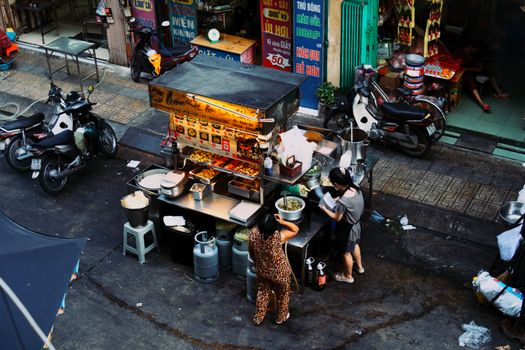
- Hidden Gem Alternative: Local Street Food Stalls in the Old Quarter (Hanoi). Rather than a single market, Hanoi's true food gems are found on its streets. Wander the Old Quarter, particularly around Ta Hien Street (Beer Street) or Hang Buom Street for incredible street food. Look for small plastic stools, bubbling pots, and crowds of locals. Try bun cha, pho, nem ran (fried spring rolls), and banh mi. Don't be afraid to duck into a small alleyway.
- My Story: My best bun cha in Hanoi wasn't in a market, but from a tiny, nondescript stall down a narrow alley, where the smell of grilling pork patties was irresistible. It cost me less than $2 and was life-changing.
- Estimated prices: Dishes ₫30,000-60,000.
North America
- New York City, USA: Chelsea Market
- Status: Tourist Trap (mostly).
- December 2025 Reality: Chelsea Market is a beautifully renovated industrial space filled with food vendors and shops. It's incredibly popular, especially in December with holiday shoppers. However, it's become very commercialized and expensive. You'll find good food, but it's not "authentic" NYC street food pricing or experience.
- Hidden Gem Alternative: Smorgasburg (Williamsburg/Prospect Park, NYC). While seasonal, Smorgasburg often has a winter indoor market (check their website for December 2025 locations, usually in Industry City, Brooklyn). This is where NYC's most innovative and exciting street food vendors gather. It’s still popular and can be pricey, but the quality, variety, and unique offerings are far superior to Chelsea Market for a true food adventure.
- Estimated prices: Dishes $10-20.
Mastering the Market: Essential Tips for Every Traveler
Once you've found your gem, here's how to make the most of it:
- Go with an Empty Stomach (and an Open Mind): This is non-negotiable. You want to sample everything! And be brave – try dishes you don't recognize. That’s where the magic happens.
- Cash is King: Many smaller, authentic stalls only accept cash. Have plenty of local currency in small denominations.
- Observe the Locals: Watch how they order, how they eat, what they're buying. This is your best guide. If they're using their hands, you use your hands!
- Practice Basic Phrases: "Hello," "Thank you," "How much?" and "Delicious!" in the local language go a long way.
- Haggle (When Appropriate): For non-food items, haggling is often expected. For food, usually not, unless you're buying a large quantity. Watch how locals interact. Never be aggressive; keep it light and friendly.
- Hygiene Check: While street food might look rustic, good hygiene is paramount. Look for stalls with fresh ingredients, clean surfaces, and busy cooks. If you see food sitting out uncovered for long periods or flies, move on.
- Pace Yourself: Don't fill up on the first delicious thing you see. Wander, explore, and try small portions from multiple vendors.
- Carry Reusable Bags/Containers: Many markets are trying to reduce plastic waste. Be a responsible traveler!
Beyond the Bite: Immersive Market Experiences
Food markets aren't just about eating; they're about experiencing.
- Photography Goldmine: From colorful produce to bustling crowds and candid moments, markets are incredibly photogenic. Ask before taking close-ups of people, especially vendors.
- Cultural Exchange: Strike up a conversation with a vendor (even with gestures!). You might learn about local customs, recipes, or even get a secret tip.
- People Watching: Grab a small snack or drink and just sit back. Watch the rhythm of local life unfold. It's often the best free entertainment you'll find.
- Learning Opportunity: See ingredients you've never encountered, watch traditional cooking techniques in action, and expand your culinary horizons.
Embrace the Adventure!
Navigating food markets in December 2025, whether it's for festive treats or everyday delights, is one of the most rewarding aspects of travel. Yes, there are tourist traps, but with a little savvy and a lot of curiosity, you can easily distinguish them from the truly authentic hidden gems.
Don't let the fear of a bad meal deter you. Embrace the chaos, trust your instincts, and follow your nose. The unforgettable flavors, the vibrant atmosphere, and the genuine connections you make are what truly define a remarkable travel experience.
What's your favorite food market hidden gem? Or your most memorable market mishap? Share your stories and tips in the comments below! Let's help each other eat our way around the world, one authentic bite at a time!
---