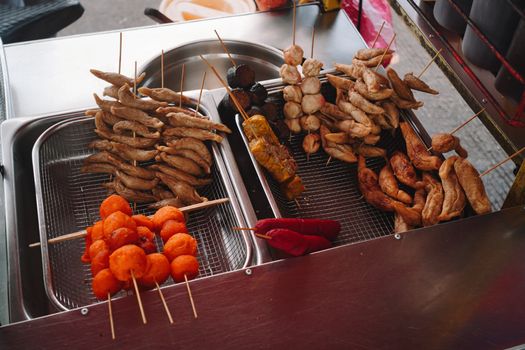
The aroma of sizzling garlic, the riot of vibrant colors, the cacophony of vendors calling out their wares – food markets are, for many of us, the beating heart of a destination. They’re where cultures collide, where stories are told through sizzling woks and fresh produce, and where the most unforgettable culinary adventures often begin. Or so I thought, until a particularly disappointing afternoon in Barcelona.
I remember it vividly: my first trip to La Boqueria. I’d seen the Instagram posts, read the glowing reviews, and envisioned myself gliding through a wonderland of authentic Spanish flavors. What I found instead was a shoulder-to-shoulder crush of tourists, €10 fruit cups, and paella stalls selling what looked suspiciously like yesterday's leftovers at exorbitant prices. The magic I’d anticipated was replaced by a gnawing sense of being just another wallet in the crowd. It was a tourist trap, plain and simple, and it stung.
That experience became a turning point. It ignited a quest: a mission to not just visit food markets, but to truly understand them. To distinguish between the beautifully packaged, overpriced facades and the genuine, soul-stirring culinary havens frequented by locals. And after years of crisscrossing continents, tasting my way through bustling alleys and quiet corners, I’m here to share what I’ve learned. This isn't just a list; it's your essential guide to navigating the global food market scene, ensuring every bite is authentic, every penny well spent, and every memory utterly delicious.
So, ditch the guidebooks that point you to the obvious, and let’s dive into the delicious world of food markets – the good, the bad, and the utterly unmissable.
The Siren Song of the Famous Market: Why "Must-See" Can Mean "Must-Skip"
Let’s be clear: not every famous market is a complete write-off. Some, like Borough Market in London, offer incredible quality and a fantastic atmosphere, but they often come with a premium price tag and are more of a gourmet destination than a traditional local market. The problem arises when markets, once vibrant local hubs, become so overwhelmed by tourism that they lose their soul, morphing into overpriced photo opportunities rather than authentic culinary experiences.
The Red Flags (and My Personal Brush-Ups):
- La Boqueria, Barcelona, Spain: As mentioned, this was my wake-up call. While the fresh produce section is still beautiful, the prepared food stalls often charge double or triple what you’d pay elsewhere for mediocre quality. I once saw a tiny cup of pre-cut fruit for €8 – a price that would buy a whole bag of fresh fruit at a local supermarket. The seafood stalls, while visually stunning, are often selling to tourists at inflated prices. My advice: Admire the produce, maybe grab a fresh juice (but check prices!), then head to a nearby tapas bar off the main Rambla for a real meal.
- Pike Place Market, Seattle, USA: Iconic, absolutely. The fish throwing is a spectacle, and there are some genuinely good artisan stalls. However, much of the market’s lower levels and surrounding areas are now filled with souvenir shops and eateries catering squarely to tourists, often with long lines and inflated prices. My experience: The energy is infectious, but I found myself searching harder for truly local bites amidst the clamor for crab bisque and grunge band t-shirts.
- Chatuchak Weekend Market (Food Section), Bangkok, Thailand: While Chatuchak is an incredible experience for shopping, its food sections can be hit-or-miss. Many stalls cater to the masses of tourists, offering generic Thai dishes or international fare at higher prices than you'd find in a local neighborhood. It's easy to get lost in the sheer scale and settle for convenience over quality. My takeaway: Stick to the shopping, and save your serious eating for a dedicated food market or street food area.
These markets aren't inherently "bad," but they often require a seasoned eye to find value, or simply to accept that you're paying for the experience and the location rather than authentic local prices or flavors.
The Art of Detection: How to Spot a Tourist Trap Before You Bite
Before you even step foot into a market, a little reconnaissance can save you from disappointment. Here’s my personal checklist for sniffing out a potential tourist trap:
- The Language Test: Are all the signs in English (or your native language, if you're a Western tourist)? Are vendors aggressively calling out to you in English? While some English is helpful, an overwhelming presence of it often signals a tourist-centric operation.
- The Price Transparency Test: Are prices clearly displayed? Or do you have to ask? If you have to ask, it opens the door for "tourist pricing." Also, compare prices to local restaurants or other food stalls nearby. If it’s significantly higher, red flag.
- The Crowd Composition Test: This is my golden rule. Look around. Are there more locals than tourists? If you’re surrounded by selfie sticks and fanny packs, you’re likely in a trap. Locals know where the good, affordable food is.
- The Food Offering Test: Is it a parade of "safe" or generic international dishes (pizza, burgers, etc.)? Or are there unique, local specialties that might require a bit of adventurous eating? Authentic markets showcase the region's distinct culinary identity.
- The Souvenir-to-Food Ratio Test: If the market is crammed with cheap trinkets, magnets, and "I Heart [City]" t-shirts, it’s likely prioritized souvenir sales over genuine food experiences.
- The Location, Location, Location Test: Is it directly adjacent to a major tourist landmark? While convenient, this often means higher rents for vendors, which translates to higher prices for you.
Trust your gut, too. If something feels off, or if you're being rushed or pressured, it's usually a sign to move on.
Unearthing the Real Deal: Characteristics of a True Hidden Gem
The inverse of the tourist trap, a hidden gem market is a vibrant, sensory explosion where authenticity reigns supreme. These are the places that make you feel like you’ve truly stumbled upon something special, a secret whispered among locals.
What to look for:
- Bustling with Locals: The most obvious sign. If grandmas are haggling for produce and families are sharing meals, you’re in the right place.
- Diverse and Authentic Food: A wide array of local dishes, often prepared fresh before your eyes, with regional variations you might not find elsewhere.
- Reasonable Prices: You should be able to eat well without feeling like you're emptying your wallet.
- Vibrant Atmosphere: A hum of conversation, the sizzle of cooking, the clatter of dishes – it’s less about performing for tourists and more about the daily rhythm of life.
- Off the Beaten Path (Often): While not always hidden in obscure alleyways, they might require a short metro ride or a walk beyond the immediate tourist zone.
- Specialized Stalls: Vendors often specialize in one or two dishes, perfecting them over generations.
These are the markets that etch themselves into your memory, not just for the food, but for the immersive cultural experience they offer.
Your Culinary Treasure Map: Hidden Gems You NEED to Experience Before You Die
Now for the good stuff! These are some of my all-time favorite food markets that offer an authentic, unforgettable, and utterly delicious experience.
- Or Tor Kor Market, Bangkok, Thailand
- Why it's a Gem: Often overshadowed by the nearby Chatuchak Weekend Market, Or Tor Kor is a different beast entirely. It's a high-end, incredibly clean, and beautifully organized market focusing on premium produce, exotic fruits, and some of the best prepared Thai food stalls you'll find anywhere. It's where Bangkok's discerning locals shop and eat.
- What to Eat: The mango sticky rice here is legendary (expect to pay around ฿100-150, but it’s worth every satang). Seek out the various curry stalls, the grilled seafood, and the incredible array of Thai desserts. Don’t miss trying some rare fruits you’ve never seen before.
- Vibe: Bustling but civilized. It feels more like a gourmet food hall than a street market, but with all the local charm.
- Practical Tip: It’s easily accessible via the MRT (Kamphaeng Phet station). Go hungry, and take your time wandering through the produce section before settling down to eat.
- Instagrammability: The vibrant produce displays are stunning, and the beautifully plated food is a feast for the eyes. #OrTorKorMarket #BangkokFood
- Mercado de San Fernando, Madrid, Spain
- Why it's a Gem: Tucked away in the lively Lavapiés neighborhood, this isn't your typical bustling Spanish market. It's a smaller, more community-focused market that has reinvented itself as a hub for artisan food, craft beer, and even books. It's where Madrileños go for a relaxed evening of tapas and conversation.
- What to Eat: You'll find everything from traditional Spanish tapas (think croquetas, tortilla, jamón) to international street food, craft beer, and natural wines. Prices are incredibly reasonable, with most tapas costing €3-7. My favorite is the tostas (open-faced sandwiches) from a tiny stall near the entrance.
- Vibe: Bohemian, friendly, and very local. It’s less about a quick bite and more about lingering, chatting, and enjoying the company.
- Practical Tip: Best visited in the late afternoon or evening, especially on weekends when it comes alive. It's a great place to practice your Spanish!
- Instagrammability: The colorful stalls, the relaxed groups of friends, and the delicious, rustic food make for great candid shots. #MercadoSanFernando #MadridEats
- Cai Rang Floating Market, Can Tho, Vietnam
- Why it's a Gem: This isn't just a market; it's an experience. In the Mekong Delta, Cai Rang is one of Vietnam's largest floating markets, where hundreds of boats gather before dawn to sell fruits, vegetables, and, yes, even prepared food. It’s a truly authentic glimpse into riverine life.
- What to Eat: Hire a small boat (around ₫200,000-300,000 for a 2-3 hour tour) to navigate the market. Vendors will paddle up to your boat selling bowls of bún riêu (crab noodle soup), hủ tiếu (pork noodle soup), coffee, and fresh fruit. A bowl of noodles will cost around ₫20,000-50,000.
- Vibe: Chaotic, bustling, and utterly mesmerizing. The sounds of boat engines, vendors calling, and the gentle lapping of water create an unforgettable atmosphere.
- Practical Tip: You must go early. Boats start gathering before 5 AM, and the market begins to wind down by 9 AM. Arrange a tour with your guesthouse or a local guide the day before.
- Instagrammability: The sheer spectacle of hundreds of boats, the colorful produce, and the unique dining experience on the water are incredibly photogenic. #CaiRangFloatingMarket #MekongDelta
- Gwangjang Market, Seoul, South Korea
- Why it's a Gem: As one of Korea's oldest and largest traditional markets, Gwangjang is a sensory overload in the best possible way. It’s a labyrinth of stalls where ajummas (middle-aged women) have been perfecting their craft for decades, serving up classic Korean street food to throngs of hungry locals and savvy tourists.
- What to Eat: You absolutely must try bindaetteok (mung bean pancakes), often served with makgeolli (rice wine). Also legendary are tteokbokki (spicy rice cakes), mayak gimbap (addictive mini seaweed rolls), and sundae (blood sausage). Expect to pay ₩5,000-15,000 per dish.
- Vibe: Lively, communal, and slightly overwhelming in its deliciousness. You'll often sit shoulder-to-shoulder with strangers at communal tables, sharing food and stories.
- Practical Tip: Go with an empty stomach and an open mind. Don't be afraid to point at what looks good. It's easily accessible via Jongno 5-ga Station (Line 1).
- Instagrammability: The bustling rows of food stalls, the vibrant colors of the dishes, and the candid shots of locals enjoying their meals are fantastic. #GwangjangMarket #SeoulFood
- Jemaa el-Fnaa (Night Market), Marrakech, Morocco
- Why it's a Gem: Yes, Jemaa el-Fnaa is famous, but many tourists only experience its daytime chaos. At night, it transforms into an epic open-air food market that, if navigated correctly, offers one of the most authentic and atmospheric dining experiences in the world. The shift from snake charmers to hundreds of food stalls is magical.
- What to Eat: As dusk falls, numbered food stalls pop up, each specializing in different Moroccan delicacies. Look for stall #1 (for delicious harira soup), stall #14 (for incredible grilled meats and tagines), or try the local specialty, tanjia (slow-cooked lamb in an earthenware pot). Don’t miss the fresh orange juice (available all day) and the snail soup. A full meal can cost MAD 30-70.
- Vibe: Pure sensory overload. Smoke rises, musicians play, storytellers captivate audiences, and the air is thick with the scent of spices and grilling meat. It’s an ancient spectacle.
- Practical Tip: Walk around a few times before choosing a stall. Don't feel pressured by the hawkers; choose a stall that looks busy with locals. Be aware of your belongings in the crowds.
- Instagrammability: The glowing lanterns, the smoke, the lively crowds, and the beautifully presented Moroccan dishes are a photographer's dream. #JemaaElFnaa #MarrakechNights
Mastering the Market: Essential Tips for an Authentic Experience
Finding the right market is half the battle; knowing how to navigate it like a pro is the other. Here are my tried-and-true tips:
- Go Early (or Late): For fresh produce markets, early morning is key to see locals doing their shopping and ensure the freshest selection. For prepared food markets, aim for just before the lunch or dinner rush to avoid the biggest crowds but still catch the fresh buzz.
- Observe & Mimic: Watch where the locals eat. Which stalls have the longest queues of non-tourists? What are they ordering? If you see a line, join it! It’s usually a sign of quality.
- Learn Basic Phrases: A simple "Hello," "Thank you," and "How much?" in the local language goes a long way. It shows respect and can sometimes even get you a better deal or a warmer interaction.
- Carry Small Bills & Cash: Many smaller stalls don't accept cards. Having exact change or small denominations makes transactions smoother and faster.
- Be Adventurous (Within Reason): Don't be afraid to try something new, even if you don't recognize it. Ask the vendor (using gestures if needed) what it is. A small taste can lead to a huge discovery.
- Do a Quick Hygiene Check: Look for busy stalls with visible cooking, fresh ingredients, and clean surfaces. If a stall looks dirty or the food has been sitting out for too long, move on.
- Haggle Respectfully (Where Appropriate): In some markets (especially for non-food items), haggling is expected. For prepared food, however, prices are usually fixed. If you're unsure, observe locals.
- Bring Your Own: A reusable bag for produce, and sometimes even your own reusable cutlery or container, can be a great eco-friendly move.
- Engage with Vendors: A smile, a nod, a genuine attempt at communication can turn a transactional exchange into a memorable cultural interaction. They are often proud of their food and happy to share.
The Taste of True Discovery
The world's food markets are a vibrant tapestry of culture, history, and incredible flavors. While the allure of the famous can be strong, the true magic often lies just beyond the obvious, waiting to be discovered by the adventurous palate. My journey from the disappointment of La Boqueria to the culinary delights of Or Tor Kor and Gwangjang has taught me that the most authentic travel experiences are rarely found where the biggest crowds gather.
So, the next time you plan a trip, don't just look for the "must-see" attractions. Seek out the hidden gems, the local haunts, the markets where the true heart of a city beats strongest. You'll not only save money but, more importantly, you'll gain an invaluable insight into the local culture, connect with genuine people, and create food memories that will last a lifetime.
Which hidden gem food market are you adding to your bucket list? Have you stumbled upon an amazing local market that few tourists know about? Share your stories and recommendations in the comments below! Let's build the ultimate treasure map for fellow foodies. And don't forget to share this guide with your travel buddies – because good food and good company make for the best adventures!
---