The Symphony of Sizzle and Scent: My First Night Market Revelation
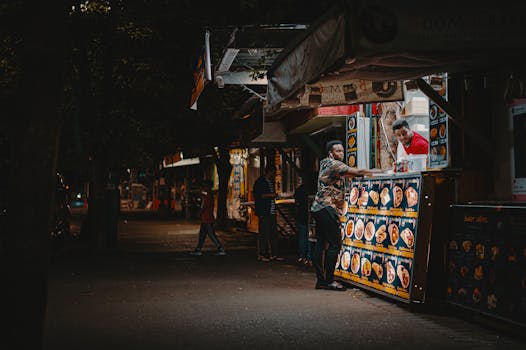
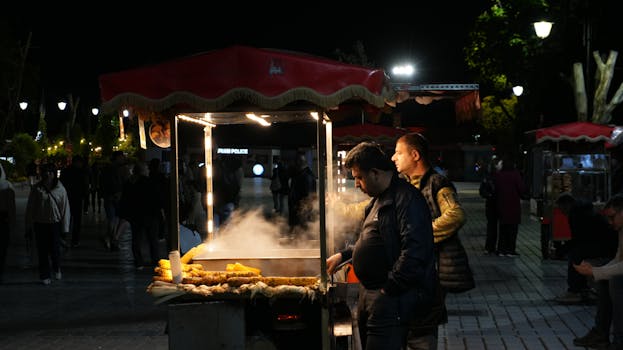
The air was thick with a symphony of sizzles, the fragrant smoke of grilling meats, and the sweet, tangy aroma of exotic spices. Neon signs flickered, casting a kaleidoscope of colors on the bustling alleyways. My first encounter with a true local night market wasn't in a glossy travel magazine; it was a sweaty, exhilarating plunge into the heart of Taipei's Raohe Street Night Market. I remember standing there, a little overwhelmed, a lot hungry, and utterly captivated.
A vendor, his face etched with years of culinary mastery, deftly flipped an oyster omelet, the eggs crisping perfectly at the edges. Next to him, a line snaked for the famous Fuzhou Pepper Buns, their earthy aroma promising a burst of flavor. I bought a cup of freshly squeezed passion fruit juice, its icy sweetness a welcome reprieve from the tropical humidity, and simply watched. This wasn't just food; it was life, played out under the stars, a vibrant testament to a city's soul.
That night, I didn't just eat; I experienced. I tasted the history, the culture, and the unwavering passion of people who pour their heart into every dish. Forget your Michelin-starred restaurants for a moment. If you want to truly connect with a destination, if you want to understand its heartbeat, you need to step into its night markets – the ones where the locals flock, where the flavors are bold, and the memories are made. And trust me, some of these experiences are so profound, so utterly delicious, you simply must have them before you die.
More Than Just a Meal: Why Night Markets are the Ultimate Cultural Immersion
What makes a local night market so special? It's not just the incredible food, though that's certainly a huge part of it. It's the entire sensory overload, the raw, unfiltered glimpse into daily life that you won't find anywhere else.
- The Authentic Flavors: This is where family recipes, passed down through generations, come alive. You're tasting dishes that locals grew up with, perfected over decades.
- A Feast for the Senses: The vibrant colors, the intoxicating smells, the cacophony of vendors calling out, the sizzle of woks, the chatter of excited diners – it's an immersive experience that ignites every sense.
- Unbeatable Value: Eating like a local means eating well, and usually, eating cheap. You can sample a huge variety of dishes without breaking the bank, making it perfect for budget travelers and foodies alike.
- Cultural Connection: Watch how people interact, observe local customs, and even try a few words of the local language. You're not just a tourist; you're part of the fabric of the community, even if just for a few hours.
- The Thrill of Discovery: Every stall is a potential new favorite. Every corner holds a promise of an unexpected delight. It's an adventure for your taste buds!
Ready to embark on a culinary quest? Here are some of the world's most incredible night markets where locals genuinely eat, and where you absolutely need to get your grub on.
---
Asia's Culinary Heartbeat: Night Market Nirvana
Asia is arguably the undisputed king of night markets. From the bustling metropolises to charming island towns, the street food scene after dark is legendary.
1. Taipei, Taiwan: Raohe Street Night Market
While Shilin Night Market might be more famous, Raohe offers a more concentrated, authentic experience that locals adore. Nestled along the Keelung River, this linear market is a foodie paradise.
- The Vibe: Energetic, bustling, and wonderfully chaotic. It feels like a continuous street party dedicated to food.
- Must-Try Dishes:
- Fuzhou Pepper Buns (Hújiāo Bǐng): These are legendary. Baked in a tandoor-like oven, the crispy exterior gives way to juicy, peppery pork and scallions. The line is always long, but so worth it. (Approx. NT$60-70 / $2-2.30 USD)
- Oyster Omelet (Ōa-á-chian): A Taiwanese classic. Fresh oysters, eggs, and a leafy green vegetable, all pan-fried and topped with a sweet and savory sauce. (Approx. NT$80-100 / $2.60-3.30 USD)
- Stinky Tofu (Chòu Dòufu): Don't let the name (or the smell!) deter you. This fermented tofu is either deep-fried and served with pickled cabbage or braised in a spicy broth. It's a rite of passage! (Approx. NT$50-80 / $1.60-2.60 USD)
- Freshly Squeezed Juices: From passion fruit to guava, these refreshing drinks are a perfect palate cleanser.
- Practical Tips: Go on a weekday evening to avoid peak weekend crowds. Take the MRT Green Line to Songshan Station (Exit 5) – the market entrance is right there, next to the stunning Ciyou Temple. Wear comfortable shoes and be prepared to stand while you eat.
- My Anecdote: My first taste of stinky tofu here was a game-changer. The initial whiff was, well, stinky, but the crispy exterior and tender, flavorful interior, paired with spicy sauce and pickled cabbage, was surprisingly delicious. It proved to me: never judge a dish by its aroma!
2. Bangkok, Thailand: Jodd Fairs Night Market
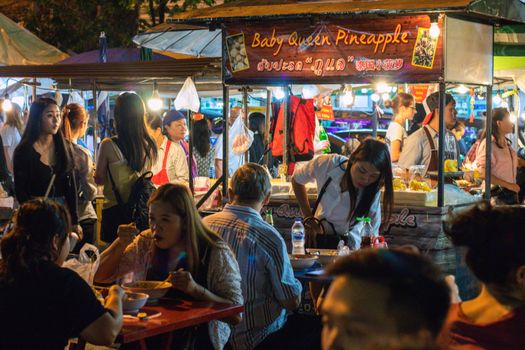
While Ratchada Train Night Market is no more, Jodd Fairs has risen from its ashes, bringing back the vibrant energy and incredible food scene, often with fewer tourists than some other spots. It’s a favorite among younger Bangkok locals.
- The Vibe: Modern, trendy, and still incredibly authentic. Think colorful tents, live music, and an amazing array of food stalls.
- Must-Try Dishes:
- "Leng Saap" (Spicy Pork Rib Soup): A mountain of tender, spicy pork ribs piled high, swimming in a tangy, fiery broth. It's an Instagram sensation and a local favorite. (Approx. THB 150-300 / $4-8 USD, depending on size)
- Grilled Seafood: Fresh prawns, squid, and fish grilled to perfection with a spicy dipping sauce.
- Mango Sticky Rice (Khao Niao Mamuang): A classic Thai dessert. Sweet sticky rice, fresh mango slices, and a drizzle of coconut cream. Pure bliss. (Approx. THB 60-100 / $1.60-2.70 USD)
- Pad Thai: Of course! Look for the stalls with long queues and a constant wok sizzle for the best, freshest versions.
- Practical Tips: Take the MRT to Phra Ram 9 station (Exit 2) – it's a short walk from there. Go with friends so you can order many dishes and share! Don't be afraid to try street vendors over sit-down restaurants within the market.
- My Anecdote: I once watched a local deftly debone a whole grilled fish in seconds, then hand it to me with a smile and a small container of chili dip. Eating it with my hands, surrounded by the buzz, felt like a true local secret.
3. Penang, Malaysia: Kimberley Street Food
Penang is often hailed as Malaysia's food capital, and for good reason. Kimberley Street, in George Town, comes alive in the evenings, transforming into a bustling hawker haven where generations-old recipes are served from humble carts.
- The Vibe: Old-school charm meets culinary excellence. It's less about flashy lights and more about the food, the history, and the passionate vendors.
- Must-Try Dishes:
- Char Kway Teow: Flat rice noodles stir-fried with shrimp, cockles, bean sprouts, chives, egg, and a spicy soy sauce. Look for the stalls that still use charcoal fires for that extra smoky "wok hei" flavor. (Approx. RM 6-10 / $1.30-2.20 USD)
- Penang Laksa (Assam Laksa): A sour, spicy, fish-based noodle soup with tamarind, chili, and various herbs. It's intensely flavorful and unique. (Approx. RM 5-8 / $1.10-1.70 USD)
- Popiah: Fresh spring rolls filled with turnip, jicama, tofu, and sometimes shrimp, wrapped in a thin, delicate crepe. (Approx. RM 3-5 / $0.65-1.10 USD per roll)
- Kway Teow Th'ng: A clear, flavorful broth with flat rice noodles, fish balls, and sliced pork or chicken.
- Practical Tips: Many stalls only open after 5 PM. Bring cash. Seating is often communal, so don't be shy about sharing a table. It's a fantastic place for photography – the old buildings and bustling stalls create a unique atmosphere.
- My Anecdote: The first time I tried Kimberley Street's Char Kway Teow, I understood why Penangites are so fiercely proud of their food. The smoky aroma, the perfectly cooked noodles, the succulent cockles – it was a symphony of textures and flavors that made me want to order a second plate immediately.
4. Ho Chi Minh City, Vietnam: Ben Thanh Street Food Market (and surrounding streets)
While Ben Thanh Market itself is more of a day market, the surrounding streets and the dedicated "Ben Thanh Street Food Market" (a more modern, organized food court) come alive at night, bustling with locals and offering an incredible array of Vietnamese delights. For a truly local experience, venture into the smaller alleyways and side streets around the market after dark.
- The Vibe: Fast-paced, vibrant, and incredibly fragrant. Motorbikes whizz by, and every corner offers a new culinary discovery.
- Must-Try Dishes:
- Bánh Mì: The iconic Vietnamese sandwich. A crispy baguette filled with pâté, various cold cuts or grilled meats, pickled vegetables, fresh herbs, and chili. (Approx. VND 25,000-40,000 / $1-1.60 USD)
- Phở: While often a breakfast dish, you can find excellent Phở stalls open late. Look for the rich, aromatic broth and fresh herbs. (Approx. VND 40,000-70,000 / $1.60-2.80 USD)
- Bún Chả: Grilled pork patties and slices of pork belly served with vermicelli noodles, fresh herbs, and a sweet, sour, and savory dipping sauce. (Approx. VND 50,000-80,000 / $2-3.20 USD)
- Gỏi Cuốn (Fresh Spring Rolls): Shrimp, pork, vermicelli, and herbs wrapped in translucent rice paper, served with a peanut dipping sauce. (Approx. VND 10,000-20,000 / $0.40-0.80 USD per roll)
- Cà Phê Sữa Đá (Vietnamese Iced Coffee): Strong, sweet, and utterly addictive.
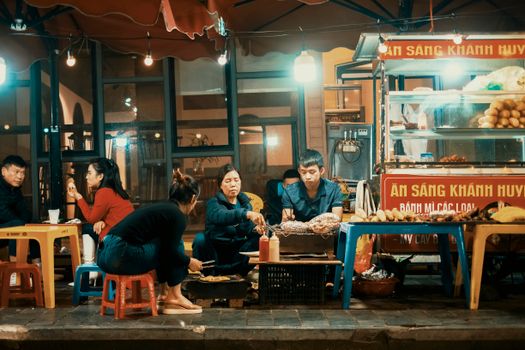
- Practical Tips: Be prepared for the motorbike traffic! Many vendors don't speak much English, so pointing and smiling goes a long way. Have small denominations of Vietnamese Dong ready. Don't be afraid to sit on tiny plastic stools – it's part of the experience!
- My Anecdote: I remember sitting on a miniature plastic stool, nursing a potent Vietnamese iced coffee, watching a woman deftly assemble Bánh Mìs at lightning speed. Each sandwich was a work of art, and the crunch of the baguette combined with the explosion of flavors inside was nothing short of perfection.
---
Beyond Asia: Global Night Market Wonders
While Asia dominates, other parts of the world offer equally compelling, albeit different, night market experiences where locals gather to eat.
5. Mexico City, Mexico: Street Food Zones (e.g., Roma Norte after dark, Mercado de San Juan's perimeter)
Mexico City doesn't have a single, massive night market like those in Asia, but its street food scene comes alive at night in countless neighborhoods. Locals flock to specific corners and food cart clusters for their evening fix.
- The Vibe: Lively, flavorful, and incredibly diverse. Each cart specializes in something, creating a mosaic of culinary options.
- Must-Try Dishes:
- Tacos al Pastor: Marinated pork cooked on a vertical spit (like shawarma), shaved onto tortillas, and topped with pineapple, onion, and cilantro. A true Mexico City icon. (Approx. MXN 15-25 / $0.80-1.30 USD per taco)
- Esquites: Corn kernels sautéed with epazote, chili, mayo, cheese, and lime. A warm, comforting snack. (Approx. MXN 30-50 / $1.50-2.50 USD)
- Quesadillas (with or without cheese!): Freshly made tortillas filled with various ingredients like huitlacoche (corn smut, a delicacy), flor de calabaza (squash blossoms), or mushrooms. (Approx. MXN 20-40 / $1-2 USD)
- Churros: Crispy fried dough dusted with sugar and cinnamon, often served with a chocolate dipping sauce. Perfect for dessert. (Approx. MXN 20-40 / $1-2 USD for a few)
- Practical Tips: Stick to popular stalls with steady queues – it's often a sign of freshness and quality. Learn a few basic Spanish phrases ("¿Cuánto cuesta?" - How much does it cost? "Gracias" - Thank you). Cash is essential. Don't be afraid to try the different salsas, but ask for "no picante" if you're sensitive to spice!
- My Anecdote: I remember finding a tiny Tacos al Pastor stand in Roma Norte, the aroma of the rotating pork calling to me. The taquero, with incredible speed and precision, sliced the meat and pineapple, assembling each taco like a mini masterpiece. It was a simple, perfect bite that tasted like the soul of Mexico City.
6. Marrakech, Morocco: Djemaa el-Fna (After Sunset)
While incredibly famous and tourist-heavy, Djemaa el-Fna transforms after sunset into a massive open-air restaurant that is still a central eating hub for many locals alongside visitors. The sheer scale and atmosphere are unparalleled.
- The Vibe: Utterly magical, chaotic, and theatrical. Storytellers, snake charmers, musicians, and, most importantly, dozens of food stalls create an unforgettable spectacle.
- Must-Try Dishes:
- Tangia: A slow-cooked, rich lamb or beef stew traditionally cooked in a clay urn, often with preserved lemons and spices. (Approx. MAD 50-80 / $5-8 USD for a portion)
- Harira Soup: A hearty, traditional Moroccan lentil and tomato soup, often served to break the fast during Ramadan, but available year-round. (Approx. MAD 10-20 / $1-2 USD)
- Snail Soup: A unique and surprisingly delicious broth, believed to have medicinal properties. Don't knock it 'til you try it! (Approx. MAD 5-10 / $0.50-1 USD)
- Grilled Skewers (Brochettes): Lamb, chicken, or kefta (minced meat) skewers, grilled fresh and served with bread.
- Moroccan Pastries: Sweet, honey-soaked, and nut-filled delights.
- Practical Tips: Be prepared for enthusiastic vendors trying to guide you to their stall. It's part of the experience, but feel free to politely decline and wander until you find a stall that appeals. Look for stalls with numbers (e.g., "Stall 1," "Stall 14") as these are often established and reliable. Bargaining is not common for food prices but can be for other goods. Be aware of your belongings in the crowds.
- My Anecdote: The first time I sat down at one of the long communal tables in Djemaa el-Fna, amidst the swirling smoke and the distant sounds of drums, I felt like I'd stepped back in time. Sharing a steaming bowl of Harira with strangers, tearing off pieces of flatbread, and soaking in the spectacle was a deeply communal and memorable experience.
---
Mastering the Night Market: Practical Tips for the Savvy Foodie
To make your night market adventure as enjoyable and authentic as possible, keep these tips in mind:
- Go with an Empty Stomach (and an Open Mind): This is crucial. You'll want to try everything, so pace yourself and be ready for new flavors.
- Cash is King: Most street food vendors operate on a cash-only basis. Have plenty of small denominations of local currency.
- Look for the Locals & the Lines: The longest queues usually indicate the best food. If locals are lining up, you know it's good (and often fresh).
- Observe Hygiene: While street food is generally safe, quickly scan the stall. Are they handling food properly? Is the area relatively clean? Trust your gut.
- Don't Be Afraid to Try New Things: This is where the magic happens! That weird-looking snack might just become your new favorite.
- Hydrate & Hand Sanitize: Carry a water bottle and always have hand sanitizer. You'll be eating with your hands a lot.
- Be Aware of Your Surroundings: Night markets are busy. Keep an eye on your belongings, especially in crowded areas.
- Ask for Recommendations: If you see a local eating something that looks amazing, a polite "What is that?" (or pointing) can lead to a delicious discovery.
- Go Early or Late: To avoid the absolute peak crowds, aim to arrive just as the market is opening or closer to closing time.
- Embrace the Chaos: It's part of the charm! The noise, the smells, the crowds – it all contributes to the authentic experience.
- Take Photos (Respectfully): Capture the vibrant scenes, but always ask before taking close-ups of people, especially vendors.
---
The Unforgettable Feast: Why You Need to Go
Night markets are more than just places to eat; they are living, breathing museums of culture, history, and culinary passion. They are where stories are told through sizzling woks, where communities gather, and where travelers can truly connect with the heart of a destination.
The taste of that perfectly charred skewer in Bangkok, the comforting warmth of a Bánh Mì in Ho Chi Minh City, the spicy kick of a Tacos al Pastor in Mexico City – these aren't just meals; they're indelible memories. They are the moments that define a trip, the flavors that linger long after you've returned home, beckoning you back to explore more.
So, ditch the fancy reservations, put on your walking shoes, and prepare your palate for an adventure. These night markets offer not just food, but a profound, delicious connection to the world. They are, without a doubt, experiences you need to savor before you die.
---
Which night market will you explore first? Have you discovered a hidden gem that locals love? Share your favorites in the comments below and inspire fellow food adventurers!
---