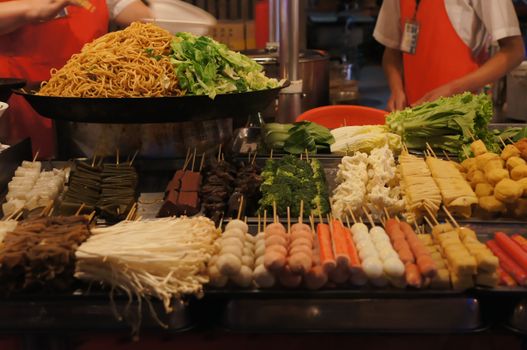
The Hook: The Death of the Authentic Street Food Experience (And Where It Rebuilt Itself)
I stepped off the local train in Tainan, and the air hit me like a warm, humid blanket scented with caramelized shallots, slow-braised pork fat, and the faint, marine tang of fresh milkfish. There were no megaphones. There were no tour groups wearing matching neon caps. There was only the rhythmic clack-clack-clack of a metal spatula scraping a seasoned cast-iron skillet and the low, melodic hum of the local Minnan dialect.
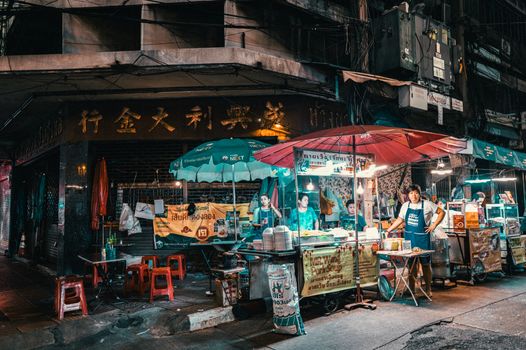
For years, Bangkok was the undisputed capital of street food. But let’s be honest: the magic of Yaowarat Road and Jodd Fairs has been swallowed by its own success. Today, visiting them means shuffling shoulder-to-shoulder in 90-degree heat, dodging selfie sticks, and paying inflated tourist prices for mediocre pad thai.
As a travel journalist, I spent the last twelve months hunting for the antidote. I looked for places where recipes are still passed down through three generations, where the ingredients are sourced from docks less than a mile away, and where you can actually sit on a plastic stool without someone breathing down your neck.
These are the five food markets better than Bangkok without the crowds emerging this year. Pack your bags, bring cash, and leave your expectations of tourist-friendly blandness at the door.
---
1. Guohua Street (Tainan, Taiwan)
### The Cradle of Taiwanese Heritage Eats
While Taipei gets the international press, Tainan is where Taiwanese people go when they want to eat real food. Guohua Street isn't a single cordoned-off market; it’s a living, breathing culinary artery that has sustained this historic city for over a century. Here, the food isn't adjusted for Western palates. It is sweet, savory, gelatinous, and deeply traditional.
```
[ Yongle Market Area ]
|
(Guohua St. & Minquan Rd. Intersection)
|
+-----------+-----------+
| |
[Wa-Gui Stall] [Coffin Bread Shop]
(Savory Rice) (Crispy Bread Bowl)
```
The Signature Dishes You Must Try
* Wa-Gui (Savory Rice Pudding): Steamed in traditional ceramic bowls, this savory pudding is packed with salted egg yolk, shiitake mushrooms, and tender pork, then drenched in a thick, sweet soy paste.
* Guan Cai Ban (Coffin Bread): A thick slice of Texas-style toast, hollowed out, fried to a golden crisp, filled with a rich, creamy seafood chowder, and capped with a bread lid. It sounds bizarre; it tastes like heaven.
* E-Ah-Mien (Oyster Noodles): Tiny, sweet local oysters simmered with thin wheat vermicelli in a rich, bonito-infused broth.
The Insider Vibe
The architecture here is a chaotic mix of Japanese colonial brickwork and corrugated iron sheets. You won’t find flashy neon displays. Instead, look for hand-painted wooden signs and elderly vendors who move with the quiet efficiency of brain surgeons.
> Pro-Tip: Skip the famous tourist-heavy queues on Section 3. Instead, walk down to the intersection of Guohua Street and Minquan Road at 8:00 AM. Look for the unmarked stall with the blue plastic stools. They serve a dry eel noodle (Shan-yu Yi-mein) that features a smoky, charred flavor (wok hei) you cannot replicate at home.
---
2. Omicho Market (Kanazawa, Japan)
### The "Kitchen of Ishikawa" Without the Tokyo Price Tag
Tokyo’s Tsukiji Outer Market and Toyosu are exhausting. If you want pristine, sea-to-table sashimi without having to wake up at 3:00 AM to queue behind five hundred other tourists, Kanazawa’s Omicho Market is your sanctuary. Located near the Sea of Japan coast, this covered market has been the culinary heart of Kanazawa since the Edo period.
```
+----------------------------------------+
| OMICHO MARKET MAP |
| |
| [ Kami-Omi Gate ] |
| | |
| v |
| +-----------+ +--------------+ |
| | Seafood | ===> | Sushiki | |
| | Stalls | | (Basement) | |
| +-----------+ +--------------+ |
| | |
| v |
| [ Shin-Omi Gate ] |
+----------------------------------------+
```
The Signature Dishes You Must Try
* Nodoguro (Blackthroat Seaperch): Known as the king of white-flesh fish. It is incredibly fatty, sweet, and melts on the tongue like butter. Have it lightly torched (Aburi) over seasoned sushi rice.
* Amaebi (Sweet Shrimp): Caught daily in the cold waters of Toyama Bay. They are shockingly sweet and served raw with a touch of local wasabi.
* Kaga Yasai Tempura: Seasonal vegetables unique to the Ishikawa prefecture, lightly battered and fried to order.
The Insider Vibe
The market is spotlessly clean, covered by a high glass roof that lets in natural light. The sellers call out their daily catches in deep, rhythmic baritones, displaying giant snow crabs on beds of crushed ice.
> Pro-Tip: Most tourists queue at the ground-floor sushi joints. Instead, head to the basement level at precisely 11:15 AM—fifteen minutes before the restaurants open. Enter Sushiki. Order the Kaisen-don (seafood bowl). It is piled high with ten different varieties of local seafood and topped with a delicate sheet of Kanazawa gold leaf.
---
3. Can Tho Night Market (Chợ Đêm Cần Thơ, Vietnam)
### The True Flavors of the Mekong Delta
While Saigon’s Ben Thanh Market has devolved into a gauntlet of aggressive sellers and overpriced souvenirs, Can Tho’s riverfront night market remains delightfully untouched by mass tourism. Situated along the banks of the Hau River, this market comes alive as the sun dips below the horizon, casting a golden glow over the water.
```
[ Hau Riverfront ]
^
| (Cool Breeze)
+------------+------------+
| Can Tho Night Market |
+------------+------------+
|
[ Street Food Stalls ]
- Bánh Cống (Shrimp Cakes)
- Grilled Snakehead Fish
- Nem Nướng (Pork Skewers)
```
The Signature Dishes You Must Try
* Bánh Cống: Deep-fried muffin-like cakes made from rice flour, green beans, and minced pork, topped with a whole freshwater shrimp. Wrap it in mustard leaves and dip it in sweet-and-sour fish sauce.
* Grilled Snakehead Fish (Cá Lóc Nướng Trui): Whole fish skewered on bamboo sticks, buried in straw, set on fire, and served with rice paper, fresh herbs, and a pungent tamarind dipping sauce.
* Nem Nướng: Sweet, smoky pork meatballs grilled over charcoal embers on lemongrass skewers.
The Insider Vibe
The atmosphere is breezy and relaxed. Families stroll along the promenade, teenagers gather to drink iced peach tea, and the scent of charcoal smoke mingles with the damp, earthy aroma of the Mekong River.
> Pro-Tip: Walk past the brightly lit clothing stalls near the entrance and head directly toward the river pier. Look for a wooden sampan boat moored to the concrete wall. The elderly woman on board cooks Hủ Tiếu (Mekong noodle soup) directly from a tiny coal stove on her deck. It costs less than $1.50 and is the best broth you will taste in Vietnam.
---
4. Pasar Ngasem (Yogyakarta, Indonesia)
### Javanese Royal Flavors in an Ancient Setting
Yogyakarta is the cultural soul of Java, and Pasar Ngasem is its culinary sanctuary. Located adjacent to the historic Taman Sari (Water Castle), this market used to be a bustling bird market. Today, it has transformed into a morning food market where locals gather to buy traditional Javanese snacks (jajanan pasar) and hearty breakfast dishes.
```
[ Taman Sari (Water Castle) ]
|
v (Short Walk)
[ Pasar Ngasem ]
+------------+------------+
| Southern Stone Archway |
+------------+------------+
|
[ Ibu Sum's Gudeg Stall ]
```
The Signature Dishes You Must Try
* Gudeg: The definitive dish of Yogyakarta. Young jackfruit is slow-simmered for hours with palm sugar, coconut milk, teak leaves (which give it a deep mahogany color), coriander, and garlic. It is served with chicken, hard-boiled egg, and crispy beef skin cracker (krecek).
* Apem: A thick, fluffy pancake made from fermented rice flour and coconut milk, cooked over small charcoal braziers.
* Sate Kere: Literally translating to "poor man's satay," made from marinated tempeh or beef fat, grilled over hot coals and slathered in a spicy peanut sauce.
The Insider Vibe
The market architecture features traditional Javanese stone pavilions. The air smells of sweet palm sugar, roasted coconut, and cloves from the vendors' kretek cigarettes.
> Pro-Tip: Arrive early—ideally by 6:30 AM. Enter through the southern stone archway and head to the back corner. Look for Ibu Sum’s stall. Her Gudeg is served from a massive, blackened clay pot that has been used for decades. It sells out completely by 8:30 AM.
---
5. Cecil Street Market (George Town, Penang, Malaysia)
### The Industrial Hawker Paradise Tourists Miss
Most travelers flock to Chulia Street or Gurney Drive in Penang. Consequently, they pay double the price for half the quality. Cecil Street Market (known locally as Seven Streets Precinct Market) is a massive, raw, wet-and-dry market housed in a cavernous steel shed. It is loud, hot, chaotic, and home to some of the most spectacular hawker food on the planet.
```
+----------------------------------------+
| CECIL STREET MARKET |
| |
| [ Dry Goods / Market Entrance ] |
| | |
| v |
| +-----------+ +--------------+ |
| | Hawker | ===> | Duck Noodle | |
| | Stalls | | Stall (Token)| |
| +-----------+ +--------------+ |
| | |
| v |
| [ Wet Market / Fishmongers ] |
+----------------------------------------+
```
The Signature Dishes You Must Try
* Duck Meat Koay Teow Th’ng: Flat rice noodles served in a crystal-clear, intensely savory broth brewed from duck bones, topped with shredded duck meat, bouncy fishballs, and crispy lard croutons.
* Char Koay Teow (with Duck Egg): Flat rice noodles stir-fried over high heat with fresh cockles, Chinese sausage, bean sprouts, chives, and a rich, creamy duck egg that coats every noodle.
* Pasembur: A Malaysian-Indian salad of shredded cucumber, turnip, fried tofu, and crispy prawn fritters, completely smothered in a sweet, spicy sweet-potato gravy.
The Insider Vibe
This is a no-nonsense local hub. Giant industrial ceiling fans spin overhead, floor tiles are slick with water from the nearby fish stalls, and the soundtrack is a mix of clattering porcelain bowls, sizzling woks, and rapid-fire Hokkien.
> Pro-Tip: The duck meat noodle stall operates on a strict plastic token system. Do not line up at the counter. Find an empty table, note the table number, go to the stall, order, pay, grab your colored token, and sit back down. While you wait, buy a fresh nutmeg juice with sour plum from the drinks cart to cut through the richness of the lard.
---
Budget & Logistics: The Master Guide
To help you plan your ultimate crowd-free culinary expedition, here is a quick-reference guide to navigating these five emerging markets:
| Market Name | Location | Avg. Meal Cost (USD) | Best Time to Visit | Nearest Transit Hub |
| :--- | :--- | :--- | :--- | :--- |
| Guohua Street | Tainan, Taiwan | $3.00 - $6.00 | 8:00 AM - 11:00 AM | Tainan Train Station |
| Omicho Market | Kanazawa, Japan | $12.00 - $25.00 | 11:00 AM - 2:00 PM | Kanazawa Station |
| Can Tho Night Market | Can Tho, Vietnam | $1.50 - $4.00 | 6:00 PM - 9:30 PM | Can Tho Bus Station |
| Pasar Ngasem | Yogyakarta, Indonesia | $1.00 - $3.00 | 6:30 AM - 8:30 AM | Stasiun Tugu Yogyakarta |
| Cecil Street Market | Penang, Malaysia | $2.00 - $5.00 | 11:30 AM - 2:30 PM | Komtar Bus Terminal |
---
The Verdict: Why You Need to Go Now
The window of opportunity for these markets is shrinking. As social media algorithms continue to hunt for the next "untouched" destination, these enclaves of culinary purity will inevitably see more foot traffic.
But for now, they belong to the locals. Go there to taste history, to support generational artisans who refuse to compromise on quality, and to remember what street food felt like before it was curated for the camera.
---