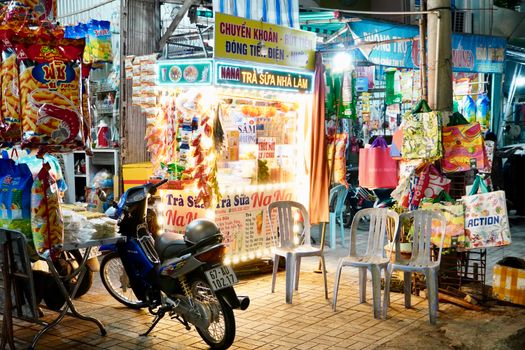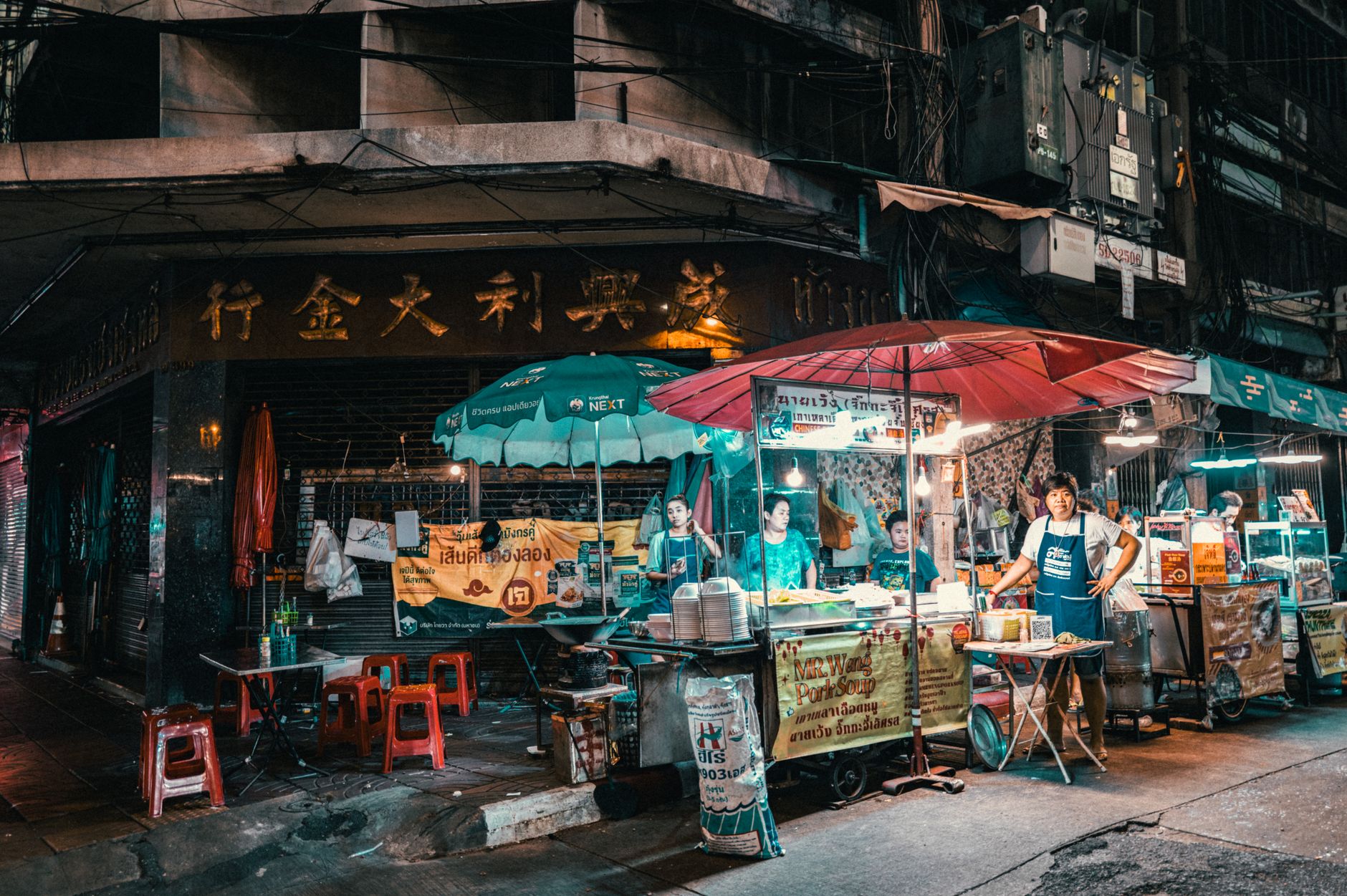
I stepped off the single-car train in Trang, Southern Thailand, at 6:00 AM. The air was cool, carrying the sharp, sweet scent of woodsmoke and caramelized pork fat. While Bangkok’s markets were still sleeping off their neon-drenched hangovers, I was standing in front of a chopping block at the Trang Morning Market, watching a third-generation butcher cleave through the crispiest, most succulent roasted pork I’ve ever tasted. There were no selfie sticks, no queue barriers, and no inflated tourist prices—just locals buying their daily groceries and sipping thick, bitter Kopi.
For years, Bangkok has held the crown for street food. But let’s be honest: the secret is out, and the experience has changed. Today, navigating Bangkok’s famous markets means dodging tour groups, paying double for watered-down flavors, and waiting an hour for a single plate of pad thai.
Fortunately, top-tier travel advisors have a secret list of alternative culinary capitals. If you want pristine ingredients, ancestral recipes, and space to actually breathe, here are the food markets better than Bangkok without crowds travel advisors suggest.
---
1. Trang Morning Market (Trang, Thailand)
### The Ultimate Crowd-Free Thai Culinary Heritage
If you still crave the distinct fire of Thai cuisine but want to escape the metropolitan madness, head south to Trang. This province is Thailand’s best-kept culinary secret, heavily influenced by Hokkien Chinese immigrants.
```
+-------------------------------------------------------------+
| PRO-TIP: Look for the unmarked stall with the giant brass |
| wok near the south exit. They serve "Moo Trang" (roasted |
| pork with a secret five-spice honey glaze) that sells out |
| by 7:30 AM. |
+-------------------------------------------------------------+
```
- The Vibe: Energetic yet unhurried. You’ll hear the rhythmic chopping of cleavers and the gentle murmur of Southern Thai dialects.
- What to Eat: Moo Trang (crispy sweet roasted pork), Southern-style dim sum steamed in bamboo baskets, and Kopi (strong local coffee sweetened with condensed milk).
- Why It Beats Bangkok: It offers an authentic slice of Southern Thai-Chinese culture without a single tour bus in sight. The prices are a third of what you’d pay in Bangkok.
---
2. Guohua Street & Yongle Market (Tainan, Taiwan)
### The Street Food Cradle of East Asia
Tainan is Taiwan’s oldest city and its undisputed street food capital. While Taipei’s Shilin Night Market gets all the global press, Tainan’s Guohua Street is where true culinary purists go to worship.
```
+-------------------------------------------------------------+
| PRO-TIP: The best "coffin bread" (Guan Cai Ban) isn't on |
| the main strip. Walk into the narrow alleyway behind the |
| Chihkan Tower to find a tiny, wooden-stooled stall that |
| has been frying this savory pastry since the 1940s. |
+-------------------------------------------------------------+
```
- The Vibe: Nostalgic and deeply traditional. Mid-century tiled storefronts line the street, shaded by canvas awnings.
- What to Eat: Guan Cai Ban (deep-fried thick-cut toast hollowed out and filled with creamy seafood chowder), Wa Gui (savory steamed rice cakes loaded with salted egg yolk and pork), and fresh milkfish soup.
- Why It Beats Bangkok: Tainan’s street food is based on slow-cooked broths and seafood preservation techniques that have remained unchanged for centuries. The crowd here consists of multi-generational Taiwanese families, not backpackers.
---
3. Cecil Street Market (George Town, Penang, Malaysia)
### The Local's Alternative to Gurney Drive
Gurney Drive and Chulia Street in Penang are famous, but they are plagued by long wait times and adjusted spice levels for Western palates. Cecil Street Market (known locally as Seven Streets Prescott) is a wet market by morning and a hawker paradise by afternoon.
```
+-------------------------------------------------------------+
| PRO-TIP: Find the stall with the blue sign reading "Duck |
| Meat Koay Teow Th'ng." Request the flat rice noodles with |
| extra shredded duck skin and lard croutons for a rich, |
| savory texture explosion. |
+-------------------------------------------------------------+
```
- The Vibe: Raw, industrial, and intensely local. The market operates under a massive tin-roof warehouse where steam rises from dozens of independent hawker carts.
- What to Eat: Pasumbur (shredded jicama and cucumber topped with crispy fritters and sweet potato gravy), Char Koay Teow fried over charcoal with duck egg, and freshly fried Lobak (five-spice pork rolls).
- Why It Beats Bangkok: The sheer diversity of Malay, Chinese, and Indian culinary traditions under one roof is unmatched. It is loud, hot, and utterly brilliant, with zero tourist pretense.
---
4. Omicho Market (Kanazawa, Japan)
### The "Kitchen of Kanazawa" Without the Tsukiji Crowds
Tokyo's Tsukiji Outer Market and Toyosu are exhausting exercises in crowd control. For a superior seafood experience, travel advisors point their high-end clients toward Kanazawa, located on the coast of the Sea of Japan.
```
+-------------------------------------------------------------+
| PRO-TIP: Skip the sit-down sushi restaurants at the front. |
| Head to the middle aisles where fishmongers will shuck |
| giant, sweet "Amaebi" (sweet shrimp) and creamy "Uni" |
| (sea urchin) directly into your hand for immediate consumption. |
+-------------------------------------------------------------+
```
- The Vibe: Immaculate, orderly, and sensory-rich. Ice-laden stalls display glittering blackthroat seaperch (Nodoguro) and massive snow crabs.
- What to Eat: Nodoguro sushi (slightly torched to release the fatty oils), raw sweet shrimp, and hot sake served in cedar cups.
- Why It Beats Bangkok: If you want premium seafood, Bangkok’s markets import most of their high-end fish. Kanazawa offers ocean-to-table freshness within hours of the catch, in an environment where you can actually appreciate the knife skills of the chefs.
---
5. Pasar Beringharjo (Yogyakarta, Indonesia)
### The Sweet and Spicy Heart of Javanese Culture
Yogyakarta is the cultural soul of Java, and Pasar Beringharjo is its beating heart. While Jakarta’s markets are choked with smog and traffic, this historic market offers a serene dive into ancient Javanese flavors.
```
+-------------------------------------------------------------+
| PRO-TIP: Walk past the textile vendors on the ground floor |
| to the dark, smoky rear courtyard. Look for an elderly |
| woman fanning charcoal embers; she sells "Sate Kere"—skewers |
| of marinated tempeh fat that melt like butter on your tongue.|
+-------------------------------------------------------------+
```
- The Vibe: Rich with the aroma of clove cigarettes, fresh turmeric, and roasting coconut. The architecture is a beautiful mix of Dutch colonial and traditional Javanese styles.
- What to Eat: Gudeg (a sweet, slow-cooked jackfruit stew served with chicken and crispy beef skin), Sate Kere, and Jamu (a traditional herbal elixir brewed from ginger, turmeric, and honey).
- Why It Beats Bangkok: The sweetness and complexity of Javanese cuisine are vastly different from Thai food. It’s an intimate, highly affordable culinary journey through centuries-old royal recipes.
---
6. Phousi Market (Luang Prabang, Laos)
### The Untouched Morning Market of the Mekong
While tourists crowd the Luang Prabang Night Market to buy cheap trousers, the locals head to Phousi Market at dawn. This is where the region's mountain tribes bring their fresh forage, wild meats, and river catches.
```
+-------------------------------------------------------------+
| PRO-TIP: Look for the vendors selling "Kaipen" (flash-fried |
| Mekong river weed) sprinkled with sesame seeds and garlic. |
| Pair it with a dollop of "Jaew Bong" (sweet and spicy chili |
| paste made with buffalo skin). |
+-------------------------------------------------------------+
```
- The Vibe: Earthy and rustic. Women from the Hmong and Khmu hill tribes sit on woven mats displaying wild mushrooms, fresh herbs, and honeycomb.
- What to Eat: Sai Oua (herbal Lao sausage packed with lemongrass and dill), Khao Poon (spicy coconut rice noodle soup), and crispy Kaipen.
- Why It Beats Bangkok: It is a raw look at preservation-based cuisine. There are no neon signs or modern fryers—just ancestral cooking techniques utilizing the bounty of the Mekong River and the surrounding jungle.
---
The Budget & Logistics Blueprint
Planning your escape from the crowds? Use this quick-reference guide to budget and navigate these alternative culinary havens.
| Market Name & Location | Average Cost per Meal (USD) | Best Time to Visit | How to Get There |
| :--- | :--- | :--- | :--- |
| Trang Morning Market (Thailand) | $1.50 - $3.00 | 6:00 AM - 8:30 AM | Fly from Bangkok (DMK) to Trang (TST), then take a local tuk-tuk. |
| Guohua Street (Tainan, Taiwan) | $2.00 - $5.00 | 11:00 AM - 3:00 PM | Take the Taiwan High-Speed Rail (THSR) from Taipei to Tainan. |
| Cecil Street Market (Penang, Malaysia) | $2.00 - $4.00 | 12:00 PM - 4:00 PM | Fly directly into Penang (PEN) or take the train from Kuala Lumpur to Butterworth. |
| Omicho Market (Kanazawa, Japan) | $10.00 - $25.00 | 9:00 AM - 11:00 AM | Take the Shinkansen (bullet train) from Tokyo directly to Kanazawa Station. |
| Pasar Beringharjo (Yogyakarta, Indonesia) | $1.00 - $3.00 | 8:00 AM - 12:00 PM | Fly into Yogyakarta International Airport (YIA) and take a taxi to Malioboro Street. |
| Phousi Market (Luang Prabang, Laos) | $1.50 - $3.00 | 6:00 AM - 9:00 AM | Fly directly into Luang Prabang (LPQ) or take the high-speed railway from Vientiane. |
---
The Verdict: Why Less is More
Travel is no longer just about ticking off famous landmarks; it is about the quality of the connection you make with a destination. Bangkok's food markets will always have a place in culinary history, but the soul of street food has migrated to these quieter, more authentic corners of Asia.
By choosing these crowd-free alternatives recommended by seasoned travel advisors, you aren't just escaping the long lines—you are supporting local families, preserving culinary heritage, and enjoying some of the most spectacular meals of your life in peace. Pack your bags, leave the tourist maps behind, and go eat where the locals eat.
---