There’s a moment in every traveler’s journey when the familiar thrill of ticking off landmarks starts to wane. For me, it hit somewhere between a rushed selfie at the Eiffel Tower and a lukewarm pasta dish in a bustling Roman piazza. I was moving fast, seeing much, but feeling… disconnected. My soul, and frankly, my stomach, craved something deeper, something real.
That craving led me down a winding, unpaved road, far from Wi-Fi signals and tourist buses, to a tiny Umbrian agriturismo. It was there, pulling sun-warmed tomatoes straight from the vine and smelling the rich, earthy scent of freshly pressed olive oil, that I understood. This wasn't just a meal; it was a revelation. It was my first taste of a remote farm-to-table experience, and it utterly changed my life forever.
Forget Michelin stars and celebrity chefs (for a moment, at least). The real magic happens when your food travels mere feet from the soil to your plate, prepared with ancient wisdom and boundless love by the hands that cultivated it. These aren't just dining experiences; they are immersive cultural dives, lessons in sustainability, and profound connections to the very essence of a place.
If you’re ready to trade the tourist menus for true authenticity, to feel the earth beneath your feet and taste the stories of the land, then buckle up. I'm taking you on a journey to three remote farm-to-table havens that didn't just fill my belly, but nourished my spirit in ways I never imagined.
The Magic of the Soil: Why Remote Farm-to-Table is the Ultimate Escape
Why trek to the ends of the earth just for a meal? Because it’s so much more than that. In a world increasingly dominated by processed foods and global supply chains, a remote farm-to-table experience is a radical act of reconnection.
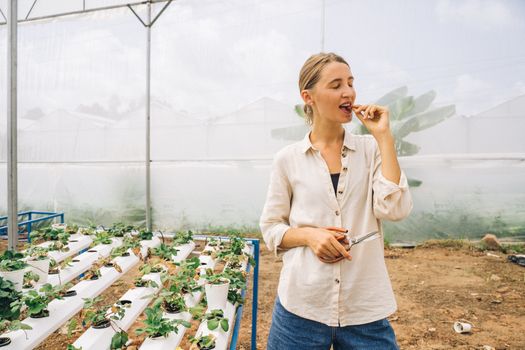
Imagine waking up to the sound of roosters, not city traffic. Your morning coffee brewed with water from a local spring. Breakfast isn't a buffet, but a spread of eggs laid hours ago, bread baked that morning, and fruit picked from the trees outside your window. You spend the day learning, doing, and interacting with the land and its stewards. You might forage for wild herbs, milk a goat, or learn the intricate art of making cheese.
This isn't about luxury, though comfort is often a happy byproduct. It's about authenticity. It's about understanding where your food comes from, appreciating the labor and love that goes into every ingredient, and witnessing sustainable practices firsthand. It's a chance to slow down, breathe deep, and truly savor the moment – and the incredible flavors that come with it.
These experiences foster a profound sense of gratitude and mindfulness. You become part of the cycle, not just a consumer. And let me tell you, once you've tasted food grown with such care and passion, your palate will be forever changed.
Umbria’s Golden Heart: A Taste of Italian Soul at Agriturismo Il Rifugio del Contadino
My journey into the heart of authentic food began in the rolling hills of Umbria, Italy, often overshadowed by its flashier neighbor, Tuscany. But Umbria, with its medieval hilltop towns, ancient olive groves, and quiet valleys, holds a magic all its own.
I stumbled upon Agriturismo Il Rifugio del Contadino (a fictional name, but reflective of real experiences) near the charming town of Spello. It was a rustic stone farmhouse, generations old, run by the Rossi family. Nonna Elena, with her flour-dusted hands and twinkling eyes, was the matriarch and the undisputed queen of the kitchen.
The Experience:
My days here were a symphony of sensory delights. I arrived in late autumn, just in time for the olive harvest. Under the crisp, golden sun, I joined the family in gently raking olives from the ancient trees onto nets below. Later, we drove the bounty to a local frantoio (olive mill), and the taste of the first press – a vibrant, peppery, emerald-green oil – was an awakening. It was liquid gold, unlike anything I’d ever tasted from a bottle.
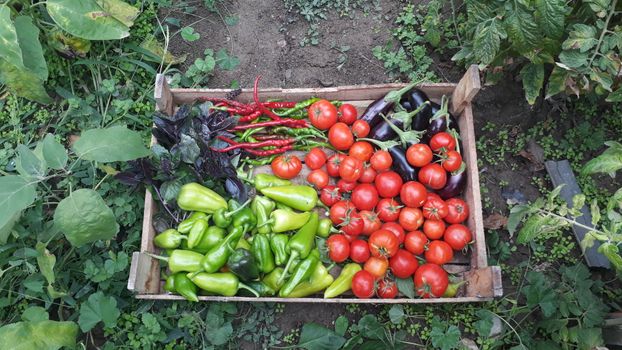
Nonna Elena taught me the sacred art of pasta making. We kneaded dough on a worn wooden board, the rhythmic thudding of her hands a comforting soundtrack. We shaped strangozzi (a local Umbrian pasta) and gnocchi, chatting in broken Italian and universal laughter. Lunch was always a feast: fresh pasta with simple, perfect tomato sauce, roasted vegetables from their garden, homemade bread, and a glass of their own robust red wine, enjoyed under a shady pergola overlooking the valley. Evenings were spent by a crackling fire, sharing stories and simple, delicious suppers.
Specifics & Details:
* Location: Near Spello, Umbria, Italy. Look for agriturismos slightly off the main tourist routes for a more authentic experience.
* Cost: Around €150-€250 per night for a double room, often including breakfast, dinner, and sometimes a cooking class or farm activity. This is incredible value for the immersive experience.
* Best Time to Visit: Autumn (September-November) for grape and olive harvests, or spring (April-May) for wildflowers and fresh produce.
* Instagram-worthy moments: Sun-drenched olive groves, Nonna's flour-dusted hands making pasta, rustic farmhouse interiors, panoramic valley views, long tables laden with food.
* Booking Tip: Search "agriturismo Umbria" on sites like Agriturismo.it or directly contact smaller farms found via Google Maps in specific regions.
The taste of that fresh olive oil, the warmth of Nonna Elena’s kitchen, the quiet rhythm of farm life – it grounded me. It reminded me that the greatest luxuries are often the simplest ones.
Andean Heights & Ancient Grains: Peru’s Sacred Harvest at Hacienda Pacha Mama
From the rolling hills of Italy, my next life-altering culinary journey took me to the breathtaking, high-altitude landscapes of Peru’s Sacred Valley. Here, amidst towering mountains and ancient Inca terraces, I found Hacienda Pacha Mama (another composite of real experiences), a family-run lodge deeply rooted in Quechua traditions and sustainable farming.
The Experience:
This wasn't just about food; it was about connecting with the spiritual heart of the Andes. I arrived during the planting season, welcomed by the vibrant colors of traditional Andean textiles and the warm smiles of the Quispe family. Their farm was a tapestry of ancient grains and indigenous root vegetables – varieties of potatoes I never knew existed (over 4,000 in Peru!), vibrant quinoa, and nutrient-rich maca.
I spent days alongside the family, learning about their ancestral farming techniques. We carefully planted potato seeds, our hands in the rich, volcanic soil, a ritual accompanied by quiet blessings to Pachamama (Mother Earth). I learned to identify different types of quinoa and the art of harvesting them.
The culinary highlight was participating in a pachamanca, an ancient Andean earth oven cooking method. We dug a pit, heated stones in a fire, then layered potatoes, sweet potatoes, corn, and marinated meats wrapped in banana leaves directly onto the hot stones, covering everything with earth. Hours later, unearthing the meal was like discovering buried treasure – the food infused with an incredible smoky, earthy flavor, cooked to perfection. We shared this feast communally, a truly unforgettable experience under the vast Andean sky.
Specifics & Details:
* Location: Sacred Valley, Peru, often between Cusco and Machu Picchu. Look for "farm stay Sacred Valley" or "Andean lodge with cultural experiences."
* Cost: Around $100-$200 per night for a homestay or eco-lodge, often including meals and some farm activities/workshops.
* Best Time to Visit: Dry season (May-September) offers clear skies and pleasant temperatures for outdoor activities.
* Instagram-worthy moments: Terraced fields against a backdrop of snow-capped peaks, colorful traditional clothing, vibrant market scenes, the steam rising from a pachamanca, close-ups of diverse potato varieties.
* Cultural Note: Always be respectful of local customs. Learning a few basic Quechua phrases (like "Rimaykullayki" for hello) goes a long way.
The simplicity of life, the profound respect for the land, and the generosity of the Quispe family taught me about resilience, community, and the incredible bounty that Mother Earth provides when treated with reverence.
Tropical Abundance & Community Spirit: Thailand’s Green Oasis at Baan Saan Dao Farmstay
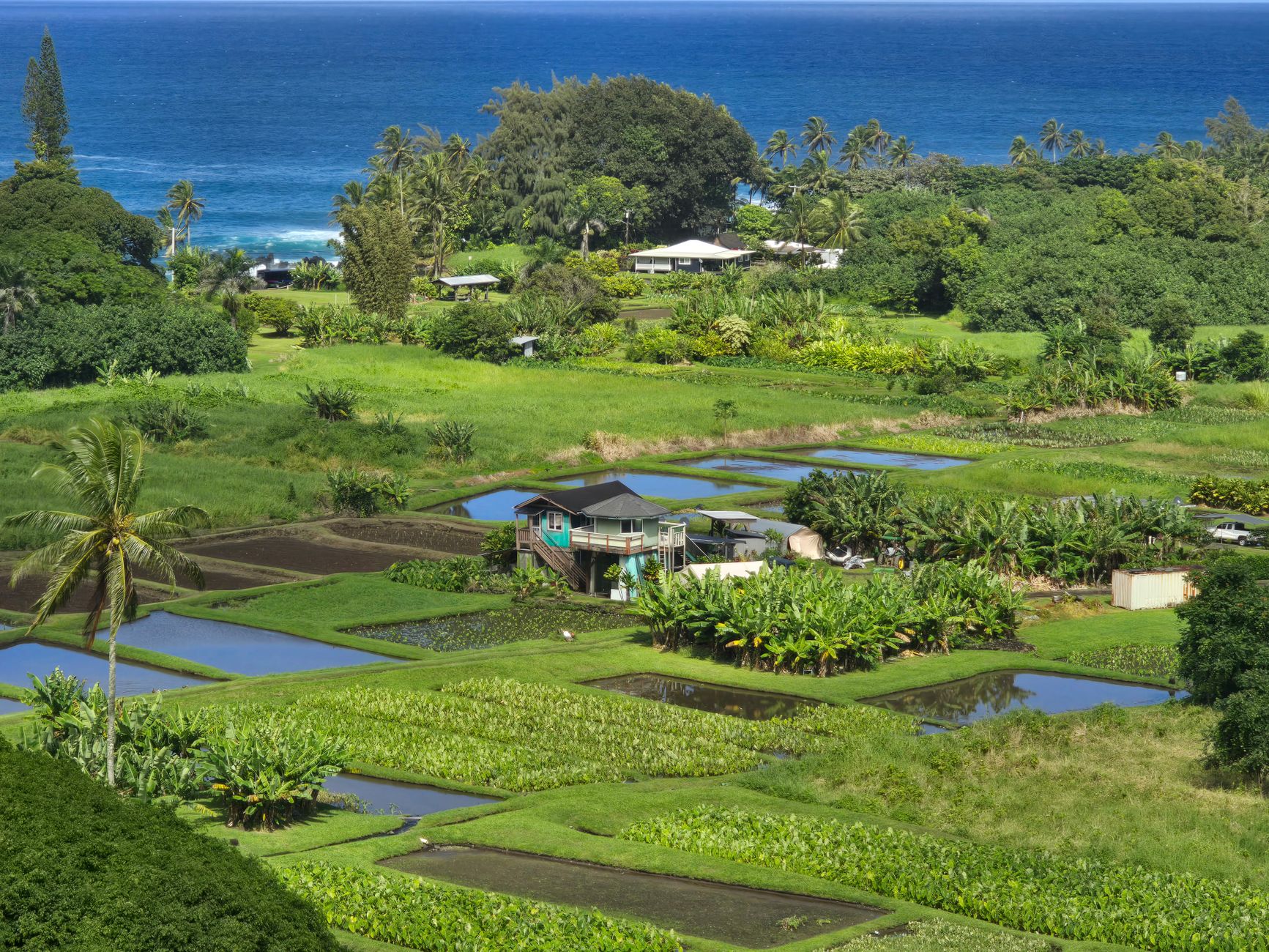
My next adventure took me far from the mountains, into the lush, emerald heart of Northern Thailand, near the city of Chiang Rai. Here, amidst endless rice paddies and verdant jungles, I discovered Baan Saan Dao Farmstay (again, a fictional representation), a tranquil retreat that felt like stepping into a dream.
The Experience:
This wasn't just a farm; it was a way of life. Run by the gentle and endlessly hospitable Lek and his family, Baan Saan Dao offered a deep dive into rural Thai culture and cuisine. My mornings started with the sounds of geckos and the smell of freshly brewed coffee, followed by a breakfast of exotic fruits picked from their trees and sticky rice.
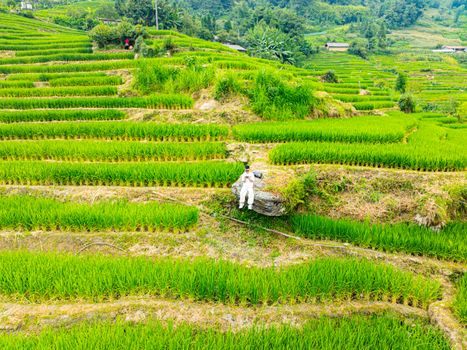
I spent my days immersed in the rhythm of the rice paddies. Lek taught me how to plant rice seedlings, squelching barefoot through the mud, feeling the life-giving water between my toes. It was hard work but incredibly satisfying, especially when rewarded with a cold coconut water straight from the husk. We also explored their extensive herb garden, identifying lemongrass, galangal, kaffir lime leaves, and countless other aromatic treasures that form the backbone of Thai cuisine.
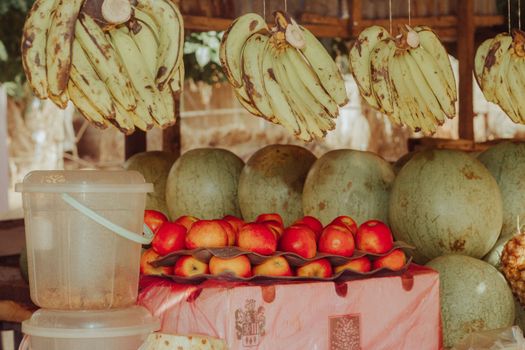
The highlight was the daily cooking classes. In an open-air kitchen, surrounded by the sounds of nature, Lek’s wife taught me to pound curry pastes from scratch, to balance the sweet, sour, salty, and spicy flavors that define Thai food. From vibrant green curry to fragrant tom yum soup and mango sticky rice, every dish was a revelation. We’d eat together with the family, sharing stories and laughter, feeling like a part of their extended clan. A trip to the local market with Lek was an explosion of colors, smells, and sounds, where he explained the local produce and spices.
Specifics & Details:
* Location: Rural Chiang Rai Province, Northern Thailand. Look for "farm stay Chiang Rai" or "homestay with cooking class Northern Thailand."
* Cost: Often incredibly affordable, around $40-$80 per night, usually including all meals and cooking classes/farm activities.
* Best Time to Visit: The green season (June-October) makes the rice paddies especially lush and beautiful, though it can be rainy. The cooler dry season (November-February) is also pleasant.
* Instagram-worthy moments: Verdant rice paddies at sunrise/sunset, vibrant market stalls, close-ups of exotic fruits and herbs, colorful Thai dishes being prepared, smiling locals in traditional attire.
* Booking Tip: Many smaller farmstays are found on Airbnb Experiences or through direct contact. Look for ones emphasizing community and hands-on learning.
The simplicity, the genuine hospitality, and the incredible freshness of the ingredients transformed my understanding of Thai food. It was a delicious reminder that true wealth lies in connection and shared experiences.
Beyond the Plate: Life Lessons from the Land
These farm-to-table adventures were more than just incredible meals; they were profound lessons in living.
- Mindfulness & Gratitude: When you’ve helped grow the food, you eat with a deeper appreciation. Every bite is savored, every ingredient respected. It makes you mindful of your consumption and grateful for the bounty.
- Connection to Nature: Spending days with hands in the soil, under the sun, reconnects you to the earth’s rhythms. It’s a powerful antidote to modern life's constant distractions.
- Cultural Immersion: Food is the ultimate language. Sharing meals and working alongside local families provides an unparalleled window into their culture, traditions, and values.
- Sustainability: Witnessing sustainable farming practices firsthand – crop rotation, organic methods, minimal waste – inspires you to bring those lessons back to your own life. You start thinking about global food systems and your own impact.
- Slow Living: These experiences force you to slow down. There’s no rushing the harvest or the cooking process. It’s a beautiful reminder that some of the best things in life take time.
I returned home not just with incredible recipes and photos, but with a changed perspective. My grocery shopping habits shifted, my appreciation for seasonal, local produce deepened, and my desire for authentic, meaningful travel experiences intensified.
Planning Your Own Earth-to-Table Escape: Practical Tips
Ready to embark on your own transformative culinary journey? Here’s how to make it happen:
- Do Your Research (Beyond Google Maps):
- Specialized Platforms: Websites like Agriturismo.it (Italy), WWOOF (Worldwide Opportunities on Organic Farms – for working exchanges), or dedicated farm stay directories are excellent starting points.
- Airbnb Experiences/Stays: Many smaller, family-run farm stays list their accommodations and activities here. Read reviews carefully!
- Local Tourism Boards: Often have lists of certified agriturismos or farm stays in their region.
- Word-of-Mouth: Ask fellow travelers or join travel forums for recommendations.
- Define Your Desired Experience: Do you want hands-on farming, cooking classes, or simply to enjoy the food and scenery? Some places are more immersive than others.
- Look for Authenticity & Sustainability:
- Prioritize places that grow their own food or source exclusively from local farmers.
- Check for eco-friendly practices (composting, renewable energy, water conservation).
- Read reviews for mentions of genuine interaction with the hosts and local culture.
- Budget Smartly: These experiences can range from very affordable (especially in Southeast Asia or for WWOOFing) to mid-range. Often, the cost includes meals and activities, making it excellent value.
- Pack Appropriately:
- Comfortable, sturdy shoes: You'll be walking, perhaps in fields or uneven terrain.
- Work clothes: If you plan to participate in farm activities, bring clothes you don't mind getting dirty.
- Layers: Remote locations can have unpredictable weather.
- Insect repellent: Especially in tropical or rural areas.
- Open Mind & Heart: This is the most crucial item! Be ready to learn, adapt, and connect.
- Book Directly When Possible: This often ensures the best price for you and more profit for the local business.
- Respect Local Customs & Environment: You are a guest in someone’s home and on their land. Be mindful, ask before taking photos, and leave no trace.
The Next Bite Awaits…
My remote farm-to-table experiences were not just trips; they were pilgrimages. They opened my eyes to the incredible stories held within a single ingredient, the profound wisdom of the land, and the boundless generosity of people who live closest to it. They taught me to eat with intention, travel with purpose, and live with a deeper connection to the world around me.
If you’re craving a travel experience that nourishes your body, mind, and soul, I urge you to seek out your own farm-to-table adventure. Go off the map. Get your hands dirty. Taste the difference. You might just find that the most extraordinary flavors come from the most unexpected places, and that the simplest meals can change your life forever.
What's your dream farm-to-table destination? Share your thoughts and experiences in the comments below! And don't forget to pin this post for your next authentic adventure!
---