Chasing Whispers: How I Fell in Love with the World's Secret Cascades
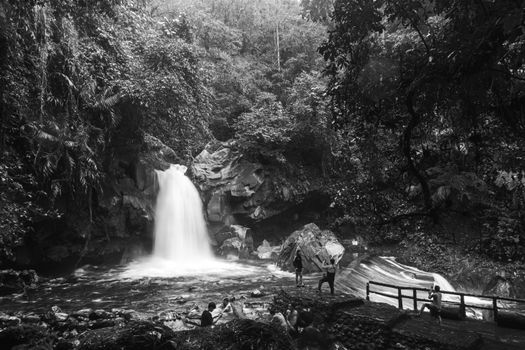
I remember it like yesterday. It was a scorching summer day in Southeast Asia, and I was at one of the region's most famous waterfalls. The photos online promised serene turquoise pools and a majestic cascade. What I found was a human traffic jam, selfie sticks galore, and a line stretching longer than a theme park ride just to dip a toe in the "refreshing" water. My heart sank. This wasn't the nature immersion I craved; it was a tourist factory.
That day, something shifted. I decided then and there that my travel philosophy needed a recalibration. I wanted to hear the true roar of nature, to feel the spray of untouched water on my face, to stand in awe of beauty that wasn't filtered through a thousand Instagram posts. I wanted to chase whispers, not screams.
And so began my quest for hidden waterfalls – those elusive, often challenging-to-reach gems that reward the intrepid traveler with unparalleled beauty and profound solitude. Over the past few years, I've trekked through dense jungles, navigated treacherous paths, and followed the faintest of local leads, all in pursuit of that perfect, secret cascade. And let me tell you, every blister, every mosquito bite, every muddy boot has been worth it. The feeling of discovering a waterfall that feels like yours, even just for an hour, is truly mind-blowing.
If you, like me, yearn for authentic adventure and breathtaking natural beauty far from the madding crowd, then bookmark this page. You're about to embark on a journey that will redefine your idea of a waterfall.
The Allure of the Unseen: Why Go Off-Path for Waterfalls?
Why bother with the extra effort, the longer hikes, the potential for getting a little (or a lot) lost? The answer is simple: the reward is immeasurable.
- Unrivaled Solitude: Imagine standing before a majestic cascade, the only sound the thunderous rush of water and the chirping of unseen birds. No jostling crowds, no waiting for a clear photo op. Just you and nature, in perfect harmony. This is the true magic of hidden waterfalls.
- Untouched Beauty: These cascades often flow through pristine ecosystems, far from human development. The water is clearer, the surrounding flora more vibrant, the air fresher. You witness nature in its rawest, most magnificent form.
- Genuine Adventure: The journey to a hidden waterfall is an adventure in itself. It often involves navigating challenging terrains, relying on local knowledge, and pushing your comfort zone. This isn't just a sightseeing trip; it's an expedition.
- Deeper Connection: When you earn your view, you appreciate it more deeply. The struggle, the anticipation, and finally, the reveal, create a profound connection to the place. It's a memory etched into your soul, not just a fleeting image.
- Bragging Rights (the good kind!): Let's be honest, there's a certain satisfaction in discovering places few others have seen. You become a storyteller, sharing tales of secret paradises that inspire others to seek their own adventures.
Gearing Up for the Great Cascade Hunt: Essential Prep & Packing
Before you lace up your boots and dream of misty spray, a little preparation goes a long way. Going off the beaten path requires smart planning to ensure safety and enjoyment.
- Do Your Homework (But Don't Overshare!): Research is key. Look for local blogs, obscure travel forums, or even ask local guides for "secret spots." However, once you find information, be mindful of how you share it. Part of keeping these places special is not broadcasting their exact GPS coordinates to the masses.
- Hire a Local Guide: This is non-negotiable for truly hidden gems. Local guides possess invaluable knowledge of the terrain, weather patterns, and often, the history and legends of the area. They can navigate safely, communicate with local communities, and enhance your experience tenfold. Expect to pay anywhere from $30-$150 USD per day for a guide, depending on the region and duration. It's an investment in safety and authenticity.
- Physical Fitness: Many hidden waterfalls require moderate to strenuous hiking. Be honest with yourself about your fitness level and choose trails accordingly. Start with shorter, less challenging hikes and gradually build up.
- Weather Watch: Waterfalls are often in areas prone to sudden weather changes. Heavy rains can make trails impassable or dangerous due to flash floods. Always check the forecast and be prepared to change plans.
- The Right Gear is Gold:
- Sturdy Hiking Boots: Waterproof and with excellent ankle support.
- Quick-Dry Clothing: Layers are your friend.
- Swimsuit & Towel: For those refreshing dips!
- Small First-Aid Kit: Blister plasters, antiseptic wipes, pain relievers, bug spray.
- Water & Snacks: More than you think you'll need.
- Dry Bag: Essential for protecting electronics, wallet, and extra clothes from spray or unexpected downpours.
- Power Bank: Keep your phone charged for navigation (offline maps!) and photos.
- Headlamp: Just in case your return takes longer than expected.
- Navigation Tools: A reliable GPS device or a phone with offline maps (like Maps.me or Gaia GPS) is crucial, even with a guide.
My Top Mind-Blowing Hidden Waterfalls (and How to Find Your Own!)
These are not just places; they are experiences. While I won't give you exact coordinates to protect their pristine nature, I'll paint a vivid picture and give you enough clues to start your own adventure. Remember, the journey is part of the magic.
1. The Emerald Veil of "Susu Biru" (Indonesia, Sulawesi)
My adventure to find Susu Biru (Indonesian for "Blue Milk") began with a bumpy, four-hour jeep ride deep into the heart of Sulawesi. We left the main road and traversed through palm oil plantations, then dense jungle, until the jeep couldn't go any further. From there, it was a two-hour hike, guided by a local named Pak Budi, who communicated mostly through gestures and a warm smile.
The trail was challenging – steep ascents, muddy descents, and several river crossings where the current was surprisingly strong. We passed through small, remote villages where children waved shyly, and the air was thick with the smell of damp earth and exotic flowers. Just when my legs started to question my life choices, Pak Budi pointed to a gap in the foliage.
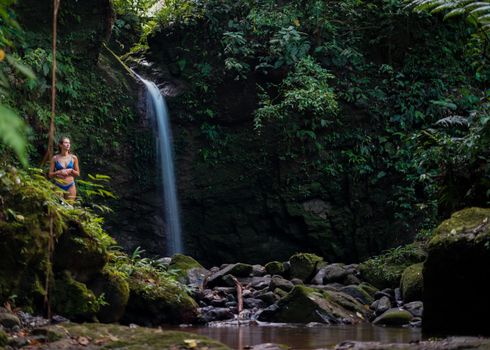
What lay beyond was breathtaking. A multi-tiered waterfall, perhaps 30 meters high, cascaded into a series of incredibly vibrant turquoise pools. The water was indeed the color of "blue milk," thanks to the mineral content. Mist rose gently, creating a mystical atmosphere. We were utterly alone. I spent hours swimming in the cool, clear water, feeling the powerful rush against my skin, and just soaking in the profound silence. There were no ropes, no safety rails, just raw, untamed nature.
Practical Tip:
To find places like Susu Biru, focus on islands or regions known for their natural beauty but away from major tourist hubs. Ask local guesthouses or tour operators about lesser-known cascades. Be prepared for basic accommodations (or camping) and a willingness to embrace the unexpected. A local guide for a full day might cost around $50-70 USD, including transport from a nearby town.
2. The Whispering Caves of "Fjallfoss" (Iceland, Westfjords)
Iceland is famous for its waterfalls, but most travelers stick to the Golden Circle. My search for true solitude led me to the remote Westfjords, a region less populated than a small village. After several days exploring rugged coastlines, I heard whispers from a local fisherman about a waterfall hidden within a sea cave, only accessible at low tide.
The journey involved a 3-hour drive along a gravel road, followed by a scramble down a rocky cliff face (definitely not for the faint of heart or those afraid of heights!). We timed our visit meticulously with the tide charts. As the icy Atlantic receded, a narrow opening in the cliff face revealed itself. Inside, the air was cold and damp, echoing with the rhythmic crash of waves outside.
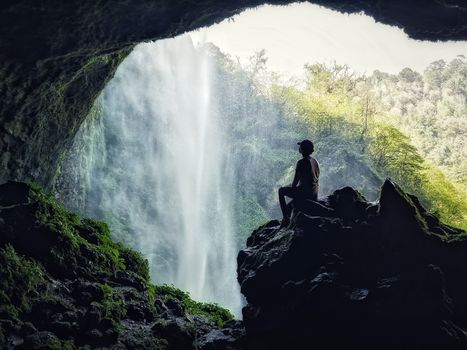
And there it was: a slender, elegant waterfall plummeting into a natural pool inside the cave. The light filtering through the cave's opening created an ethereal glow on the water, making it shimmer like liquid silver. The sound of the water was amplified by the cave walls, creating a powerful, almost spiritual whisper. It felt like stepping into a forgotten world. The cold was biting, but the sheer wonder of the place kept me mesmerized.
Practical Tip:
For unique geological wonders like Fjallfoss, look for areas with dramatic coastlines or volcanic activity. Always check tide times, weather, and potential rockfall dangers. A guide is crucial for safety in such environments. Expect higher prices in Iceland; a specialized guide might run $150-250 USD for a day trip due to the remoteness and expertise required.
3. "Cascada de las Ánimas" (Colombia, Sierra Nevada de Santa Marta)
Deep within the foothills of Colombia's Sierra Nevada de Santa Marta, a mountain range that plunges directly into the Caribbean Sea, lies a network of indigenous trails and hidden natural wonders. My guide, Mateo, was a direct descendant of the local Arhuaco people, and his knowledge of the jungle was encyclopedic. He spoke of "Cascada de las Ánimas" (Waterfall of the Spirits), a sacred site few outsiders had seen.
The trek was hot, humid, and relentless. We hiked for nearly five hours, through dense, insect-filled jungle, crossing suspension bridges made of rope and wood, and wading through rivers where the water was surprisingly warm. Mateo pointed out medicinal plants, ancient petroglyphs, and explained the spiritual significance of various trees. The air hummed with the sound of cicadas and unseen birds.
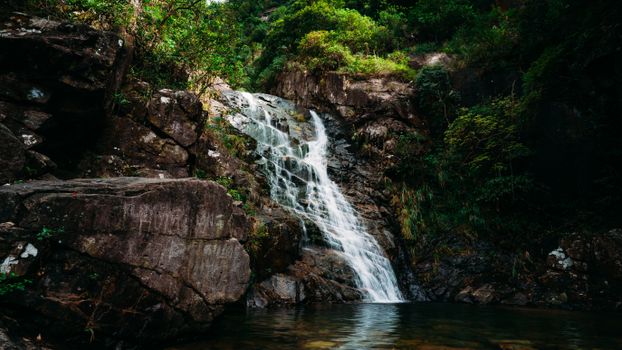
Finally, we arrived. It wasn't one massive drop, but a series of interconnected cascades tumbling down moss-covered rocks, creating natural slides and deep, emerald-green pools. The water was incredibly refreshing after the arduous hike. What made it truly special was the palpable sense of history and spirituality. Mateo performed a small, respectful offering, explaining that the spirits of the ancestors resided here. I spent the afternoon swimming, meditating, and simply being present in this incredibly sacred and vibrant place. It was a privilege to witness.
Practical Tip:
When visiting indigenous lands, always seek permission and ideally, hire a guide from the local community. Respect local customs and traditions. Costs for a multi-day trek into the Sierra Nevada, including a local guide, food, and basic accommodation, could range from $200-500 USD, depending on the length and inclusions.
4. "Serenity's Drop" (Hawaii, Maui - Fictional but inspired by secret pools)
Everyone goes to the Road to Hana on Maui, but very few venture far off the well-trodden paths there. One sweltering afternoon, after exploring a popular, but crowded, black sand beach, I struck up a conversation with a local surfer who, after a shared laugh about the tourist crowds, drew me a rough map on a napkin. "Go past the third mango tree, turn left at the banyan with the red ribbon, and follow the stream," he whispered.
This wasn't a long hike, maybe 45 minutes, but it was tricky. Slippery roots, dense undergrowth, and a few precarious rock scrambles. The air was thick with the scent of plumeria and damp earth. I felt like an explorer in my own backyard, chasing a rumor.
Then, the jungle canopy opened slightly, and I saw it. A delicate, single-drop waterfall, perhaps 15 feet high, plunging into a perfectly circular, crystal-clear pool. The sunlight dappled through the leaves, creating dancing patterns on the water. It was small, intimate, and utterly perfect. I spent an hour floating in the cool water, listening to the gentle splash, and feeling the profound peace of complete solitude. It was my own private slice of Hawaiian paradise, a moment of pure, unadulterated serenity.
Practical Tip:
In popular destinations, the "hidden" spots are often just a little further or require a bit more effort than the average tourist is willing to give. Ask locals (politely and respectfully!), look for faint trails, and always prioritize safety. Be mindful of private property. Costs here are minimal beyond your initial transport, but the experience is priceless.
Navigating the Unknown: Safety, Respect, and Sustainability
While the allure of untouched beauty is powerful, remember that going off-path carries responsibilities.
- Leave No Trace: This is paramount. Pack out everything you pack in, including organic waste. Stay on established (or faint) trails to minimize impact. Don't disturb wildlife or remove natural elements.
- Respect Local Culture & Environment: If you encounter local communities, be respectful. Ask before taking photos, learn a few phrases in the local language, and consider supporting local businesses. Be mindful of sacred sites.
- Safety First, Always:
- Share Your Plans: Always tell someone where you're going and when you expect to return.
- Don't Go Alone (Unless Highly Experienced): A hiking buddy or, better yet, a local guide, is highly recommended.
- Trust Your Gut: If a trail feels too dangerous, or the weather turns, turn back. No photo or experience is worth risking your life.
- Know Your Limits: Don't attempt hikes beyond your physical capabilities.
- Be a Responsible Storyteller: When sharing your finds, be vague about exact locations. Encourage exploration, but protect these fragile spots from over-tourism. The goal is to inspire, not to create the next crowded hotspot.
Capturing the Magic: Photography Tips for Waterfalls
You'll want to remember these moments forever, and share them (responsibly!). Here are a few tips for epic waterfall shots:
- Long Exposure Magic: This is the classic waterfall shot. Use a tripod and a slow shutter speed (1/2 second to 2 seconds or more) to create that silky, ethereal blur of the water. An ND (Neutral Density) filter will help achieve this in brighter conditions.
- Composition is Key: Look for leading lines (rocks, fallen trees), use the rule of thirds, and try different angles. Get low, get high, get up close to the details of the water.
- Golden Hour & Blue Hour: Early morning or late afternoon light can create stunning warmth or cool, soft tones. Overcast days are also great as they diffuse light evenly and reduce harsh shadows.
- Protect Your Gear: Water and electronics don't mix! Use a rain cover for your camera, keep your lens wipes handy, and definitely use a dry bag for all sensitive items.
- Include a Human Element: A small figure (you, a friend, your guide) in the frame can give a sense of scale and wonder, emphasizing the grandeur of the waterfall. Just make sure the focus remains on the nature.
- Drone Shots (with caution!): If permitted and you're skilled, a drone can offer incredible aerial perspectives. Always check local regulations and respect privacy.
Your Next Epic Adventure Awaits!
The world is full of wonders, many of them still waiting to be truly discovered. The hidden waterfall isn't just a destination; it's a symbol of authentic travel, of pushing boundaries, and of finding profound beauty in unexpected places. It's about the journey, the challenge, and the unparalleled reward of standing in awe of nature's untouched masterpieces.
So, are you ready to trade the crowds for cascades, the noise for nature's symphony? Are you prepared to earn your view? Start your research, pack your bags, and embark on your own quest for a mind-blowing, hidden waterfall. Trust me, the whispers of these secret cascades will call to you, and when you finally find them, you'll understand why some experiences are truly worth going off the beaten path for.
What's your dream hidden waterfall? Have you discovered any secret spots? Share your stories (vaguely, to protect the magic!) in the comments below, or better yet, share this post with a fellow adventure seeker and inspire them to chase their own whispers!
---