I Stepped Into the Silence, and It Was Louder Than the City.
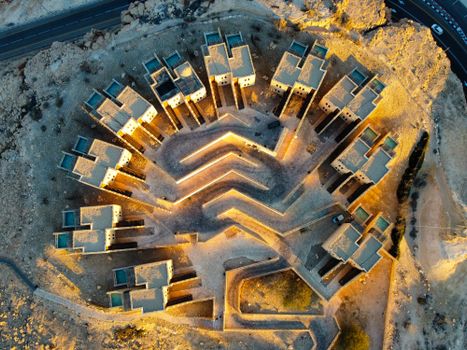
The first thing I noticed wasn't the heat—it was the scent. It was a sharp, intoxicating blend of sun-baked sandstone, wild oud, and the distant, metallic promise of an approaching rainstorm. I was standing on the terrace of a villa in AlUla, Saudi Arabia, watching the sunset bleed amber and violet over 2,000-year-old Nabataean tombs.
Ten years ago, this was a whisper in the wind for archeologists. Today, according to recent tourism data, it is the epicenter of a global shift. The world’s elite are no longer just looking for "sun and sea." They are seeking "silence and space." We are witnessing a radical transformation: desert cities are shedding their "harsh environment" labels to become the most coveted luxury destinations on the planet.
1. AlUla, Saudi Arabia: The Living Museum of the 1%
If you want to see where the "Desert Cities Transforming Into Luxury Destinations According to Recent Data" trend started, look no further than the Kingdom. Data from the Royal Commission for AlUla shows a staggering 25% year-over-year increase in international luxury arrivals.
This isn't just a sandbox; it’s a masterclass in "Invisible Architecture." Take Maraya, the world’s largest mirrored building. It reflects the canyon walls so perfectly that it practically disappears.
- The Experience: Stay at Habitas AlUla. It’s not a hotel; it’s an ethos. There’s no traditional check-in desk. Instead, I was greeted with a wooden bead ceremony and a private sound bath.
- Pro-Tip: Don't just book a standard tour of Hegra. Request the "Vintage Land Rover" sunset tour. The drivers know the exact angle where the sun hits the 'Lonely Castle' (Qasr al-Farid) to make the stone look like liquid gold.
2. Palm Springs, California: The Mid-Century Modern Renaissance
While many think of Palm Springs as a 1950s relic, recent real estate and hospitality data suggests a "Second Gold Age." Investment in ultra-luxury boutique properties has increased by 40% since 2021. The city is pivoting from "retirement haven" to "design-forward sanctuary."
The transformation here is driven by The Hermann Bungalows and L’Horizon Resort. These aren't just hotels; they are curated architectural experiences where the ratio of staff to guests is nearly 3-to-1.
- The Vibe: It’s all about "Desert Modernism"—floor-to-ceiling glass, xeriscaped gardens, and zero-edge pools that blur the line between the patio and the San Jacinto Mountains.
- Pro-Tip: Skip the crowded brunch spots on Palm Canyon Drive. Head to Kreem for artisanal ice cream (the rosemary-salted chocolate is life-changing) and then drive to the Twin Palms neighborhood to see the Frey House II from the street at dusk.
3. Wadi Rum, Jordan: From Glamping to "Mars on Earth"
Data from Jordan’s Ministry of Tourism highlights a shift in Wadi Rum from backpacker tents to "Hyper-Luxury Domes." The rise of "Astro-tourism" has turned this red-sand desert into a playground for the tech-elite.
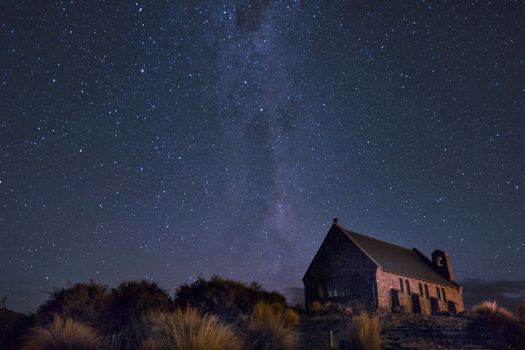
I spent a night at the Wadi Rum Bubble Luxotel. Lying in a climate-controlled transparent dome, watching the Milky Way sprawl across the sky like a spilled bottle of ink, I understood why the data shows a 50% increase in "stargazing-centric" bookings.
- The Detail: The luxury here is found in the contrast. You spend the day in a dusty 4x4 and the evening eating Zarb (Bedouin barbecue cooked underground) served on fine porcelain with chilled Lebanese white wine.
- Pro-Tip: Ask your guide to take you to the "Hidden Canyon" near the Burdah Rock Bridge. Most tours skip it, but at 10 AM, the light filters through the narrow cracks in a way that rivals Arizona’s Antelope Canyon—without the 200 other tourists.
4. The Atacama Desert, Chile: High-Altitude Healing
According to recent wellness travel reports, the Atacama is now outperforming traditional spa hubs in Switzerland for "transformative travel." At 8,000 feet above sea level, the air is the purest on earth, and luxury lodges like Nayara Alto Atacama are capitalizing on this.
The architecture here is "Altiplanic"—built with adobe and volcanic rock to blend into the Salt Mountains. It’s rugged, yet the thread count in the rooms is higher than my IQ.
- Authenticity Note: This isn't just about the views. It’s about the Pisco Sours infused with rica-rica (a local desert herb) and the thermal pools that mirror the constellations.
- Pro-Tip: The "El Tatio" Geysers are the big draw, but they are crowded at dawn. Instead, visit the Laguna Baltinache at 2 PM. The salt concentration is higher than the Dead Sea, and the luxury operators provide private "floating" lunches on the shore.
5. The Data: Why the Desert, and Why Now?
Why are desert cities transforming into luxury destinations according to recent data? The "Global Wealth Report" suggests three key drivers:
- Privacy as Currency: In an era of constant surveillance, the vast, empty horizons of the desert offer a level of seclusion that islands can no longer provide.
- Climate Control Tech: Advancements in sustainable cooling and "atmospheric water generators" allow 5-star resorts to operate in 110-degree heat with a net-zero footprint.
- The "Slow Travel" Movement: Data shows a 15% increase in "intentional" travel. The desert, with its stillness, forces a slower pace that resonates with burnt-out executives.
Quick Facts & Logistics
| Destination | Best Time to Visit | Avg. Luxury Nightly Rate | How to Get There |
| :--- | :--- | :--- | :--- |
| AlUla, KSA | Oct – April | $800 - $2,500 | Fly to ULX via Dubai or Riyadh |
| Palm Springs, USA | Jan – May | $500 - $1,500 | Fly to PSP or 2hr drive from LAX |
| Wadi Rum, Jordan | Sept – Nov | $400 - $1,200 | 4hr drive from Amman or 1hr from Aqaba |
| Atacama, Chile | Year-round | $700 - $1,800 | Fly to Calama (CJC) via Santiago |
| Liwa Oasis, UAE | Nov – March | $600 - $2,000 | 3hr private transfer from Abu Dhabi |
6. The "Hidden" Gem: Liwa Oasis, UAE
While Dubai grabs the headlines, the real data-backed luxury shift is happening in the Liwa Oasis, on the edge of the Empty Quarter (Rub' al Khali). Qasr Al Sarab by Anantara is a fortress of opulence emerging from the world's tallest sand dunes.
This is where you go for "Quiet Luxury." There are no gold-plated ATMs here. Instead, there are falconry displays at dawn, camel treks that feel like a scene from Lawrence of Arabia, and a library filled with rare desert maps.
- The Insider Secret: Behind the main pool area, there is a small, unmarked path leading to a private "Dune Sunset Deck." Most guests stay by the bar, but this spot offers a 360-degree view of the shifting sands without a single soul in sight.
7. Sustainable Opulence: The Future of the Desert
The transformation isn't just about thread counts; it's about the environment. Recent data from "Green Key Global" shows that 70% of new desert luxury developments are powered by 80% or more solar energy. We are seeing a move toward "Regenerative Luxury," where the resort actually improves the local ecosystem (e.g., reintroducing the Arabian Oryx in AlUla).
The Verdict
The desert is no longer a place to be feared or merely endured. It has become a canvas for the world’s most ambitious architects and a sanctuary for the world’s most tired travelers. According to recent data, the trend of desert cities transforming into luxury destinations isn't just a fad—it's the new frontier of high-end travel.
So, pack your linen suit and your highest-SPF sunscreen. The dunes are calling, and they’ve never looked more inviting.
---