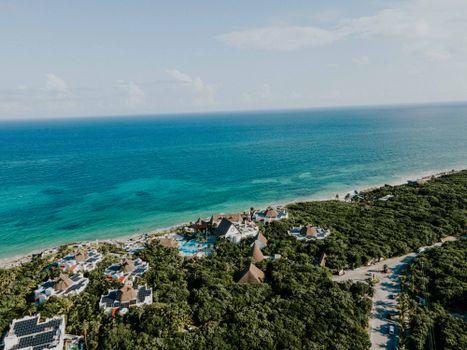
The Silence of the Future: A May Morning in the Maldives
I stepped off the hydrogen-powered silent catamaran, and the first thing I noticed wasn't the turquoise water—though it was blindingly clear—but the sound. Or rather, the lack of it. No thrumming diesel generators, no buzzing AC units. Just the rhythmic hiss of the Indian Ocean and the faint, sweet scent of wild frangipani mixed with the salty tang of a healthy reef.
It’s May 2026, and I’m standing on a jetty made of repurposed ghost nets and bio-cement. My "Digital Concierge" (a sleek, AI-driven interface integrated into my reclaimed-wood room key) pulsed gently, notifying me that my arrival had just been offset by the resort’s on-site seaweed carbon-capture farm. This isn't a "eco-resort" in the 2010s sense—there are no scratchy hemp towels or lukewarm showers here. This is the new era of high-performance, carbon-neutral hospitality, and it is spectacular.
1. The Death of the Carbon Offset: Why 2026 is Different
For years, the hospitality industry hid behind "carbon offsets"—paying someone else to plant trees while they burned gas. In 2026, that’s considered a vintage (and lazy) approach. The leaders in the space have moved toward Absolute Zero.
These resorts are micro-grids. They produce their own power via transparent solar glazing on every window, capture water from the humidity in the air, and use anaerobic digesters to turn kitchen scraps into cooking gas. When you stay at a leader like Soneva Secret or the newly minted Æra in Norway, your footprint isn't just neutral; it's often carbon-negative. You leave the destination better than you found it.
2. The Big Five: Leading Stays for May 2026
The Arctic Alchemist: Svart, Norway
Perched above the Arctic Circle at the base of the Svartisen glacier, Svart remains the gold standard. In May, the midnight sun begins its takeover, bathing the circular, glass-fronted structure in a perpetual golden hour.
* The Innovation: It’s the world’s first "Powerhouse" hotel, meaning it produces more energy than it consumes over its lifetime.
* Insider Detail: Look closely at the poles supporting the structure; they are made of weather-resistant wood that doubles as a habitat for local marine life.
* Pro-Tip: Book the "Glacier Foraging" trek. In May, the meltwater reveals rare mountain sorrel and wild lichens used in the evening’s 12-course tasting menu.
The Jungle Titan: Kasiiya Papagayo, Costa Rica
Costa Rica has always been ahead of the curve, but Kasiiya has mastered "Invasive Luxury." The resort is built entirely on platforms without a single drop of concrete.
* The Innovation: The resort uses a closed-loop "Earth-to-Table" system where 95% of the produce is grown within 5 miles using permaculture techniques that restore the soil’s nitrogen levels.
* The Vibe: It feels like a high-end safari, but with the humidity managed by passive "wind-catcher" architecture rather than energy-hogging HVAC systems.
The Desert Mirage: Six Senses Southern Dunes, Saudi Arabia
Part of the Red Sea Project, this resort is a masterclass in solar integration. In the heat of May, the resort stays a cool 22°C (72°F) using nothing but renewable energy.
* The Innovation: The resort features a "Thermal Battery" system that stores solar heat during the day to power cooling systems throughout the night.
* Pro-Tip: The hidden entrance to the "Alchemy Bar" is behind a wall of rammed earth near the spa—ask for the desert-honey infused mocktail.
3. The Gastronomy of Regeneration
In May 2026, the most prestigious ingredient isn't caviar; it's provenance. At these resorts, you aren't just eating local; you’re eating "restorative."
I recently dined at a carbon-neutral pop-up in the Swiss Alps where the butter was churned from "Climate-Positive Cows" (fed a specific red seaweed diet to eliminate methane) and the greens were grown in an on-site vertical farm powered by the hotel’s greywater.
The Flavor Profile:
Expect bold, fermented flavors. Because carbon-neutral resorts avoid heavy shipping, chefs have mastered the art of preservation. Think pickled wild ramps, fermented koji steaks, and honey harvested from "Bee-Hotels" integrated into the resort’s facade.
4. How to Spot "Greenwashing" in 2026
As an elite traveler, you need to know the difference between a resort that says they’re green and one that is green.
* Check the Water: If they are still using plastic bottles or "branded" glass bottles that are shipped in, they aren't carbon neutral. Look for on-site atmospheric water generators.
* The "Cooling" Test: If you walk into a lobby and feel a blast of ice-cold air from an open door, their energy management is failing. True 2026 leaders use phase-change materials in their walls to regulate temperature naturally.
* Transparency: Top-tier resorts now provide a "Carbon Receipt" at checkout, showing the real-time energy usage of your specific suite.
5. Logistics: Planning Your May 2026 Escape
| Destination | Best Way to Get There | Estimated Cost (Per Night) | Impact Score |
| :--- | :--- | :--- | :--- |
| Svart, Norway | Electric Train from Bodø + EV Shuttle | $1,200 - $2,500 | 10/10 (Carbon Negative) |
| Kasiiya, Costa Rica | Electric SUV from Liberia Airport | $900 - $1,800 | 9/10 (Regenerative) |
| Soneva Secret, Maldives | Hydrogen Seaplane from Malé | $3,500+ | 9.5/10 (Zero Waste) |
| Habitas AlUla, KSA | Direct flight to ULX + Solar Shuttle | $700 - $1,400 | 8.5/10 (Low Impact) |
Quick Facts for May Travel:
* Weather: May is the "Sweet Spot." You avoid the peak winter crowds in the Northern Hemisphere and catch the shoulder season prices in the tropics before the monsoon hits.
* What to Pack: High-performance biodegradable fabrics (like Tencel or seaweed-based fibers). Leave the "fast fashion" at home; these resorts often have strict "No Synthetic Microfiber" laundry policies.
6. The Verdict: Is it Worth the Premium?
You might pay a 15-20% "Sustainability Premium" in 2026. Is it worth it?
When you wake up in a room that breathes with the forest, eat food that was literally growing ten feet away an hour ago, and know that your presence is funding the restoration of a coral reef or a mangrove forest—the answer is a resounding yes.
Luxury in 2026 isn't about excess; it's about alignment. It’s about the peace of mind that comes from knowing your indulgence isn't costing the earth.
---