The Day I Planted an Underwater Forest
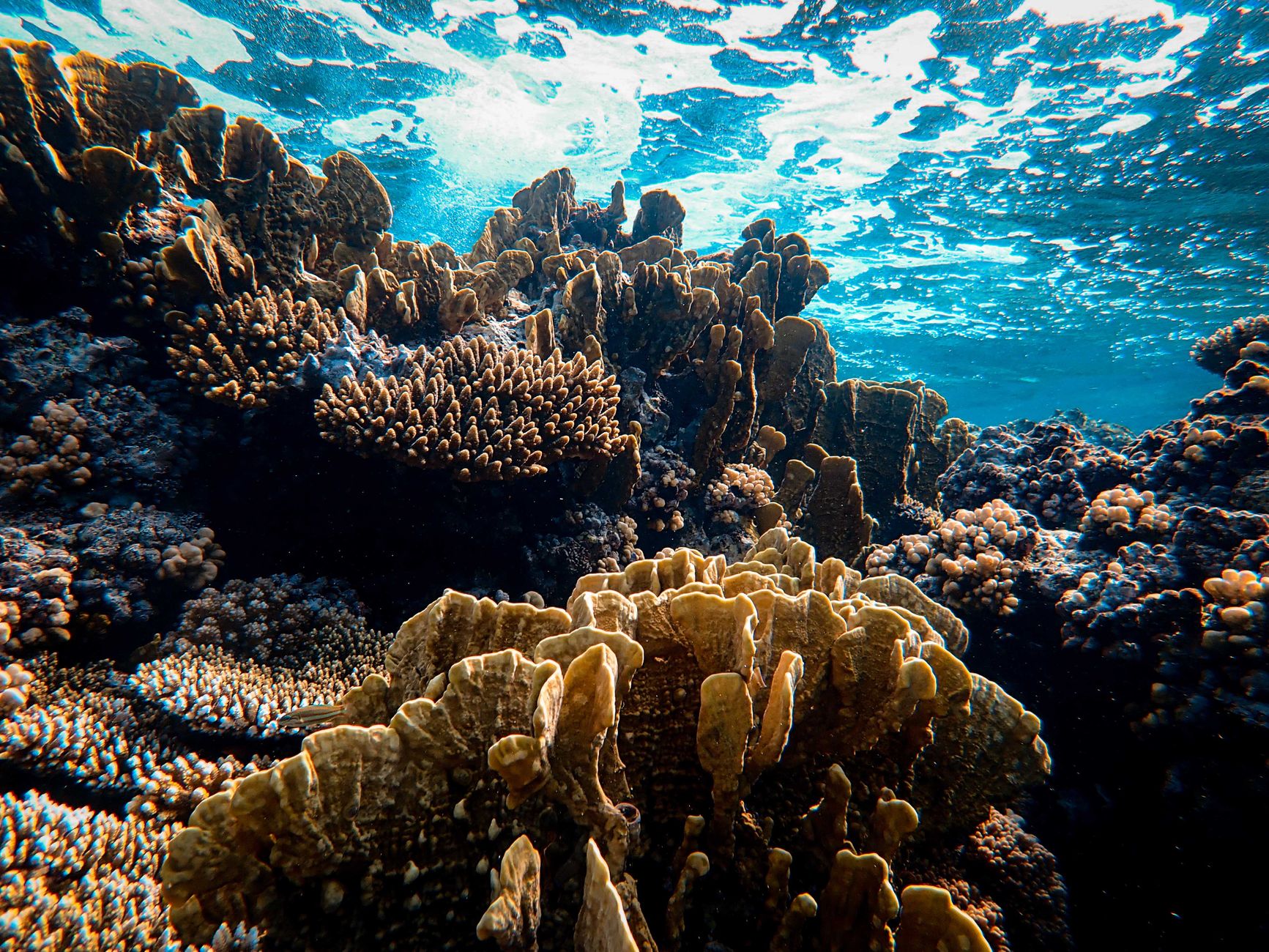
I stepped off the dive boat’s swim platform into 80-degree cobalt water, the sharp tang of saltwater instantly clearing my sinuses. Beneath my fins, thirty feet down in the Florida Keys National Marine Sanctuary, floated what looked like an ethereal, subterranean orchard.
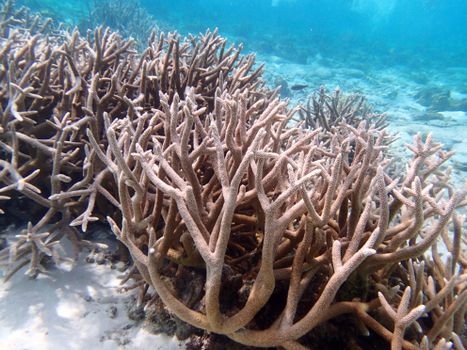
Hundreds of white PVC "trees" swayed gently in the Atlantic surge. Hanging from their branches like living ornaments were thousands of antler-like shoots of Staghorn coral (Acropora cervicornis).
My guide handed me a plastic putty knife and a bundle of marine zip-ties. My mission for the afternoon wasn't just to look at the reef—it was to scrub bio-fouling algae off the nursery frames and secure wild-ready coral fragments onto degraded substrate at a restoration site named Pickles Reef.
For decades, reef conservation was reserved for academic researchers and grant-funded marine biologists. Today, a global grassroots movement allows everyday travelers, recreational scuba divers, and even novice snorkelers to roll up their sleeves and physically rebuild the world's imperiled barrier reefs.
If you are tired of passive sightseeing and want a transformational, high-impact travel experience, here are five high-authority coral restoration programs worldwide where you can participate right now.
---
1. Coral Restoration Foundation (Key Largo, Florida, USA)
The Vibe: High-Tech Marine Engineering Meets Citizen Science
The Coral Restoration Foundation (CRF) is the world's largest non-profit ocean conservation organization dedicated to restoring coral reefs. Operating out of Key Largo, CRF has pioneered the use of offshore coral "trees"—underwater PVC structures tethered to the ocean floor that allow coral fragments to grow at up to three times their natural rate due to 360-degree water movement and nutrient flow.
```
[ Surface Buoy ]
|
| (Tether Line)
|
+-----+-----+ <-- PVC Pipe Branch
| | |
[Coral] | [Coral] <-- Micro-fragments hanging on monofilament
+-----+-----+
|
[ Anchor Base ]
```
What You Will Actually Do
As a recreational diver joining a CRF "Dive with a Purpose" program, your day begins at their educational center in Key Largo for an intensive classroom orientation on coral biology, nursery maintenance, and outplanting logistics.
Afternoon boat charters take you out to the off-shore nurseries. You will dive down to scrape algae and tunicates off the tree structures using wire brushes, assess coral health, and harvest mature colonies.
During the second dive, you will attach those harvested fragments directly onto degraded reef beds using non-toxic 2-part epoxy paste.
- Skill Level Required: Open Water Scuba Certification (PADI, SSI, or equivalent). Excellent buoyancy control is mandatory.
- Target Coral Species: Staghorn (Acropora cervicornis), Elkhorn (Acropora palmata), and Boulder brain corals.
- Pro-Tip: Calibrate your BCD weight with two extra pounds than your standard dive profile. Scrubbing algae from a suspended PVC tree requires negative stability so you don't float upward while working the wire brush.
---
2. Reef Renewal Foundation (Bonaire, Caribbean Netherlands)
The Vibe: Unlimited Shore Diving Meets Precision Reef Craftsmanship
Bonaire is famous among divers for its accessible shore-diving infrastructure, but beneath its turquoise wave line lies one of the Caribbean's most sophisticated coral rehabilitation initiatives. Reef Renewal Foundation Bonaire (RRFB) maintains over a dozen offshore nurseries along the island's leeward coast and Klein Bonaire.
```
+-------------------------------------------------------------------+
| REEF RENEWAL BONAIRE PROCESS |
| |
| [Nursery Tree] --> [EPX-2 Non-Toxic Epoxy] --> [Limestone] |
| Growth Phase Attachment Phase Permanent Reef |
+-------------------------------------------------------------------+
```
What You Will Actually Do
RRFB works through a network of local dive operators (such as Buddy Dive Resort, Toucan Diving, and AB Dive). Travelers can enroll in a 2-day PADI Reef Renewal Specialty Course.
Day one covers theory, nursery cleaning techniques, and mock-outplanting drills on dry land. Day two involves open-water dives where you will hang new wild-collected fragments onto rope lines and use marine epoxy to anchor nursery-grown clusters directly onto dead limestone pavements.
- Skill Level Required: Advanced Open Water Certification preferred, though Open Water divers with 20+ logged dives are accepted.
- Target Coral Species: Staghorn, Elkhorn, and Pillar coral (Dendrogyra cylindrus).
- Pro-Tip: Rent a 4x4 double-cab pickup truck from the airport. RRFB work sites stretch from Salt Pier down to the northern cliffs, and having a pickup bed to haul four dive tanks and wet gear between dives is essential.
---
3. Coral Gardeners (Mo'orea, French Polynesia)
The Vibe: Youth-Driven, Visually Stunning Lagoon Gardening
Founded by a group of young Polynesian surfers and islanders, Coral Gardeners has revolutionized eco-tourism in the South Pacific. Based on the island of Mo'orea (just a 30-minute ferry ride from Tahiti), this organization combines cutting-edge AI ocean monitoring with accessible, hands-on lagoon restoration.
```
+--------------------------------------------+
| CORAL GARDENERS: LAGOON NURSERY LAYOUT |
+--------------------------------------------+
| [Shallow Lagoon Floor: 3-8 Feet Depth] |
| |
| (Bamboo Table) (Super-Coral Racks) |
| |=| |=| |==| |==| |
| | | | | |
| [Frag 1] [Frag 2] [Frag 3] [Frag 4] |
+--------------------------------------------+
```
What You Will Actually Do
Unlike many programs that require advanced scuba qualifications, Coral Gardeners offers hands-on experiences inside protected, calm lagoon waters, making it ideal for non-divers and family travelers.
During an educational program at their Mo'orea headquarters, you learn to identify climate-resilient "super-corals." You will wade or snorkel out into shallow lagoon nursery beds, trim heat-resistant coral fragments, and secure them using eco-cement onto dedicated nursery tables.
- Skill Level Required: None! Suitable for swimmers and snorkelers of all ages.
- Target Coral Species: Pocillopora (Pincushion coral), Acropora, and Porites.
- Pro-Tip: Book the morning session at 8:30 AM. The winds across the Mo'orea lagoon are glass-calm in the early morning, offering pristine visibility for underwater photography and fragment planting before afternoon thermal breezes roll in.
---
4. Ocean Gardener (Nusa Penida & Lembongan, Indonesia)
The Vibe: Deep Science in the Coral Triangle
Located in the heart of the world's epicenter for marine biodiversity, Ocean Gardener operates off the limestone islands of Nusa Lembongan and Nusa Penida near Bali. Founded by marine biologist Vincent Chalias, this organization focuses on education, reef ecology, and low-tech, high-efficiency restoration techniques customized for high-current environments.
```
/ \
/ \ <-- Steel Frame Arm ("Spider")
/ \
+--[C]--+ <-- Coral Fragment attached with cable tie
/| |\
/ | | \ <-- Coated with resin & coral sand
/ | | \
=== GROUND ANCHOR ===
```
What You Will Actually Do
Ocean Gardener offers 3-day and 5-day intensive educational dive courses. You will learn the distinctions between soft and hard coral taxonomy, environmental stress indicators, and physical reef construction.
underwater, you will install Reef Stars—hexagonal steel structures coated in resin and coral sand that stabilize loose coral rubble in strong currents. You will tie living fragments onto these iron frames, creating an artificial substrate that transformed barren rubble fields into thriving ecosystems within two years.
- Skill Level Required: Open Water Scuba Certification with at least 15 logged dives, as currents around Nusa Penida can be strong.
- Target Coral Species: Montipora, Acropora, Stylophora, and Turbinaria.
- Pro-Tip: Stay in the Jungutbatu area of Nusa Lembongan. It provides immediate access to the dive boats and puts you within walking distance of local warungs serving authentic Nasi Campur after a long day in the water.
---
5. Marine Conservation Philippines (Zamboanguita, Philippines)
The Vibe: Rugged Voluntourism and Marine Protected Area (MPA) Management
If you want to spend weeks—or even months—immersed in real-world ocean conservation, Marine Conservation Philippines (MCP) in Negros Oriental offers an unmatched voluntourism experience. Located south of Dumaguete, MCP works alongside local municipal governments to establish and monitor Marine Protected Areas.
```
+-----------------------------------------------------------------+
| MCP FIELD METHODOLOGY PIPELINE |
| |
| [Substrate Survey] -> [Photogrammetry] -> [Rubble Stabilization]|
+-----------------------------------------------------------------+
```
What You Will Actually Do
Volunteers commit to a minimum of two weeks (many stay up to 12 weeks). You won't just plant coral; you will learn scientific transect mapping, underwater photogrammetry, and fish population counting.
For the restoration component, volunteers collect "corals-of-opportunity" (broken corals rolling loose on the sand that would otherwise suffocate) and attach them to bamboo grids or concrete substrate matrices in high-protection zones.
- Skill Level Required: None required to start. MCP will certify you from PADI Open Water up to PADI Advanced and Scientific Diver on-site.
- Target Coral Species: Massive Porites, branching Acropora, and soft leather corals.
- Pro-Tip: Bring your own quality dive mask and dive computer. While MCP provides full scuba gear, having personally fitted equipment makes four-dive days far more comfortable.
---
Essential Gear & Field Etiquette for Coral Volunteers
Participating in hands-on ocean restoration requires strict attention to physical detail and eco-ethics. You are working with living, delicate animal colonies that are easily stressed.
```
[ Coral-Safe Diver Checklist ]
(Mask) ---> Anti-fog made with baby shampoo (no spit)
(Wetsuit) ---> 3mm full suit (prevents nursery scrapes)
(Sunscreen) ---> Non-Nano Zinc Oxide ONLY
(Fins) ---> Heavy rubber / open-heel (prevents accidental kicking)
```
- Reef-Safe Sunscreen is Non-Negotiable: Chemical sunscreens containing Oxybenzone, Octinoxate, or Avobenzone bleach coral larvae and disrupt their DNA. Use certified non-nano zinc oxide sunscreens, or better yet, wear a UPF 50+ long-sleeve rashguard.
- Master Neutral Buoyancy First: Before attempting to tie cable ties or apply marine epoxy underwater, your buoyancy must be ironclad. Uncontrolled fin kicks can destroy decades of coral growth in a single second. Practice hovering horizontally without moving your limbs.
- Pack the Right Tools: Bring a stainless-steel dive slate, a small line cutter or blunt shears (for trimming zip-ties cleanly without leaving sharp edges), and thick tropical dive gloves (if local regulations permit gloves—check with your dive operator first, as some marine parks prohibit them).
---
Program Comparison & Travel Logistics
| Destination / Program | Cost Estimate ($ USD) | Minimum Stay | Skill / Cert Level | Best Time to Visit | Primary Transport Hub |
| :--- | :--- | :--- | :--- | :--- | :--- |
| CRF (Florida Keys, USA) | $150 – $250 / day | 1 Day | PADI Open Water | April – October | Miami Intl Airport (MIA) |
| Reef Renewal (Bonaire) | $220 – $400 (Course + Dives) | 2 Days | PADI Open Water | Year-Round | Flamingo Intl Airport (BON) |
| Coral Gardeners (Tahiti) | $110 – $180 / session | Half-Day | Snorkeler / Swimmer | May – October | Faa'a Intl Airport (PPT) |
| Ocean Gardener (Bali) | $350 – $750 (Multi-day) | 3–5 Days | PADI Open Water | April – November | Ngurah Rai Airport (DPS) |
| Marine Conservation (Philippines) | $1,800 – $2,600 (Includes food/lodging) | 2 Weeks | Novice to Advanced | November – May | Dumaguete Airport (DGT) |
---
How to Get Started Right Now
You don't need to wait for a sabbatical to make a measurable difference in marine conservation.
- Check Your Dive Log: Ensure your scuba certifications are up to date. If you haven't dived in over six months, schedule a quick pool refresher at your local dive shop before flying out.
- Select Your Impact Level: Decide whether you want a single-day educational dive during a family vacation (Florida Keys or French Polynesia) or an immersive multi-week volunteer expedition (Philippines or Bali).
- Book Direct: Always book your conservation dives directly through the official non-profit organizations or their verified local dive partners listed above. This ensures your program fees directly fund nursery hardware, boat fuel, and local research permits.
The ocean's reefs are facing unprecedented challenges, but standing on the sidelines is no longer the only option. By stepping into the water with a pair of shears and a fragment of living coral, you transform from an ordinary traveler into an active steward of the marine world.
---