The Moment Everything Changed in the Clouds
I stepped off the local bus in Urca, Rio de Janeiro, smelling of aviation fuel, salt spray, and cheap espresso. Just twenty minutes earlier, I was staring at a massive line wrapping around a municipal museum—tickets were $42, audio guide extra, zero personal space included. Instead of joining the crowd to squint at framed canvases over three hundred selfie sticks, I walked down a quiet side street toward a small landing pad jutting into the bay.
Three minutes later, I was buckled into a Bell 206 helicopter, my camera strap clamped around my wrist, watching the turquoise carpet of the South Atlantic drop away beneath my feet. The thrum of the rotor blades vibrated through my ribs as the pilot leaned the bird hard to the left, tracing the sheer granite face of Sugarloaf Mountain.
The entire experience cost me $48 USD.
For years, the travel industry has fed us a persistent myth: ground-based sightseeing is for budget travelers, while the sky belongs to the ultra-wealthy. But as an aviation geek and veteran travel writer, I am here to tell you that the math has radically shifted. Between rising museum admission fees—where European and American heavyweights now routinely charge $35 to $50 per person—and the rise of micro-flight sharing, empty-leg transfers, and localized hopper flights, taking to the air is often the single most cost-effective way to see a destination.
Here is how travel experts are ditching the museum lines and flying high without breaking the bank.
---
1. The Sugarloaf Hop: Rio de Janeiro, Brazil
- Average Cost: $48 - $55 USD
- Museum Benchmark: Louvre Museum + Audio Guide ($38 USD)
- The Experience: 6 to 7 minutes of pure adrenalin directly over Guanabara Bay and Sugarloaf.
Most tourists waste half a day standing in line for the Sugarloaf cable car, paying around $30 USD just to be crammed into a glass bubble with seventy sweating strangers. If you head down to the Heliponto Urca—located right at the base of the mountain—local operators run rapid-fire "micro-loops" designed to keep aircraft moving between charter assignments.
```
+-------------------------------------------------------+
| RIO HELI-HOP ROUTE |
| |
| [ Heliponto Urca ] ---> [ Guanabara Bay ] |
| | | |
| v v |
| [ Sugarloaf Granite Face ] <--- [ Vermelha Beach ] |
+-------------------------------------------------------+
```
Because these helicopters are already fueled and sitting on the pad waiting for VIP charters, operators sell seat-fills for cash on the spot. You step directly onto the tarmac, bypass the standard queue entirely, and ascend 1,300 feet into the air in seconds.
Insider Pro-Tip:
Walk up directly to the flight desk at Heliponto Urca between 8:00 AM and 8:30 AM before the official charter bookings begin. Ask if they have "seat-fill slots" (vagas de preenchimento) for the morning maintenance run. You will score the exact same route as the $300 VIP package for a third of the price.
---
2. The Alpine Empty-Leg Hack: Lauterbrunnen Valley, Switzerland
- Average Cost: $38 - $45 USD
- Museum Benchmark: FIFA Museum Zurich ($33 USD) or Chillon Castle ($20 USD + transit)
- The Experience: 10 minutes skimming past icy waterfall drops and the jagged faces of the Eiger and Jungfrau.
Switzerland is notorious for crushing travel budgets, but it also possesses one of the world's highest densities of rescue and transport helicopters per capita. Companies like Swiss Helicopter operate constant supply and repositioning flights (known in the industry as "empty legs") between bases in Interlaken, Stechelberg, and high-altitude alpine huts.
Instead of paying $220 USD for a standard 30-minute scenic flight, smart travelers tap into local air-taxi empty-leg ledgers. When a helicopter flies up the valley empty to pick up a hiking party or deliver supplies to a mountain station, operators sell those empty seats to savvy locals and clued-in travelers for $35 to $45 USD.
```
+-------------------------------------------------------------------+
| SWISS ALPINE EMPTY-LEG MECHANICS |
| |
| [ Heliport Base ] ===( Empty Repositioning Flight: $40 )===> [ Peak ]
| [ Heliport Base ] <===( Paid Private Charter: $300+ )======== [ Peak ]
+-------------------------------------------------------------------+
```
You won't get a champagne toast or a customized tour route, but you will get a front-row seat to the most dramatic mountain landscape in Europe at a fraction of the cost of a Swiss train ticket.
Insider Pro-Tip:
Skip the online booking engines, which slap heavy middleman commissions on scenic tours. Instead, visit the Stechelberg Heliport in person around 7:30 AM or call the local dispatch desk directly. Ask for "repositioning seats" (Leerflüge) available that day.
---
3. The Annapurna Valley Hopper: Pokhara, Nepal
- Average Cost: $35 - $50 USD (per seat on shared shuttles)
- Museum Benchmark: Kathmandu Valley Heritage Combo Pass ($38 USD)
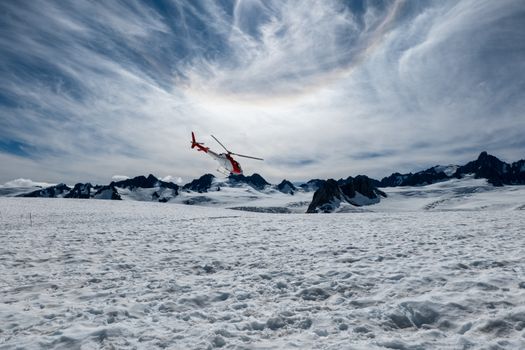
- The Experience: Skimming over terraced tea fields with 8,000-meter snow-capped peaks looming directly above.
Pokhara is the gateway to the Annapurna Circuit, but walking into the mountains takes weeks, and trekking permits add up quickly. Enter the local "mountain shuttle" ecosystem. Dozens of light helicopters commute daily between Pokhara Airport and remote mountain villages, carrying everything from emergency medical supplies to trekking gear.
```
/\ /\ /\
/ \ / \ / \ [Annapurna Massif]
/ \ / \ / \
/______\ /______\ /______\
--------------------------------------------------
\ | /
\ | / <--- Flight Corridor
\ v /
+-------------------------------+
| Pokhara Domestic Terminal |
+-------------------------------+
```
To optimize profits, helicopter dispatches operate like local minibus networks. If an engine has space for two more passengers on a supply run to Mardi Himal or Mustang, dispatchers sell those seats at rock-bottom prices directly inside the domestic terminal.
The air is crisp, thin, and smells faintly of incense and cold stone. The ride is fast, raw, and offers views of Machapuchare (Fishtail Mountain) that no museum installation could ever replicate.
Insider Pro-Tip:
Head to the Mustang/Annapurna helicopter charter desks inside Pokhara's domestic airport terminal at 6:30 AM. Ask for "cargo-share" or "passenger-fill" options heading up-valley. Always carry crisp USD or Nepali Rupees in cash, as card processing terminals at these flight desks are notoriously unreliable.
---
4. The Atlantic Coastline Sprint: Cape Town, South Africa
- Average Cost: $42 - $48 USD
- Museum Benchmark: Zeitz MOCAA + Robben Island Combined Pass ($45 USD)
- The Experience: A thrilling low-altitude sweep along the Atlantic Seaboard, flying past Lion's Head and the twelve Apostles.
Cape Town’s V&A Waterfront is packed with high-end heli-tour operators charging hundreds of dollars for long trips down to the Cape of Good Hope. However, competition among these operators is fierce, leading to a hidden price war that benefits the vigilant budget traveler.
```
+-------------------------------------------------------------------+
| CAPE TOWN COASTAL SPRINT |
| |
| [ V&A Waterfront ] --> [ Green Point Lighthouse ] --> [ Camps Bay ]
| ^ |
| |______________ ( 12-Minute Loop ) ________________|
+-------------------------------------------------------------------+
```
To keep their aircraft flight-certified and pilots compliant with required monthly air hours, operators run short "Hopper" routes. These 12-minute circuits fly out over the Green Point lighthouse, skirt the jagged cliffs of Clifton Beach, and curve back around Table Mountain. During off-peak seasons (May to September), prices drop to around $45 USD—lower than the cost of a full day’s museum and ferry pass combo.
Insider Pro-Tip:
Look out for "same-day standby" boards outside the helipads along Breakwater Edge at the V&A Waterfront. Standby rates drop significantly after 2:00 PM if operators need to fill final flight logs before dusk.
---
5. The Transylvanian Citadel Flight: Râșnov & Bran, Romania
- Average Cost: $38 - $42 USD
- Museum Benchmark: Bran Castle VIP Skip-the-Line Pass ($35 - $40 USD)
- The Experience: Soaring over dense pine forests and medieval stone fortresses floating in the mountain mist.
Bran Castle—popularly known as Dracula’s Castle—is famously choked with tourist buses, long queues, and overpriced souvenir stalls selling plastic vampire teeth. What most travelers don't realize is that the nearby airfields around Râșnov and Brașov offer short, low-altitude flights over the Transylvanian countryside for less than the price of a peak-season castle entry pass.
```
[ Bran Castle ]
^
| (Low-Altitude Pass)
v
[ Râșnov Airfield ] ------------> [ Carpathian Ridge ]
```
Utilizing lightweight, modern turbine helicopters like the Robinson R44, local aviators run rapid aerial loops that swoop down through mountain passes and hover right above the stone parapets of Râșnov Citadel and Bran. The perspective is incredible: dark pine forests stretching to the horizon, mist clinging to limestone ridges, and zero tourists blocking your view.
Insider Pro-Tip:
Book directly through local flight clubs (Aeroclubul României) or small private airfields in Râșnov rather than international tour aggregators. Mention that you want a "short circuit flight" (zbor de agrement) to get the local non-tourist rates.
---
How to Find & Book Ultra-Cheap Helicopter Flights
Finding these bargain aerial routes requires throwing out the standard travel booking playbook. Here is the exact checklist used by flight insiders to secure bottom-dollar seats:
- Bypass Online Tour Aggregators: Websites like Viator and GetYourGuide mark up helicopter tours by 30% to 60% to cover marketing costs. Always go direct.
- Target the Standby Loophole: Walk directly up to helipad dispatch desks early in the morning (between 7:00 AM and 8:30 AM) or late in the afternoon. Ask dispatchers if they have "standby seats" or "repositioning flights" available.
- Leverage Flight School Trial Runs: Many regional flight schools offer "discovery flights" (introductory flying lessons) with a certified flight instructor. These flights often cost far less than commercial air tours because they are subsidized to attract prospective pilots. You sit in the co-pilot seat, wear the headset, and often get to hold the collective control for a few seconds.
- Travel in the Shoulder Season: During low tourist seasons, helipad operations face heavy fixed maintenance costs with fewer customers. This is when flash sales and off-the-book discounts happen.
---
Quick Facts: The World's Cheapest Aerial Tours
| Location | Estimated Cost ($ USD) | Flight Duration | Best Time to Fly | How to Access / Get There |
| :--- | :--- | :--- | :--- | :--- |
| Rio de Janeiro, Brazil | $48 - $55 | 6-7 mins | 8:00 AM | Walk to Heliponto Urca via Uber/Bus from Copacabana |
| Lauterbrunnen, Switzerland | $38 - $45 | 10 mins | 7:30 AM | Take the regional train to Lauterbrunnen, then PostBus to Stechelberg |
| Pokhara, Nepal | $35 - $50 | 10-12 mins | 6:30 AM | Local taxi to Pokhara Domestic Airport (Helicopter Desk) |
| Cape Town, South Africa | $42 - $48 | 12 mins | 2:00 PM | Walk to the V&A Waterfront Helipads near Breakwater Edge |
| Râșnov, Romania | $38 - $42 | 8-10 mins | 9:00 AM | Take a local train/taxi from Brașov to Râșnov Flight Field |
---
Final Thoughts: Take to the Skies
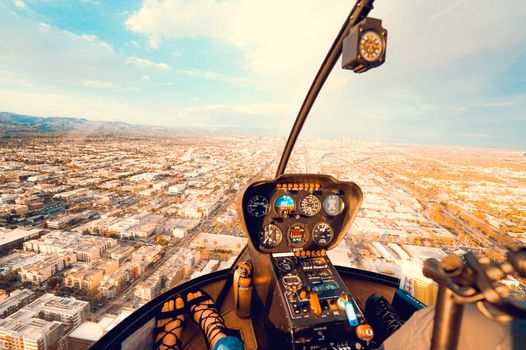
The world looks fundamentally different from 1,000 feet up. The noise of traffic fades into a soft purr, urban clutter turns into intricate geometry, and natural landscapes reveal their true scale.
```
+-------------------------------------------------------+
| THE CHOICE IS YOURS |
| |
| OPTION A: 2-Hour Line -> Crowded Hall -> $45 |
| OPTION B: Zero Line -> 1,000ft Skyview -> $40 |
+-------------------------------------------------------+
```
Next time you plan a trip, don't automatically spend your budget on crowded museums and generic bus tours. Take that same fifty-dollar bill, walk down to the nearest helipad, look the dispatcher in the eye, and ask what empty seats they have leaving this morning. You might just find yourself rising above the crowds for the ride of a lifetime.
---