The Silent Language of Fabric: How Dressing Respectfully Changed My Life Forever
There’s a common saying among travelers: "Pack light, but pack smart." For years, my definition of "smart" revolved around multi-purpose items, wrinkle-free fabrics, and looking effortlessly chic for that perfect Instagram shot. I’d meticulously plan outfits for bustling cityscapes, serene beaches, and adventurous hikes. But somewhere between a bustling souk in Marrakech and a sacred temple in Bali, I had a profound realization: my wardrobe, or rather, my approach to it, was missing the most crucial element of all – respect.
It wasn't a single "aha!" moment, but a collection of subtle nudges, awkward encounters, and incredibly heartwarming interactions that slowly but surely rewrote my travel philosophy. What started as simply "knowing what to wear" evolved into understanding "why to wear it," and that shift, my friends, changed my life forever. It wasn't just about avoiding offense; it was about unlocking deeper connections, fostering genuine understanding, and experiencing cultures in a way I never thought possible. Join me as I recount the lessons learned and the incredible doors that opened when I started speaking the silent language of fabric.
The Unspoken Invitation: Why Dressing with Intent Matters
Before I dive into specific destinations and customs, let's talk about the why. Why does what we wear matter so much? In many cultures, clothing is far more than just protection from the elements or a fashion statement. It's a visual cue, a symbol of identity, status, belief, and respect. It tells a story.
When we, as travelers, step into someone else's story, our attire can either build a bridge or create a barrier. Initially, I thought dressing "modestly" was about adhering to strict rules, sometimes feeling like a burden. But I quickly learned it was an invitation. An invitation to be seen not just as a tourist, but as a guest. A guest who cares enough to learn, to understand, and to honor the traditions of their hosts. This simple act of conscious dressing often translates into warmer welcomes, more authentic interactions, and a deeper sense of belonging. It’s about humility, acknowledging that you are in a foreign land, and showing that you value their customs above your personal comfort or style preferences. It’s an act of empathy, and honestly, it’s the most rewarding kind of travel.
My Moroccan Revelation: Covering Up and Connecting Deeply
My first truly transformative clothing experience happened in Morocco. I arrived in Marrakech, brimming with excitement for the vibrant souks, the scent of spices, and the rhythmic chaos of Jemaa el-Fnaa. My initial wardrobe, while comfortable, consisted of sleeveless tops and knee-length shorts – perfectly fine for a hot European summer, I thought.
The first few days were a blur of sensory overload. While no one was overtly rude, I noticed a subtle difference in how I was perceived. Shopkeepers were polite but transactional. My interactions felt superficial. Then, a local guide, Fatima, gently suggested, "Perhaps you would be more comfortable in a djellaba, my dear? It is cooler, and people will see you differently." Intrigued, I visited a local tailor, a wizened old man with kind eyes, who helped me choose a simple, flowing cotton djellaba in a beautiful indigo blue. It cost me about 150 Moroccan Dirhams (around $15 USD). I also picked up a lightweight scarf for 50 Dirhams ($5 USD) to cover my hair when visiting mosques or just for extra sun protection.
The moment I stepped out in my new attire, something shifted. The relentless hawkers in the souks were still there, but their approach softened. "Ah, benti (my daughter), you honor our traditions," one spice vendor remarked, offering me a small glass of mint tea. Women smiled and nodded, their eyes crinkling with warmth. I felt an immediate sense of ease, a quiet confidence that came from blending in, not sticking out. I was no longer just a tourist; I was a respectful visitor. I was invited into homes for tea, shared stories with artisans, and felt the genuine warmth of Moroccan hospitality. The djellaba became my second skin, a symbol of my respect, and it opened up a world of authentic connection that my shorts and tank tops never could. It taught me that sometimes, the most liberating thing you can do is cover up.
Practical Tip:
When in Morocco or similar conservative cultures, pack loose-fitting clothing that covers your shoulders, chest, and knees. Natural fabrics like cotton and linen are key for comfort in the heat. Always carry a lightweight scarf – it's incredibly versatile for covering your head, shoulders, or even as a makeshift skirt.
Temple Etiquette in Southeast Asia: More Than Just a Sarong
Southeast Asia, with its breathtaking temples and sacred sites, presents another powerful lesson in respectful dressing. My journey took me from the glittering Wat Arun in Bangkok to the mystical Angkor Wat in Cambodia and the serene temples of Bali. Each visit reinforced the importance of appropriate attire, not just as a rule, but as a gesture of reverence.
In Thailand, I’d often see tourists turned away from grand temples like the Grand Palace or Wat Pho for wearing shorts or sleeveless tops. Thankfully, most major sites offer sarongs for rent at a nominal fee (usually 50-100 THB, or $1.50-$3 USD). I remember one sweltering afternoon at Wat Phra Kaeo (Temple of the Emerald Buddha) in Bangkok. I had packed a maxi skirt and a modest top, but a few fellow travelers were scrambling to rent sarongs, looking flustered. Witnessing their rush, I felt a quiet pride in having prepared. As I gracefully entered the temple grounds, the cool marble under my feet, the soft scent of incense, and the hushed reverence of the locals, I felt truly present. My covered shoulders and legs weren't just about following rules; they were about honoring the sacred space, allowing me to fully absorb the spiritual energy without distraction or self-consciousness.
The same applied to Angkor Wat. Navigating the ancient stones, I saw many tourists in skimpy outfits, clearly uncomfortable under the gaze of local temple guards and monks. My long, breathable trousers and a linen shirt not only protected me from the sun but also allowed me to move freely and respectfully through the hallowed ruins. In Bali, where daily offerings and ceremonies are woven into the fabric of life, a kain (sarong) and selendang (sash) are customary for entering temples. I bought a beautiful batik sarong for about 100,000 IDR ($7 USD) in Ubud. Wearing it, I felt a deeper connection to the Balinese spiritual traditions, like I was participating rather than just observing. It’s a small detail, but it made a world of difference to my experience.
Practical Tip:
Always pack a lightweight sarong or large scarf in your day bag when exploring temples in Southeast Asia. Wear clothing that covers your shoulders and knees. Slip-on shoes are also a godsend, as you’ll often need to remove them before entering prayer halls.
Italy's Churches & Vatican City: A Lesson in European Modesty
You might think that respectful dressing is primarily a concern in non-Western cultures. Think again! My trip to Italy, particularly Rome and Vatican City, quickly disabused me of that notion. The grandeur of St. Peter's Basilica, the solemn beauty of the Sistine Chapel, and countless churches across Italy demand a similar level of respect.
My most memorable (and slightly embarrassing) moment happened right outside St. Peter's Basilica. It was a scorching August day, and I was wearing a lovely sundress – knee-length, but with thin spaghetti straps. As I approached the security checkpoint, a stern-faced guard pointed to my shoulders and shook his head. "No entry, signorina! Shoulders must be covered." My heart sank. I had read about the dress code, but in the rush of sightseeing, I'd completely forgotten to pack my trusty scarf. Panic set in. Luckily, a flurry of street vendors appeared, offering flimsy scarves for an inflated price. I shelled out 10 Euros for a rather garish floral scarf, quickly draped it over my shoulders, and finally gained entry.
Inside, surrounded by centuries of art and faith, I realized the importance of that small act of covering up. It wasn't about judgment; it was about honoring the sanctity of the space. From that day on, whether visiting a small village church in Tuscany or the magnificent Duomo in Florence, I always made sure to have a cardigan or a substantial scarf on hand. This experience taught me that cultural sensitivity isn't limited to exotic locales; it's a universal principle that applies wherever faith and tradition hold sway. It also taught me to always double-check specific dress codes, even in places you might assume are more lenient.
Practical Tip:
When visiting churches or religious sites in Europe, ensure your shoulders and knees are covered. Avoid deep necklines. A versatile cardigan, light jacket, or large scarf is your best friend.
Beyond the Obvious: Subtle Cues and Cultural Nuances
The beauty of respectful dressing extends beyond the clear-cut rules of temples and mosques. It delves into the subtle nuances that often go unnoticed but speak volumes.
Japan's Impeccable Presentation:
In Japan, while there aren't strict religious dress codes in the same vein, presentation is paramount. Cleanliness, neatness, and understated elegance are highly valued. Removing your shoes before entering homes, many restaurants, and some traditional establishments is customary. And here's a subtle one: make sure your socks are clean and hole-free! I learned this when visiting a traditional ryokan in Hakone. My host noticed my slightly worn socks and subtly offered me a fresh pair. It was a gentle, non-judgmental gesture, but it highlighted the meticulous attention to detail and respect for appearance in Japanese culture.
India's Vibrant Modesty:
Traveling through India, I was captivated by the riot of colors in traditional wear, yet observed how women universally dressed with modesty – saris, salwar kameez, and dupattas covering heads or shoulders. While not always mandatory for tourists, adopting a similar style, even with Western clothing, can foster immense goodwill. I found that wearing long skirts or loose trousers and modest tops garnered more friendly smiles and fewer unwanted stares, especially in smaller towns.
These experiences solidified my belief that true respectful travel isn't just about avoiding offense, but about actively seeking to understand and participate in local customs, however subtle. It’s about being observant, asking questions when appropriate, and always defaulting to a more conservative approach if unsure.
Practical Packing for the Respectful Traveler: My Go-To Gear
After years of trial and error, I've curated a packing strategy that allows me to be respectful, comfortable, and still feel stylish, no matter where I'm headed. These aren't just clothes; they're tools for deeper cultural immersion.
- The Versatile Scarf/Shawl: This is my absolute number one must-have. I pack at least two: one lightweight cotton/linen for hot climates, and one slightly warmer pashmina-style for cooler evenings or air-conditioned spaces. They serve as head coverings, shoulder coverings, impromptu skirts, sun shields, picnic blankets, and even light blankets on planes. Look for ones in neutral tones or subtle patterns that complement your wardrobe.
- Loose-Fitting Trousers/Maxi Skirts: Ditch the tight jeans and short shorts. Opt for breathable fabrics like linen, Tencel, or lightweight cotton. Palazzo pants, culottes, and flowy maxi skirts are perfect. They're comfortable, modest, and can be dressed up or down.
- Breathable Long-Sleeved Tops & T-Shirts: Pack a mix of long-sleeved blouses (especially those with roll-up tabs) and T-shirts with at least cap sleeves. Look for moisture-wicking fabrics if you're traveling in humid climates.
- A Modest Swimsuit/Rash Guard: If your travels take you to conservative beach destinations, consider a one-piece swimsuit or even a rash guard for swimming, especially if you plan to interact with locals at public beaches.
- Comfortable Slip-On Shoes: Essential for places where you'll frequently remove your shoes (temples, homes). Sandals, espadrilles, or loafers are great options. Make sure they're comfortable for walking!
- A Lightweight Cardigan or Jacket: Even in hot climates, a light layer is useful for air-conditioned spaces, cooler evenings, or for quickly covering up when entering a religious site.
- Layering is Key: Think in layers. A modest base layer (camisole or short-sleeved top) combined with an open shirt or light jacket allows you to adapt quickly to different situations and temperatures.
Instagram-Worthy Tip:
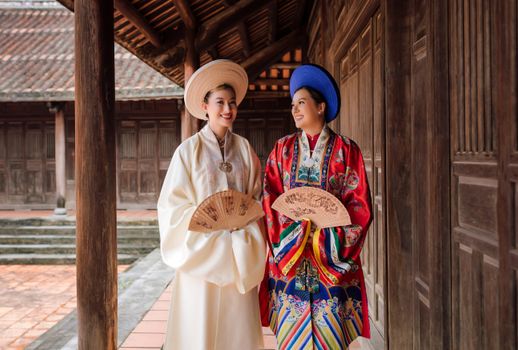
Respectful dressing doesn't mean sacrificing style! Embrace local textiles and patterns. A beautifully embroidered tunic from Mexico, a vibrant silk scarf from India, or a simple yet elegant linen dress can be incredibly chic while honoring local aesthetics. Seek out local markets for unique pieces that not only serve a practical purpose but also make fantastic souvenirs and conversation starters.
The Ultimate Travel Transformation
My journey through the world of clothing customs has been nothing short of transformative. It’s moved me beyond simply "seeing" a place to truly "feeling" it, connecting with its heart and soul. It taught me that respect is a universal currency, and sometimes, the simplest gestures – like choosing a long skirt over shorts – can be the most powerful.
These lessons have enriched my travels beyond measure, opening doors to authentic experiences, deeper friendships, and a profound understanding of our interconnected world. It's a philosophy I now carry with me on every adventure, a reminder that we are all guests on this planet, and the greatest gift we can offer is our respect.
So, as you plan your next adventure, I urge you: look beyond the packing list. Research the local customs, embrace the opportunity to learn, and allow the silent language of fabric to guide you. You might just find that how you dress can change your life, one incredible journey at a time.
What's your most memorable experience with clothing customs abroad? Share your stories and tips in the comments below! Let's inspire each other to travel more respectfully and connect more deeply.
---