The scent of indigo, earthy and deep, filled the small, sun-dappled workshop. My fingers, stained blue, carefully untied the last knot on the fabric, revealing a breathtaking pattern that was uniquely mine. Beside me, an elderly Japanese artisan, his face etched with decades of wisdom, smiled. He didn't speak much English, and I, even less Japanese, but in that moment, as I held my newly dyed Shibori scarf, we shared a language of creation, tradition, and quiet understanding. This wasn't a pre-booked, mass-market tourist class. This was a discovery, a true local secret I stumbled upon, and it was pure magic.
We've all been there: ticking off the landmarks, snapping the same photos, buying the same mass-produced souvenirs. But what if your travels could be more? What if you could peel back the layers of a destination and discover its beating heart, its ancient rhythms, its hidden skills? I'm talking about the kind of experiences that don't make it into glossy brochures because, frankly, the locals want to keep them authentic, intimate, and free from the bustling crowds.
This isn't about being sneaky; it's about respectful immersion. It's about seeking out genuine connection, learning a craft passed down through generations, and leaving with not just a souvenir, but a story, a skill, and a piece of that culture woven into your very being. Over years of wandering, I've unearthed some truly incredible ancient trades you can genuinely learn in a single day. Forget the tourist traps – these are the real deals, the experiences that will transform your trip and give you bragging rights that go far beyond a selfie.
Ready to get your hands dirty and unlock some ancient secrets? Let's dive in!
The Indigo Whisperers of Arimatsu: Mastering Japanese Shibori Dyeing
My journey into the world of ancient crafts often begins with a detour. Instead of heading straight for the well-trodden paths of Kyoto, I found myself in Arimatsu, a small, historic town near Nagoya, Japan, renowned for its exquisite Shibori dyeing. The streets here felt like a step back in time, lined with traditional wooden houses, many of them centuries-old merchant homes, their facades adorned with indigo-dyed fabrics.
I wasn’t looking for a "Shibori workshop for tourists." I was simply exploring, drawn by the vibrant blues hanging outside a small, unassuming shop. Peeking inside, I saw bolts of fabric, intricate patterns, and a woman meticulously folding and tying cloth. With a polite bow and a few broken Japanese phrases, I managed to convey my interest. What followed was an impromptu, intimate lesson that felt more like a cultural exchange than a commercial transaction.
What You'll Learn:
Shibori is a resist dyeing technique, similar to tie-dye but far more intricate and artistic. In a day, you can learn several basic techniques:
* Kumo Shibori (Spider Shibori): Creating spider-web-like patterns by pinching and binding fabric.
* Makiage Shibori (Bound Resist): Using thread to bind sections of fabric tightly.
* Itajime Shibori (Clamp Resist): Folding and clamping fabric between wooden blocks to create geometric patterns.
You'll get to dye your own handkerchief, scarf, or even a small tote bag, seeing the magic unfold as you untie the bindings to reveal your unique design. The concentration, the careful tying, and the anticipation of the final reveal are incredibly meditative.
The "Local Secret" Angle:
While there are a few larger Shibori museums and workshops in Arimatsu that cater to groups, the true gems are the smaller, family-run ateliers. These places aren't advertised widely online; you find them by walking the streets, looking for open doors, and engaging with locals. The experience is less structured, more personal, and often taught by artisans who have inherited the craft from generations.
Location & Details:
Arimatsu, Nagoya, Japan. Take a short train ride from Nagoya Station. Walk the historic streets. Don't be afraid to politely inquire in smaller shops.
Estimated Price: ¥3,000 - ¥7,000 (approx. $20-$50 USD) for a half-day session, depending on the item you dye and the exclusivity of the workshop. Cash is often preferred.
Instagram-Worthy Moment: The moment you untie your freshly dyed fabric, revealing the intricate patterns. The deep indigo stains on your hands, a badge of honor.
Nonna's Secret Kitchen: Hand-Rolled Pasta in Rural Italy
Forget the overcrowded cooking schools in Rome or Florence. The real magic of Italian cuisine, the soul of it, resides in the kitchens of nonnas (grandmothers) in the countryside. My most memorable pasta-making experience happened in a tiny village in Umbria, tucked away amidst rolling hills and olive groves. I was staying at a small agriturismo, a working farm that also offered accommodation. One evening, I complimented the owner's mother, Maria, on her incredible pasta. With a twinkle in her eye, she invited me to join her the next morning.
There was no formal booking, no English instruction manual. Just Maria, her flour-dusted hands, and a lifetime of culinary wisdom. We kneaded, rolled, and cut, the rhythmic thud of the rolling pin echoing through her cozy kitchen. We laughed, communicated through gestures, and shared stories over cups of strong espresso. It was a masterclass in tradition, patience, and the art of making something beautiful from simple ingredients.
What You'll Learn:
In a day, Maria taught me the fundamentals of:
* Dough from Scratch: The perfect ratio of flour and eggs, the kneading technique until it's silky smooth.
* Hand Rolling: The art of using a long wooden rolling pin to achieve paper-thin sheets of pasta.
* Classic Shapes: Cutting tagliatelle, shaping orecchiette (little ears) with a thumb, or crafting rustic pici.
* Simple Sauces: Often, it's about a fresh tomato sauce, pesto, or a rich ragù that lets the pasta shine.
The beauty is in the simplicity and the quality of the ingredients, often picked from Maria's own garden.
The "Local Secret" Angle:
These aren't classes you find advertised on TripAdvisor. You discover them through local connections – asking your agriturismo host, a friendly café owner, or even a shopkeeper in a small town. They might know a nonna who loves to share her knowledge, or a small family-run trattoria that offers informal lessons. It's about genuine curiosity and building a rapport.
Location & Details:
Rural regions of Italy like Umbria, Puglia, Emilia-Romagna (the birthplace of many famous pastas), or even Sicily. Look for small agriturismos or guesthouses.
Estimated Price: €50 - €150 (approx. $55-$165 USD). This can vary widely; some might charge a small fee, others might consider it part of a cultural exchange if you're staying with them.
Instagram-Worthy Moment: Flour-dusted hands rolling dough, a table laden with freshly made pasta drying, the vibrant colours of a simple, delicious sauce.
The Babouche Artisans of Fes: Moroccan Leather Slipper Crafting
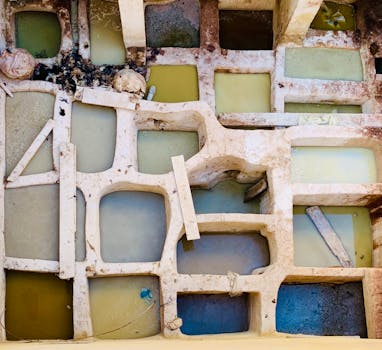
The Fes medina is a sensory explosion: the calls of vendors, the scent of spices and leather, the labyrinthine alleys that seem to twist into eternity. It’s easy to get lost, and sometimes, getting lost is exactly how you find the most incredible things. Beyond the bustling souks selling mass-produced items, I ventured deeper, following the faint scent of tanned leather away from the main tourist drag.
I found myself in a quieter part of the medina, near the Chouara Tannery, but in a small alley where the air was thick with the smell of hides. There, tucked away in a tiny, almost hidden workshop, was a man named Hassan, hunched over a piece of leather, meticulously stitching. He was making babouches, the traditional Moroccan soft leather slippers. With a nod and a smile, he invited me in. My request to learn was met with a patient gesture to a stool.
What You'll Learn:
In a day, Hassan showed me the basic steps of crafting my own pair of babouches:
* Leather Selection: Understanding different types of leather and their properties.
* Cutting & Shaping: Using templates and sharp tools to cut the leather pieces for the sole and upper.
* Hand Stitching: The intricate, strong stitching that holds the babouche together, often using a thick waxed thread.
* Embellishment: Adding decorative elements, whether it's simple embroidery or a metallic design.
It's a surprisingly intricate process, requiring patience and precision. The satisfaction of wearing your own handmade slippers is immense.
The "Local Secret" Angle:
Many leather workshops in the medina are geared towards sales. The true artisans, who are willing to share their craft, are often tucked away in less conspicuous spots. They are often older, working independently, and value genuine interest over quick transactions. Ask around, venture into quieter alleys, and look for workshops where the focus is clearly on creation, not just sales.
Location & Details:
Fes, Morocco, particularly in the alleys around the Chouara Tannery, but venture off the main routes.
Estimated Price: MAD 200 - MAD 500 (approx. $20-$50 USD), depending on the complexity and the artisan. This often includes the materials.
Instagram-Worthy Moment: Your hands carefully stitching the leather, the vibrant colors of the finished babouches, the ancient tools of the trade.
Carving Stories in Wood: Balinese Mask & Statue Making in Ubud
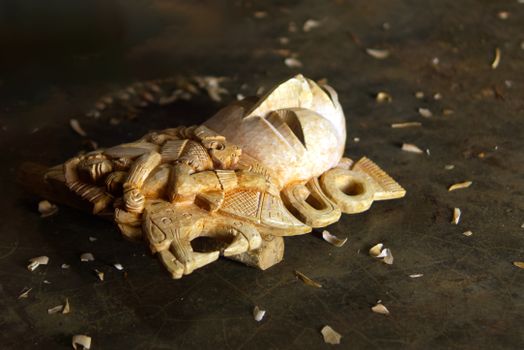
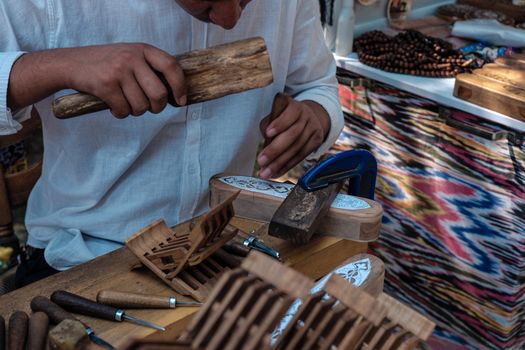
Ubud, Bali, is synonymous with art and spirituality. While there are plenty of galleries and tourist-oriented carving classes, the truly profound experiences happen when you connect with a master carver in their home studio, often nestled amidst rice paddies or lush jungle. My discovery came through a conversation with a local guesthouse owner, who, seeing my interest in Balinese art, offered to introduce me to his uncle, Wayan, a renowned carver in a nearby village.
Wayan's studio was an open-air pavilion, filled with the scent of wood shavings and the rhythmic tap-tap-tap of mallets and chisels. He didn't speak much English, but his hands, gnarled and strong, told stories. He patiently demonstrated, guiding my inexperienced hands as I attempted to coax a form from a block of soft albasia wood. It was a humbling and deeply spiritual experience, connecting me to the island's artistic soul.
What You'll Learn:
In a day, you can get a solid introduction to:
* Wood Selection: Understanding different types of wood used in Balinese carving (albasia for beginners, teak, jackfruit for more experienced).
* Basic Carving Techniques: How to use chisels, mallets, and knives safely and effectively to remove wood and shape forms.
* Cultural Significance: Wayan, through gestures and a few translated words from his nephew, explained the meaning behind different masks (e.g., Barong, Rangda) or deities (e.g., Ganesha).
* Finishing Touches: Sanding and preparing your piece for painting or polishing.
You'll likely start with a simpler form, perhaps a small mask or a decorative panel, but you’ll leave with a tangible piece of Balinese art and a profound appreciation for the craft.
The "Local Secret" Angle:
Many tourist classes are set up in large compounds. To find an authentic experience, ask your guesthouse owner, a local driver, or even a vendor in the market if they know a carver who teaches. These are often family-run operations where the craft has been passed down for generations, and the teaching is more personal and less commercialized.
Location & Details:
Ubud and surrounding villages (e.g., Mas, Tegallalang), Bali, Indonesia.
Estimated Price: IDR 300,000 - IDR 700,000 (approx. $20-$50 USD), often including materials and a light lunch.
Instagram-Worthy Moment: Your raw wooden creation amidst the tools and wood shavings, surrounded by lush Balinese scenery. The focused expression on your face as you carve.
The Rhythm of the Block: Indian Hand Block Printing in Rajasthan
Jaipur, the Pink City of Rajasthan, is a riot of color and craftsmanship. While you can buy stunning block-printed fabrics everywhere, the real magic happens behind the scenes, in the small villages like Sanganer or Bagru, where families have been perfecting this ancient art for centuries. I found my way to a humble workshop in Bagru, recommended by a local textile dealer I befriended over chai.
The sound of rhythmic thudding led me down a narrow lane to a courtyard where men and women worked in harmony. Wooden blocks, intricately carved, lay scattered, alongside vats of natural dyes. A young man named Rohan, whose family had been block printers for nine generations, welcomed me. He didn’t just teach me the technique; he shared the history, the cultural significance of the motifs, and the immense pride his family took in their craft.
What You'll Learn:
In a day, you can grasp the fundamentals of:
* Block Carving (brief overview): While you won't carve a block in a day, you'll understand the process and appreciate the artistry.
* Dye Preparation: Learning about natural dyes derived from plants and minerals.
* Block Placement: The precise art of aligning the block to create a continuous, seamless pattern.
* Color Application: The technique of evenly applying dye to the block and pressing it onto the fabric.
* Pattern Repetition: How to layer different blocks and colors to create complex designs.
You'll typically print your own scarf, tablecloth, or even a small piece of fabric for a cushion cover. The process is incredibly satisfying, watching a blank canvas transform with each precise print.
The "Local Secret" Angle:
While some larger block printing factories offer tours, the most authentic experiences are with smaller, family-run units in the villages surrounding Jaipur. These aren't heavily advertised. Asking local textile shop owners, rickshaw drivers, or even your hotel staff about "family block printing workshops" in Sanganer or Bagru can lead you to these hidden gems.
Location & Details:
Sanganer or Bagru villages, near Jaipur, Rajasthan, India. Hire a local taxi or rickshaw for the day.
Estimated Price: INR 1,000 - INR 3,000 (approx. $12-$36 USD), including materials.
Instagram-Worthy Moment: The vibrant colors of the dyes, the intricate patterns of the wooden blocks, your hands pressing a block onto fabric, and the reveal of your unique creation.
Mediterranean Gold: Crafting Olive Oil Soap in Greece
My last hidden gem takes us to the sun-drenched landscapes of Greece, particularly the island of Crete, famous for its ancient olive groves. I was staying at a small, family-run guesthouse in a mountain village, far from the tourist beaches. Over breakfast, the owner, Eleni, mentioned that her grandmother still made soap using their own olive oil, just as her ancestors had for centuries. My ears perked up.
Eleni's grandmother, a formidable woman with kind eyes and strong hands, spent an afternoon with me, demonstrating the ancient cold-process method of soap making. It was a lesson in simplicity, sustainability, and connecting with the land. The scent of olive oil and essential herbs filled the air, and by the end, I had helped create a batch of pure, natural soap, a piece of liquid gold transformed into a solid, fragrant bar.
What You'll Learn:
In a day, you can learn the basics of:
* Cold Process Soap Making: Understanding the saponification process, combining lye (sodium hydroxide) with olive oil.
* Ingredient Ratios: The importance of precise measurements for safety and effectiveness.
* Natural Additives: Incorporating local herbs (rosemary, lavender), essential oils, or even honey for fragrance and properties.
* Curing Process: Understanding why soap needs to cure and how to store it.
You'll take home several bars of your own handmade, natural soap – a perfect, practical souvenir that embodies the essence of the Mediterranean.
The "Local Secret" Angle:
This is arguably the most "local secret" of them all. These aren't commercial ventures; they are often family traditions. You won't find these advertised. Your best bet is to stay in small, family-run guesthouses or agriturismos in olive-growing regions (Crete, Peloponnese). Engage with your hosts, express genuine interest in local traditions, and you might just get an invitation.
Location & Details:
Olive-growing regions of Greece, particularly Crete or the Peloponnese.
Estimated Price: €40 - €80 (approx. $45-$90 USD). This might be a small fee for materials or a gesture of appreciation for the lesson.
Instagram-Worthy Moment: Bars of freshly made soap, nestled amongst olive branches or dried herbs. The golden hue of pure olive oil.
How to Find These Hidden Gems (And Why Locals "Don't Want You to Know")
The thrill of discovering these experiences is part of their charm. They're not on Google's first page, and that's precisely why they're so special. So, how do you find them?
- Ask Locals (Respectfully): This is your most powerful tool. Hotel staff, restaurant owners, taxi drivers, shopkeepers – they are your gateway to authentic experiences. Start conversations, express genuine interest in local culture and crafts, and politely ask if they know anyone who teaches traditional skills. "Do you know any artisans who make [craft]?" or "Is there a local workshop where I could learn [skill]?"
- Venture Off the Beaten Path: Don't stick to the main tourist streets. Wander into quieter neighborhoods, down narrow alleys. Look for small, unassuming workshops, open doors, or the sounds of crafting.
- Stay in Local Accommodations: Small guesthouses, family-run B&Bs, or agriturismos are far more likely to have owners who are deeply connected to their community and willing to share local secrets.
- Learn a Few Local Phrases: Even a simple "hello," "thank you," and "I'm interested in learning" in the local language can open doors and show respect.
- Be Patient and Persistent: You might not find it on your first try. These are not instant gratification experiences; they require a bit of effort and serendipity.
- Respect the Craft and the Artisan: Show genuine appreciation for their skill and time. These are often their livelihoods and their heritage. Offer to pay fairly for their time and materials.
Why the "Locals Don't Want Tourists to Know" Angle?
It's not about being exclusionary. It's about preservation. When a craft becomes a mass-market tourist attraction:
* Authenticity Can Suffer: The focus shifts from quality and tradition to speed and volume.
* Prices Can Inflate: What was once an honest exchange becomes a commercialized transaction.
* Intimacy is Lost: The personal connection between artisan and learner, which is the heart of these experiences, can disappear.
* Cultural Dilution: The unique nuances and stories behind the craft can be watered down.
By seeking out these hidden gems, you’re not exploiting a secret; you’re honoring it. You’re contributing to sustainable tourism, supporting local artisans directly, and ensuring these ancient traditions continue to thrive in their authentic form.
Ready to Craft Your Next Adventure?
Learning an ancient trade in a day isn't just about making a souvenir; it's about making a memory. It's about connecting with a culture on a profound level, understanding the hands that shape its heritage, and leaving with a piece of that world that is uniquely yours. These are the stories you'll tell, the skills you'll cherish, and the experiences that will define your travels long after the photos have faded.
So, ditch the guidebooks for a moment. Put down your phone. Look beyond the obvious. Which ancient trade will call to you on your next adventure? Will you be tie-dyeing in Japan, rolling pasta in Italy, stitching slippers in Morocco, carving wood in Bali, block printing in India, or making soap in Greece?
Don't just travel; immerse yourself. Share your incredible discoveries with us using #TripsoraTraditions!
---