The scorching Bali sun beat down, a familiar warmth against my skin. I was excited, practically buzzing, to finally step foot inside the Pura Tirta Empul temple. I’d read all about its sacred spring and purification rituals – a truly iconic Balinese experience. But as I approached the entrance, a friendly, yet firm, temple guard gestured to my knees. "Sarong, please, Miss." My carefully chosen, stylish knee-length shorts, which I thought were perfectly modest, were not enough.
A wave of mild embarrassment washed over me, quickly followed by a realization: this wasn't about me or my fashion choices. This was about respect. I rented a vibrant blue sarong, wrapping it carefully around my waist, covering my legs from hip to ankle. As I walked into the temple grounds, something shifted. The rustle of the fabric, the shared experience with hundreds of others adorned in similar wraps, the silent nod from the guard – it wasn't just covering my skin; it was covering a cultural gap. I felt a deeper sense of belonging, an unspoken understanding that transcended language. That day, I learned that clothing isn't just fabric; it's a language, a sign of reverence, and a passport to true cultural immersion.
We travel to see the world, to broaden our horizons, to step outside our comfort zones. But sometimes, in our quest for adventure, we forget that the world has its own rules, its own silent languages. And few are as universal, yet as nuanced, as the language of dress. From ancient temples to bustling city streets, how you dress can open doors, foster connections, or, inadvertently, create barriers. This isn't about conforming or losing your personal style; it's about honoring the places and people you visit. It's about showing respect. And trust me, experiencing these customs firsthand, feeling that shift in perspective, is something you need to do before you die.
Ready to dive into the wardrobe of global respect? Let's explore some incredible clothing customs that will transform your travels from tourist snapshots to profound cultural encounters.
The Sacred Silence of Sarongs & Scarves: Embracing Modesty in Asia
My first encounter in Bali was just the beginning. Across vast swathes of Asia, particularly in Southeast Asia and the Indian subcontinent, clothing is intrinsically linked to spirituality and respect, especially when visiting religious sites.
Southeast Asia: Temples, Mosques, and the Humble Sarong
Picture this: You’re in Thailand, about to visit the glittering Grand Palace and Wat Phra Kaew, home to the Emerald Buddha. Or perhaps you’re exploring the serene temples of Laos, Cambodia, or Myanmar. The universal rule? Shoulders and knees must be covered. For women, this often means long skirts or trousers and tops that cover the shoulders and décolletage. Men should also opt for long trousers and sleeved shirts.
In Bali, as I learned, the sarong (or kamben) is your best friend. It’s not just for women; men often wear them too, sometimes with a traditional sash (saput). Many temples, like Pura Tirta Empul or Besakih Temple, will have sarongs available for rent (usually for a small fee, around 10,000-20,000 IDR, or less than $2 USD). But carrying your own lightweight, quick-dry sarong is a game-changer. I always pack one; it doubles as a beach cover-up, a picnic blanket, or even a makeshift pillow on a long bus ride.
India: Head Coverings and Humble Attire
India is a kaleidoscope of cultures and religions, and dress codes vary. When visiting Sikh Gurudwaras (like the breathtaking Golden Temple in Amritsar), both men and women are required to cover their heads. Scarves are usually provided, but bringing your own is a nice touch. For women, a dupatta (a long scarf) or a simple shawl works perfectly. In Hindu temples, general modesty is key: shoulders and knees covered, and sometimes removing shoes before entering the inner sanctum. For mosques, women will need a head covering.
I remember visiting the Golden Temple, the air thick with devotion and the scent of incense. As I tied the borrowed scarf around my head, feeling the soft cotton against my hair, I wasn't just an observer; I was participating. The act of covering my head felt like a small, personal gesture of reverence, a silent 'thank you' for being allowed into such a sacred space. It transformed the experience from simply seeing a beautiful building to feeling the profound spirituality within.
Practical Tips:
* Always carry a lightweight scarf or shawl: It’s your Swiss Army knife of respectful travel.
* Observe locals: If everyone else is covered, follow suit.
* Check signs: Many temples explicitly state dress requirements at the entrance.
* Pack versatile layers: Linen trousers, long skirts, and modest tops are your best friends.
Beyond the Beach: Modesty in the Middle East & North Africa
My trip to the United Arab Emirates was an eye-opener. While Dubai and Abu Dhabi are incredibly modern cities, they are deeply rooted in Islamic culture, and respect for local customs is paramount.
The Middle East: Abayas, Kanduras, and Cultural Sensitivity
When visiting mosques in the Middle East, such as the majestic Sheikh Zayed Grand Mosque in Abu Dhabi, specific dress codes are enforced. Women are required to cover their hair, arms, and legs. At Sheikh Zayed, they provide complimentary abayas (a loose, full-length robe) for women and kanduras (a loose, ankle-length garment) for men who aren't dressed appropriately.
Stepping into an abaya for the first time felt incredibly foreign, yet also strangely liberating. The heavy fabric, the muted colors, the way it flowed – it wasn’t about fashion; it was about anonymity and reverence. It allowed me to fully immerse myself in the awe-inspiring beauty of the mosque, feeling connected to the throngs of worshippers around me, free from the distractions of my own clothing. It was an experience that truly transformed my understanding of modesty.
Outside of religious sites, while not strictly enforced for tourists, a general sense of modesty is appreciated in public spaces. This means avoiding overly revealing clothing – think shoulders and knees covered, especially in more conservative areas or when visiting local homes. Loose-fitting clothing made from breathable fabrics like linen or cotton is ideal for both comfort in the heat and cultural appropriateness.
North Africa: Morocco's Charm and Subtle Cues
In countries like Morocco, while you won't typically need a headscarf outside of mosques, dressing modestly is a sign of respect, particularly for women. Long skirts, trousers, and tops that cover the shoulders and décolletage are recommended. This isn't just about avoiding offense; it can also help you blend in more and potentially reduce unwanted attention, especially in bustling souks or markets.
I found that embracing the local style, even subtly, made a huge difference. Swapping my usual shorts for a flowing maxi dress and a light cardigan not only kept me comfortable in the Moroccan heat but also felt like a nod to the local culture. It opened doors to friendlier interactions and a sense of ease that I wouldn't have experienced otherwise.
Practical Tips:
* Pack linen trousers and long-sleeved tops: They are your best friends for comfort and coverage.
* Always have a scarf handy: For women, it's essential for mosque visits and useful for covering shoulders if needed.
* Observe and adapt: Pay attention to what local women are wearing and adjust your attire accordingly, particularly in less touristy areas.
* Don't assume: Even in seemingly modern cities, cultural norms run deep.
From Kimonos to Bowing: Dressing for Tradition in East Asia
East Asia presents a different, yet equally profound, aspect of respectful dressing. While overt religious dress codes are less common for tourists, the emphasis often lies in neatness, formality, and a deep appreciation for tradition.
Japan: The Art of the Kimono and Understated Elegance
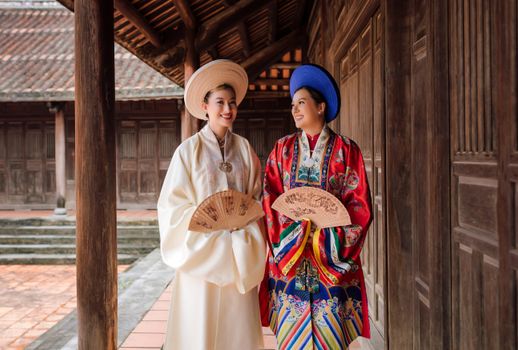
In Japan, while you won't be expected to wear a kimono daily, trying one on is an incredible cultural experience. Renting a kimono or yukata (a lighter, casual summer kimono) in cities like Kyoto or Asakusa (Tokyo) is popular, and it's a beautiful way to show respect for Japanese heritage. Prices for rentals, including hair styling and accessories, can range from 3,000 to 10,000 JPY (approx. $20-70 USD) for a day.
I remember my day in Kyoto, wrapped in a beautiful, intricately patterned kimono. The process itself was an art form – the layers, the obi (sash), the carefully styled hair. Walking through the historic Gion district, I felt like I'd stepped back in time. Tourists and locals alike smiled and took photos, not because I was a spectacle, but because I was participating, respectfully. It wasn't just dressing up; it was an act of connection, a way to appreciate the aesthetics and history of a profound culture.
Beyond traditional dress, Japanese culture values neatness and understated elegance. While casual wear is fine, ripped jeans or overly revealing clothing might be seen as disrespectful in certain formal settings or higher-end restaurants. And of course, the universal rule of removing shoes before entering homes, some restaurants, and certain temples is paramount.
South Korea: Hanboks and Modern Modesty
Similar to Japan, renting a hanbok (traditional Korean dress) for a day is a fantastic way to experience Korean culture, especially when visiting palaces like Gyeongbokgung in Seoul. In fact, wearing a hanbok often grants you free entry to these historical sites! Rental prices are similar to kimonos, around 15,000-30,000 KRW (approx. $10-25 USD) for a few hours. It's a colorful, joyful experience that shows your appreciation for their heritage.
In everyday life, South Koreans generally dress quite fashionably and modestly. While miniskirts are common, cleavage is often avoided. It’s about balance and presenting yourself respectfully.
Practical Tips:
* Embrace the experience: Don't hesitate to rent traditional clothing – it's fun, educational, and a sign of respect.
* Always remove your shoes: When indicated, especially in homes, temples, and some ryokans/restaurants.
* Prioritize neatness: Even casual outfits should be clean and well-maintained.
* Research specific events: If attending a special festival or ceremony, check if there's a recommended dress code.
The Art of the Cover-Up: Churches & Cathedrals in Europe & Latin America
Even in predominantly Christian countries, the reverence for sacred spaces dictates certain dress codes. I learned this the hard way in Rome.
Europe: Vatican City and Ancient Cathedrals
Visiting St. Peter's Basilica in Vatican City, or any major cathedral across Italy, Spain, France, or Greece, comes with a universal rule: shoulders and knees must be covered. This applies to both men and women. No tank tops, no short shorts, no miniskirts.
I vividly remember my first trip to Rome. It was a sweltering July day, and I was excited to see St. Peter's. Dressed in a cute sundress with spaghetti straps and a hemline above the knee, I approached the entrance, only to be politely but firmly turned away. Mortified, I had to buy an overpriced, flimsy scarf from a street vendor to wrap around my shoulders and borrow a friend's longer jacket to tie around my waist. It was a scramble, and it took away from the initial excitement.
Lesson learned. Now, I always carry a large, lightweight scarf or pashmina when visiting European cities. It's perfect for covering shoulders or legs, and can even be used as a stylish accessory. Men should also ensure they are wearing trousers or longer shorts and a sleeved shirt.
Latin America: Reverence in Colonial Churches
Across Latin America, from the grand cathedrals of Mexico City to the charming colonial churches of Peru, similar rules apply. Modesty is key when entering these sacred spaces. While dress codes might be less stringently enforced than in the Vatican, showing respect by covering shoulders and knees is always appreciated.
I found that in many smaller, more local churches, especially during mass, people dressed in their 'Sunday best.' While tourists aren't expected to do the same, making an effort to look neat and respectful goes a long way. It's a silent acknowledgment of the community's faith and heritage.
Practical Tips:
* Always pack a versatile scarf/shawl: It's a lifesaver for impromptu church visits.
* Check attraction websites: Major cathedrals often have explicit dress code warnings.
* Dress in layers: A light cardigan or jacket can be easily added or removed.
* Men, avoid sleeveless tops and very short shorts: Opt for collared shirts or neat t-shirts and longer shorts or trousers.
Beyond the Obvious: Subtle Dress Cues & Local Nuances
Sometimes, respectful dressing isn't about specific garments but about subtle cues and general comportment.
Removing Shoes Indoors:
This is a huge one in many parts of Asia (Japan, Korea, Thailand, India, etc.), and even in some homes in other cultures. It's a sign of cleanliness and respect. Always observe if others are taking off their shoes, or look for a shoe rack by the door. If in doubt, ask!
The Power of Color:
In some cultures, certain colors carry significant meaning. For example, in Thailand, yellow is associated with the monarchy. During periods of mourning (like after the passing of a beloved monarch), Thais often wear black or white. While tourists aren't expected to follow this strictly, being aware can help you understand the local mood.
Formality vs. Casualness:
What's considered casual in your home country might be seen as overly informal or even disrespectful elsewhere. In some parts of Europe, for instance, wearing overly casual clothes (like flip-flops and gym shorts) to a nice restaurant might raise eyebrows. When in doubt, err on the side of being slightly more dressed up.
Hair and Tattoos:
In some conservative cultures, visible tattoos, especially on women, might be viewed negatively. Similarly, for women, keeping hair tied back or less conspicuous can be a sign of respect in certain contexts. This is less about strict rules and more about subtle cultural sensitivity.
My most cherished travel memories often involve these small, respectful gestures. The time I was invited into a tiny home in rural Japan, and instinctively removed my shoes at the genkan (entranceway), earning a warm smile from my host. Or when I observed locals in a bustling market in Vietnam, and subtly adjusted my scarf to cover a bit more, feeling a sense of shared understanding. These moments, born from a simple act of respect, are the ones that truly connect you to the heart of a place.
The Unwritten Rules: When in Doubt, Observe & Ask
So, how do you navigate this sartorial minefield without a personal stylist and cultural anthropologist on speed dial? Here’s my cheat sheet:
- Research, Research, Research: Before you go, a quick Google search for "[destination] dress code" or "[destination] cultural etiquette" can save you a lot of hassle. Look at travel blogs, official tourism sites, and expat forums.
- Observe Locals, Especially Women: This is your best guide. How are women dressed in public? Are their shoulders covered? Are their legs? Does anyone have their head covered? Mimic their level of modesty (without trying to appropriate traditional attire unless specifically invited to).
- Pack Versatile Layers: A large, lightweight scarf/pashmina, a light cardigan or jacket, long skirts, linen trousers, and modest tops are your ultimate travel wardrobe.
- Err on the Side of Modesty: If you're unsure, it's always better to be slightly more covered than less. You can always remove a layer if appropriate.
- Always Have a "Temple Kit": For women, this means a long skirt or trousers and a top that covers shoulders/décolletage, plus a scarf for your head/shoulders. For men, long trousers and a sleeved shirt.
- Ask Politely (When Appropriate): If you're truly unsure and can't observe, find a local guide, a hotel staff member, or someone working at the site and politely ask, "Is my clothing appropriate for this place?" Most people will appreciate your effort.
- Respect is Reciprocal: When you show respect for local customs, you'll almost always receive respect in return. It opens doors to richer conversations, warmer smiles, and deeper connections.
Your Next Adventure Awaits: Dress with Intention
Travel is an education, a journey of discovery that extends far beyond sightseeing. It's about opening your mind, challenging your assumptions, and connecting with humanity in all its diverse forms. And sometimes, that connection starts with something as simple, yet profound, as the clothes you choose to wear.
Embracing these clothing customs isn't about sacrificing your individuality; it's about amplifying your travel experience. It's about demonstrating humility, empathy, and a genuine desire to understand and respect the cultures you're so privileged to visit. It's about feeling the shift in atmosphere when you don that sarong, tie that scarf, or simply choose a longer hemline.
So, as you plan your next adventure, consider not just what to pack, but why. Let your wardrobe be a bridge, not a barrier. Let it be a silent ambassador of your respect and curiosity. Go forth, explore, and dress with intention. You'll not only avoid cultural faux pas, but you'll unlock authentic experiences that will stay etched in your memory, long after the souvenirs have faded.
What's your most memorable experience dressing for cultural respect? Share your stories and tips in the comments below! And don't forget to share this post with your fellow wanderlusters. Let's make every journey a respectful one!
---