Unveiling the World: How a Simple Scarf Can Open Doors to Deeper Travel
I remember standing at the entrance of Wat Arun in Bangkok, sweat trickling down my back, feeling utterly mortified. My travel buddy and I, fresh off a long-haul flight and eager to dive into the city's wonders, had arrived at the iconic Temple of Dawn in our usual travel attire: shorts and tank tops. The polite but firm gesture of the attendant, pointing to a sign depicting covered shoulders and knees, was a stark reminder that we weren't just tourists; we were guests in a sacred space. We scrambled to buy flimsy sarongs from a nearby vendor, feeling awkward and underdressed, even with our makeshift coverings.
That moment, though initially embarrassing, was a profound turning point in my travel philosophy. It taught me that showing respect through clothing isn't a burden; it's a privilege. It's a silent language that speaks volumes, opening doors to genuine interactions, heartfelt smiles, and a deeper understanding of the world around us. It's about acknowledging that our presence in a foreign land is an honor, and the least we can do is meet our hosts halfway.
Over the years, I've made it a mission to not just see the world, but to truly experience it – and that includes embracing the beautiful, intricate tapestry of global clothing customs. These aren't just rules; they're stories, traditions, and expressions of identity. And trust me, the moments of connection you gain from dressing respectfully are among the most rewarding experiences you'll have before you die. So, pack your bags (and a versatile scarf!), because we're about to explore some of the most impactful clothing customs that will transform your travels from mere sightseeing into profound cultural immersion.
---
1. The Sacred Silence of Asian Temples: Shoulders, Knees, and Bare Feet
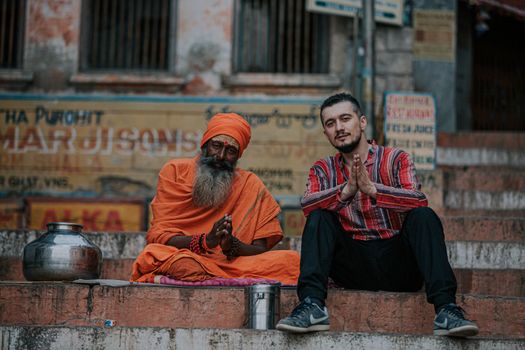
From the gilded spires of Thailand to the ancient stoicism of Cambodia, Southeast Asia's temples are more than just architectural marvels; they are vibrant centers of spiritual life. The expectation here is universal: modesty. This typically means covering your shoulders and knees, and often removing your shoes before entering.
My first trip to Thailand solidified this lesson. After my Wat Arun mishap, I learned quickly. In Chiang Mai, visiting Wat Phra That Doi Suthep, I watched with admiration as locals, dressed in respectful long skirts and shirts, moved with serene grace. I had packed a lightweight, breathable maxi dress and a versatile pashmina. As I removed my sandals and stepped onto the cool, polished marble, the simple act felt like a physical shedding of the outside world, preparing me for the tranquility within. The saffron robes of the monks shimmered, and the respectful silence felt amplified by our collective adherence to tradition.
Practical Tips:
* Pack Smart: Always carry a large, lightweight scarf or sarong in your daypack. It can double as a head covering, a shoulder wrap, or a skirt extender.
* Bottoms Up: Opt for long skirts, dresses, or loose-fitting trousers. Zip-off pants can be a traveler's best friend.
* Footwear: Wear shoes that are easy to slip on and off. You’ll be doing it often!
* Local Buys: Don't fret if you forget! In places like Bangkok’s Chatuchak Weekend Market or any local market near a temple, you can find beautiful, affordable sarongs and scarves for as little as 100-200 Thai Baht ($3-6 USD). I picked up a stunning silk-blend scarf in Siem Reap for about $5 USD that I still cherish.
* Instagram-Worthy Moment: Capturing the intricate details of temple architecture while respectfully dressed creates a powerful image that honors the culture.
---
2. Veiled Beauty: Mosques of the Middle East & North Africa
Stepping into a mosque is an experience unlike any other. The vast, open spaces, the intricate calligraphy, the hushed reverence – it’s profoundly moving. And for women, the custom of covering one's head is a powerful act of respect, often accompanied by modest clothing for both men and women.
My most vivid memory is entering the Sheikh Zayed Grand Mosque in Abu Dhabi. I knew the drill: long sleeves, long pants, and a headscarf. But what I experienced was far beyond my expectations. As a non-Muslim woman, I was provided with a beautiful, flowing abaya at the entrance – a long, loose black garment that covered my entire body, complete with an attached hood for my head. Slipping into it, I felt a transformation. It wasn't just about covering up; it was about entering a sacred space on its own terms. The cool fabric, the anonymity it offered, and the shared experience with hundreds of other women, both local and foreign, created a sense of unity and deep respect. The white marble, the chandeliers, the silence – it was breathtaking, and my attire made me feel like an invited guest, not just a spectator.
Practical Tips:
* For Women: Pack a large, opaque scarf that can fully cover your hair and neck. Loose-fitting long-sleeved tops and long skirts or trousers are essential. Many major mosques provide abayas or headscarves for visitors, but it's always respectful to come prepared.
* For Men: Long trousers and shirts (short sleeves are usually fine, but avoid sleeveless tops) are generally required.
* Observe: Watch what locals wear. In more conservative areas, women might wear a hijab or even a niqab. While tourists aren't expected to adopt these, observing the local custom helps you gauge appropriate modesty.
* Location Specifics: The Hassan II Mosque in Casablanca, Morocco, is another stunning example where respectful dress is paramount. You can find lovely, lightweight scarves in the souks of Marrakech for around 50-100 Moroccan Dirhams ($5-10 USD).
* Instagram-Worthy Moment: The sheer scale and beauty of mosques, especially with the soft light filtering through, make for incredible, respectful photography. A shot of the intricate tilework, with a glimpse of your own respectfully covered attire, tells a powerful story.
---
3. European Grandeur: Cathedrals and Churches with a Dress Code
You might think Europe is all 'anything goes,' but even in the heart of Western civilization, ancient cathedrals and churches often uphold a strict dress code. Rome, in particular, is famous for turning away tourists from the Vatican and other major basilicas if their shoulders or knees are exposed.
I learned this the hard way during my first youthful backpacking trip to Italy. Eager to see St. Peter's Basilica, I arrived in a sundress that, while lovely for summer, left my shoulders bare. The guard, with a polite but firm shake of his head, indicated I wouldn't be allowed in. Luckily, a vendor outside sold cheap, flimsy shawls. I bought one, covered up, and entered. The experience, though, taught me to be more proactive. Later, visiting the Duomo in Florence or the Sagrada Familia in Barcelona, I always made sure to wear a maxi dress or long trousers and had a substantial shawl ready. It's not about judgment; it's about respecting centuries of tradition and sacred space.
Practical Tips:
* Always Carry Layers: A light cardigan, a pashmina, or a large scarf can quickly transform an outfit from 'beach casual' to 'church appropriate.'
* Modest is Best: For women, knee-length or longer skirts/dresses and covered shoulders are the norm. For men, shorts above the knee are often frowned upon; long trousers are safer.
* Footwear: While not as strict as Asian temples, comfortable walking shoes are key, and flip-flops might feel out of place in such grand settings.
* Cost: A decent scarf in a European city can range from €5-€20, depending on quality and location.
* Instagram-Worthy Moment: The grandeur of European cathedrals is breathtaking. A photo capturing the awe-inspiring architecture, perhaps with a detail of your own respectful attire, speaks volumes about mindful travel.
---
4. Indigenous & Traditional Communities: Observing and Blending In
Beyond formal religious sites, showing respect through clothing extends to visiting indigenous communities or areas where traditional values are strongly held. This isn't about specific dress codes as much as it is about observing local norms, prioritizing modesty, and avoiding anything that might be perceived as flashy or disrespectful.
My journey through the Andes of Peru taught me this subtlety. Visiting small villages outside of Cusco, where Quechua women still wear their vibrant, layered skirts and intricate woven shawls, I realized the importance of blending in rather than standing out. My simple, earthy-toned long pants, a modest blouse, and a plain sweater were appreciated. I wasn't trying to imitate their traditional dress (which would be inappropriate without a direct invitation), but my understated attire showed I wasn't there to gawk or parade. It fostered a sense of ease and allowed for more genuine interactions with the local artisans and families. The vibrant textiles they wore were not just clothing; they were cultural narratives, and my respectful observation allowed me to appreciate them more deeply.
Practical Tips:
* Research Ahead: Look up photos of the region you're visiting to get a sense of local dress.
* Err on the Side of Modesty: Especially in rural or traditional areas, revealing clothing can be misinterpreted. Long skirts, trousers, and modest tops are almost always a safe bet.
* Avoid Flashy Items: Leave expensive jewelry or overly branded clothing at home. It can attract unwanted attention or create a perception of extravagance that doesn't align with local values.
* Observe and Learn: Once you arrive, pay attention to how locals dress, especially elders. This is your best guide.
* Local Purchases: In places like the San Pedro Market in Cusco, you can find beautiful, locally made alpaca sweaters for around 80-150 Peruvian Soles ($20-40 USD) that are not only warm but also perfectly respectful.
* Instagram-Worthy Moment: Focus on capturing the beauty of the local culture and landscapes. A respectful portrait of a local, or a wide shot of a village market, showcasing the traditional attire from a distance, can be incredibly powerful.
---
5. The Art of the Kimono: Japan's Cultural Canvas and Everyday Modesty
Japan, while highly modern, holds deep respect for tradition, and its clothing customs are fascinating. While tourists aren't expected to wear kimonos daily, understanding their significance and the general Japanese emphasis on modesty is key to showing respect.
My experience renting a kimono in Kyoto was a highlight. It wasn't about a dress code for a specific site, but about immersing myself in a cultural art form. The intricate process of being dressed, layer by layer, in the beautiful silk garment, with assistance from a gracious Japanese woman, felt like a ritual. Walking through the historic Gion district, I felt a connection to centuries of tradition. While wearing a kimono is a special occasion for tourists, the general Japanese aesthetic leans towards neatness, cleanliness, and subtle modesty in everyday wear. Loud patterns, excessive skin exposure, or dishevelled clothing can be seen as disrespectful. Even in a modern city like Tokyo, you'll notice people are impeccably dressed, even for casual outings.
Practical Tips:
* Neatness Matters: Always aim for clean, tidy, and well-maintained clothing.
* Modesty in Public: Avoid overly revealing clothing. While not as strict as some religious sites, showing excessive cleavage or very short shorts can be culturally jarring.
* Footwear: Be prepared to remove your shoes frequently – at homes, some restaurants, and traditional accommodations (ryokans). Easy-to-remove shoes are a must.
* Kimono Experience: If you choose to rent a kimono (many shops in Kyoto, like Kyoto Kimono Rental Wargo, offer this for around 3,000-5,000 JPY or $20-35 USD for a day), do so with reverence. It's a beautiful way to appreciate the culture.
* Instagram-Worthy Moment: A gracefully posed shot in a rented kimono against a backdrop of traditional Japanese gardens or temples is an absolute must-share. It’s an iconic image that embodies cultural appreciation.
---
6. The Subtleties of Formal Occasions & Business Etiquette
Beyond sacred sites and traditional communities, understanding the dress code for formal events or even business meetings can be crucial for showing respect and making a good impression. This varies wildly by culture, from the highly formal suits and dresses expected in many European business environments to the more relaxed but still respectful attire in some creative industries.
I once attended a conference in Berlin where I initially underdressed, thinking "tech conference, casual vibes." I quickly realized that while the ideas were cutting-edge, the presentation of professionals was still quite formal. I swiftly upgraded my wardrobe for the subsequent days, opting for blazers and smarter trousers, and noticed a definite shift in how I was perceived and engaged with. It wasn't about being flashy, but about showing I took the event and the people seriously.
Practical Tips:
* Research Event-Specific Dress Codes: If attending a conference, wedding, or formal dinner, always check for "dress code" information.
* Pack a Versatile Smart Outfit: A dark blazer, a smart dress, or tailored trousers can be invaluable for unexpected formal invitations or simply to elevate your look in a city where people dress well.
* Accessories: A quality watch, a nice pair of shoes, or a subtle piece of jewelry can often elevate an otherwise simple outfit.
* Observe Power Dressing: In many cultures, how one dresses for business or formal events reflects their status and seriousness. Observing local professionals can offer great insights.
* Cost: Investing in one versatile, high-quality blazer ($50-150 USD) and a pair of smart trousers/skirt ($30-80 USD) can serve you well across many trips.
* Instagram-Worthy Moment: A chic, respectfully dressed photo at a formal event or in a sophisticated urban setting can be very aspirational and shareable, showcasing your ability to adapt to different cultural contexts.
---
7. General Principles: Research, Observe, and Pack with Purpose
The world is vast and diverse, and no single guide can cover every clothing custom. However, a few overarching principles will always serve you well:
- Do Your Homework: Before you even pack, spend 15 minutes researching "dress code for tourists in [country/city]" or "what to wear when visiting [specific site]." This simple step can save you embarrassment and ensure you're prepared.
- Observe Locals: Once you arrive, pay attention to what people are wearing. How do women dress? How do men dress? What's the general level of modesty? This is your best real-time guide.
- Layers are Your Best Friend: A lightweight scarf, a cardigan, or a button-up shirt can quickly adapt an outfit for different situations, climates, and cultural expectations.
- Prioritize Comfort AND Respect: You don't have to sacrifice comfort for respect. Many brands now offer stylish, breathable, and modest travel clothing that dries quickly and packs light.
- When in Doubt, Cover Up: If you're unsure, it's almost always better to err on the side of modesty. You can always remove a layer if it's deemed unnecessary, but you can't magically conjure one if you're underdressed.
- Pack a "Respect Kit": My go-to kit includes: one large, versatile pashmina (for head or shoulders), one pair of loose, long linen trousers, and one long-sleeved, breathable top. These items have saved me countless times.
---
Beyond the Fabric: The Unseen Connections
The beauty of embracing these clothing customs goes far beyond merely getting access to a site or avoiding a cultural faux pas. It's about a deeper, more profound form of travel. It's about the genuine smile from a local who appreciates your effort, the shared nod of understanding, the feeling of truly belonging, even if just for a moment, in a culture far from your own.
These are the moments that transform a trip from a collection of Instagram photos into a rich tapestry of experiences. These are the connections that stay with you, long after the souvenir t-shirt has faded. These are the experiences you truly need to live before you die.
So next time you're planning an adventure, don't just think about where you're going; think about how you're going to present yourself. Pack with purpose, dress with respect, and watch as the world opens up to you in ways you never imagined.
What cultural clothing customs have you experienced that left a lasting impression? Share your stories in the comments below! And if this post inspired you to travel more respectfully, don't forget to share it with your fellow adventurers!
---