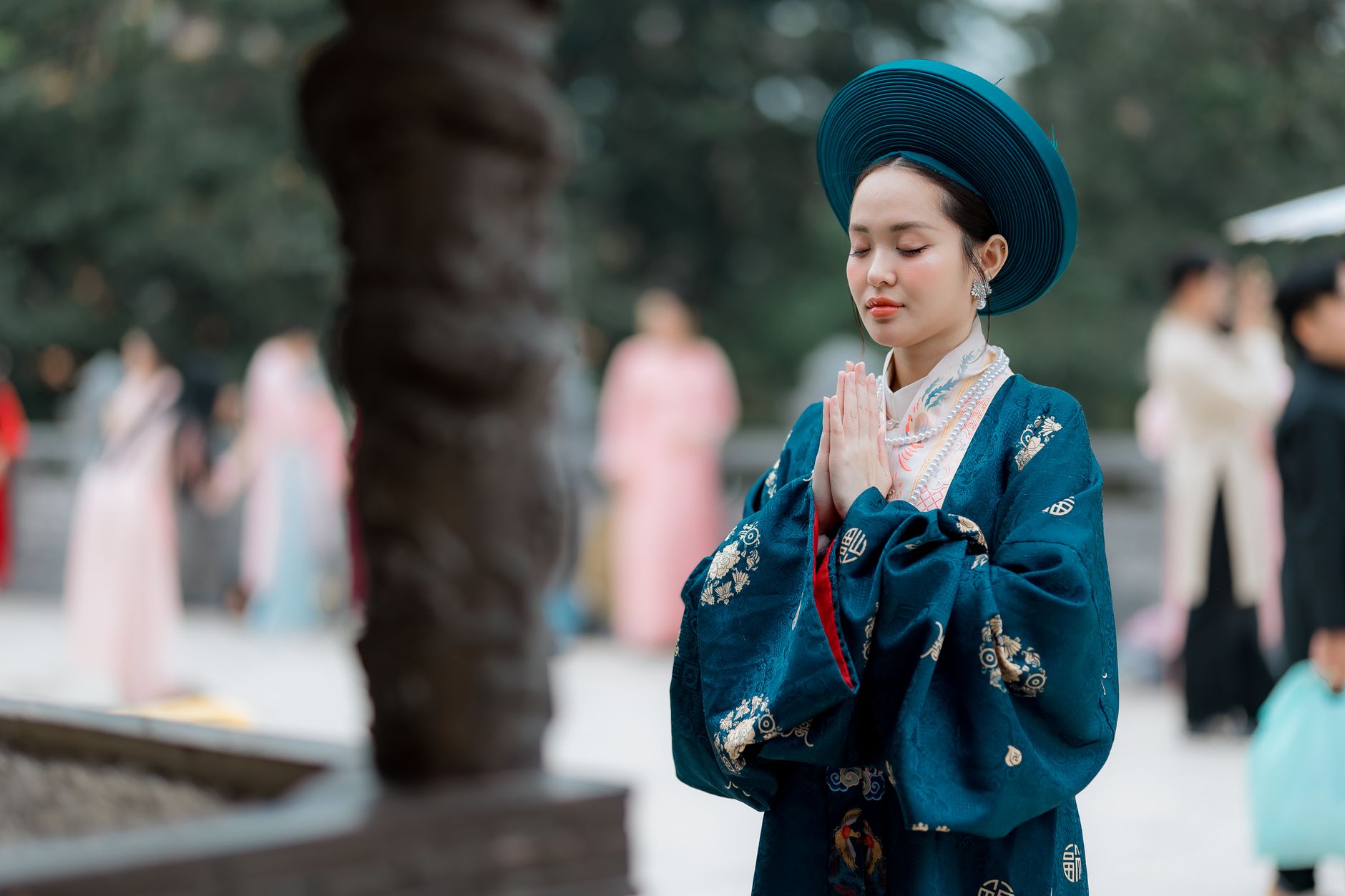
"Oh, merde!" I muttered, tugging frantically at the hem of my shorts as I stood at the entrance of a breathtaking, ancient temple in Chiang Mai. The vibrant gold leaf shimmered under the afternoon sun, beckoning me in, but the stern-faced attendant pointed firmly to a sign: "SHOULDERS AND KNEES MUST BE COVERED." My heart sank. I’d seen a few other travelers breeze in, effortlessly draped in beautiful, lightweight sarongs. I, on the other hand, was sweating in denim shorts and a tank top, completely unprepared. It was a classic rookie mistake, and one that, embarrassingly, I swore I'd never make again.
That moment, over a decade ago, was a turning point for me. It wasn’t just about following rules; it was about feeling a profound sense of disconnect, like an outsider looking in, simply because I hadn't taken the time to understand and honor the local customs. Since then, my approach to travel fashion has completely shifted. I've learned that dressing respectfully isn't just about avoiding an awkward encounter; it's a powerful, non-verbal language that opens doors, sparks conversations, and deepens your cultural immersion. And guess what? Showing respect through your attire isn't just "polite" anymore – it's officially trending.
Welcome to the era of the mindful, stylish traveler! On Tripsora, we’re all about exploring the world authentically, and that includes dressing the part. Forget the days of travelers sticking out like a sore thumb. Today, savvy globetrotters are embracing respectful clothing customs not as a burden, but as an opportunity to integrate, learn, and even elevate their personal style. From flowing fabrics to artful layering, let's dive into the sartorial statements that are making waves across the globe, proving that respect truly is the ultimate travel accessory.
The Silent Language of Layers: Why Respectful Dressing is the Ultimate Travel Hack
Before we dive into the "how," let's unpack the "why." Why do certain cultures have specific dress codes, especially around sacred sites or in more conservative regions? The reasons are as diverse as the cultures themselves: religious piety, historical tradition, social hierarchy, or simply a deep-seated value of modesty. When you choose to adapt your clothing, you’re not just following a rule; you're acknowledging a shared history, a spiritual belief, or a communal value. You’re saying, "I see you, I respect your way of life, and I am here to learn."
This isn't about erasing your individuality or conforming blindly. It's about a temporary, intentional adjustment that pays dividends in genuine interactions and a deeper understanding of your surroundings. And the best part? Modern travel fashion has made this easier and more stylish than ever. Think breathable fabrics, versatile pieces, and accessories that can transform an outfit in seconds. This trend isn't about being stuffy; it’s about being smart, chic, and culturally aware.
Modesty, But Make It Fashion: Covering Up with Confidence
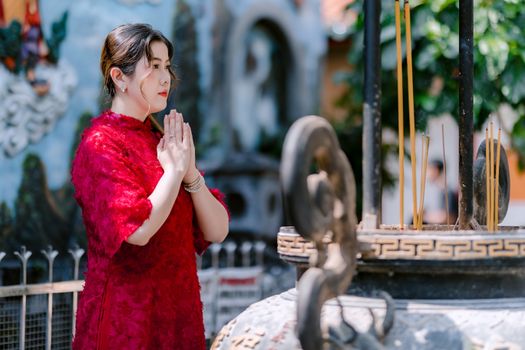
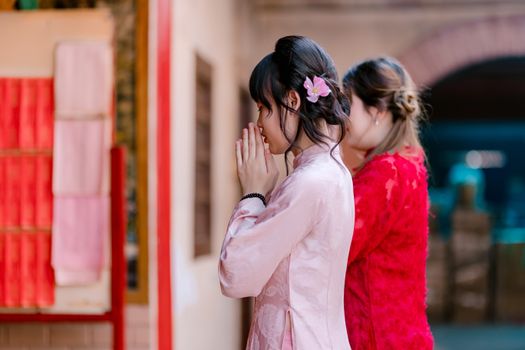
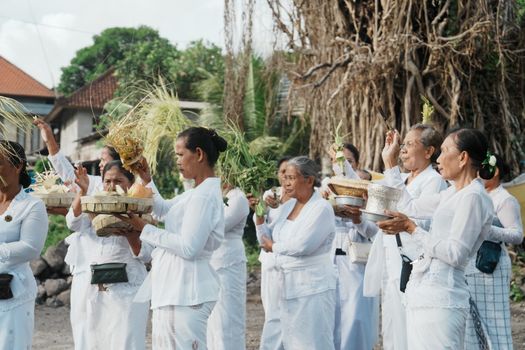
The most common, and arguably most universal, clothing custom you'll encounter is the expectation of modesty, particularly when visiting religious sites. This typically means covering your shoulders and knees, and sometimes your midriff. While this might sound restrictive, it's actually an incredible opportunity to experiment with new silhouettes and textiles.
Trending Tips:
- The Maxi Dress/Skirt Movement: Forget flimsy sundresses. The new trend is all about elegant, flowy maxi dresses and skirts made from linen, cotton, or rayon. These are not only incredibly comfortable in warm climates but also effortlessly chic. I practically lived in a few linen maxi dresses during my trip through Italy, perfect for strolling through ancient Roman ruins and then easily transitioning for an evening aperitivo. A long-sleeved linen dress I picked up in a small boutique in Lecce became my go-to for visiting cathedrals; it was light, airy, and utterly beautiful.
- The Power of the Pashmina (or Sarong!): This is your ultimate travel MVP. A lightweight, oversized scarf or pashmina can instantly cover shoulders, serve as a head covering, or even be tied as a makeshift skirt over shorts. I always pack at least two. On a recent trip to Istanbul, my vibrant, locally-sourced silk pashmina not only kept me warm in air-conditioned museums but also allowed me respectful entry into several mosques, including the stunning Blue Mosque. Pro tip: buy one locally! You’ll get a beautiful souvenir and support local artisans. In Bali, a colorful sarong (or kain) is often required for temple visits and can be rented or purchased for as little as 50,000 IDR (about $3-4 USD) at most major sites.
- Linen Trousers & Kimonos: For those who prefer pants, wide-leg linen trousers are a dream – breathable, stylish, and perfectly respectful. Pair them with a lightweight long-sleeved top or a chic kimono-style cardigan. I found a fantastic pair of flowy, high-waisted linen pants for about 30 EUR at a market in Lisbon that became my uniform for exploring churches and walking tours. They looked great with sandals or even sneakers.
The key here is choosing fabrics that breathe and don't cling, allowing you to stay cool and comfortable while adhering to customs. Think natural fibers – cotton, linen, rayon, Tencel.
The Art of the Head Covering: More Than Just a Scarf
In many parts of the world, particularly in Muslim-majority countries, Orthodox Christian churches, and some Hindu or Sikh temples, covering your head is a sign of deep respect. This is often the custom that travelers find most intimidating, but it doesn’t have to be! In fact, mastering the art of the headscarf can be a beautiful and empowering experience.
Trending Tips:
- The Stylish Scarf Collection: Invest in a few high-quality, generously sized scarves (at least 36x36 inches or larger). Silk, modal, or soft cotton blends drape beautifully. Watch YouTube tutorials before you go! There are countless ways to tie a headscarf elegantly. I spent an evening before my trip to Morocco practicing different hijab styles, and it made all the difference. When I visited the Hassan II Mosque in Casablanca, I felt confident and respectful, rather than fumbling.
- Embrace Local Styles: In some places, like India or parts of Southeast Asia, you might see women wearing vibrant dupattas or stoles. Don't be afraid to purchase one locally and try it out! A local vendor in Jaipur once showed me how to properly drape a dupatta over my head and shoulders, and I felt instantly more connected to the culture. It cost me about 500 INR (around $6 USD) for a beautifully embroidered piece.
- The "Headscarf Buddy" System: If you’re traveling with a friend, practice on each other! It makes the process less daunting and more fun. Some major sites, like the Sheikh Zayed Grand Mosque in Abu Dhabi, offer complimentary abayas and headscarves for visitors, making it easy to comply. However, having your own beautiful scarf is always a great option.
Remember, the intention behind covering your head is paramount. It’s about humility and reverence, not just a fashion statement, though it can be both!
Footwear Finesse: Stepping In and Out with Grace
Your feet, often overlooked, play a significant role in respectful travel. In many homes, temples, mosques, and even some traditional guesthouses (like ryokans in Japan), removing your shoes before entering is a fundamental custom. This isn't just about cleanliness; it symbolizes leaving the dirt and worries of the outside world behind.
Trending Tips:
- The Slip-On Shoe Revolution: This is where comfort meets convenience. Stylish slip-on sneakers, elegant espadrilles, or chic flat sandals are your best friends. Avoid complicated laces or buckles. I swear by my lightweight, breathable slip-on sneakers for temple-hopping in Thailand – they made navigating dozens of shoe-removal entrances a breeze. Plus, they look great with both dresses and pants.
- Socks are Your Secret Weapon: While going barefoot is common, some travelers prefer to wear socks, especially if they’re sensitive to walking on unfamiliar floors or if the ground is hot. Pack a few pairs of clean, breathable socks. They also add an extra layer of warmth in cooler temples.
- Carry a Small Bag: Keep a small, reusable tote bag handy to stash your shoes in, especially if you're worried about them getting mixed up or misplaced at a busy entrance. Some places provide cubbies or racks, but it's always good to be prepared. When visiting a local family home for a cooking class in Vietnam, I discreetly slipped my sandals into my daypack, ensuring they were safe and out of the way.
Color, Context, and Clothing: When Hues Speak Volumes
Beyond the cut and coverage, the color of your clothing can sometimes carry cultural significance. While less common for general tourist interactions, being aware of these nuances can deepen your understanding and show an extra layer of respect.
Trending Tips:
- Research Local Mourning/Celebration Colors: In many Western cultures, black is for mourning and white for weddings. However, in countries like India, white is often the color of mourning, and red or vibrant hues are worn for weddings and celebrations. In Thailand, yellow is associated with the monarchy. While you're not expected to dress for a funeral, being mindful of avoiding certain colors on specific days or in specific contexts can be a subtle sign of respect. For example, if you know you'll be attending a local festival, a pop of bright color might be appreciated more than muted tones.
- Neutrals are Always Safe: If in doubt, stick to neutral colors like beige, grey, navy, and olive green. They are universally accepted and allow you to blend in more subtly. You can always add a pop of local color with an accessory purchased from a market.
- Avoid Overly Flashy or Revealing Prints: While vibrant patterns can be fun, extremely loud or overtly suggestive prints might be seen as disrespectful in more conservative areas. Opt for tasteful patterns or solid colors.
I once saw a traveler inadvertently wear a bright yellow shirt with certain symbols on it in Thailand, unaware of its royal significance. While no offense was taken, a local guide gently explained the context. It reinforced for me that a little research goes a long way.
Beyond the Fabric: The Attitude of Attire
Ultimately, respectful dressing isn't just about the clothes themselves; it’s about the attitude you project while wearing them. It’s about humility, open-mindedness, and a genuine desire to connect.
Trending Tips:
- Confidence in Your Choice: Wear your respectful attire with confidence and ease. Fumbling or looking uncomfortable can draw more attention than simply embracing the custom.
- Observe and Adapt: Pay attention to what locals are wearing, especially women, in different settings. Are they wearing headscarves on the street? Are shoulders covered even outside religious sites? This is your best real-time guide.
- A Smile Goes a Long Way: Even if you make a slight misstep, a genuine smile and a polite apology (even in broken local language) can smooth over any awkwardness. Most locals appreciate the effort, even if imperfect.
- Buy Local, Support Local: One of the most authentic ways to embrace respectful clothing is to buy pieces from local markets or boutiques. Not only do you get unique, culturally appropriate garments, but you also support the local economy and craftspeople. My favorite kaftan, a flowing, embroidered piece perfect for mosque visits, was a spontaneous purchase from a bustling bazaar in Marrakech, and it reminds me of that incredible trip every time I wear it.
Your Mindful Traveler's Packing List: Stylish & Respectful Essentials
To make your next adventure seamless and respectful, here’s a quick checklist of trending essentials:
- 2-3 Flowy Maxi Dresses/Skirts: Breathable fabrics (linen, cotton, rayon).
- 1-2 Pairs of Wide-Leg Linen Trousers/Palazzo Pants: Comfortable and chic.
- 2-3 Versatile, Oversized Scarves/Pashminas: For head covering, shoulder covering, or warmth. Choose beautiful prints or solid colors.
- 1 Lightweight Long-Sleeved Top/Blouse: For extra coverage or sun protection.
- 1 Chic Kimono/Cardigan: Easy to layer over anything.
- 1 Pair of Stylish Slip-On Shoes/Sandals: For easy removal.
- A Few Pairs of Clean Socks: For temple/home visits.
- Small, Reusable Tote Bag: For shoes or extra layers.
The Cost of Respect:
You might be thinking this sounds like a lot of specific items. But many of these pieces are versatile and can be mixed and matched. And remember, purchasing local items like scarves or sarongs can be incredibly affordable (often $5-$20 USD) and make for truly unique souvenirs.
Conclusion: Dress with Intent, Travel with Impact
The world is opening up, and so are our minds to more conscious, respectful ways of traveling. Dressing with an awareness of local customs isn't about conformity; it's about connection. It's about showing humility, fostering understanding, and opening yourself up to richer, more authentic experiences. It’s about transforming from a mere spectator into an honored guest.
So, as you plan your next adventure, consider your wardrobe as another tool for cultural immersion. Pack with purpose, dress with respect, and watch as doors open, smiles broaden, and your journey becomes infinitely more meaningful. This trend isn't just a fleeting fad; it's the future of responsible, enriching travel.
What are your favorite respectful travel fashion hacks? Share your tips and stories in the comments below! Let’s inspire each other to travel with grace and style.
---