The scorching Balinese sun beat down, and I, in my well-worn denim shorts and a strappy tank top, felt perfectly comfortable. I was buzzing, about to explore the majestic Uluwatu Temple, perched precariously on a cliff edge. As I approached the entrance, a stern-faced attendant pointed to a sign, then to my bare legs. "Sarong," he stated simply, offering a faded piece of fabric. My heart sank. I’d seen others wearing them, but honestly, I thought it was just for the really conservative places, or perhaps an optional touristy photo op.
That day, draped in a borrowed sarong that barely covered my knees, I felt a flush of embarrassment. But more than that, I felt a profound sense of ignorance. Here I was, a seasoned traveler, yet I’d overlooked one of the most basic, universal forms of respect. That moment, standing under the ancient gaze of Uluwatu’s monkeys, wasn’t just about covering my legs; it was the beginning of a profound shift in how I approached travel, an awakening to the silent, powerful language of clothing. It changed my life forever.
Since that initial stumble, I’ve learned that dressing appropriately isn't about conforming or sacrificing your personal style entirely. It's about opening doors, fostering genuine connections, and experiencing cultures on a deeper, more authentic level. It’s about showing that you care enough to understand, even if imperfectly. And trust me, the rewards are immeasurable.
The Universal Language of Modesty: More Than Just Fabric
My Uluwatu experience was just the first chapter. From the hallowed halls of European cathedrals to the serene temples of Southeast Asia, the expectation of modest dress is a common thread that weaves through diverse cultures. It’s a silent agreement, a non-verbal cue that says, “I understand this place is special, and I respect its sanctity.”
I remember standing outside St. Peter's Basilica in Vatican City, a bustling hub of faith and history. I saw a young woman in a beautiful, sleeveless sundress being politely turned away, tears welling in her eyes. I had packed a lightweight scarf precisely for this reason, having learned my lesson. As I wrapped it around my shoulders, covering my arms, and stepped inside, I felt a sense of belonging, rather than being an outsider. The cool, cavernous space, filled with centuries of art and devotion, felt accessible because I had made the small effort to acknowledge its sacredness. It wasn't about judgment; it was about honoring tradition.
Practical Tips for Universal Modesty:
* Always Carry a Shawl/Scarf: This is your travel superpower. A lightweight pashmina or large scarf can instantly cover shoulders, arms, or even your head if needed. Look for breathable fabrics like cotton or linen. I bought a beautiful, hand-dyed silk-cotton blend scarf in Chiang Mai for about 200 THB (around $6 USD) that has been my constant companion.
* Longer Bottoms are Your Friend: Pack at least one pair of lightweight trousers, a maxi skirt, or longer shorts/capris. They're versatile and respectful in many situations.
* Observe and Adapt: When in doubt, look around. What are the locals wearing? You don’t need to perfectly mimic, but observe the general level of coverage.
* Layer Up: A simple t-shirt under a strappy top can make it temple-appropriate.
Head Coverings: A Veil of Respect, Not Restriction
Perhaps one of the most significant shifts in my understanding came with head coverings. Before my travels, I associated headscarves primarily with religious obligation, often with negative connotations perpetuated by media. My personal experience, however, completely reshaped this view.
During a trip to Morocco, I visited the magnificent Koutoubia Mosque in Marrakech. As a non-Muslim woman, I knew I wouldn't be allowed inside the main prayer hall, but the grounds and exterior were open for appreciation. I had already covered my shoulders and knees, but as I stood admiring the intricate architecture, an older Moroccan woman, noticing my respectful attire, smiled warmly. She gestured to her own headscarf and then to mine, offering me a spare, beautifully embroidered hijab from her bag.
I was taken aback. This wasn't a requirement, but a gesture of inclusion. As I carefully draped the soft fabric over my head, following her gentle guidance, a profound sense of connection washed over me. It wasn't about concealing myself; it was about honoring the space and the culture. People looked at me differently, with more open smiles, perhaps seeing not just a tourist, but someone making an effort to connect. That simple act of wearing a head covering, offered with such kindness, transformed a mere sightseeing stop into a deeply personal, human interaction. It made me realize that sometimes, a piece of fabric isn't a barrier, but a bridge.
When and How to Cover Your Head:
* Mosques: Essential for women. Ensure your hair, neck, and ears are covered. Carry a large, opaque scarf.
* Some Orthodox Churches: While not always mandatory for tourists, it's a sign of deep respect, particularly for women.
* Rural/Conservative Areas: In some traditional villages, especially in parts of Asia, the Middle East, or Latin America, covering your head can be a sign of respect, even outside religious buildings.
* How to Wear: Practice a simple drape that covers your hair and neck. There are many quick tutorials online. The key is comfort and security, so it doesn't constantly slip off.
Barefoot Blessings: The Sacred Act of Removing Shoes
Stepping out of my shoes has become one of my favorite rituals in travel. It's a practice deeply rooted in many cultures, signifying cleanliness, humility, and the transition into a sacred or personal space.
My first experience was in Japan, visiting a traditional ryokan in Kyoto. Upon entering, I was immediately asked to remove my shoes and slip into house slippers provided. Later, inside my room, shoes were replaced by clean socks on the pristine tatami mats. It was more than just a rule; it was an ingrained part of the culture, a reverence for the home and its cleanliness. This extended to temples like Kinkaku-ji, where the cool, smooth wooden floors felt incredibly grounding underfoot.
In Thailand, visiting the shimmering Wat Arun in Bangkok, the act of removing my shoes at the entrance felt like shedding the dust of the outside world. The cool marble beneath my feet, the scent of incense, and the hushed atmosphere created an almost meditative experience. It wasn’t just about keeping the place clean; it was about entering a space with a lighter footprint, both literally and figuratively. I've since experienced this in countless mosques, homes, and even some yoga studios across the globe. It's a small act that yields a profound sense of connection to the space and its traditions.
Tips for Going Barefoot (Respectfully):
* Easy Slip-Ons: Wear shoes that are quick and easy to remove and put back on. Sandals, loafers, or slip-on sneakers are perfect. I invested in a pair of Birkenstocks for a trip through Southeast Asia, and they were a game-changer.
* Clean Socks: Always carry a fresh pair of socks, especially if you’re prone to sweaty feet or just want an extra layer of cleanliness when walking on shared floors.
* Observe and Follow: If you see a pile of shoes at an entrance, take yours off. If in doubt, ask, "Do I remove my shoes?" (in local language if possible, or with gestures).
* Mind Your Step: Be aware of where you place your shoes so they don't block pathways.
Beyond the Basics: Diving Deeper into Local Attire
Sometimes, respectful dress goes beyond just covering up. It involves understanding the nuances of local attire, what’s considered appropriate for certain occasions, or even the significance of specific colors and patterns.
In rural India, for instance, while trousers and long tops are acceptable for women, I noticed that most local women wore salwar kameez (a tunic and trousers set) or saris. While I wouldn't presume to wear a sari without proper guidance or an invitation, opting for a loose, long tunic and trousers in breathable cotton helped me blend in more subtly and feel less like an obvious tourist. During a temple festival in Rajasthan, I saw vibrant reds, yellows, and oranges everywhere. I chose to wear a simple indigo cotton dress, which felt respectful without being performative.
Another instance was in a small village in the Peruvian Andes. I was attending a local market, and the indigenous women wore incredibly vibrant, hand-woven skirts and shawls. I, in my hiking pants and fleece, felt a bit out of place. I didn't want to appropriate their beautiful traditional wear, but I also wanted to show appreciation. I ended up buying a beautifully woven shawl from one of the vendors, and later, when invited to a community gathering, I draped it respectfully over my shoulders. It was a small way to participate in the local aesthetic without crossing a line, and it sparked a wonderful conversation with the woman who sold it to me.
Navigating Deeper Attire Nuances:
* Research Specific Events: If you plan to attend a festival, wedding, or specific ceremony, research the customary attire beforehand.
* Don't Appropriate, Appreciate: Wearing traditional clothing can be a beautiful way to show respect, if done correctly and with invitation. Avoid treating traditional wear as a costume. If a local offers to dress you for an event, embrace it!
* Support Local Artisans: Buying locally made, respectful clothing (like a sarong in Bali or a tunic in India) not only helps the local economy but also gives you an authentic piece of clothing to wear. I bought a beautiful batik sarong in Ubud for about 100,000 IDR (approx. $7 USD) that I still use regularly.
* Conservative vs. Liberal Areas: Understand that even within one country, dress codes can vary greatly. Coastal, touristy areas might be more relaxed than religious sites or rural villages.
The Unseen Threads: How Clothing Opens Doors and Changes Lives
This journey of understanding clothing customs has been far more than just a lesson in packing. It has fundamentally changed my travel experiences and, in many ways, my life.
I remember once, in a bustling souk in Fes, Morocco, I was dressed conservatively – long sleeves, loose trousers, and a scarf draped over my hair. Instead of being aggressively hawked at, I found myself engaged in more genuine conversations with vendors. One elderly rug seller, after a lengthy, friendly chat about my travels, invited me for mint tea in his tiny shop. We talked for an hour about life, family, and the history of his craft. He didn't pressure me to buy anything (though I happily did, a small, beautiful kilim). He later told me, "You dressed with respect. You showed you came here to understand, not just to buy." That simple compliment, born from a conscious clothing choice, opened a door to a truly memorable and authentic cultural exchange.
These moments, these deeper connections, are the essence of what I seek in travel. When you make the effort to dress respectfully, you're not just adhering to a rule; you're speaking a silent language of humility, curiosity, and honor. You’re signaling that you value the culture enough to meet it on its own terms.
This doesn't just benefit the people you meet; it transforms you. It forces you to be more observant, more empathetic, and less self-centered. It teaches you that your comfort, while important, sometimes takes a back seat to a larger cultural understanding. It broadens your perspective, challenges your assumptions, and ultimately, makes you a more thoughtful and engaged global citizen.
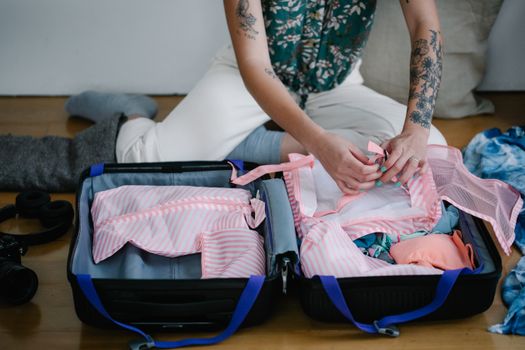
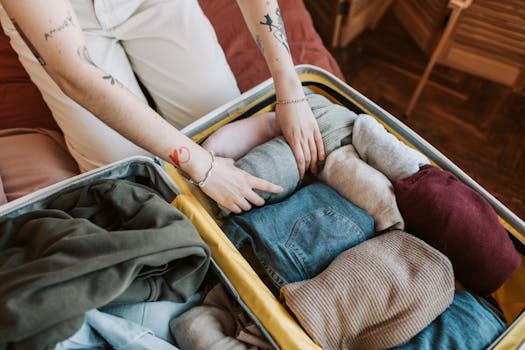
My wardrobe has evolved from purely fashionable to functionally respectful. My packing list now always includes versatile scarves, modest layers, and easy slip-on shoes. It’s a small adjustment with monumental returns. The feeling of being welcomed, of being seen as a respectful guest rather than just another tourist, is a priceless reward. These experiences have taught me that true travel isn't just about seeing new places; it's about seeing the world through new eyes, and sometimes, those eyes are framed by a respectfully draped scarf, or looking down at bare feet on sacred ground.
So, on your next adventure, consider not just what you pack, but why. Think about the stories your clothes tell, and the doors they might open. Embrace the power of respectful attire, and you might just find that it changes your travels, and your life, forever.
What’s your experience? Have you had a moment where dressing respectfully made a difference in your travels? Share your stories and tips below! Let's inspire each other to travel with more empathy and understanding.
---