Unlock Local Secrets: The Gift-Giving Code Tourists Miss
I remember it like yesterday. Lost down a labyrinthine alley in Marrakech, the sun beating down, my phone dead, and a growing sense of panic bubbling up. I’d been trying to find a specific spice shop recommended by a friend, but every turn led to another dead end. Just as I was about to give up and hail an expensive taxi, a kindly old woman, her face a roadmap of life, emerged from a doorway, beckoning me with a gentle smile.
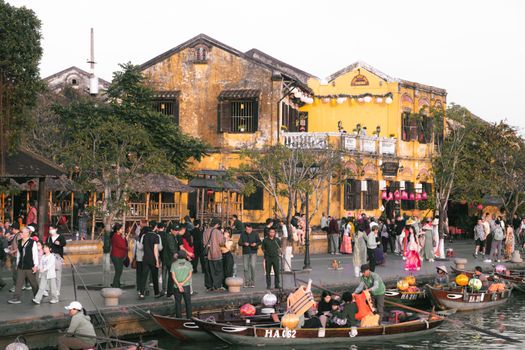
She spoke no English, and my Arabic was rudimentary at best, but through gestures and a shared laugh, I conveyed my plight. She led me not to the spice shop (which was apparently closed that day), but to her own home, offering me a glass of sweet, mint tea. As we sat, enjoying the quiet respite from the bustling medina, I remembered the small, intricately patterned silk scarf I’d bought from a local artisan back home in Hoi An, Vietnam. It was meant as a souvenir, but something compelled me to offer it to her.
Her eyes, initially hesitant, lit up. She took the scarf, examined its delicate weave, and then, with a warmth that transcended language, she embraced me. The next thing I knew, I was being introduced to her family, sharing a simple, delicious meal, and learning more about Moroccan life in those few hours than I had in a week of exploring. That day, I didn’t just find a hidden gem; I found a connection, a moment of genuine human exchange that no amount of money could buy. All because of a small, thoughtful gift.
This, my fellow travelers, is the secret language locals don't want tourists to know – not because they're trying to keep it from you, but because it's an unspoken understanding, a subtle dance of respect and connection. It’s the difference between being a visitor and being welcomed. And today, I’m going to pull back the curtain on this incredible, door-opening etiquette.
The Unspoken Language: Why Gifts Transcend Words
In our fast-paced, transactional world, we often forget the profound impact of a thoughtful gesture. For many cultures, especially outside the Western sphere, gifts are more than just material objects; they are symbols. They represent respect, gratitude, friendship, and a desire to connect on a deeper level.
Think about it: when you travel, you're often asking for something – directions, recommendations, a fair price, a glimpse into local life. A gift, given with sincerity and cultural awareness, changes the dynamic. It shifts from a purely transactional interaction to a human exchange. It says, "I see you. I appreciate you. I respect your culture."
This isn't about bribing your way into exclusive experiences (please, never do that). It's about building bridges, showing appreciation, and acknowledging the generosity of spirit you often encounter on the road. It’s about being a guest, not just a customer.
Section 1: The Art of Observation – What to Give (and What NOT to Give)
The biggest mistake travelers make is assuming a gift from their home country is always best. Sometimes it is, but often, the most impactful gifts are those that show you've paid attention to your host's culture and needs.
Practical Tips:
- Observe Before You Give: If you have the luxury of time, watch what locals appreciate. What do they use? What are their daily necessities? What brings them joy?
- Small, But Significant: Expensive gifts can sometimes cause discomfort or imply an obligation. Aim for thoughtful, good-quality, and often consumable items.
- Locally Sourced from Home: A small, unique item from your hometown or country can be a wonderful conversation starter. Think artisanal chocolates, a unique tea blend, a small piece of local craft, or even postcards depicting famous landmarks from your home. I once brought a small bottle of pure maple syrup from Vermont to a family in rural Thailand, and they were fascinated by its taste and story.
- Cultural Sensitivity is Paramount: This is where research comes in.
- Avoid alcohol in Muslim countries or if you know your host doesn't drink.
- Be careful with flowers: Certain colors or types of flowers are associated with funerals in some cultures (e.g., white lilies in many European and Asian cultures, red flowers in some Latin American contexts).
- Watch for animal products: If you're unsure of dietary restrictions or religious beliefs, avoid food items with meat or animal byproducts.
- Avoid sharp objects: Knives or scissors can symbolize cutting ties in some cultures (e.g., China, Japan).
- Steer clear of money: Unless it’s a specific situation where you're offering payment for a service they've gone above and beyond for, or a small token for children (with parental permission), cash can be seen as an insult.
Anecdote:
In Japan, I learned that giving gifts in sets of four or nine is considered unlucky due to the pronunciation of those numbers sounding like "death" or "suffering." Instead, I opted for beautifully wrapped small boxes of mochi (a local sweet from my home region) in sets of three or five, which were always met with delighted smiles from ryokan owners and tea ceremony hosts.
Section 2: Presentation is Key – The Ritual of Giving
The act of giving a gift is often as important as the gift itself. In many cultures, how you present a gift speaks volumes.
Practical Tips:
- Wrapping Matters: In Japan, Korea, and many Asian cultures, beautiful, meticulous wrapping is a sign of respect. Use high-quality paper, ribbons, or even a reusable cloth (furoshiki in Japan). In other cultures, simple, neat wrapping is sufficient.
- The Right Hand Rule: In many Middle Eastern, African, and South Asian cultures, always give and receive gifts with your right hand, as the left hand is considered unclean.
- Two Hands for Respect: In East Asian cultures, presenting a gift with both hands is a sign of deep respect.
- Don't Expect Immediate Opening: In many cultures, especially in Asia, gifts are often set aside and opened later, away from the giver. This isn't a slight; it's to avoid any awkwardness or to allow the recipient to genuinely appreciate the gift in private. Don't push for them to open it immediately.
- The "Refusal Ritual": Prepare for your gift to be politely refused – sometimes two or three times! This is common in many Asian cultures (e.g., China, Korea) and some Middle Eastern ones, as a sign of humility and not wanting to appear greedy. Insist gently, but don't force it. A phrase like, "Please, it is a small token of my appreciation," usually works.
Anecdote:
During a homestay in a small village in Vietnam, I brought a small, beautifully wrapped box of local Vietnamese coffee beans (from my own supply, as I'm a coffee fiend!). When I offered it to my host, she initially waved it away, saying, "Oh no, you are our guest!" I insisted gently, explaining it was a small thank you for her incredible hospitality. After the third gentle insistence, she accepted with a warm smile, and we later shared a cup of it together, a truly memorable moment.
Section 3: When to Give – Timing is Everything
Knowing when to present a gift can enhance its impact and ensure it's received in the right spirit.
Practical Tips:
- Upon Arrival (for hosts): If you're staying with a local family or being hosted in their home, presenting a gift shortly after arrival is a wonderful gesture of appreciation and sets a positive tone.
- As a Thank You (for exceptional service): If a local guide, shopkeeper, or stranger goes above and beyond to help you, a small gift can be more meaningful than a tip. For instance, a small souvenir from your country for a local artisan who spent an hour explaining their craft, even if you didn't buy anything expensive.
- During a Meal or Social Gathering: If invited to a local's home for a meal, bringing a gift for the host (flowers, a dessert, a local delicacy) is often appreciated, similar to Western etiquette, but always check local customs.
- Before Departure (for long-term stays): If you've spent a significant amount of time with someone or they've shown you prolonged kindness, a parting gift can be a heartfelt way to say goodbye and thank you.
Anecdote:
In Italy, staying at an Agriturismo, I wanted to thank the owner, Signora Rossi, for her incredible hospitality and the impromptu cooking lesson she gave me. On my last evening, I presented her with a small, beautifully illustrated cookbook of regional American recipes I’d brought from home, along with a bottle of a local Tuscan olive oil I’d purchased from a neighboring farm. She was touched by the cookbook and appreciated that I’d also chosen a local Italian product, showing I’d engaged with her culture.
Section 4: The "Thank You" Gift – Beyond Words
Sometimes, the most profound connections are forged not through grand gestures, but through simple acts of gratitude.
Practical Tips:
- For Hospitality: If someone offers you shelter, food, or a significant amount of their time, a thank-you gift is essential. This can be something practical for their home, a local delicacy they enjoy, or a small item that reminds them of your shared time.
- For Guidance/Help: If a stranger goes out of their way to help you navigate a difficult situation (e.g., helping you find a lost item, translating in an emergency), a small token of appreciation can make their day. A high-quality pen, a small notebook, or a local treat from your home country works well.
- For Children: If your hosts have children, a small, age-appropriate gift can be a wonderful icebreaker. Think small toys, coloring books, stickers, or even local snacks from your home (check for allergies/dietary restrictions). Always ask the parents' permission before giving gifts to children.
Anecdote:
While backpacking through the Andes in Peru, I fell ill with altitude sickness. A local family took me in, providing remedies and care until I recovered. When it was time to leave, I offered them a small, hand-painted ceramic bowl I’d bought from a market in Cusco, depicting a traditional Andean scene. It was a modest gift, but the mother’s tearful embrace and the children’s excited murmurs as they looked at the bowl told me it was received with immense gratitude. It wasn't about the monetary value; it was about the intention and the connection we’d formed.
Section 5: The Power of Reciprocity – What You Get Back
This isn't about transactional giving, but understanding that a genuine gesture often opens doors to unexpected generosity and truly unique experiences.
Practical Tips:
- Deeper Connections: Gifts can transform fleeting interactions into lasting memories and even friendships. You might find yourself invited to a family dinner, a local festival, or a hidden gem only known to locals.
- Authentic Experiences: When you show respect through thoughtful giving, locals are often more willing to share their world with you – their stories, their traditions, their favorite spots. These are the experiences that make travel truly rich.
- Breaking Down Barriers: A gift can bridge language barriers and cultural differences, fostering mutual understanding and goodwill. It’s a universal language of kindness.
Anecdote:
In rural Cambodia, I spent a few days volunteering at a community school. On my last day, I gave the head teacher a beautifully illustrated book about my home country, along with some high-quality pens and notebooks for the students. The next morning, before my bus, the teacher and several students surprised me with a small, hand-woven bracelet, a traditional Cambodian blessing, and a breakfast of fresh fruit and rice porridge. It was a powerful reminder that genuine giving always comes back to you, not in equal measure, but in profound connection.
Section 6: Curating Your "Travel Gift Kit"
To make thoughtful gift-giving part of your travel routine, prepare in advance!
Practical Tips:
- The "Always Ready" Pouch: Carry a small, dedicated pouch with a few versatile gifts. Think:
- High-quality pens: Universally useful and appreciated.
- Small, artisanal chocolates/sweets: Individually wrapped, non-perishable.
- Unique postcards/stamps from your home country: Great for collectors or as a simple token.
- Small, lightweight crafts from your home: A keychain, a magnet, a small fabric item.
- Research Local Delicacies: Before arriving, do a quick search for local treats that are popular and culturally appropriate. These make excellent last-minute gifts for hosts or new friends.
- Consider a Shared Experience: Sometimes, the best "gift" is offering to share an experience. "Can I treat you to coffee?" or "Let me buy you a drink as a thank you." This can be just as impactful and allows for more interaction.
Anecdote:
My "travel gift kit" once saved me in Istanbul. I was haggling for a carpet (as one does) and the shopkeeper and I had reached a stalemate. I pulled out a small, individually wrapped piece of dark chocolate from my pouch, a specialty from my hometown, and offered it to him with a smile, saying, "A small taste of my home, a gesture of friendship." The tension immediately broke. We shared the chocolate, talked about our respective cities, and eventually, I got a fair price (and a new friend).
The Door is Open. Will You Step Through?
The next time you pack your bags, think beyond the clothes and toiletries. Think about the connections you want to make, the stories you want to share, and the appreciation you want to express. A thoughtful gift, given with respect and awareness, is more than just an item; it’s a key. It unlocks conversations, invites hospitality, and transforms a simple trip into an unforgettable journey of human connection.
So, go forth, my fellow travelers. Observe, research, and give from the heart. The doors are waiting to open, revealing a world far richer and more welcoming than any guidebook could ever describe. Share your stories, and let's inspire each other to travel not just as tourists, but as genuine guests of the world.
What's the most impactful gift you've ever given or received while traveling? Share your stories in the comments below!
---