Beyond Earth's Horizon: Camping Spots That Feel Like Another Planet (Trending Now!)
I remember my first camping trip. A quaint little spot by a lake, surrounded by familiar pine trees, the comforting smell of a campfire, and the gentle lapping of water. It was idyllic, quintessential, and… well, Earth-like. For years, that was my camping reality. But then, something shifted. I started craving more. I wanted the kind of experience that made me question if I’d accidentally teleported to a distant galaxy. I wanted landscapes so bizarre, so breathtaking, they’d etch themselves into my memory like a cosmic dream.
And you know what? Those places exist. They’re not just figments of sci-fi novels; they’re real, accessible, and right now, they’re trending like wildfire among adventurers seeking the ultimate escape. Forget the predictable; we’re talking about camping spots that genuinely feel like another planet. Imagine waking up to a Martian sunrise, stargazing under skies untouched by light pollution, or hiking through formations that defy earthly logic.
If you’re ready to trade the ordinary for the extraordinary, to swap your terrestrial tent for a lunar module (figuratively speaking!), then buckle up. I've personally explored, researched, and dreamt about these incredible destinations, and I'm here to spill all the cosmic tea. Get ready to bookmark, share, and start planning your next otherworldly adventure!
1. Valley of Fire State Park, Nevada, USA: The Red Planet's Playground
My first encounter with Valley of Fire was during a road trip through the American Southwest, and I genuinely thought I’d taken a wrong turn into a sci-fi movie set. The moment those vibrant red Aztec sandstone formations erupted from the desert floor, reflecting the sun in a fiery spectacle, I was hooked. It's like Mars decided to set up shop just an hour from the Las Vegas Strip, but without the casinos and neon.
The rocks here, sculpted by wind and water over millions of years, glow with an intensity that’s almost unbelievable, especially at sunrise and sunset. I remember scrambling up one of the smaller formations, the rough, warm rock under my hands, feeling utterly insignificant yet completely connected to something ancient and powerful. The silence, broken only by the occasional rustle of desert life, was profound.
Why it feels alien:
The intense red, orange, and pink hues of the sandstone, combined with the stark, sculptural formations, make you feel like you've landed on an unexplored planet. The petroglyphs left by ancient peoples add another layer of mystery, making you wonder what they witnessed here.
Camping Details:
* Campsites: Valley of Fire has two campgrounds: Atlatl Rock and Arch Rock. Both are first-come, first-served, so arrive early, especially on weekends or during peak season (fall/spring).
* Cost: Camping fees are typically around $20-25 per night, plus the park entrance fee ($10-15 per vehicle).
* Amenities: Restrooms, shaded tables, grills, and water are available. Some sites at Atlatl Rock even have power and water hookups.
Tripsora Tips & Tricks:
* Best Time to Visit: Fall, winter, and spring are ideal. Summer temperatures can soar well over 100°F (38°C), making daytime hiking challenging, though stargazing is incredible.
* Must-Do: Hike to Elephant Rock, explore the Fire Wave, and definitely check out the petroglyphs at Atlatl Rock. Stay up late for some of the best stargazing you’ll ever experience – the dark skies are unreal.
* Pack Smart: Bring plenty of water (more than you think you need!), sturdy hiking shoes, sun protection (hat, sunscreen), and layers for cool desert nights.
* Instagram Moment: Capture the golden hour glow on the Aztec sandstone, especially around Fire Wave, or a silhouette of your tent against a star-dusted sky. #ValleyOfFire #RedPlanetCamping
2. Sossusvlei & Deadvlei, Namibia: Where Time Stands Still
If you want to feel truly minuscule in the face of nature’s grandeur, pack your bags for Namibia. Sossusvlei and Deadvlei, nestled within the Namib-Naukluft National Park, are places that defy earthly description. Picture colossal, rust-red dunes, some of the highest in the world, sculpted by the wind into perfect, undulating curves. Then, imagine a stark white clay pan, cracked and ancient, dotted with the skeletal remains of camel thorn trees that have stood for nearly a millennium, perfectly preserved by the dry desert air.
My journey here felt like a pilgrimage. Waking up before dawn, driving into the park as the sun began to paint the dunes in gradients of orange and red, was an experience I'll never forget. Climbing "Big Daddy," one of the tallest dunes, was a lung-busting effort, but reaching the summit and gazing down at Deadvlei below was like looking at a painting from another dimension. The silence was absolute, the air crisp and dry, and the sense of isolation profound.
Why it feels alien:
The dramatic contrast of the towering red dunes against the ghostly white clay pan and the petrified black trees creates a landscape unlike anything else on Earth. It's barren, beautiful, and utterly surreal.
Camping Details:
* Campsite: The only campsite inside the park gate is Sesriem Campsite. Staying here is crucial as it allows you to enter the park an hour before sunrise and stay an hour after sunset, giving you prime access to the best light for photography and exploration.
* Cost: Campsites are approximately NAD 300-450 (USD 20-30) per person per night, plus park entrance fees (around NAD 150/USD 10 per person per day).
* Amenities: Each site has a braai (BBQ) area, picnic table, and shared ablution blocks with hot showers. There's also a small shop and pool.
Tripsora Tips & Tricks:
* Best Time to Visit: May to October (winter) offers cooler temperatures, though nights can be chilly.
* Must-Do: Climb Dune 45 for sunrise, hike up Big Daddy, and spend ample time photographing Deadvlei. You’ll need a 4x4 or shuttle for the last 5km into Deadvlei.
* Pack Smart: Sunscreen, a wide-brimmed hat, sturdy hiking boots (sand gets everywhere!), and loads of water. Bring a good camera – the light here is a photographer's dream.
* Instagram Moment: The iconic silhouette shots of the dead trees in Deadvlei against the red dunes, especially at sunrise or sunset. Drone shots here are pure gold if allowed and ethical. #Namibia #Deadvlei #DuneCamping
3. Wadi Rum, Jordan: Lawrence of Arabia's Mars
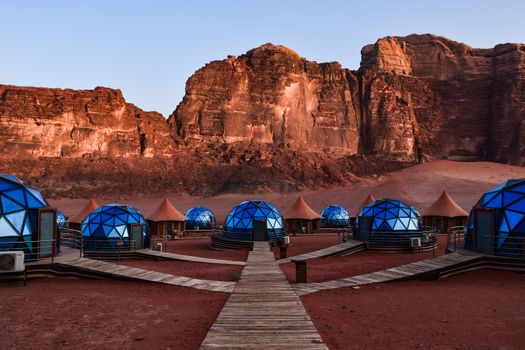
Imagine a vast, silent desert, where towering sandstone mountains and granite cliffs rise majestically from the sandy plains, carved by millennia of wind and erosion into fantastical shapes. This is Wadi Rum, Jordan, often called the "Valley of the Moon" or, more recently, "Mars on Earth" thanks to its starring role in films like "The Martian." My first night in Wadi Rum, sleeping in a traditional Bedouin camp under a blanket of stars so dense it felt like you could reach out and pluck them, was nothing short of spiritual.
The Bedouin hospitality is as warm as the desert sun, and exploring the "Rum," as locals call it, by jeep with a knowledgeable guide felt like traversing an alien planet. We climbed natural rock bridges, explored ancient inscriptions, and watched the desert shift from golden to fiery red as the sun dipped below the horizon. It’s a place that humbles you, reminding you of the vastness of time and space.
Why it feels alien:
The striking red and orange sands, the dramatic rock formations, and the immense, silent expanse make it feel like you’ve been transported to another world. The clear, unpolluted night sky reveals a Milky Way that’s truly out of this world.
Camping Details:
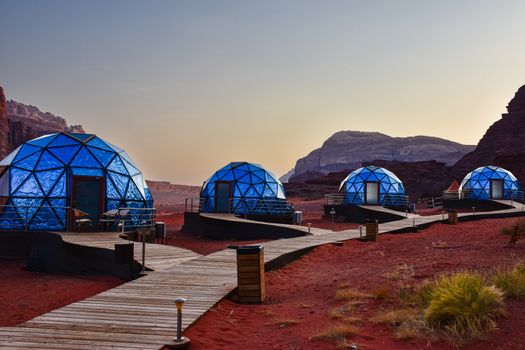
* Campsites: Most camping is done in Bedouin-run desert camps, ranging from basic tents to luxurious "glamping" bubbles with transparent roofs for stargazing. You typically book a tour package that includes accommodation, meals, and jeep excursions.
* Cost: Prices vary widely depending on the luxury level and duration, but expect to pay USD 50-200 per person per night for a good experience, including food and activities.
* Amenities: Camps offer traditional Bedouin meals (often cooked underground in a zarb), shared or private bathrooms, and a communal tent for gathering.
Tripsora Tips & Tricks:
* Best Time to Visit: Spring (March-May) and autumn (September-November) offer pleasant temperatures. Summers are very hot, and winters can be surprisingly cold at night.
* Must-Do: Take a jeep tour to explore the canyons and rock formations, try sandboarding, and definitely opt for a camel ride. Don't miss stargazing – it's phenomenal.
* Pack Smart: Layers for day-to-night temperature swings, comfortable walking shoes, sun protection, and a headlamp. Respect local customs with modest dress.
* Instagram Moment: Your Bedouin tent against the backdrop of the red desert, a camel caravan silhouetted against the sunset, or a long-exposure shot of the Milky Way above the dramatic landscape. #WadiRum #Jordan #DesertCamping #MarsOnEarth
4. Atacama Desert, Chile: The Moon on Earth**
The Atacama Desert in Chile isn't just the driest non-polar desert in the world; it’s a living laboratory of otherworldly landscapes. From the surreal salt flats of the Salar de Atacama to the geysers of El Tatio spewing steam at dawn, and the incredible lunar terrain of Valle de la Luna (Moon Valley), this region is a playground for anyone seeking an alien adventure. When I first cycled through Valle de la Luna, the silence was so profound, and the landscape so desolate yet beautiful, I felt like Neil Armstrong on a solo mission.
The altitude can be a challenge (San Pedro de Atacama, the main hub, sits at over 8,000 feet), but the rewards are immense. Watching the sunset over the Valle de la Luna, as the landscape shifted through a spectrum of reds, purples, and blues, with the distant Andes providing a majestic backdrop, was an emotional experience. And the night skies? Unrivaled. The Atacama is one of the best places on Earth for stargazing, home to some of the world's most powerful observatories.
Why it feels alien:
The extreme aridity, vast salt flats, lunar-like valleys, and active geysers create a diverse range of landscapes that are starkly beautiful and feel utterly extraterrestrial. The lack of light pollution makes the night sky appear impossibly vast and brilliant.
Camping Details:
* Campsites: While direct camping in Valle de la Luna is generally not permitted, San Pedro de Atacama (the gateway town) has several private campgrounds and hostels with camping facilities. These offer a good base for exploring.
* Cost: Campsites in San Pedro average USD 10-20 per person per night. Park entrance fees for attractions like Valle de la Luna (around CLP 10,000 / USD 10-15) are separate.
* Amenities: Campsites in town typically offer basic facilities like restrooms, showers, and cooking areas.
Tripsora Tips & Tricks:
* Best Time to Visit: Year-round, but spring (September-November) and autumn (March-May) offer pleasant temperatures. Winter (June-August) can be cold at night but is excellent for clear skies.
* Must-Do: Visit Valle de la Luna for sunset, explore the El Tatio Geysers at sunrise (very early start!), float in the Laguna Cejar salt lake, and definitely book a professional stargazing tour.
* Pack Smart: Layers for extreme temperature fluctuations (hot days, freezing nights), sun protection (high altitude means intense sun), lip balm, and plenty of water. Acclimatize to the altitude gradually.
* Instagram Moment: The dramatic sunset over Valle de la Luna, the steaming geysers at dawn, or a wide-angle shot of the Milky Way stretching across the desert sky. #AtacamaDesert #Chile #MoonValley #Stargazing
5. Snæfellsnes Peninsula, Iceland: The Land of Fire & Ice (and Aliens!)
Iceland itself often feels like another planet, but the Snæfellsnes Peninsula, often called "Iceland in Miniature," takes it to another level. This narrow, dramatic peninsula on the west coast packs an incredible punch of diverse, otherworldly landscapes: black sand beaches, towering basalt columns, moss-covered lava fields, dramatic sea cliffs, and the majestic Snæfellsjökull glacier-capped volcano at its heart. It’s the kind of place where you half expect to see a spaceship land.
My journey here involved battling unpredictable weather, but every gust of wind, every sudden shower, only amplified the raw, untamed beauty. Standing on Djúpalónssandur black pebble beach, listening to the powerful waves crash against the shore, with the jagged lava rock formations silhouetted against the grey sky, felt incredibly primal. It’s a landscape that constantly reminds you of Earth’s geological power.
Why it feels alien:
The dramatic contrasts – black sand against green moss, towering basalt columns, volcanic craters, and the ever-present, moody weather – create a landscape that is both beautiful and eerily desolate, reminiscent of a newly formed world.
Camping Details:
* Campsites: Snæfellsnes has several well-maintained campsites, including those in Hellnar, Arnarstapi, and Grundarfjörður (near Kirkjufell mountain). They are generally open from May/June to September.
* Cost: Campsites typically cost ISK 1,500-2,500 (USD 10-20) per person per night. Some require a Camping Card Iceland.
* Amenities: Most sites offer restrooms, hot showers, and cooking facilities. Some might have laundry.
Tripsora Tips & Tricks:
* Best Time to Visit: Summer (June-August) offers the mildest weather and longest daylight hours (midnight sun!). Shoulder seasons (May, September) can be beautiful but colder and wetter.
* Must-Do: Hike between Hellnar and Arnarstapi, explore Djúpalónssandur beach, visit the iconic Kirkjufell mountain (especially at sunset/sunrise), and drive around the entire peninsula.
* Pack Smart: Layers are essential – waterproof and windproof outerwear, warm base layers, sturdy hiking boots. The weather changes constantly!
* Instagram Moment: Kirkjufell mountain with its waterfall, the basalt columns at Arnarstapi, or the black sand beaches with a dramatic sky. #Iceland #Snaefellsnes #VolcanicLandscape #CampingIceland
6. White Sands National Park, New Mexico, USA: A Gypsum Wonderland
Imagine an ocean of pure, undulating white dunes stretching as far as the eye can see, shimmering under the desert sun. White Sands National Park in New Mexico is exactly that – a truly unique and breathtaking landscape made of gypsum crystals, not sand. It’s a place that feels utterly unreal, like stepping onto a giant, pristine snowball on another planet.
My first visit here was during a scorching summer day, but the white gypsum reflected the sun so intensely that it felt cooler than expected. The sheer scale of the dunes, some reaching 60 feet high, was mesmerizing. Sledding down the soft, cool slopes on a plastic saucer felt like a childhood dream come true, but in a landscape that was anything but ordinary. As the sun began to set, painting the white dunes in pastel hues of pink and orange, the silence was profound, broken only by the whispers of the wind.
Why it feels alien:
The vast, pure white gypsum dunes create a stark, ethereal landscape that is unlike any other desert on Earth. It feels incredibly clean, quiet, and almost futuristic.
Camping Details:
* Campsites: White Sands offers ten primitive backcountry campsites, accessible only by hiking into the dunes. These are first-come, first-served and require a permit from the visitor center. They are extremely popular, so arrive early on the day you wish to camp.
* Cost: The backcountry camping permit is usually around $3 per person, plus the park entrance fee ($25 per vehicle or your America the Beautiful pass).
* Amenities: These are primitive sites – no water, no restrooms, no facilities. You must pack in and pack out everything.
Tripsora Tips & Tricks:
* Best Time to Visit: Spring and fall offer the most pleasant temperatures for hiking and camping. Summers are hot but manageable, while winters can be cold.
* Must-Do: Rent or buy a sled at the visitor center and go dune sledding! Hike one of the marked trails (Dune Life Nature Trail, Alkali Flat Trail), and definitely stay for sunset – the colors are incredible.
* Pack Smart: Crucially, bring lots of water (no water in the backcountry), sunscreen, sunglasses, a wide-brimmed hat, and sturdy shoes (the gypsum can be abrasive). Check for missile range closures before you go, as the park closes periodically for missile tests.
* Instagram Moment: Sledding down a pristine white dune, your footprints stretching into the distance, or a lone tent under a vibrant sunset sky. #WhiteSands #NewMexico #GypsumDunes #AlienCamping
7. Lanzarote, Canary Islands, Spain: The Island of Eternal Volcanoes
While the entire Canary archipelago boasts volcanic origins, Lanzarote truly leans into its extraterrestrial aesthetic. Shaped by massive volcanic eruptions in the 18th and 19th centuries, the island is a testament to raw geological power. Driving through Timanfaya National Park, with its vast fields of black, red, and ochre lava, steam rising from boreholes, and dormant volcanoes dotting the horizon, feels like touring the surface of a distant, fiery planet. The landscape is so stark, so barren, yet so incredibly beautiful.
I remember hiking near the "Montañas del Fuego" (Fire Mountains), the crunch of volcanic rock underfoot, the air heavy with the scent of minerals. The silence was profound, only broken by the occasional gust of wind. It’s a place that makes you feel small, yet invigorated by the sheer power of nature. The local architecture, largely influenced by artist César Manrique, blends seamlessly with the volcanic terrain, making even the villages feel like they belong to this unique world.
Why it feels alien:
The predominantly black and red volcanic landscapes, lava fields stretching to the sea, and the stark, treeless environment create a dramatically different feel from typical European destinations. It’s a raw, untamed beauty that truly feels like another planet.
Camping Details:
* Campsites: Wild camping is generally prohibited. However, there are designated campsites, most notably Camping Papagayo near Playa Blanca, offering stunning views and access to beautiful beaches. There are also a few smaller, more rustic options.
* Cost: Campsites typically range from €10-20 per night for a pitch, plus extra for facilities like electricity.
* Amenities: Camping Papagayo offers basic facilities including restrooms, showers, and a small shop.
Tripsora Tips & Tricks:
* Best Time to Visit: Year-round! Lanzarote enjoys a mild climate. Spring and autumn are ideal for hiking and avoiding peak tourist crowds.
* Must-Do: Take the bus tour through Timanfaya National Park (private cars are restricted), visit the Cueva de los Verdes (Green Caves) and Jameos del Agua, and explore the unique vineyards of La Geria.
* Pack Smart: Comfortable walking shoes for volcanic terrain, sun protection, and layers for cooler evenings.
* Instagram Moment: The dramatic black lava fields of Timanfaya, the unique white architecture against the black landscape, or a drone shot of the volcanic coastline. #Lanzarote #CanaryIslands #VolcanicCamping #Otherworldly
Preparing for Your Cosmic Campout: Essential Tips for Alien Adventures
Venturing to these otherworldly destinations requires a bit more planning than your average forest retreat. Here are some universal tips to ensure your alien camping trip is out of this world for all the right reasons:
- Permits & Reservations are Planetary Passports: Many of these unique spots have strict regulations, limited campsites, or require special permits. Research and book well in advance to avoid disappointment.
- Hydration is Key (Seriously): Deserts and high altitudes are dehydrating. Carry significantly more water than you think you'll need, and always know where your next refill is coming from.
- Pack for Extremes: Whether it’s scorching desert days, freezing desert nights, or unpredictable volcanic island weather, layers are your best friend. Sun protection (hats, sunscreen, sunglasses) is non-negotiable.
- Leave No Trace, Literally: These fragile environments are easily damaged. Pack out everything you pack in, stay on marked trails, and respect local flora and fauna. These aren't just rules; they're vital for preserving these alien landscapes for future generations.
- Embrace the Dark Sky: Many of these locations boast incredible dark skies. Bring a red-light headlamp to preserve your night vision and spend time simply gazing up. You'll be amazed.
- Off-Grid Readiness: Cell service can be spotty or non-existent. Inform someone of your itinerary, consider a satellite messenger for emergencies, and bring portable power banks for your devices.
- Respect Local Culture: Especially in places like Wadi Rum, you're not just visiting a landscape; you're interacting with a culture. Be mindful and respectful.
Your Next Great Escape Awaits!
There’s a certain magic in stepping onto a landscape that defies your earthly expectations. These trending camping spots aren't just places to pitch a tent; they're portals to experiences that challenge your perceptions, reignite your sense of wonder, and leave you with stories that sound like they're ripped from a sci-fi novel.
So, which alien world will you explore first? Will it be the fiery red rocks of Nevada, the ancient dunes of Namibia, or the volcanic plains of Iceland? The universe is calling, and your next great adventure is waiting.
Share your dream 'alien' camping destination in the comments below! And don't forget to tag us on Instagram with #TripsoraAlienAdventures when you embark on your own out-of-this-world journey!
---