The Call of the Cosmos: Camping Beyond Earth's Borders
I remember my first time truly feeling small. Not insignificant in a bad way, but profoundly, beautifully small. It was a crisp desert night, far from any city lights, the kind of darkness that lets the universe truly breathe. As I lay in my sleeping bag, staring up at the Milky Way stretching across the sky like a spilled bucket of glitter, a thought hit me: this isn't just a campsite; this is a portal. This is a glimpse of what it might feel like to be on another planet, utterly alone with the cosmos.
That moment ignited a spark in me – a relentless quest to find those places on Earth that defy earthly norms, places so unique, so visually arresting, they feel like they’ve been plucked from a sci-fi novel. We’re talking about camping spots that don’t just offer a change of scenery, but a complete shift in perspective. These aren't just pretty places; they're experiences that challenge your understanding of what our own planet is capable of.
If you’re anything like me, a seasoned adventurer with a taste for the truly extraordinary, then buckle up. Because today, we’re not just talking about camping. We’re talking about stepping onto alien landscapes, sleeping under extraterrestrial skies, and experiencing the kind of awe that makes you feel alive in the most profound way. These are the camping spots that feel like another planet you absolutely need to experience before you die.
---
1. Wadi Rum, Jordan: Sleep Under a Martian Sky
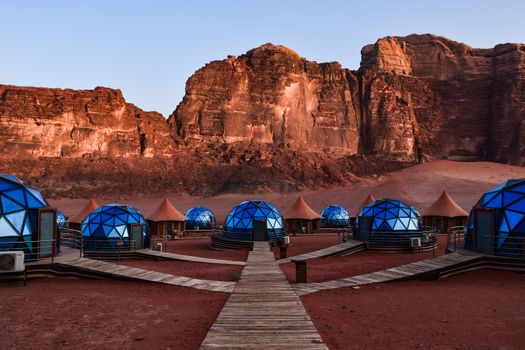
Imagine waking up to a landscape painted in fiery reds and oranges, towering sandstone mountains sculpted by millennia of wind and sand, and a silence so profound it hums. Welcome to Wadi Rum, Jordan, often called the "Valley of the Moon" or, more aptly, "Mars on Earth." This vast desert wilderness, a UNESCO World Heritage site, is where Lawrence of Arabia found his inspiration, and where you'll find yourself questioning if you accidentally boarded a spaceship.
Why it feels alien:
The sheer scale of the desert, the unique reddish hue of the sand and rock, and the bizarre, eroded formations make it an uncanny doppelganger for the Red Planet. You half expect Matt Damon to roll by in a rover.
My personal cosmic moment:
I’ll never forget my first night in Wadi Rum. After a thrilling jeep tour scrambling over dunes and exploring ancient petroglyphs, we arrived at our Bedouin camp. As the sun dipped below the horizon, painting the sky in a palette of deep purples and oranges, the desert temperature dropped, and the stars began to emerge. Without any light pollution, the Milky Way exploded overhead, a luminous band across the inky blackness. Sipping sweet Bedouin tea by the campfire, listening to the gentle crackle of the flames and the distant call of a desert fox, I felt a connection to something ancient and vast. It was like sleeping in an observatory designed by aliens.
Camping specifics & tips:
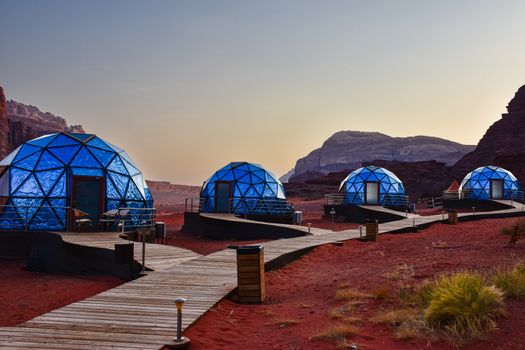
* Types of Camping: Most visitors opt for traditional Bedouin desert camps, ranging from rustic tents to luxurious "bubble" glamping tents with transparent roofs for stargazing. Wild camping is possible but generally requires a local guide for safety and navigation.
* Best Time to Visit: Spring (March-May) and Autumn (September-November) offer pleasant temperatures. Summers are scorching, and winters can be surprisingly cold at night.
* Cost: Bedouin camp stays typically range from $50-$150 per person per night, usually including dinner, breakfast, and a jeep tour.
* Getting There: Fly into Amman or Aqaba, then arrange a taxi or tour transfer to Wadi Rum Village.
* Instagram-worthy shot: A wide-angle shot of your bubble tent under the full Milky Way, or a silhouette of a camel train against a fiery sunset.
---
2. Salar de Uyuni, Bolivia: Mirror to the Cosmos
Step onto the world’s largest salt flat, Salar de Uyuni in Bolivia, and prepare for your mind to be thoroughly boggled. This vast, dazzling white expanse stretches for over 10,000 square kilometers, and when covered with a thin layer of water during the wet season, it transforms into the most incredible natural mirror on Earth. Here, the sky meets the land in a seamless, breathtaking illusion that will make you feel like you’re floating in an infinite void.
Why it feels alien:
The sheer scale, the perfect flatness, and the mind-bending reflections create an environment where horizons disappear, and perspective becomes a playful illusion. It's like walking on a cloud or, perhaps, on the surface of an alien moon with a liquid sky.
My personal cosmic moment:
I went during the wet season, specifically for the reflections. After a bumpy 4x4 journey, we finally drove onto the flooded flats. The sky was an endless canvas of blues and whites, and below us, an identical sky stretched to infinity. It was impossible to tell where one ended and the other began. We played with perspective photography, making our friends look like giants stepping on tiny cars, and later, as the sun set, the entire world turned into a watercolor painting of fiery oranges and purples. That night, sleeping in a basic "salt hotel" (yes, built entirely of salt blocks!), I imagined being an astronaut on a distant, reflective planet, the stars above and below me merging into a single, overwhelming cosmic display.
Camping specifics & tips:
* Types of Camping: Most visitors experience Salar de Uyuni on multi-day 4x4 tours, which include basic accommodation in salt hotels or rustic hostels. True wild camping is possible but extremely challenging and only recommended with an experienced local guide and full expedition gear.
* Best Time to Visit:
* Wet Season (December-April): For the iconic mirror effect. Be prepared for rain and potential tour disruptions.
* Dry Season (May-November): For hexagonal salt patterns and easier access to "islands" like Isla Incahuasi (covered in giant cacti).
* Cost: A 3-day/2-night tour typically costs $150-$300 per person, including transport, guide, accommodation, and most meals.
* Getting There: Fly or bus to Uyuni, Bolivia, and book a tour there.
* Instagram-worthy shot: Any perspective photo where you look like you’re walking on clouds or holding the sun in your hand. Bonus points for drone shots of the reflections!
---
3. Haleakala National Park, Maui, Hawaii: Above the Clouds
Think Hawaii, and you probably picture pristine beaches and lush rainforests. But climb above the clouds to the summit of Haleakala National Park on Maui, and you'll discover a landscape so utterly distinct, it feels like a different world entirely. This massive dormant volcano boasts a colossal crater filled with cinder cones, volcanic rock, and unique silversword plants, all often bathed in a light that filters through a sea of clouds.
Why it feels alien:
The stark, barren volcanic landscape inside the crater, the bizarre shapes of the cinder cones, and the feeling of being literally above the clouds create an otherworldly, almost lunar, atmosphere. It's a place where you can touch the sky.
My personal cosmic moment:
The famous Haleakala sunrise required a pre-dawn wake-up and a reservation made months in advance, but it was worth every shivering second. Standing at the summit (10,023 feet!), bundled up against the biting cold, I watched as the sun slowly painted the sky in a symphony of colors, illuminating the vast crater below. It felt like watching the birth of a planet. Later, I hiked a portion of the Sliding Sands Trail, descending into the crater. The silence was profound, broken only by the crunch of my boots on volcanic gravel. The unique silversword plants, endemic to Haleakala, looked like metallic alien flora. Camping at Hosmer Grove that night, nestled among eucalyptus trees just below the summit, the stars felt closer, brighter, and more numerous than anywhere else on the island.
Camping specifics & tips:
* Types of Camping: There are two drive-up campgrounds (Hosmer Grove and Kipahulu, near the coast) and two primitive backcountry cabins within the crater (requires hiking). Reservations are essential, especially for cabins.
* Best Time to Visit: Year-round, but expect cold temperatures at the summit, especially at night. Check weather conditions for rain or high winds.
* Cost: Park entrance fee is $30 per vehicle (valid for 3 days). Camping at Hosmer Grove is $5 per night. Sunrise viewing requires a separate reservation ($1 per vehicle) made up to 60 days in advance.
* Getting There: Drive up Haleakala Highway. Allow ample time for the winding road.
* Instagram-worthy shot: A panoramic shot of the crater at sunrise, or a close-up of a silversword plant against the volcanic backdrop.
---
4. Valley of Fire State Park, Nevada, USA: A Fiery Red Planet
Just an hour northeast of the glittering chaos of Las Vegas lies a landscape that couldn't be more different: Valley of Fire State Park. Named for its stunning Aztec sandstone outcrops that appear to be ablaze when reflecting the sun's rays, this park is a geologist's dream and a photographer's paradise. It's a land of vibrant red rock formations, ancient petrified trees, and mysterious petroglyphs that make you feel like you've stumbled upon a prehistoric alien world.
Why it feels alien:
The intensely vibrant red, orange, and even pink hues of the sandstone, sculpted into bizarre formations like "Elephant Rock" or "Fire Wave," create a landscape unlike anything else on Earth. It’s like stepping onto a miniature, fiery Mars.
My personal cosmic moment:
I arrived late in the afternoon, just as the sun was beginning its descent. The rocks seemed to ignite with an internal glow, shifting from deep crimson to brilliant orange. I spent hours scrambling over formations, marveling at the intricate patterns and textures. Finding ancient petroglyphs etched into the rock faces felt like discovering alien messages. Camping at Atlatl Rock campground, the silence after the sunset was profound, broken only by the distant hoot of an owl. As the stars emerged, the red rocks took on a darker, more mysterious aura, standing sentinel under a sky that felt impossibly vast and clear, a stark contrast to the neon glow of Vegas just down the road. It felt like sleeping in a geological wonderland that time forgot.
Camping specifics & tips:
* Types of Camping: Two developed campgrounds, Arch Rock and Atlatl Rock, offer first-come, first-served sites with shaded tables, grills, and restrooms. RV sites with hookups are also available.
* Best Time to Visit: Cooler months (October-April) are ideal for hiking. Summer temperatures can exceed 100°F (38°C), making daytime activities challenging.
* Cost: Park entrance fee is $10 per vehicle. Camping is an additional $20 per night.
* Getting There: A scenic one-hour drive northeast from Las Vegas.
* Instagram-worthy shot: The "Fire Wave" at sunset, or a dramatic shot of the red rock formations against a deep blue sky.
---
5. Jökulsárlón Glacial Lagoon, Iceland: The Ice Planet's Edge
If you've ever dreamt of visiting an ice planet, look no further than Jökulsárlón Glacial Lagoon in Iceland. This breathtaking natural wonder is where massive icebergs, some as tall as multi-story buildings, calve off the Vatnajökull glacier and slowly drift through the lagoon towards the Atlantic Ocean. The nearby "Diamond Beach" sees these ice chunks wash ashore, glittering like precious stones on the black volcanic sand.
Why it feels alien:
The colossal, ethereal blue and white icebergs, the stark black sand, and the raw, untamed power of the glacial landscape create a scene that feels utterly primordial and otherworldly, like a frozen world at the edge of the known universe.
My personal cosmic moment:
Standing on the shore of Jökulsárlón, watching the silent, majestic procession of icebergs, felt like being transported to a different epoch, or perhaps a different planet altogether. The air was crisp, carrying the faint scent of the sea, and the only sounds were the gentle lapping of water and the occasional groan of an iceberg shifting. Later, walking along Diamond Beach, surrounded by glistening chunks of ice scattered across the black sand, I felt like I was collecting alien jewels. While direct camping at the lagoon isn't permitted, I stayed at a nearby campground, and that night, the sky put on a show. The Northern Lights danced across the heavens, painting streaks of green and purple above the glacial landscape. It was an experience of raw, untamed beauty that made me feel utterly insignificant yet deeply connected to the planet's powerful forces.
Camping specifics & tips:
* Types of Camping: Direct camping at Jökulsárlón is not allowed. However, there are excellent official campgrounds nearby, such as Skaftafell (part of Vatnajökull National Park) or Hofn, offering facilities. Wild camping in Iceland is heavily restricted and generally not permitted near attractions.
* Best Time to Visit:
* Summer (June-August): Longer daylight hours, easier access, boat tours operate frequently.
* Winter (September-April): Best chance to see the Northern Lights, but shorter days and colder temperatures.
* Cost: Boat tours on the lagoon range from $50-$100. Camping fees are typically $20-$30 per night.
* Getting There: Jökulsárlón is located off Ring Road (Route 1) in southeast Iceland, about a 4.5-hour drive from Reykjavik.
* Instagram-worthy shot: A wide-angle shot of a massive iceberg in the lagoon, or close-ups of ice chunks on Diamond Beach with the black sand.
---
6. Joshua Tree National Park, California, USA: Dr. Seuss Meets the Cosmos
Nestled in Southern California, where the Mojave and Colorado deserts meet, Joshua Tree National Park is a landscape that defies easy categorization. Its namesake trees – twisted, spiky, and utterly unique – stand like sentinels among massive, sculptural rock formations. This isn't just a desert; it's a surreal, almost whimsical ecosystem that feels like a cross between a Dr. Seuss illustration and an alien botanical garden.
Why it feels alien:
The bizarre, prehistoric appearance of the Joshua trees (which are actually a type of yucca), combined with the gigantic, weathered granite monoliths, creates an eccentric and visually distinct environment that's unlike anywhere else on Earth.
My personal cosmic moment:
I’ve been to Joshua Tree countless times, and each visit feels like stepping into a dream. One evening, after a day of scrambling over the giant rock piles at Jumbo Rocks and exploring hidden oases, I set up camp at Belle Campground. As twilight descended, the Joshua trees transformed into shadowy, gnarled figures, their silhouettes stark against the fading light. Then, the stars began to emerge. Without any significant light pollution, the desert sky became a tapestry of light, so thick with stars it felt like I could reach out and touch them. I lay on a picnic table, watching shooting stars streak across the inky blackness, feeling utterly insignificant yet profoundly connected to the vastness of the universe, with those quirky, alien-like trees standing guard around me. It’s a place that inspires both wonder and a deep sense of peace.
Camping specifics & tips:
* Types of Camping: Joshua Tree offers nine developed campgrounds, ranging from first-come, first-served (e.g., Belle, White Tank) to reservation-only (e.g., Jumbo Rocks, Hidden Valley). Backcountry camping is also permitted with a permit.
* Best Time to Visit: Spring (March-May) for wildflowers and pleasant temperatures, or Fall (October-November) for cooler weather. Summers are extremely hot.
* Cost: Park entrance fee is $30 per vehicle (valid for 7 days). Camping fees range from $15-$20 per night.
* Getting There: Accessible via multiple entrances from Yucca Valley or Twentynine Palms, California.
* Instagram-worthy shot: A silhouette of a Joshua tree against a stunning sunset or a starry night sky. Or a shot of you bouldering on one of the unique rock formations.
---
Essential Gear for Your Interstellar Campout
Venturing into these extraordinary landscapes requires a little more preparation than your average weekend camping trip. Here’s a quick checklist to ensure your "alien" adventure is comfortable and safe:
- Sturdy Tent & Sleeping System: A reliable tent that can withstand varied weather, and a sleeping bag rated for colder temperatures (even deserts get cold at night!).
- Layers, Layers, Layers: Temperatures can fluctuate wildly, especially in deserts and high altitudes. Pack thermals, fleeces, and a waterproof/windproof outer shell.
- Navigation Tools: GPS, maps, and a compass – cell service might be non-existent in these remote areas.
- Plenty of Water: More than you think you'll need. Hydration is key, especially in arid environments.
- Headlamp/Flashlight: With extra batteries. Light pollution will be minimal, so you'll need your own light source.
- High-Quality Camera & Tripod: You'll want to capture the incredible landscapes and starry nights. A tripod is essential for astrophotography.
- First-Aid Kit: Comprehensive and easily accessible.
- Sun Protection: Hat, sunglasses, high-SPF sunscreen – the sun can be intense.
- Leave No Trace Kit: Pack out everything you pack in. These fragile environments depend on us.
- Open Mind & Sense of Wonder: The most crucial piece of gear!
---
Ready for Liftoff? Your Next Great Adventure Awaits!
These six destinations are more than just camping spots; they are gateways to experiences that will challenge your perceptions, humble your spirit, and ignite your sense of wonder. They are reminders that our own planet holds secrets and spectacles as grand and mysterious as any distant galaxy.
So, what are you waiting for? Stop dreaming about Mars, and start planning your trip to Wadi Rum. Forget the moon, and get ready to reflect the heavens in Salar de Uyuni. The call of the cosmos is real, and it's echoing from these incredible corners of Earth.
Which "other planet" camping spot is calling your name? Have you been to any of these, or do you have another otherworldly gem to share? Drop your thoughts in the comments below! And don't forget to share this post with your fellow adventurers – let's inspire each other to explore the truly extraordinary.
#TripsoraAdventures #AlienCamping #BeforeYouDie #ExploreEarth #TravelGoals
---