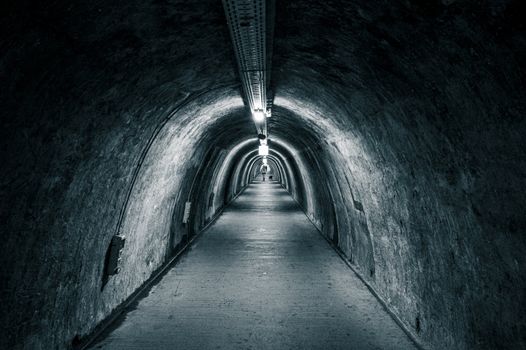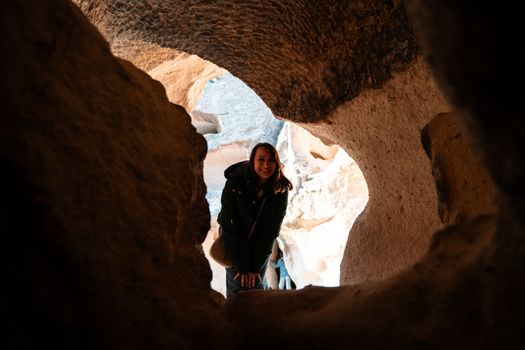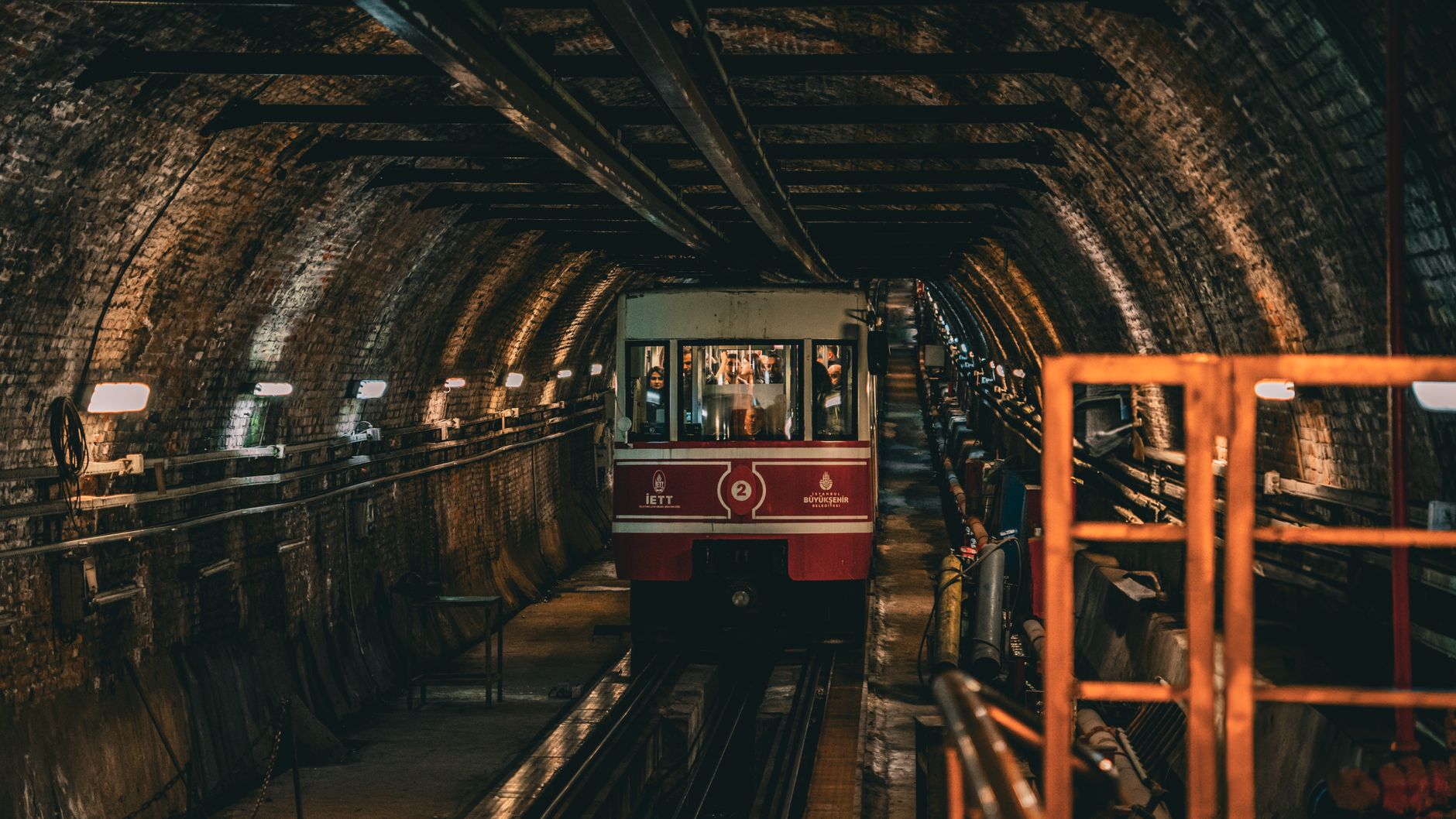
My heart pounded, not from exertion, but from the sheer, overwhelming presence of history. The air was cool, damp, and carried the faint scent of ancient earth. Above me, layers of carved rock stretched into an inky blackness, while ahead, a narrow, winding passage beckoned. I was deep within Derinkuyu, an ancient underground city in Cappadocia, Turkey, and in that moment, I felt like an intrepid explorer uncovering a lost world.
There’s something undeniably captivating about what lies beneath the surface. Perhaps it’s the allure of secrets, the thrill of stepping into a realm hidden from plain sight, or the profound connection to human resilience and ingenuity. Whatever it is, subterranean travel is having a serious moment right now, with travelers flocking to incredible underground cities that offer a unique blend of history, mystery, and sheer awe.
As a travel blogger, I’ve been fortunate enough to descend into some truly mind-blowing subterranean worlds. And trust me, these aren’t just dusty caves; they are meticulously crafted, often sprawling, and always fascinating testaments to human adaptability. If you’re looking to add an unforgettable, Instagram-worthy adventure to your bucket list, you’ve come to the right place. Let’s dive deep into the trending underground cities you absolutely must visit!
1. Cappadocia's Subterranean Labyrinth: Derinkuyu & Kaymaklı (Turkey)
Why it's Trending:
These aren't just caves; they're entire cities carved into the soft volcanic rock (tuff) of Cappadocia. Derinkuyu and Kaymaklı are the most famous of over 200 underground cities in the region, offering an unparalleled glimpse into ancient life and ingenious defense strategies. They're a staple for anyone visiting the surreal "fairy chimney" landscapes above.
My first experience in Derinkuyu was nothing short of profound. As I squeezed through some of the narrower passages, imagining families, livestock, and entire communities living here for months on end to escape invaders, I felt a deep sense of connection to their struggle and ingenuity. The sheer scale is staggering – Derinkuyu alone could house up to 20,000 people and their livestock across 8 accessible levels (though it's thought to go much deeper!). You'll see stables, churches, wineries, storage rooms, and even schools, all connected by a complex ventilation system.
Personal Anecdote:
I remember standing in a vast, open chamber, perhaps a communal gathering space, and looking up at the perfectly carved ventilation shaft stretching dozens of meters upwards. It was a stark reminder of the incredible engineering prowess of these ancient people, who lived without modern tools. My guide, a local Cappadocian with generations of family history in the region, told tales that made the stones feel alive.
Practical Tips:
* Location: Cappadocia region, Turkey. Most tours depart from Göreme or Ürgüp.
* Best Time to Visit: Spring (April-May) and Autumn (September-October) for pleasant weather.
* Entrance Fee: Approximately 60-80 Turkish Lira (around $2-3 USD) per person for each city. Check current rates as they fluctuate.
* Getting There: Best visited as part of a guided tour, often combined with other Cappadocian highlights. This is highly recommended as guides provide invaluable context.
* What to Expect: Some passages are very narrow and low, so if you're claustrophobic, be prepared. Wear comfortable shoes with good grip.
* Instagram-Worthy: The intricate carvings, the dramatic lighting in some chambers, and the sense of ancient mystery make for captivating photos. Tag your adventurous shots with #CappadociaUnderground!
2. The Salt Cathedral: Wieliczka Salt Mine (Krakow, Poland)
Why it's Trending:
A UNESCO World Heritage site since 1978, Wieliczka isn't just a mine; it's an artistic masterpiece carved entirely from salt. Its stunning chapels, intricate sculptures, and underground lakes make it a truly unique and visually spectacular destination that's constantly shared across social media.
Stepping into the Wieliczka Salt Mine felt like entering a fantastical realm. The air was cool and surprisingly fresh, with a subtle, almost sweet, salty tang. As I descended deeper and deeper, the scale of human endeavor became breathtaking. What started as a working salt mine in the 13th century evolved into an underground cathedral, with miners carving incredible works of art from the very salt they extracted. The highlight, undoubtedly, is the Chapel of St. Kinga, a grand church complete with chandeliers, altarpieces, and even a statue of Pope John Paul II – all made of salt!
Personal Anecdote:
My jaw literally dropped when I walked into St. Kinga's Chapel. The chandeliers, sparkling with salt crystals, cast an ethereal glow on the polished salt floor. Our guide explained that even the "gold" on the altars was salt, carefully treated to achieve that hue. It felt like walking through a giant, glistening geode. I even licked a wall (discreetly, of course!) just to confirm it was indeed salt – and it was!
Practical Tips:
* Location: Wieliczka, just 30 minutes southeast of Krakow, Poland.
* Best Time to Visit: Year-round. It's a great escape from summer heat or winter chill.
* Entrance Fee: Standard Tourist Route tickets are around 109 PLN (approx. $27 USD) for adults. Booking online in advance is highly recommended, especially during peak season.
* Getting There: Frequent local trains or buses from Krakow. Many tour operators also offer combined packages.
* What to Expect: The standard tour involves a lot of stairs (around 800 down, but an elevator brings you up!). The air is considered therapeutic for respiratory conditions.
* Instagram-Worthy: St. Kinga’s Chapel is the star – get wide shots of the chandeliers and intricate carvings. The underground lakes also provide stunning reflections. #WieliczkaSaltMine #SaltCathedral
3. Living Below the Surface: Coober Pedy (South Australia, Australia)
Why it's Trending:
This isn't an ancient ruin but a thriving modern town where most residents live underground to escape the scorching desert heat. Coober Pedy offers a truly unique glimpse into a subterranean lifestyle, drawing curiosity seekers and adventurers looking for something truly off-the-beaten-path. It's a testament to human adaptation in extreme environments.
Coober Pedy blew my mind. After hours of driving through the desolate, sun-baked Australian Outback, arriving in a town where the landscape is scarred by thousands of mine shafts and the "houses" are just holes in the ground was surreal. The town is the opal capital of the world, and living underground, in "dugouts," provides natural insulation from the 50°C (122°F) summer heat and freezing winter nights. I stayed in an underground hotel, and the constant 23°C (73°F) temperature was bliss!
Personal Anecdote:
Walking into my underground hotel room, I was surprised by how normal it felt – until I realized there were no windows, and the walls were rough-hewn rock. The silence was absolute, a deep, comforting quiet. Later, I visited an underground church and even an underground bookstore. It’s not just homes; entire businesses and public spaces exist in this subterranean world. The locals, often rugged opal miners, have a fantastic sense of humor about their unique existence.
Practical Tips:
* Location: Remote South Australia. It's a 9-hour drive north of Adelaide.
* Best Time to Visit: Cooler months (April-October) to avoid extreme summer temperatures, though the underground stays cool year-round.
* Accommodation: Stay in an underground hotel or hostel for the full experience. Prices vary, but expect around $100-200 AUD per night for a mid-range underground hotel.
* Getting There: Drive (4WD recommended for exploring beyond town), or take a Greyhound bus from Adelaide. Regional flights are also available.
* What to Expect: A dusty, rugged, and truly unique town. Take a guided mine tour to learn about opal mining, and visit the Umoona Opal Mine & Museum.
* Instagram-Worthy: The entrances to dugouts, the unique underground churches, and the surreal, moon-like landscape above ground. Capture the signs like "Beware of Unmarked Shafts!" #CooberPedy #OpalCapital #UndergroundLiving
4. The Dark Heart of History: Edinburgh Vaults (Scotland)
Why it's Trending:
Edinburgh is famously a city of secrets and ghost stories, and its underground vaults are the epicenter of this dark allure. These atmospheric, historically rich, and genuinely spooky chambers are experiencing a surge in popularity for those seeking a thrill and a deep dive into the city's grim past.
Descending into the Edinburgh Vaults felt like stepping back into a Dickensian nightmare. Built into the arches of the South Bridge in the late 18th century, these chambers were initially used by merchants for storage. But as the bridge developed leaks and conditions worsened, they became a refuge for the city's poor, criminals, and outcasts. The stories told by the guides – of poverty, disease, murder, and even body snatchers – are chillingly real. The air is heavy, damp, and carries a palpable sense of history.
Personal Anecdote:
On my tour, the guide, a master storyteller with a theatrical flair, paused in a particularly dark chamber. He recounted tales of past visitors experiencing strange cold spots, disembodied whispers, or even feeling tugs on their clothes. While I didn't personally witness anything supernatural, the atmosphere was so thick with history and sorrow that it sent shivers down my spine. It’s less about jump scares and more about the deeply unsettling historical context.
Practical Tips:
* Location: Underneath the South Bridge, Edinburgh Old Town, Scotland.
* Best Time to Visit: Year-round. Perfect for a rainy Edinburgh day.
* Entrance Fee: Tour prices vary depending on the operator and focus (history vs. ghost stories), typically £15-£25 (approx. $19-32 USD).
* Getting There: Easily walkable from anywhere in Edinburgh's Old Town.
* What to Expect: Cold, damp, and dark conditions. Wear warm layers and sturdy shoes. Choose your tour operator carefully – some focus on historical accuracy, others on ghost stories.
* Instagram-Worthy: The ancient stone arches, flickering lantern light, and atmospheric shadows make for incredibly moody and evocative photos. Use a good low-light setting! #EdinburghVaults #HiddenEdinburgh #GhostsofEdinburgh
5. Seattle's Hidden Past: The Seattle Underground Tour (USA)
Why it's Trending:
This tour offers a fascinating and often hilarious look at a unique piece of American urban history. It's a popular choice for visitors to Seattle seeking an unconventional perspective on the city's origins, blending historical facts with engaging storytelling.
I’d heard whispers of an "underground Seattle" but wasn't entirely sure what to expect. The reality was a delightful surprise. After the Great Seattle Fire of 1889, the city decided to rebuild, but with a twist: they raised the street level to prevent future flooding and to improve sanitation. This left the ground floors of the original buildings effectively in a subterranean world. The Seattle Underground Tour takes you through these abandoned storefronts and sidewalks, now preserved beneath the modern city.
Personal Anecdote:
Our guide was a comedic genius, weaving together historical facts with hilarious anecdotes about Seattle's pioneers. He pointed out old storefronts, some still bearing their original signs, now sitting eerily in the dark. We walked on what used to be sidewalks, peering into what were once bustling shops, now just dusty, forgotten spaces. It was an educational experience delivered with a heavy dose of wit, making it one of the most entertaining history tours I've ever taken.
Practical Tips:
* Location: Pioneer Square, Seattle, Washington, USA. Tours start at Bill Speidel's Underground Tour office.
* Best Time to Visit: Year-round. Great for escaping the rain!
* Entrance Fee: Approximately $22 USD for adults. Book online in advance as tours can sell out.
* Getting There: Easily accessible via public transport (Link Light Rail to Pioneer Square) or a short walk from downtown hotels.
* What to Expect: The tour involves some stairs and uneven surfaces. It's more about the history and storytelling than a vast underground city, but it's incredibly engaging.
* Instagram-Worthy: The old storefronts, historical artifacts, and the stark contrast between the old and new city levels make for unique urban exploration photos. #SeattleUnderground #HiddenSeattle #PioneerSquare
6. The Troglodyte Village of Naours Caves (France)
Why it's Trending:
While less globally known than some others, Naours has gained traction as a fascinating, off-the-beaten-path alternative. It's a truly extensive underground city that served as a refuge for centuries, offering a different historical perspective than mining or defense-focused sites.
The Caves of Naours, or "Cité Souterraine de Naours," are a sprawling network of underground passages, chambers, and even a chapel, carved into the chalk cliffs of Picardy. This wasn't just a temporary hideout; it was a genuine subterranean village, inhabited intermittently for over 2,000 years, primarily as a refuge during times of war and invasion. Walking through the 2 km (1.2 miles) of accessible tunnels, you can see remnants of daily life – bakeries, wells, communal areas – that paint a vivid picture of survival.
Personal Anecdote:
What struck me most about Naours was its sheer scale and the feeling of a genuine community having existed here. Our guide pointed out where specific families would have lived, showing how they adapted to life underground. There was a unique sense of quiet resilience in these walls, a testament to the human spirit of survival. It felt less like a tourist attraction and more like stepping into a preserved historical snapshot.
Practical Tips:
* Location: Naours, Hauts-de-France region, about 20 km (12 miles) north of Amiens.
* Best Time to Visit: Spring to Autumn.
* Entrance Fee: Approximately €10-12 (around $11-13 USD) for adults.
* Getting There: Best reached by car. Limited public transport options.
* What to Expect: A comprehensive guided tour (available in multiple languages). The caves are cool and damp, so bring a jacket. There's also a surface park with historical exhibits.
* Instagram-Worthy: The vastness of the passages, the subtle lighting highlighting ancient carvings, and the unique underground chapel. #NaoursCaves #UndergroundFrance #HiddenHistory
7. Burlington Bunker (Corsham, England)
Why it's Trending:
This secret Cold War bunker, once designed to house the UK government in case of nuclear attack, has recently become more accessible to the public, drawing history buffs and those fascinated by the chilling realities of the Cold War. It's a stark, compelling reminder of a bygone era.
My visit to Burlington Bunker was a surreal journey into a potential doomsday scenario. Tucked away beneath a seemingly innocuous Wiltshire countryside, this massive underground city was built in the 1950s to protect 4,000 government officials, including the Prime Minister, for up to three months after a nuclear strike. Walking through its miles of tunnels, offices, a hospital, a telephone exchange, and even a pub, I was struck by the chilling detail put into preserving a semblance of society underground.
Personal Anecdote:
The most impactful part was seeing the Prime Minister's office and the BBC broadcasting studio, complete with old equipment. Our guide explained how they planned to broadcast to the surviving population from underground. It was a tangible link to a very real and terrifying period of history. The thought of an entire government operating from this subterranean world, while the surface potentially lay in ruins, was truly sobering.
Practical Tips:
* Location: Near Corsham, Wiltshire, England.
* Best Time to Visit: Check specific tour dates, as access is limited.
* Entrance Fee: Tours are typically around £20-25 (approx. $25-32 USD). Booking well in advance is essential as tours are infrequent and popular.
* Getting There: Best reached by car. Limited public transport.
* What to Expect: A fascinating, well-preserved Cold War relic. The tours are comprehensive and highly informative. It's cool and dry underground.
* Instagram-Worthy: The retro tech, the eerie long corridors, and the stark, functional design offer unique photographic opportunities. #BurlingtonBunker #ColdWarHistory #SecretBunker
Essential Tips for Your Subterranean Adventure:
Before you descend into these incredible hidden worlds, keep these practical tips in mind:
- Book Ahead: Especially for popular tours and specific time slots, booking online in advance is crucial to avoid disappointment.
- Wear Comfortable Shoes: You'll be doing a lot of walking, often on uneven surfaces, stairs, or damp ground.
- Layer Up: Underground temperatures are consistently cool, even in summer. A light jacket or sweater is almost always a good idea.
- Check Accessibility: Many underground sites involve stairs, narrow passages, or uneven terrain. If you have mobility concerns, research specific site accessibility beforehand.
- Embrace the Guide: Guided tours are almost always mandatory and are essential for understanding the history and significance of these sites.
- Mind Your Head: Low ceilings are common in many ancient underground structures. Watch your step and your head!
- Claustrophobia Awareness: If you're prone to claustrophobia, research the specific site and its passages. Some are more open than others.
- Photography Rules: Always check if photography is allowed, and if flash is permitted. Respect any restrictions.
Conclusion: Dig Deeper, Explore Further!
From ancient refuges to modern marvels of adaptation, the world beneath our feet is brimming with incredible stories and breathtaking sights. These trending underground cities offer more than just a tour; they offer a unique perspective on human history, resilience, and ingenuity. Each one is a testament to the incredible things people have built, hidden, and lived within.
So, are you ready to trade the sky for the subterranean? To venture into the cool, quiet depths where history whispers from every wall? Pack your bags, lace up your comfortable shoes, and prepare to be amazed. These hidden worlds are waiting to be explored, photographed, and shared.
Which underground city is calling your name? Have you visited any of these incredible places? Share your experiences and tips in the comments below, and don't forget to tag #TripsoraUnderground on your Instagram adventures! Let's inspire more travelers to dig deeper!
---