The Sweetest Escape: My First Dive into the World of Bees
I stepped off the dusty country road, the air thick with the scent of wild thyme and something else… something warm, sweet, and alive. It was the unmistakable perfume of a thousand tiny wings at work. Before me stood a cluster of quaint, colorful hives, each buzzing with an energy that was both humbling and exhilarating. This wasn't just a visit; it was an immersion, a chance to connect with nature in its most industrious and delicious form. I was at a small, family-run apiary, about to embark on a beekeeping experience that promised not just knowledge, but a true taste of the wild.
The Buzz Begins: An Apiary Unveiled
My guide, Beatrice, a third-generation beekeeper with sun-kissed skin and a twinkle in her eye, greeted me with a smile as warm as the afternoon sun. She explained that this apiary, tucked away in rolling hills that seemed to stretch for eternity, was a haven for not just honeybees, but for the local ecosystem. “We don’t just harvest honey,” she said, her voice laced with passion, “we nurture life.”
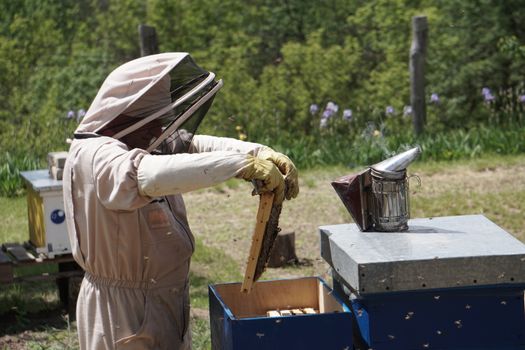
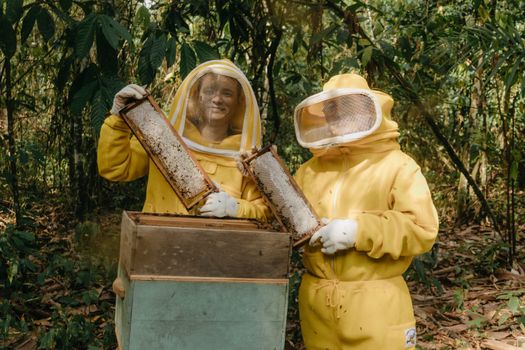
We donned our protective suits, feeling a mix of anticipation and a healthy dose of respect. Beatrice showed me how to move deliberately, to speak softly, and to observe without disturbing. The first peek inside a hive was a revelation. Thousands of bees, a mesmerizing dance of golden and black, moved with an organized chaos that spoke of ancient wisdom. The hum was a symphony, a constant, living soundtrack to their tireless work. Beatrice pointed out the queen, her larger abdomen a clear sign of her royal status, and the worker bees, diligently tending to the brood, collecting nectar, and defending their home. It was a miniature city, functioning with an efficiency that put our human endeavors to shame.
Pro-Tip:
Always listen to your guide! Their experience is invaluable for a safe and enlightening visit. Wear comfortable, closed-toe shoes; you'll be walking on uneven terrain.
Beyond the Honeycomb: Understanding the Bee's Role
What struck me most was the deep understanding Beatrice had of each bee's role and the intricate social structure of the hive. She spoke of the different castes – the queen, the drones, and the myriad of worker bees, each with specific jobs that evolved as they aged. From cleaning the hive and feeding the young to foraging for nectar and defending the colony, every bee played a vital part.
We learned about the incredible journey of nectar from flower to hive. Beatrice explained how bees collect pollen and nectar, carrying them back in specialized baskets on their legs and in their honey stomachs. The process of transforming nectar into honey, a complex enzymatic reaction and dehydration process, was fascinating. It’s not just sweet syrup; it’s a concentrated elixir, packed with enzymes, antioxidants, and natural sugars.
Insider Lingo:
You'll hear terms like "brood" (developing bees), "pollen baskets" (corbiculae), and "nectar flow" (when flowers are producing abundant nectar). Knowing these adds to the authentic experience.
The Main Event: A Symphony of Honey Tasting
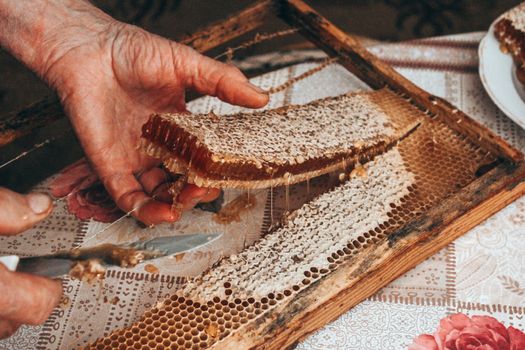
And then came the moment I’d been waiting for: the honey tasting. Beatrice had prepared a selection of honeys, each showcasing the unique terroir of the surrounding landscape. We sat at a rustic wooden table overlooking the fields, the gentle hum of the apiary a constant companion.
The first spoonful was a revelation. It was a wildflower honey, light and floral, with subtle notes of clover and lavender. It tasted like sunshine and meadows. Next, a buckwheat honey – dark, malty, and robust, with an earthy richness that was surprisingly complex. It was a stark contrast, highlighting how the bees' diet directly influences the honey's flavor profile.
We sampled honeys infused with local herbs, like rosemary and thyme, and even a rare heather honey, known for its slightly bitter, aromatic finish. Each tasted unique, a liquid snapshot of the season and the flora. Beatrice encouraged us to savor the aromas, the textures, and the lingering aftertastes. It wasn't just tasting; it was an education in flavor, a journey through the landscape with every lick.
Pro-Tip:
Don't be afraid to ask questions about the different flavor profiles. Experienced beekeepers love sharing their knowledge! Consider bringing a small notebook to jot down your favorites.
More Than Just Sweetness: The Health and Heritage of Honey
Beatrice shared stories of how honey has been used for centuries, not just as a sweetener, but for its medicinal properties. She spoke of its natural antibacterial qualities and its soothing effects on sore throats. It felt like stepping back in time, connecting with an ancient tradition that is still incredibly relevant today.
We learned about the importance of sustainable beekeeping practices. Beatrice emphasized the role of healthy bee populations in pollination, which is crucial for our food supply and the health of our planet. Her commitment to providing pesticide-free environments and ensuring her bees have diverse foraging opportunities was inspiring. This wasn't just about honey; it was about stewardship.
Insider Lingo:
You might hear about "robbing" (when bees steal honey from other hives) or "swarming" (when a colony divides). Understanding these natural behaviors adds depth to your appreciation.
Hands-On with the Hive: A Beginner's Beekeeping Workshop
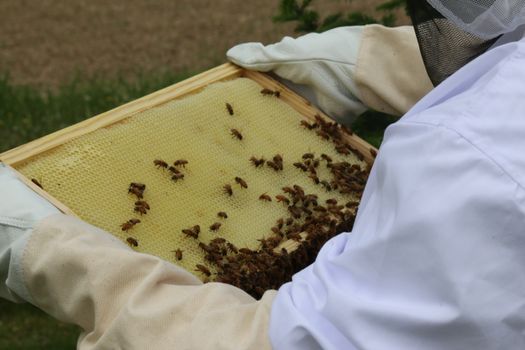
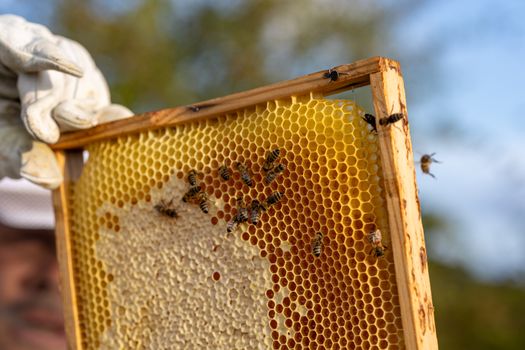
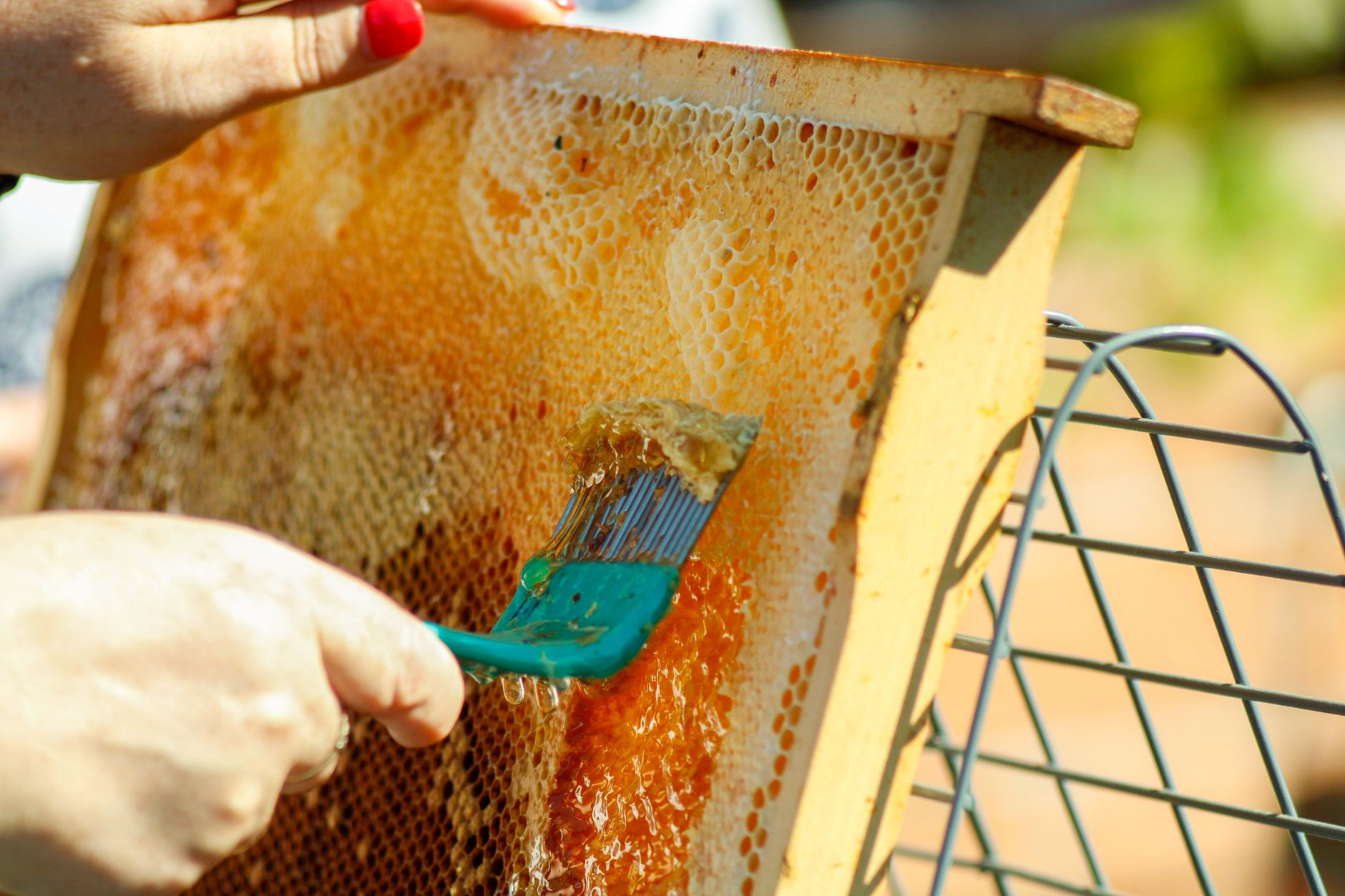
For the truly adventurous, some experiences offer a chance to get hands-on. Under strict supervision, I had the opportunity to gently lift a frame from a hive, teeming with bees. It was an intense, yet incredibly calm experience. Holding that frame, feeling the gentle vibrations, and seeing the intricate hexagonal cells of the honeycomb up close was an unparalleled moment of connection.
The workshop also covered the basics of beekeeping equipment, the life cycle of a bee, and how to identify common hive issues. It demystified the process, making it feel accessible and less daunting. I left with a newfound respect for the dedication and knowledge required to be a beekeeper.
Pro-Tip:
If you're considering starting your own hive, attend a beginner's workshop. It's the best way to get a realistic understanding of the commitment involved.
Planning Your Buzz-Worthy Adventure
Ready to embark on your own sweet journey? Here’s what you need to know to plan your beekeeping experience with honey tasting:
| Quick Facts: Beekeeping Experiences with Honey Tasting |
| :--------------------------------------------------- |
| Estimated Cost ($): $50 - $250 per person (depending on duration and inclusions) |
| Best Time to Visit: Spring and Summer (April - September) for peak nectar flow and active hives. Autumn offers quieter visits and often, harvest celebrations. |
| How to Get There: Varies by location. Often requires a car as most apiaries are in rural or semi-rural settings. Check for public transport options to nearby towns. |
| What to Bring: Comfortable clothing, closed-toe shoes, camera, insect repellent (though most providers offer suits), and an open mind! |
| Booking: Essential to book in advance, especially during peak season. |
Where to Find These Gems:
- Local Farmers' Markets: Often the best place to discover small, independent apiaries offering tours.
- Agritourism Websites: Search for "agritourism," "farm stays," or "rural experiences" in your desired region.
- Beekeeping Associations: Many local beekeeping associations have directories of members who offer educational visits.
- Specialty Food Blogs & Travel Sites: Look for curated lists of unique culinary and agricultural experiences.
Pro-Tip:
When booking, ask about the specific activities included. Some tours focus solely on tasting, while others offer a more in-depth look at hive management.
---
The Lingering Sweetness: Why You Need This Experience
As I drove away, the scent of thyme and honey still clinging to my clothes, I felt a profound sense of gratitude. This wasn't just a tourist activity; it was a deeply grounding and enriching experience. It was a reminder of the intricate beauty of the natural world, the vital role of these tiny creatures, and the incredible, unadulterated sweetness they create.
If you're looking for an adventure that is both educational and utterly delicious, an immersive beekeeping experience with honey tasting is it. It’s a chance to connect with nature, support local producers, and indulge in some of the purest flavors our planet has to offer. So, go on, chase the buzz. Your taste buds, and your soul, will thank you.