The Buzz is Real: Why Beekeeping & Honey Tasting Are Taking Over 2024 Travel
I stepped off the train, the scent of damp earth and blooming wildflowers hitting me like a warm hug. The air hummed, not with traffic, but with a gentle, industrious symphony. I was in rural Tuscany, not for a wine tour, but for something far more elemental: a deep dive into the world of bees, culminating in a honey tasting that promised to redefine my understanding of sweetness. This wasn't just a vacation; it was an awakening. And let me tell you, this is the travel trend of 2024 you absolutely cannot afford to miss.
For too long, travel has been about ticking boxes and snapping selfies. But the modern explorer craves connection – to nature, to local communities, and to the very essence of a place. Beekeeping experiences with honey tasting offer precisely that. It’s a chance to get your hands (gently!) dirty, to understand a vital ecosystem, and to indulge your senses in a way that’s both educational and utterly delicious.
H3: From Apiary to Palate: The Rise of Experiential Honey Tourism
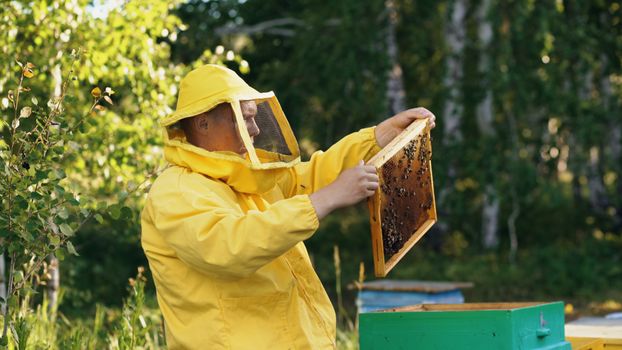
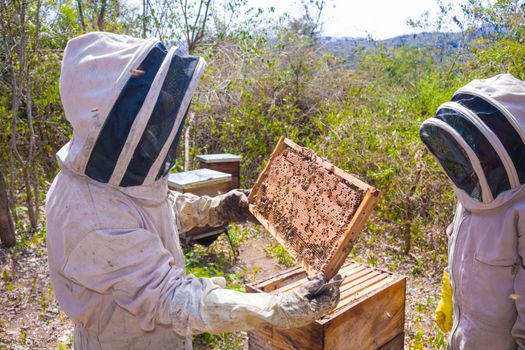
Gone are the days of simply buying a jar of honey off a shelf. Travelers are now seeking immersive journeys. They want to understand where their food comes from, how it's made, and the passion behind it. Beekeeping experiences tap into this desire by offering a direct connection to the source. You'll don a protective suit, learn about hive management from seasoned beekeepers, witness the intricate dance of the bees, and, most importantly, understand the incredible journey from nectar to honey.
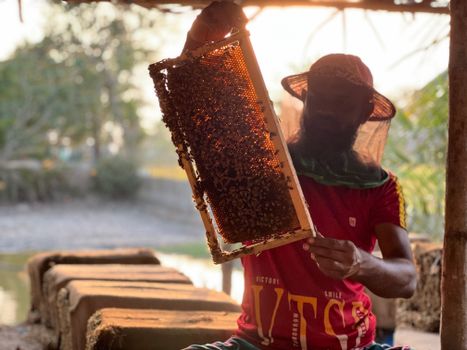
This isn't just about observing; it's about participating. Many experiences offer hands-on opportunities, like helping with hive inspections, learning about different bee species, or even participating in the honey extraction process. It’s a visceral, unforgettable way to connect with nature and support sustainable agricultural practices.
H2: Beyond the Buzz: What Makes These Experiences So Special?
It’s the combination of education, sensory delight, and genuine connection that makes beekeeping and honey tasting experiences so compelling.
H3: The Art of the Apiary: A Hands-On Education
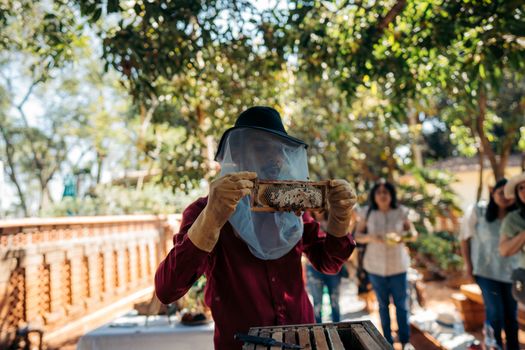
Imagine standing before a bustling hive, the air alive with the murmur of thousands of tiny wings. Your beekeeper guide, often a multi-generational custodian of local traditions, will walk you through the lifecycle of the bee, the queen's crucial role, and the intricate social structure of the colony. You’ll learn about the importance of pollinators to our ecosystem and the challenges they face.
Pro-Tip:
Always choose experiences that emphasize bee welfare and sustainable practices. Look for hosts who are passionate about education and conservation.
H3: The Sweet Symphony: A Journey Through Honey Flavors
This is where your taste buds truly come alive. Honey tasting is far more than just sampling. It’s an exploration of terroir, much like wine tasting. The floral sources available to the bees – lavender, chestnut, wild thyme, citrus blossoms – dictate the unique flavor, aroma, and color of the honey.
You'll learn to identify subtle notes, from the peppery kick of buckwheat to the delicate floral whispers of acacia. Your guide will explain how the season, the local flora, and even the weather can influence the final product. It’s a masterclass in natural flavors.
Insider Lingo:
Don't be surprised if your guide uses terms like "mono-floral" (honey from a single dominant flower source) versus "poly-floral" (a blend of many flowers).
H3: More Than Just Honey: Discovering Local Delights
Many beekeeping experiences extend beyond the hive. You might find yourself exploring the surrounding landscape, learning about the plants that provide the nectar, or even participating in other local culinary traditions. Some tours include farm-to-table lunches featuring local produce and, of course, their own honey.
H2: Where to Find Your Sweet Escape: Top Destinations & Experiences
The beauty of this trend is its global reach. From rolling vineyards to rugged coastlines, you can find incredible beekeeping experiences almost anywhere.
H3: Europe: A Rich History of Beekeeping
- Tuscany, Italy: Imagine a rustic farmhouse surrounded by olive groves and vineyards. Here, you can learn about traditional Italian beekeeping methods, taste honey infused with local herbs, and enjoy a leisurely Tuscan lunch.
- Pro-Tip: Look for agriturismo accommodations that offer on-site beekeeping tours.
- Provence, France: The lavender fields of Provence are legendary, and so is the honey produced here. Experience guided apiary visits followed by tastings that highlight the distinct lavender notes.
- Insider Tip: Visit during the lavender bloom (late June to early August) for the most spectacular scenery and the freshest lavender honey.
- The Greek Islands: Discover island beekeeping, where bees forage on wild herbs and thyme. Some experiences offer seaside apiaries with breathtaking views.
- Quick Facts:
- Estimated Cost: €50-€150 per person for a half-day experience.
- Best Time to Visit: Spring and Summer (April - September).
- How to Get There: Fly into major European hubs and take regional flights or ferries.
H3: North America: Innovation and Conservation
- California, USA: From the wildflower meadows of the coast to the almond groves of the Central Valley, California offers diverse beekeeping experiences. Many focus on education and the critical role of bees in agriculture.
- Pro-Tip: Seek out experiences that are part of larger conservation efforts or educational centers.
- Quebec, Canada: Experience the unique challenges and rewards of beekeeping in a cooler climate. Taste maple-infused honeys and learn about the resilience of these pollinators.
- Insider Tip: Many farms offer overnight stays, allowing for a truly immersive experience.
H3: Oceania: Unique Flora and Fauna
- New Zealand: World-renowned for its Manuka honey, New Zealand offers opportunities to learn about the medicinal properties and unique harvesting of this potent honey.
- Quick Facts:
- Estimated Cost: $75 - $200 USD per person.
- Best Time to Visit: Spring and Summer (September - March).
- How to Get There: International flights to Auckland or Christchurch.
H2: Planning Your Perfect Beekeeping Adventure
Ready to embark on your sweet journey? Here’s what you need to know.
H3: What to Expect: From Suit Up to Swarm Watch
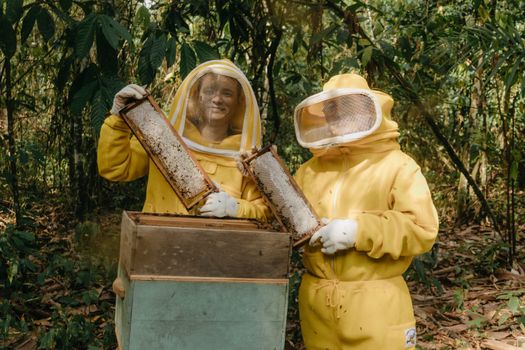
Most experiences begin with a welcome and an introduction to beekeeping safety. You'll be provided with a protective suit, veil, and gloves. Your guide will then lead you to the apiary, explaining hive components and bee behavior. You'll likely get to observe bees at work, perhaps even spot the queen! The highlight for many is the honey tasting, where you'll sample different varietals and learn to appreciate their nuances.
Pro-Tip:
Wear comfortable, closed-toe shoes and long pants under your suit. Bring insect repellent, though most hosts provide it.
H3: Budgeting for Your Buzz
Costs can vary significantly based on location, duration, and what’s included.
| Feature | Estimated Cost (USD) | Notes |
| :--------------- | :------------------- | :------------------------------------------------------------------------------------------------ |
| Half-Day Tour | $50 - $150 | Typically includes a guided apiary visit and honey tasting. |
| Full-Day Experience | $100 - $300 | May include lunch, more in-depth learning, or participation in extraction. |
| Multi-Day Retreat | $300+ | Often includes accommodation, multiple workshops, and extensive tasting sessions. |
| Transportation | Varies | Factor in flights, car rentals, or local transport to the apiary. |
| Souvenirs | $20+ | Buying honey directly from the source is a must! |
H3: How to Book & What to Ask
- Research: Look for reputable tour operators, local tourism boards, or directly contact farms and apiaries.
- Read Reviews: Check what past participants have to say about the experience, the guides, and the honey quality.
- Ask Questions:
- What is the duration of the experience?
- What is included in the price?
- What is the group size?
- What is the beekeeper's philosophy on bee welfare and sustainability?
- Are there opportunities to purchase honey?
- What is the cancellation policy?
H2: The Sweetest Takeaway: More Than Just a Vacation
Stepping away from the hive, I carried more than just jars of liquid gold. I carried a newfound appreciation for the tireless work of bees, the delicate balance of nature, and the power of simple, honest food. This is a travel trend that nourishes the soul and delights the palate. It's a reminder that the most profound experiences often come from connecting with the earth and its inhabitants. So, this year, trade the crowded landmarks for the hum of the hive. Your sweetest adventure awaits.