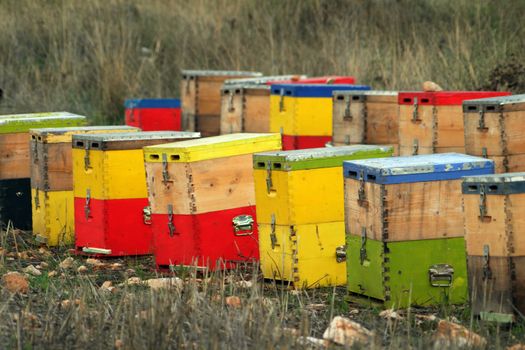
The Ultimate Beekeeping Experiences with Honey Tasting Experts Are Recommending
I stepped off the rickety train into the Tuscan countryside, and the air, thick with the perfume of wild rosemary and sun-baked earth, immediately felt different. A gentle, persistent hum, like a thousand tiny conversations happening just out of earshot, filled the silence. This wasn't just a holiday; it was an immersion. My destination: a small, family-run apiary where the owner, a third-generation beekeeper named Isabella, was renowned not just for her exquisite honey, but for her almost mystical ability to coax stories from her bees. This is the kind of experience that redefines travel – a sensory journey that connects you directly to the land, its producers, and its most precious, golden gift.
Forget sterile museums and crowded tourist traps. The most sought-after travel experiences today are those that offer genuine connection, hands-on learning, and a deep dive into local culture. And when it comes to unique culinary adventures, nothing beats a beekeeping experience paired with an expert-led honey tasting. These aren't just tours; they're intimate encounters with nature's most industrious artisans, guided by people who understand the subtle language of the hive and the complex spectrum of flavors locked within each drop of honey.
Why Beekeeping Experiences with Honey Tasting Experts are the Next Big Thing
In an era where authenticity is king, beekeeping experiences offer a rare glimpse into a world that is both ancient and vital. You're not just observing; you're participating, learning about the intricate social structure of a bee colony, the crucial role bees play in our ecosystem, and the meticulous craft of honey production. And when you add an expert honey tasting into the mix, it elevates the entire affair from educational to utterly sublime. These experts, often beekeepers themselves, possess an unparalleled palate for honey, capable of discerning the nuanced floral notes, the subtle mineral undertones, and the unique characteristics that each region and season imparts. They guide you through a tasting that’s akin to a fine wine or whiskey appreciation, unlocking a new understanding of this golden elixir.
The Sensory Symphony of the Apiary
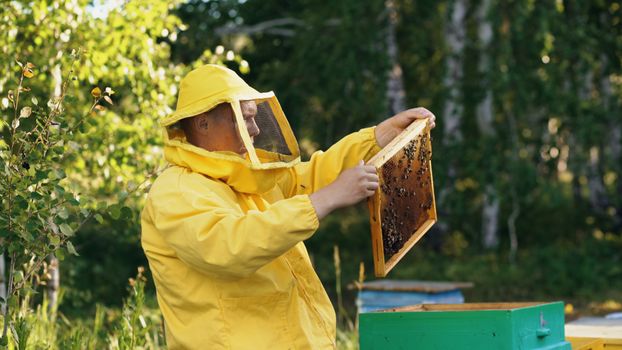
The moment you approach an apiary, the world transforms. The air buzzes – literally – with life. The distinct, sweet scent of beeswax and nectar hangs heavy, mingling with the fragrance of surrounding flora. For me, the first time I donned a veil and stepped closer to a hive, there was an initial flutter of apprehension, quickly replaced by profound awe. The rhythmic, purposeful dance of the bees, the gentle puff of smoke from the smoker, the quiet confidence of the beekeeper – it all creates a deeply meditative atmosphere. It’s a reminder of the natural world’s intricate beauty and the delicate balance upon which our own lives depend.
Pro-Tip:
Visit during the late morning or early afternoon when the bees are most active. This is when you'll witness the full spectacle of foraging and hive activity.
Expert-Led Honey Tasting: A Palate's Pilgrimage
This is where the magic truly happens. Imagine sitting down with Isabella, a linen cloth spread before you, a collection of small, artisanal jars gleaming under the afternoon sun. Each jar holds a different varietal of honey, harvested from distinct floral sources. Isabella doesn't just hand you a spoon; she orchestrates a journey.
- The Introduction: She'll begin by explaining the basics of honey tasting – the importance of observing the color, aroma, and texture before even touching it to your tongue.
- The Varietals: We tasted honey from lavender fields, its aroma like a summer breeze; acacia, delicate and almost floral; and chestnut, a dark, robust honey with a slightly bitter finish that was surprisingly complex.
- The Nuance: Isabella guided us to identify specific floral notes – a hint of thyme in one, a whisper of clover in another. She explained how the soil, the weather, and the dominant wildflowers in the bees' foraging radius dictate the final flavor profile.
- The Pairing: Often, these tastings extend to pairing honey with local cheeses, fruits, or even artisanal bread. This is where you truly understand the versatility of honey beyond just a sweetener.
Insider Language:
A true honey expert might refer to a honey as having "good mouthfeel," meaning it has a pleasing viscosity and texture. They'll also talk about "terroir," just like in wine, referring to the unique environmental factors that contribute to the honey's flavor.
Top Beekeeping Experiences Around the Globe (That Experts Rave About)
The world is brimming with incredible beekeeping experiences, but the ones that consistently earn high praise from both seasoned travelers and the beekeeping community itself offer more than just a peek into the hive. They offer education, immersion, and exceptional honey.
1. Tuscany, Italy: The Art of "Miele di Campagna"
My Tuscan adventure with Isabella wasn't just a tour; it was a masterclass. Her family's apiary, nestled amongst olive groves and vineyards, is a testament to sustainable beekeeping. We spent a morning observing the bees, learning about the different roles within the hive, and even had a go at gently inspecting a frame (under strict supervision, of course!). The tasting afterwards, held on their sun-drenched patio, featured their award-winning "miele di campagna" (countryside honey), a complex blend reflecting the diverse wildflowers of the region.
Pro-Tip:
Book well in advance, as Isabella's tours are intimate and fill up quickly. Consider visiting during the spring when the wildflowers are at their peak bloom.
How to Get There:
Fly into Florence (FLR) or Pisa (PSA) and rent a car. The drive into the countryside is scenic and part of the experience.
2. Provence, France: Lavender Fields and Liquid Gold
Imagine the endless purple haze of lavender fields, the air alive with the hum of happy bees. In Provence, this dream becomes a reality. Many local apiaries offer experiences that focus on lavender honey, a varietal celebrated for its delicate floral aroma and light, sweet taste. Experts often highlight the importance of visiting during the lavender bloom (typically June-August) for the most vibrant experience.
Insider Language:
A Provencal beekeeper might speak of "le cru" of their honey, referencing the specific harvest and floral source, much like a wine's vintage.
Quick Facts:
| Feature | Estimated Cost ($) | Best Time to Visit | How to Get There |
| :---------------- | :----------------- | :----------------- | :---------------------------------------------- |
| Tuscany, Italy | $150 - $300 | Spring (Apr-Jun) | Fly into FLR/PSA, rent a car |
| Provence, France | $120 - $250 | Summer (Jun-Aug) | Fly into Marseille (MRS), train or car rental |
3. The Greek Islands: Thymari Honey and Aegean Breezes
The Greek Islands are not just about sun and sea; they are home to some of the most unique honey varietals in the world, particularly thyme honey. Beekeepers on islands like Crete or Ikaria offer experiences that often include walks through wild herb-covered hillsides, explaining how the bees forage on these aromatic plants. The honey produced is intensely fragrant, with a distinctive herbal note and a rich amber color.
Pro-Tip:
Look for experiences that combine a visit to the apiary with a tasting of local cheeses and olives, as thyme honey pairs exceptionally well with these flavors.
4. The Scottish Highlands: Heather Honey's Wild Charm
For a truly wild and rugged experience, head to the Scottish Highlands. Here, beekeepers harness the nectar from heather, a hardy plant that carpets the moors. Heather honey is renowned for its unique, slightly bitter, and intensely floral flavor, with a texture that can sometimes crystallize into a creamy delight. Experts often emphasize the challenging but rewarding nature of beekeeping in this climate.
Insider Language:
You might hear Scottish beekeepers refer to the "heather bloom" as a critical event for their harvest, highlighting its importance.
Quick Facts:
| Feature | Estimated Cost ($) | Best Time to Visit | How to Get There |
| :--------------------- | :----------------- | :----------------- | :----------------------------------------------- |
| Greek Islands (Crete) | $100 - $200 | Late Spring-Summer | Fly into Heraklion (HER), local transport/car |
| Scottish Highlands | $130 - $220 | Late Summer (Aug-Sep) | Fly into Edinburgh (EDI) or Glasgow (GLA), car rental |
5. New Zealand: The Manuka Mystique
While perhaps more commercialized, New Zealand's Manuka honey experiences offer a fascinating insight into a highly sought-after product. Expert-led tours often delve into the science behind Manuka's unique properties and the meticulous process of harvesting this potent honey. Tastings will focus on its distinct medicinal notes and thick, creamy texture.
Pro-Tip:
When visiting a Manuka honey producer, ask about the UMF (Unique Manuka Factor) rating, which indicates the honey's potency and authenticity.
6. Slovenia: The Land of the Carniolan Bee
Slovenia, often called the "green heart of Europe," is a paradise for beekeeping enthusiasts. It's the native land of the Carniolan bee, one of the most docile and productive bee breeds. Many Slovenian apiaries offer immersive experiences, from learning about traditional beekeeping methods to participating in honey harvest demonstrations. The tasting will likely feature a variety of local wildflower honeys, showcasing the country's rich biodiversity.
Insider Language:
A Slovenian beekeeper might proudly discuss the "Carniolan bee's temperament" and its importance for a peaceful apiary.
Quick Facts:
| Feature | Estimated Cost ($) | Best Time to Visit | How to Get There |
| :---------------------- | :----------------- | :----------------- | :---------------------------------------------- |
| New Zealand (North Is.) | $180 - $350 | Year-round (peak harvest seasons vary) | Fly into Auckland (AKL), car rental |
| Slovenia | $100 - $200 | Spring-Summer | Fly into Ljubljana (LJU), car rental |
What to Expect from an Expert-Guided Experience
When you book an experience recommended by honey tasting experts, you're signing up for something far beyond a simple farm visit. These are curated journeys designed to educate, delight, and inspire.
- Deep Dive into Bee Science: Expect to learn about the life cycle of bees, their communication methods, hive management techniques, and the critical role they play in pollination.
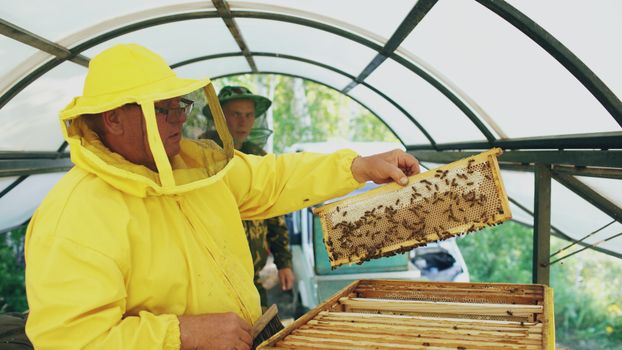
- Hands-On Involvement (Optional): Depending on the experience and your comfort level, you might get to suit up and get close to the hives, or even participate in gentle tasks like frame inspection.
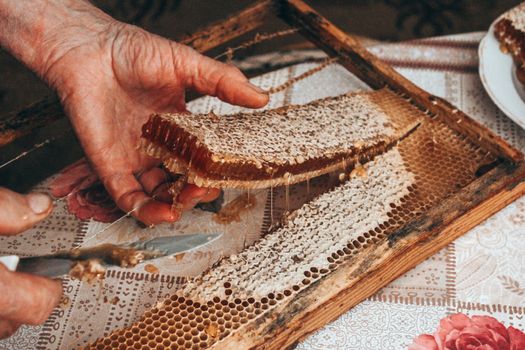
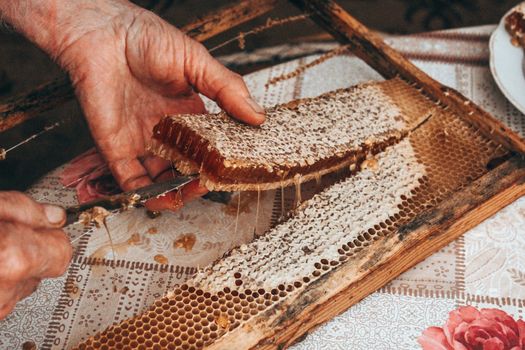
- The Art of Honey Extraction: Witness (or even participate in) the process of extracting honey from the comb, from uncapping the frames to the final straining.
- Advanced Honey Tasting: This is the highlight. You'll learn to swirl, sniff, and savor honey, identifying complex flavor profiles, understanding the impact of floral sources, and appreciating the nuances that differentiate one honey from another.
- Sustainable Practices: Many of the most recommended experiences prioritize sustainable and ethical beekeeping, and you'll learn about their commitment to the environment and bee health.
- Local Cuisine Integration: Often, the honey tasting is integrated with local foods – cheeses, breads, fruits, even drinks – to showcase how honey enhances other flavors.
Pro-Tips for Planning Your Sweet Escape
- Research the Expert: Look for experiences led by individuals or families with a long history in beekeeping or formal training in apiculture and honey evaluation. Check reviews specifically mentioning the quality of the tasting and the expertise of the guide.
- Consider the Season: The time of year significantly impacts what you'll see and taste. Spring offers the buzz of new life and early blooms, while late summer is harvest season.
- Pack Appropriately: Light-colored, comfortable clothing is best. You'll likely be provided with a veil and suit, but check in advance. Comfortable walking shoes are a must.
- Ask Questions! Beekeepers are passionate about their craft. Don't be shy about asking anything that sparks your curiosity.
- Embrace the Sensory: Be open to new smells, sounds, and tastes. This is an experience that engages all your senses.
- Be Respectful: Remember you are entering a working environment. Follow all instructions from your guide to ensure the safety of yourself and the bees.
The Takeaway: More Than Just Honey
My journey into the world of beekeeping and expert honey tasting was transformative. It wasn't just about tasting delicious honey; it was about understanding a delicate ecosystem, appreciating the hard work of tiny creatures, and connecting with passionate individuals who dedicate their lives to nurturing them. These are the experiences that linger long after the last drop of honey has been savored. They are a reminder of the sweetness and wonder that exists when we take the time to truly observe and appreciate the natural world.