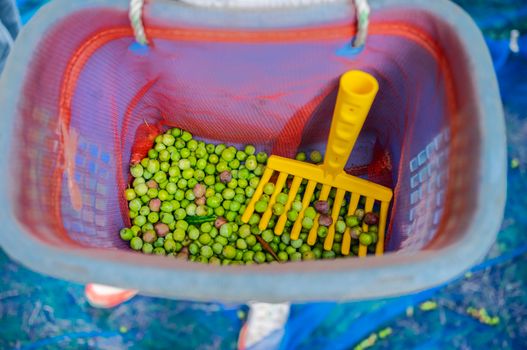
The Unmistakable Aroma of Spring's First Harvest
I stepped off the train in a small Umbrian village, the air thick and sweet with the scent of blooming jasmine and something else… something earthy, peppery, and utterly intoxicating. It was the unmistakable perfume of olive trees, not in their full autumn glory, but in the gentle awakening of spring. Locals spoke of the "second harvest," a unique phenomenon where certain groves, blessed by microclimates and diligent care, offer a second chance to experience the magic of olive picking. This wasn't the frenzied rush of October; this was a more intimate, nuanced affair, a whisper of the season's bounty. And let me tell you, it’s the travel trend you absolutely need to be part of this spring.
Why Spring Olive Harvests Are the New Must-Do
Traditionally, olive harvesting takes place in the crisp autumn months, a race against the first frosts. But the savvy traveler knows that spring offers a different kind of magic. Think of it as the encore performance of the olive year. Certain regions, particularly in Italy and Greece, boast microclimates that allow for a later harvest or even a "veraison" harvest – picking olives when they're just beginning to change color. This results in olives with a higher concentration of polyphenols and a brighter, often more peppery, oil. It’s a chance to connect with the land on a deeper, more elemental level, far from the tourist throngs.
Umbria: The Green Heart of Italy's Olive Renaissance
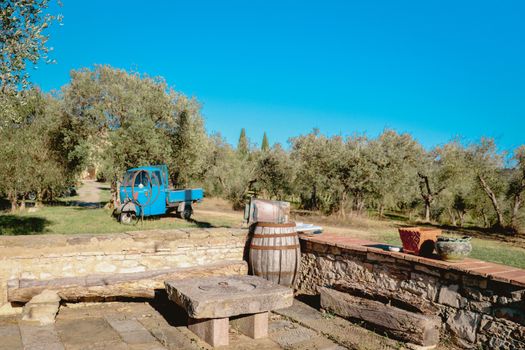
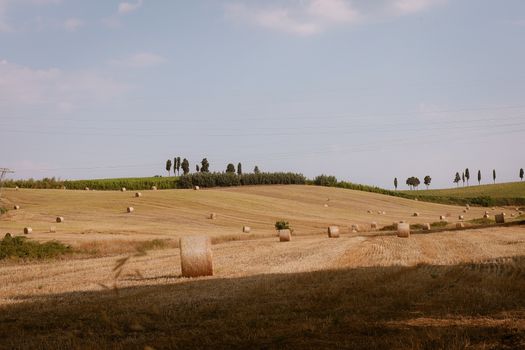
Umbria, often overshadowed by its Tuscan neighbor, is a true gem for olive oil aficionados. Its rolling hills, dotted with ancient farmhouses and medieval towns, are carpeted with olive groves that have been cultivated for centuries. This spring, I found myself in a small agriturismo near Assisi, where the owner, Signora Elena, a woman whose hands bore the history of a thousand harvests, invited me to participate in their "Raccolta di Primavera."
My Day in the Grove: From Tree to Table
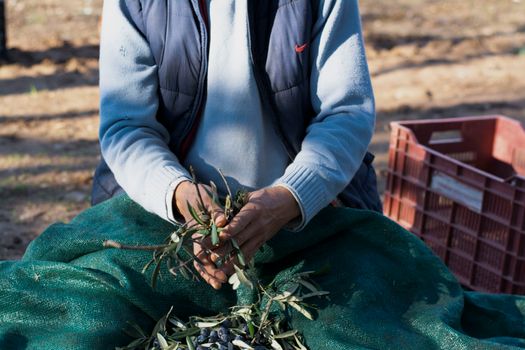
My day began before the sun had fully kissed the dew-kissed leaves. The air was cool, carrying the faint scent of wild herbs. Signora Elena, with a twinkle in her eye, handed me a pair of sturdy gloves and a sacchetto (a small canvas bag). "Today," she said, her voice warm and melodic, "we pick the cultivar Moraiolo. It gives a strong, peppery oil."
We walked through rows of gnarled trees, their silvery-green leaves shimmering in the nascent light. The mantra of the harvest was simple: gentle hands, careful movements. We didn't use harsh rakes; instead, we’d gently coax the olives into the nets spread beneath the trees. The satisfying plink of each olive hitting the canvas was a small victory. The sounds were symphony of nature: the rustling leaves, the distant chirping of birds, and the low hum of conversation amongst the other participants, a mix of locals and curious travelers.
Pro-Tip:
Arrive at the grove by 7:30 AM. The morning light is magical, and you'll have the best picking conditions before the midday sun.
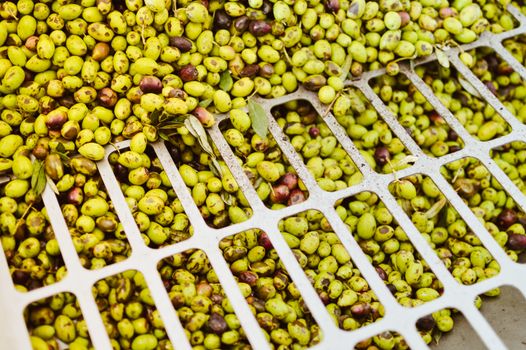
After a few hours of satisfying work, our sacchetti were full. We then joined Signora Elena and her family at their small, rustic frantoio (olive mill). The aroma here was intense – a powerful, pungent wave of fresh olive oil. The olives, still warm from the trees, were washed and then fed into the ancient stone mill. Witnessing the transformation from fruit to liquid gold was mesmerizing. The first drops of oil, vibrant green and impossibly fragrant, were collected.
Insider Insight:
Look for agriturismos that have their own frantoio. This guarantees the freshest possible oil, often pressed the same day as your harvest.
The culmination of the day was a simple, yet extraordinary, lunch. Crusty bread, still warm from the oven, was drizzled generously with the freshly pressed oil. Paired with local cheeses, cured meats, and a glass of crisp Umbrian white wine, it was a feast for the senses. The peppery bite of the Moraiolo oil was a revelation, a testament to the land and the labor.
Tuscany's Hidden Gems: Beyond the Tourist Trail
While Tuscany is synonymous with rolling hills and cypress-lined drives, its olive oil heritage is equally profound. Many Tuscan estates are now offering spring harvest experiences, focusing on specific varietals and the unique qualities of early-season oil.
A Tuscan Estate's Spring Secret
I discovered a small, family-run estate in the Chianti region that was experimenting with a "late-season pick" of their Frantoio and Leccino olives. This meant the olives, having ripened slowly under the Tuscan sun, were bursting with flavor. The experience here was more curated, with a focus on the educational aspect of olive oil production.
We learned about the different cultivars, their unique flavor profiles, and the importance of soil health. The harvesting technique was similar, but the afternoon was dedicated to a more in-depth olive oil tasting led by the estate's oleologo (olive oil sommelier). We learned to identify notes of artichoke, almond, and even green tomato in the oil.
Pro-Tip:
Many Tuscan estates offer private or small-group tours. Book well in advance, especially if you're looking for a more intimate experience.
Quick Facts: Umbria & Tuscany Spring Harvest Experiences
| Feature | Umbria (Assisi Region) | Tuscany (Chianti Region) |
| :-------------- | :----------------------------------------------------- | :------------------------------------------------------ |
| Estimated Cost ($) | €150 - €300 per person (includes harvest, lunch, tasting) | €200 - €400 per person (includes harvest, tasting, workshop) |
| Best Time to Visit | Late March to early May | Late April to mid-May |
| How to Get There | Fly into Rome (FCO) or Florence (FLR), then train to Assisi or Perugia. Rent a car for local exploration. | Fly into Florence (FLR) or Pisa (PSA). Rent a car is essential for exploring the region. |
| Accommodation | Agriturismos, charming B&Bs in medieval towns. | Luxury villas, boutique hotels, agriturismos. |
| Key Varietals | Moraiolo, San Felice, Pendolino | Frantoio, Leccino, Moraiolo, Correggiolo |
Greece: Island Rhythms and Ancient Traditions
The Greek islands, with their sun-drenched landscapes and millennia-old olive trees, offer an unparalleled spring harvest experience. Imagine picking olives with the azure Aegean Sea as your backdrop.
Crete's Coastal Bounty
On the island of Crete, I joined a small group at an organic olive farm overlooking the Libyan Sea. The air was alive with the scent of wild thyme and the salty spray of the ocean. The olives here were predominantly Koritiki, a small, intensely flavorful varietal.
The pace was slower, more relaxed, mirroring the island's laid-back rhythm. We worked alongside local farmers, sharing stories and laughter. The harvest was followed by a traditional Cretan lunch featuring dakos (barley rusks topped with tomatoes and feta) drizzled with the farm's own extra virgin olive oil.
Authenticity Unveiled:
Notice the distinctive silver-green hue of the olive leaves. This indicates the tree is healthy and well-hydrated. Also, pay attention to the local dialect; phrases like "kalí órexi" (bon appétit) add to the immersive experience.
Pro-Tip:
Many smaller Greek olive farms operate on a more informal basis. Reach out directly via their websites or social media to inquire about spring harvest opportunities.
Spain: Andalusian Sunshine and Liquid Gold
Andalusia, the heartland of Spanish olive oil production, offers a vibrant spring harvest experience. The vast olive groves stretch as far as the eye can see, bathed in the region's golden sunshine.
Jaén's Olive Oil Trail
I ventured into the province of Jaén, often called the "world capital of olive oil." Here, the harvest is a deeply ingrained part of the culture. I participated in a harvest at a cooperative that focuses on sustainable practices and educating visitors about the Picual varietal, known for its robust, slightly bitter flavor and high antioxidant content.
The experience was hands-on and immersive, involving not just picking but also learning about the irrigation techniques and the importance of biodiversity in the groves. The tasting session afterwards focused on pairing the oil with local tapas, showcasing its versatility.
Insider Tip:
Look for farms that are part of the "Oleoturismo" initiatives. These programs are designed to promote the cultural and gastronomic heritage of olive oil.
Beyond the Harvest: Culinary Delights and Cultural Immersion
A spring olive grove harvest isn't just about picking fruit; it's a gateway to a richer, more authentic travel experience. It’s about:
- Farm-to-Table Feasts: Savoring meals prepared with the freshest local ingredients, often featuring the very oil you helped to produce.
- Culinary Workshops: Learning to cook traditional dishes using regional olive oils, from pasta sauces in Italy to gazpacho in Spain.
- Wine Pairings: Discovering how different olive oils complement local wines, a delightful sensory exploration.
- Cultural Exchange: Connecting with local farmers, understanding their traditions, and gaining a deeper appreciation for rural life.
- Artisan Crafts: Many estates also offer workshops on local crafts, from pottery to natural dyeing.
Planning Your Spring Olive Harvest Adventure
Ready to trade your usual spring break for an unforgettable journey into the heart of olive oil country? Here’s how to make it happen:
- Research Destinations: Focus on regions known for their olive oil production and agriturismo offerings, such as Umbria, Tuscany, Crete, Andalusia, and parts of Portugal.
- Timing is Key: Spring harvests are less common than autumn ones. Aim for late March through May, depending on the specific region and microclimate.
- Book in Advance: These experiences are gaining popularity. Secure your spot at an agriturismo or farm that offers harvest programs as early as possible.
- Embrace the Hands-On: Be prepared to get a little dirty! The joy is in the participation and the connection to the land.
- Pack Smart: Comfortable, sturdy shoes are a must. Bring layers as spring weather can be variable. Don't forget a hat and sunscreen.
- Learn a Few Phrases: A little effort in learning basic greetings and thank-yous in the local language goes a long way.
This spring, embark on an adventure that nourishes your soul and tantalizes your taste buds. The olive groves are calling, and their freshly pressed liquid gold awaits.