Beyond the Boomerang: Why Your Next Travel Story Should Be Hand-Crafted
Let's be honest, we've all seen it. The perfectly curated feed, the 'spontaneous' poolside shots, the 'authentic' market strolls that look suspiciously like a photoshoot. There's a certain kind of travel content that dominates our screens, painting a picture of effortless glamour and often, superficiality. But what if I told you there's a whole world of travel experiences waiting, just beneath the surface of those glossy posts? Experiences that don't just give you a pretty picture, but a tangible skill, a deep cultural connection, and a story far richer than any caption?
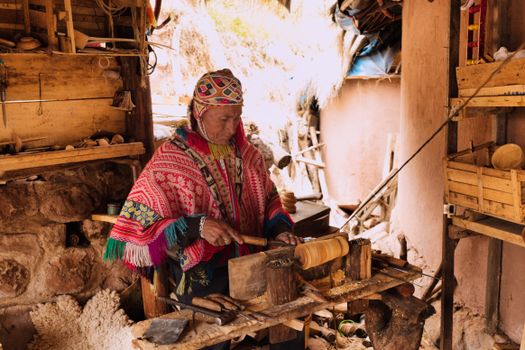
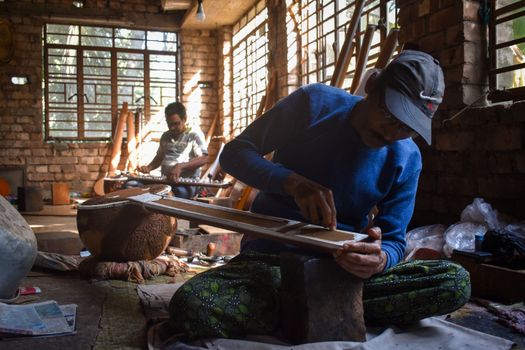
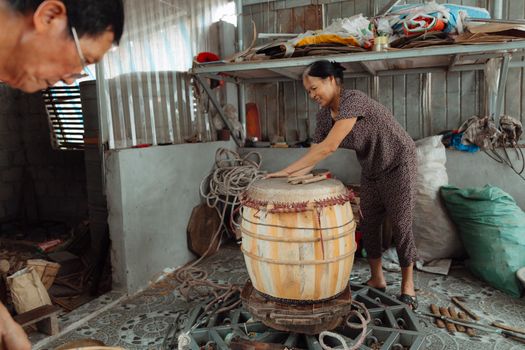
I'm talking about ancient trades. Skills passed down through generations, often in humble workshops tucked away from the main tourist drag. The kind of hands-on learning that leaves your fingers stained, your mind buzzing, and your heart full. And the best part? Many of these incredible crafts can be learned, or at least profoundly experienced, in a single day. Yes, you heard that right. Forget the endless scrolling; it's time to swap your phone for a potter's wheel, a dye vat, or a calligraphy brush. This is the real deal, folks – the kind of travel influencers might not even know about, let alone tell you.
My own journey into this world began almost by accident. I was in Marrakech, feeling a little overwhelmed by the sensory overload of the Djemaa el-Fna, searching for something more grounding. I stumbled upon a small leather workshop, the air thick with the smell of tanned hide and mint tea. An old artisan, with hands like gnarled oak, was patiently tooling a wallet. On a whim, I asked if he ever taught. He just smiled, pointed to a spare stool, and the next thing I knew, I was fumbling with a hammer and chisel, attempting to emboss my own small piece of leather. It was messy, imperfect, and utterly exhilarating. That day changed how I travel forever. It wasn't just a souvenir I took home; it was a skill, a story, and a connection to a craft that felt ancient and alive.
Ready to roll up your sleeves? Here are some incredible ancient trades you can learn in a day, guaranteeing a deeper, more authentic travel experience than any perfectly filtered selfie ever could.
1. The Art of Earth: Pottery & Ceramics
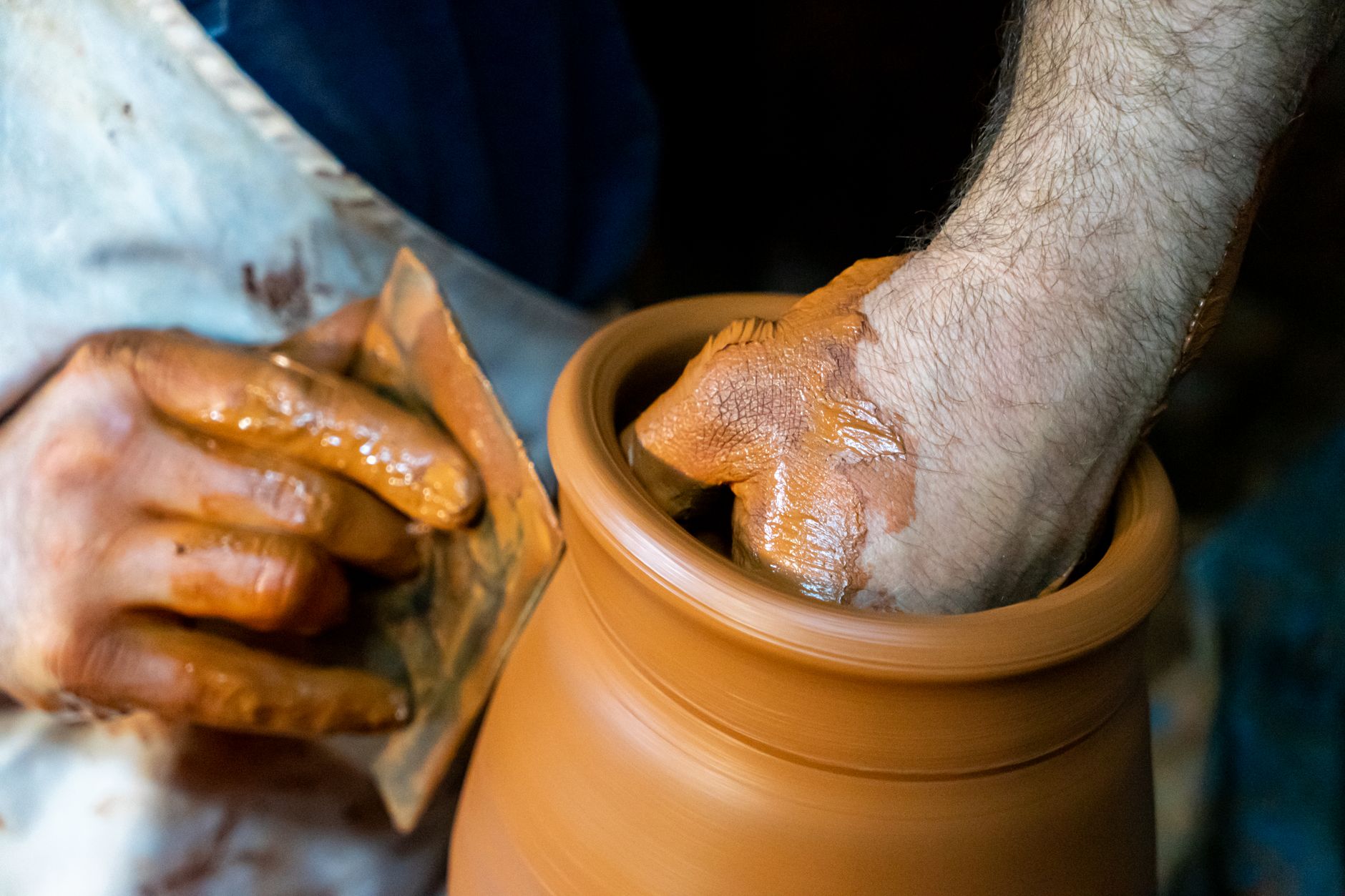
There's something incredibly therapeutic about shaping clay. From the rhythmic spin of the potter's wheel to the delicate brushstrokes of glazing, pottery connects you directly to the earth and centuries of human ingenuity. Many cultures have rich traditions in ceramics, offering diverse styles and techniques to explore.
Where to Learn:
* Japan (Kyoto): Known for its exquisite ceramics (Kyoyaki, Kiyomizu-yaki), Kyoto offers numerous workshops where you can try wheel throwing, hand-building, or even traditional painting. Imagine decorating your own teacup or sake set! Many studios also offer Kintsugi (the art of repairing broken pottery with gold lacquer) workshops for a truly unique experience, though a full Kintsugi piece often requires multiple sessions.
* Morocco (Fes): Fes is a hub for Moroccan pottery, particularly the vibrant blue and white patterns. You can often find workshops where you'll learn to throw a pot on a traditional kick wheel and then decorate it with intricate geometric designs.
* Mexico (Oaxaca): Famous for its black pottery (barro negro) and vibrant green-glazed ceramics, Oaxaca offers workshops where you can learn ancestral techniques, from shaping to firing.
My Anecdote:
My first pottery attempt in a small studio outside Kyoto was a disaster. My "bowl" looked more like a lopsided ashtray, and the clay seemed to have a mind of its own. But the patient sensei, with a twinkle in his eye, gently guided my hands, and by the end of the session, I had something vaguely recognizable as a vessel. The joy wasn't in the perfection, but in the process, the feel of the cool clay, and the quiet concentration. It now sits proudly on my shelf, a testament to a perfectly imperfect day.
Practical Details:
* Duration: 2-4 hours for a basic throwing or hand-building session. Painting/decorating can be shorter.
* Cost: Expect to pay anywhere from ¥4,000-¥8,000 (Japan), 300-600 MAD (Morocco), or 500-1000 MXN (Mexico) per person, depending on the studio and what's included (firing, shipping, etc.).
* What you'll make: A small bowl, cup, plate, or decorative item. You'll usually need to have it fired and shipped, which adds time and cost, but many places offer painting on pre-fired pieces you can take home immediately.
* Instagram-Worthy Moment: A candid shot of your hands covered in clay, or a time-lapse video of you struggling (and eventually succeeding!) at the wheel. The finished (even if imperfect) piece with a beautiful backdrop.
2. Weaving Wonders: Textile Dyeing & Batik
The world of textiles is a kaleidoscope of color, pattern, and history. Learning traditional dyeing or weaving techniques connects you to the very fabric of a culture, understanding the significance of specific motifs and the natural resources used.
Where to Learn:
* Indonesia (Bali, Java): Batik, the intricate art of wax-resist dyeing, is a UNESCO Intangible Cultural Heritage. Workshops are plentiful, especially in places like Ubud (Bali) or Yogyakarta (Java), where you can learn to apply wax with a canting tool and dye your own fabric.
* Thailand (Chiang Mai): Northern Thailand offers opportunities to learn natural dyeing techniques using local plants, as well as traditional weaving patterns from various hill tribes.
* Peru (Cusco/Sacred Valley): Experience the ancient Andean tradition of backstrap weaving and natural dyeing using cochineal, indigo, and local plants. While a full weaving project takes much longer, you can learn the dyeing process and basic techniques in a day.
My Anecdote:
In a small village outside Ubud, I spent an afternoon learning the basics of batik. The heat was intense, and my hand cramped trying to draw fine lines with the hot wax, but the guidance of the local artisan was incredibly patient. Watching the colors bleed and resist in unexpected ways was magical. I left with a small, slightly smudged, but deeply cherished scarf, knowing every imperfection told a story of my attempt to connect with an ancient art form.
Practical Details:
* Duration: 3-5 hours for a comprehensive batik or natural dyeing workshop.
* Cost: Typically ranges from 300,000-700,000 IDR (Indonesia), 800-1,500 THB (Thailand), or 150-300 PEN (Peru) per person.
* What you'll make: A small scarf, a fabric panel, or a tote bag with your own design.
* Instagram-Worthy Moment: Vibrant shots of dye vats, your hands holding a canting tool, or the reveal of your finished, colorful textile drying in the sun. Think #slowfashion #ethicaltravel.
3. Culinary Classics: Traditional Cooking & Baking
While not a "trade" in the same industrial sense, mastering a traditional dish or baking technique in its homeland is an invaluable skill and a profound cultural immersion. Food is language, history, and love all rolled into one.
Where to Learn:
* Italy (Tuscany, Rome, Bologna): Pasta making is an essential Italian skill. Learn to knead, roll, and shape fresh pasta (tagliatelle, ravioli, tortellini) from scratch, often followed by cooking and eating your creations with local sauces.
* Thailand (Chiang Mai, Bangkok): Thai cooking classes are incredibly popular for a reason! Learn to balance the five fundamental flavors (spicy, sour, sweet, salty, bitter) as you prepare classic dishes like Pad Thai, Tom Yum Goong, or Green Curry. Many include a market visit.
* Mexico (Oaxaca, Puebla): Dive into the complexities of mole sauces, tamales, or fresh tortilla making. Mexican cuisine is a UNESCO Intangible Cultural Heritage, and a cooking class is a delicious way to understand its depth.
My Anecdote:
My pasta-making class in a rustic Tuscan farmhouse was pure bliss. The nonna teaching us had hands that moved with decades of practiced grace. My efforts were clumsy, but her laughter was infectious, and her encouragement genuine. We rolled dough until our arms ached, then sat down to a feast of our own making, paired with local wine. It wasn't just a meal; it was a memory woven with flour, laughter, and the warmth of Italian hospitality.
Practical Details:
* Duration: 3-6 hours, often including a market visit and meal.
* Cost: Ranges from €70-€150 (Italy), 1,000-2,000 THB (Thailand), or 800-1,500 MXN (Mexico) per person.
* What you'll make: A full meal, usually 2-4 dishes, that you then get to eat! Plus, recipes to take home.
* Instagram-Worthy Moment: Action shots of kneading dough, chopping vibrant ingredients, or perfectly plating your homemade dish. The ultimate #foodie travel brag.
4. Hammer & Hide: Leatherwork
The ancient craft of leatherworking is both practical and artistic. From durable bags to delicate journals, working with leather allows you to create lasting pieces that carry the story of their making.
Where to Learn:
* Morocco (Fes, Marrakech): Moroccan leather goods are world-renowned. Many tanneries and workshops offer short classes where you can learn to cut, stitch, and emboss leather, making items like wallets, small bags, or journal covers.
* Italy (Florence): The birthplace of many luxury leather brands, Florence has a long history of fine leather craftsmanship. You can find workshops focusing on intricate tooling, bag construction, or even shoemaking basics.
* Spain (Andalusia): Historically influenced by Moorish design, Spanish leatherwork, particularly in areas like Córdoba, offers opportunities to learn carving and embossing techniques.
My Anecdote:
That initial encounter in Marrakech led to a full-day workshop in Florence, where I attempted to make a small cross-body bag. My fingers were raw from stitching, and my measurements were, shall we say, "rustic." But the satisfaction of seeing a flat piece of hide transform into a functional object under my own hands was immense. Every time I use that bag, I'm transported back to the bustling Florentine workshop, the smell of leather, and the patient guidance of the master artisan.
Practical Details:
* Duration: 3-6 hours for a small item like a wallet, belt, or journal cover.
* Cost: 400-800 MAD (Morocco), €80-€180 (Italy), or €60-€120 (Spain) per person.
* What you'll make: A small, functional leather item.
* Instagram-Worthy Moment: Close-ups of your hands stitching or tooling, the texture of the leather, or a flat lay of your tools and the work in progress. #handmade #craftsmanship.
5. Illuminating Ink: Calligraphy & Brush Painting
The deliberate strokes and elegant forms of calligraphy or brush painting are deeply rooted in many Asian cultures, offering a meditative and beautiful artistic experience. It's about more than just writing; it's about balance, flow, and mindful presence.
Where to Learn:
* Japan (Kyoto, Tokyo): Learn shodo (Japanese calligraphy) or sumi-e (ink painting). You'll discover the importance of posture, breath, and the subtle variations of ink on paper, often starting with basic characters or natural forms.
* China (Beijing, Shanghai): Chinese calligraphy is considered one of the highest art forms. Workshops introduce you to the four treasures of the study (brush, ink, paper, inkstone) and fundamental stroke techniques.
* Korea (Seoul): Explore seoye (Korean calligraphy), learning about the unique Hangul script and traditional brush techniques.
My Anecdote:
In a quiet Kyoto tea house, I participated in a shodo workshop. The air was still, punctuated only by the soft scrape of brushes on paper. My initial attempts at a simple character like "peace" were shaky and uneven. But with each stroke, guided by the sensei, I felt a deeper connection to the rhythm and philosophy behind the art. I left not just with a piece of paper, but with a profound sense of calm and a newfound appreciation for the deliberate beauty of the written word.
Practical Details:
* Duration: 2-3 hours for an introductory session.
* Cost: ¥3,000-¥7,000 (Japan), 200-500 CNY (China), or 40,000-80,000 KRW (Korea) per person.
* What you'll make: Several practice sheets, and perhaps one or two finished pieces with a character or simple painting.
* Instagram-Worthy Moment: A minimalist shot of your calligraphy tools, a time-lapse of you practicing strokes, or your finished piece with a traditional backdrop. #mindfulmoments #arttherapy.
Beyond the Workshop: Practical Tips for Your Crafty Adventure
So, you're ready to ditch the tourist traps and get your hands dirty? Excellent! Here's how to make the most of your ancient trade learning experience:
- Do Your Research (But Be Open to Spontaneity): Start by searching "traditional craft workshops [city/country]" or "cultural experiences [city/country]". Platforms like Airbnb Experiences, GetYourGuide, or even local tourism board websites are great starting points. However, sometimes the best finds are stumbled upon, like my Marrakech leather moment. Keep an eye out for small signs in local languages.
- Ask the Locals: This is my number one tip for authentic experiences. Strike up conversations with guesthouse owners, café staff, or market vendors. They often know of small, family-run workshops that aren't advertised online.
- Check Reviews and Credentials: While spontaneity is fun, for paid workshops, a quick check of reviews can confirm authenticity and quality. Look for workshops taught by actual artisans, not just tour operators.
- Embrace Imperfection: You're learning an ancient skill in a day! Don't expect to be a master. The joy is in the process, the effort, and the story behind your (likely imperfect) creation.
- Be Present: Put your phone away (after you've snapped a few action shots, of course!). Engage with your teacher, ask questions, and truly immerse yourself in the moment. This is where the real magic happens.
- Budget Wisely: Prices vary widely, but remember you're often paying for the artisan's time, expertise, materials, and a unique cultural exchange. Consider it an investment in a truly memorable souvenir and skill.
- Consider Off-Season Travel: You might find smaller class sizes and more personalized attention if you travel during shoulder or off-peak seasons.
The Real Souvenir: A Story You Can Touch
In a world saturated with fleeting digital moments, there's profound beauty in creating something tangible with your own hands. These ancient trades offer more than just a pretty picture; they offer a connection to history, a respect for craftsmanship, and a deep sense of personal achievement. They are the stories you'll tell for years, long after those perfectly filtered influencer posts have faded into the digital ether.
So, next time you're planning a trip, think beyond the checklist of must-see sights. Seek out the workshops, the studios, the humble kitchens where ancient skills are kept alive. Go ahead, get your hands dirty, and craft a travel story that's uniquely, authentically yours.
What ancient trade will you learn on your next adventure? Share your experiences and tag #TripsoraCrafts – we can't wait to see what you create!
---