Unearth Your Inner Artisan: Ancient Trades You Can Learn in a Day That Will Blow Your Mind
I remember standing in a bustling Marrakech souk, watching a leather craftsman deftly stamp intricate patterns onto a wallet. My hands, usually glued to a keyboard, felt utterly useless. I admired his skill, his connection to a centuries-old tradition, and a thought sparked: What if I could do that? Not master it, of course, but just... try?
That moment kicked off a new obsession for me, and for Tripsora. Beyond the iconic landmarks and delicious street food, there’s a deeper layer of travel waiting to be uncovered: the chance to step into the shoes of artisans past and present, to get your hands dirty, and to learn an ancient trade in just a single day. Forget mass-produced trinkets; imagine creating your own souvenir, imbued with your effort and a story. It’s not just a craft; it’s a connection, a memory, and a skill that will genuinely blow your mind.
Ready to swap your camera for a chisel, your phone for a potter’s wheel, or your itinerary for an apron? Let’s dive into some incredible one-day workshops that will transform your next trip from a sightseeing tour into an authentic, hands-on adventure.
1. The Clay Whisperer: Mastering the Ancient Art of Pottery
There’s something profoundly grounding about working with clay. It's primordial, tactile, and incredibly satisfying. From the earliest civilizations shaping vessels for food and water to modern artists creating stunning sculptures, pottery has endured as both a necessity and an art form. And yes, you absolutely can get a taste of it in a day.
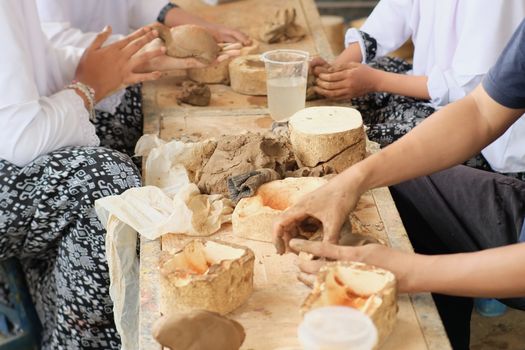
My first pottery workshop was in a small studio nestled in the hills outside Florence, Italy. The air was thick with the scent of damp earth, and the rhythmic whir of potter’s wheels was almost meditative. Our instructor, a kind woman named Sofia, had hands that seemed to dance with the clay. She started us with hand-building – pinching, coiling, and slab techniques – which felt like playing in mud, but with a purpose. I sculpted a wonky but undeniably mine coffee mug, complete with a thumbprint handle.
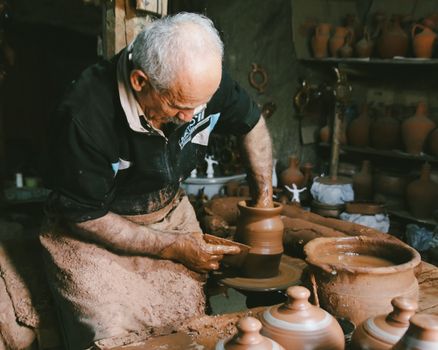
Then came the wheel. Oh, the wheel! It looks so effortless when experienced potters do it. My first attempt resulted in a collapsing blob, my second a lopsided bowl resembling a modern art piece. But then, with Sofia’s gentle guidance (and a lot of patience), I felt the clay respond, centering itself under my hands. It wasn't perfect, but for a glorious few minutes, I was shaping something, creating form from formlessness. The sheer joy of that moment, the focused calm, was utterly mind-blowing.
Why it's mind-blowing:
You’re literally shaping the earth with your bare hands, connecting to a craft that’s thousands of years old. The transformation from a lump of clay to a functional or decorative object is pure magic.
What you'll learn: Basics of hand-building (pinch pots, coil pots) or an introduction to the potter’s wheel. You'll understand the stages of clay (wedging, centering, shaping).
Where to find it: Artisan studios in almost any major city, craft villages (e.g., Acoma Pueblo in New Mexico, various villages in Vietnam, Japan, or Mexico), cultural centers, or even many Airbnb Experiences.
Cost: Typically ranges from $70-$150 USD for a 2-4 hour introductory session, often including materials and firing (though you might need to arrange shipping for your finished piece later).
Tripsora Tips:
* Wear old clothes: Clay dust gets everywhere, and you’ll likely get a little messy.
* Embrace imperfection: Your first piece won't be gallery-worthy, and that's the beauty of it. It tells a story.
* Ask about firing: Some workshops will fire your piece for you to pick up or ship later; others might be a "wet clay" experience.
* Instagram-worthy: Shots of hands covered in clay, the spinning wheel, or your proud (if slightly lopsided) creation.
2. The Scribe's Secret: Unlocking the Elegance of Calligraphy
In an age of endless digital fonts, the art of calligraphy is a profound reminder of the beauty and intention behind written words. Imagine a world where every letter was a deliberate stroke, a miniature work of art. Learning even the foundational strokes of an ancient script in a day is a meditative journey that connects you to centuries of meticulous craftsmanship.
I once spent an afternoon in Kyoto, Japan, at a traditional Machiya house, learning Shodo – Japanese calligraphy. The scent of ink, the rustle of the paper, the quiet concentration of the small group – it was a world away from the bustling city outside. Our sensei, a woman with incredible grace, guided us through holding the brush, understanding the balance of ink, and forming the basic characters. My first attempts were shaky, hesitant, almost childlike. But as I focused, breathing with each stroke, a calm descended. Each character became a small challenge, a dance between control and flow. By the end, I had a surprisingly respectable rendering of "Zen" (禅) that I proudly framed back home.
Similarly, I’ve seen workshops offering Arabic calligraphy in cities like Istanbul or Fez, where the flowing script is an art form in itself, or medieval Western script workshops in European historical towns. It's not just about writing; it's about understanding the culture and philosophy embedded in the strokes.
Why it's mind-blowing:
It's a journey into mindfulness and artistic precision. You’re not just writing; you're painting words, connecting to ancient scribes and scholars who preserved knowledge and beauty through their craft.
What you'll learn: Basic strokes, proper posture, ink preparation, and how to form a few simple characters or letters in a chosen script (e.g., Japanese, Arabic, Copperplate, or a medieval hand).
Where to find it: Cultural centers, art schools, temples (especially in Asia), museums, or specialized calligraphy studios in cities like Kyoto, Istanbul, or even London.
Cost: Generally $50-$120 USD for a 2-3 hour workshop, including materials like brushes, ink, and paper.
Tripsora Tips:
* Patience is key: Don't expect perfection immediately. Focus on the process and the meditative aspect.
* Ask about materials: Many workshops provide traditional tools, which are fascinating to use.
* Practice at home: Your newfound skill can be a beautiful way to personalize cards or gifts.
* Instagram-worthy: Close-ups of delicate brushstrokes, ink on paper, or your finished piece alongside traditional tools.
3. The Textile Alchemist: Unveiling the Magic of Natural Dyeing
Before synthetic dyes exploded onto the scene, the world of color came directly from nature. Plants, insects, and minerals were meticulously processed to create the vibrant hues that adorned clothing, tapestries, and artworks. Learning natural dyeing in a day isn't just a craft; it's a fascinating journey into eco-friendly artistry and historical chemistry.
My most vivid natural dyeing experience was in a small village outside Ubud, Bali. We started the day foraging for leaves, flowers, and barks with our instructor, Wayan, a woman whose smile was as bright as the fabrics she dyed. Back at her open-air studio, we learned about mordants (natural fixatives) and watched in awe as plain white cotton transformed into rich indigo from fermented leaves, sunny yellows from turmeric, and earthy browns from mangrove bark. I chose to try Shibori, a Japanese resist-dyeing technique involving folding, twisting, and tying fabric. Dipping my bundled cloth into the indigo vat, pulling it out, and watching the magic unfold as the air oxidized the dye from green to a deep, mesmerizing blue was pure wonder. Unfurling my creation to reveal unique patterns was like opening a present.
This isn't just about making a pretty scarf; it's about understanding the deep connection between humans and the natural world, and how ancient cultures extracted beauty from their environment.
Why it's mind-blowing:
Discovering the vibrant palette hidden within nature and transforming plain fabric into a work of art using sustainable, ancient methods. It’s a sensory feast of colors and textures.
What you'll learn: Introduction to natural dye sources, mordants, basic dyeing techniques (e.g., immersion dyeing, Shibori, tie-dye). You'll usually dye a scarf, tote bag, or small textile.
Where to find it: Eco-tourism centers, craft villages (especially in Southeast Asia, India, or South America), textile museums, or specialized artisan workshops in places like Bali, Oaxaca (Mexico), or Provence (France).
Cost: Typically $60-$180 USD for a 3-5 hour workshop, including all materials and the textile you'll dye.
Tripsora Tips:
* Wear clothes you don't mind staining: Natural dyes can be potent!
* Bring a white item: If allowed, bring a small white cotton item (like a t-shirt or handkerchief) to experiment with.
* Ask about local plants: Inquire about the specific plants and methods used in that region.
* Instagram-worthy: Vibrant fabrics drying in the sun, hands stained with indigo, or the "unfurling" reveal of a Shibori pattern.
4. The Baker's Secret: Crafting Traditional Breads & Pastries
Few things evoke comfort and home like the aroma of freshly baked bread. Baking is one of humanity’s oldest culinary arts, a fundamental skill passed down through generations. Learning to bake a traditional bread or pastry in a day is not just about following a recipe; it’s about understanding local ingredients, cultural heritage, and the primal satisfaction of creating sustenance with your own hands.
In Bologna, Italy, I joined a small cooking class focused entirely on pasta and bread. While pasta was fun, the bread-making truly captured my imagination. Our nonna-like instructor, Isabella, taught us to make tigelle, small, round flatbreads traditionally cooked on a griddle and served with cured meats and soft cheese. It wasn't just about mixing flour and water; it was about the feel of the dough, the rhythm of kneading, the patience of waiting for it to rise, and the joy of seeing it puff up on the hot surface. The warmth emanating from the oven, the intoxicating scent, and the simple act of breaking fresh bread with newfound friends felt like a truly ancient ritual.
Whether it's mastering sourdough in San Francisco, shaping tortillas in Mexico City, or learning to bake a fragrant spice bread in a Moroccan riad, these workshops connect you directly to the culinary heart of a culture. You’ll not only eat well but also gain a skill that transcends language barriers.
Why it's mind-blowing:
You're engaging with a universal human tradition, transforming simple ingredients into a delicious, comforting staple. There's a deep satisfaction in kneading dough and pulling a warm, fragrant loaf from the oven.
What you'll learn: How to mix, knead, proof, and bake a specific regional bread or pastry. You'll understand the role of different ingredients and techniques.
Where to find it: Culinary schools, local bakeries offering classes, homestays, food tours with a hands-on component, or Airbnb Experiences in almost any country known for its bread (e.g., France, Italy, Germany, Mexico, Turkey).
Cost: Typically $80-$200 USD for a 3-5 hour class, often including a meal of your creations and recipes to take home.
Tripsora Tips:
* Ask about local ingredients: Inquire about the specific flours, yeasts, or spices that make the local bread unique.
* Don't be afraid to get floury: It’s part of the fun!
* Share your bounty: Bring extra bread to share with your hosts or new friends.
* Instagram-worthy: Flour-dusted hands kneading dough, a beautifully risen loaf, or the moment you slice into your warm creation.
5. The Leather Artisan: Crafting Timeless Pieces from Hide
Leather crafting is a testament to human ingenuity and the desire for durable, functional, and beautiful objects. From ancient saddles and armor to modern bags and accessories, leather has been a staple material for millennia. Learning to work with it, even for a few hours, gives you a profound appreciation for the skill and patience involved.
My introduction to leather crafting was in a small, tucked-away workshop in the historic Oltrarno district of Florence, Italy – a city renowned for its leather. Our instructor, Marco, a third-generation leatherworker, showed us how to cut, stitch, stamp, and finish a simple leather cardholder. The smell of tanned leather filled the air, and the rhythmic thump-thump of his tools was a constant backdrop. I learned about different types of leather, the importance of sharp tools, and the satisfaction of a perfectly executed saddle stitch. There was a quiet pride in taking a flat piece of hide and transforming it into something useful and beautiful, knowing it would only get better with age.
It's an experience that makes you look at every leather item differently, appreciating the journey it took from raw material to finished product. You'll walk away with a sturdy, personal item that tells a story far beyond its price tag.
Why it's mind-blowing:
You’re engaging with a robust, enduring material, learning to transform it into a functional piece with tools that haven't changed much in centuries. The tactile experience and the durable outcome are incredibly satisfying.
What you'll learn: Basic cutting, punching, stitching (hand-stitching is common), edge finishing, and perhaps some simple stamping or carving techniques. You'll typically make a small item like a wallet, key fob, bracelet, or cardholder.
Where to find it: Artisan workshops (especially in cities famous for leather like Florence, Marrakech, or even Portland, Oregon), craft schools, or specialized studios.
Cost: Generally $90-$200 USD for a 3-5 hour workshop, including high-quality leather and use of tools.
Tripsora Tips:
* Listen carefully: Precision is key in leatherwork, so pay attention to the instructor's demonstrations.
* Ask about the leather: Learn about the different types of leather and their origins.
* Care for your creation: Ask for tips on how to maintain your finished leather piece so it lasts a lifetime.
* Instagram-worthy: Close-ups of tools, intricate stitching, or your hands working on the leather, with the finished product proudly displayed.
6. The Alchemist of Aromas: Blending Ancient Perfumes & Elixirs
Before mass-produced fragrances, perfumes were artisanal creations, carefully blended from natural botanicals, resins, and essential oils. This ancient art, once practiced by apothecaries and royalty, is a sensory journey that connects you to history through scent. Learning to blend your own perfume in a day is an incredibly personal and unique experience.
My most enchanting workshop was in Provence, France, near the perfume capital of Grasse. In a small, sun-drenched studio, our perfumer, Cécile, introduced us to the "organ" – a tiered display of hundreds of small bottles, each containing a different essential oil. We learned about top notes (the first impression), middle notes (the heart of the fragrance), and base notes (the lingering foundation). It was like learning a new language, but with our noses. I spent hours sniffing, experimenting, and carefully dropping oils onto blotting strips, trying to compose a scent that captured the essence of my travels – a hint of citrus from the Mediterranean, a touch of lavender from the fields, and a grounding note of cedarwood.
The process was deeply intuitive and surprisingly challenging, a delicate balance of art and science. Walking away with a small bottle of my own custom-blended perfume, a scent that literally no one else in the world possesses, was utterly exhilarating. Every time I wear it, it transports me back to that sunny studio in Provence.
Why it's mind-blowing:
You're tapping into a primal sense, creating a deeply personal and evocative souvenir. It’s a sophisticated blend of art, science, and intuition that dates back to ancient Egypt.
What you'll learn: Introduction to fragrance families, top/middle/base notes, the basics of essential oil blending, and how to create a balanced, personalized perfume (usually an oil-based roll-on or small spray).
Where to find it: Boutique perfumeries, wellness centers, specialized workshops in perfume-centric regions like Grasse (France), Florence (Italy), or even in cities with strong aromatherapy communities.
Cost: Typically $100-$250 USD for a 2-4 hour workshop, including a wide selection of essential oils and a bottle of your custom fragrance.
Tripsora Tips:
* Trust your nose: Don't overthink it; let your instincts guide your choices.
* Keep notes: Write down the oils and ratios you use, so you can recreate or refine your formula.
* Take breaks: Your nose can get fatigued; step away for a moment to clear your senses.
* Instagram-worthy: Rows of beautiful essential oil bottles, elegant blending tools, or your custom-designed perfume bottle.
The Ultimate Souvenir: A Skill and a Story
These aren't just workshops; they're portals to the past, opportunities to slow down, engage your senses, and truly connect with the culture you’re visiting. In a world increasingly dominated by screens, the simple act of creating something tangible with your own hands is profoundly satisfying and, dare I say, revolutionary.
Imagine returning home with a hand-thrown ceramic bowl, a beautifully calligraphed poem, a naturally dyed scarf, a freshly baked bread recipe, a custom leather wallet, or a unique perfume blend – each a testament to your adventure and a skill you can carry forward. These aren't just souvenirs; they're stories, memories, and proof that you didn't just see the world, you experienced it, one ancient craft at a time.
Which ancient trade will you master on your next trip? Share your artisan dreams in the comments below!
---