The dust motes danced in the afternoon sun, illuminating my hands as they fumbled with the clay. My instructor, a woman whose hands seemed to know the earth’s secrets, smiled patiently. Around me, the scent of damp soil mingled with the faint aroma of woodsmoke. I was in a small village outside Oaxaca, Mexico, learning to throw pottery, and in that moment, something shifted within me. It wasn't just about making a pot; it was about connection, patience, and a quiet understanding that had been missing from my fast-paced life. This wasn’t just a workshop; it was the start of a series of life-changing encounters with ancient crafts that would redefine my travel philosophy forever.
Before these experiences, my travels were often a blur of sightseeing checklists and Instagram-worthy selfies. Don’t get me wrong, I loved it, but there was a growing emptiness, a craving for something deeper, more meaningful. I wanted to understand cultures not just by observing them, but by immersing myself in their very essence. That’s when I stumbled upon the world of artisan workshops – places where ancient crafts, passed down through generations, are still vibrant, still alive. And let me tell you, stepping into these workshops, learning directly from the masters, became the most profound, enriching, and yes, life-changing way I’ve ever traveled.
Why Ancient Crafts? More Than Just a Souvenir
We live in a world of mass production, where the story behind an object is often lost. But when you create something with your own hands, guided by an artisan whose family has practiced the craft for centuries, that object becomes a vessel of memory, a tangible piece of a culture, and a testament to your own journey. It’s a souvenir that carries a piece of your soul.
Learning an ancient craft is a profound act of cultural immersion. It forces you to slow down, to engage your senses, and to appreciate the intricate details and immense patience required. It's a digital detox, a mindfulness practice, and a history lesson all rolled into one. You learn about the materials, their origins, their significance. You learn the rhythm of the craft, the subtle techniques, and the philosophy behind each stroke or stitch. For me, it became a powerful antidote to modern life's constant rush, offering a sense of grounding and purpose I hadn't realized I was missing. It's not just about the final product; it's about the process, the connection, and the stories shared.
My First Dip: The Soulful Art of Pottery in Oaxaca, Mexico
My first true dive into this world was in San Bartolo Coyotepec, a village renowned for its barro negro (black pottery) in Oaxaca, Mexico. I’d always admired the sleek, obsidian-like finish of Oaxacan black pottery, but I never truly appreciated the artistry until I sat down at the wheel myself.
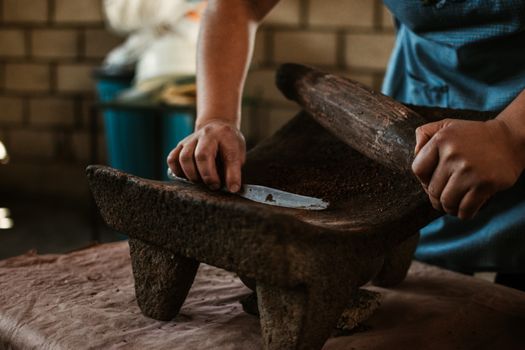
I found my workshop through a local guesthouse owner who connected me with Doña Rosa, a third-generation potter. Her small, sun-drenched studio was filled with the earthy scent of clay and the quiet hum of concentration. For three intense days, I was her apprentice. My initial attempts were comical – lopsided blobs that collapsed under their own weight. Doña Rosa, with her weathered hands and knowing eyes, gently guided me, showing me how to center the clay, how to apply steady pressure, how to coax the form from the raw material.
The cost was incredibly reasonable, around 1500 MXN (approx. $75 USD) for a three-day intensive, including materials and a simple lunch shared with her family. What I gained was immeasurable. I learned not just to shape clay, but to embrace imperfection, to find beauty in the subtle variations, and to understand the deep connection between the earth and human creativity. The final step, the traditional low-temperature firing that turns the clay black without glaze, was pure magic. Holding my own hand-formed, burnished black pot, imperfect yet uniquely mine, was an experience I'll never forget. It wasn't just a craft; it was a meditation, a lesson in humility, and a profound connection to the ancient Zapotec traditions.
Practical Tip for Oaxaca: To find authentic workshops, ask locals, especially guesthouse owners or guides. Many artisans in villages like San Bartolo Coyotepec or San Marcos Tlapazola (known for red clay pottery) offer informal classes. Look for small, family-run studios rather than large tourist operations. Be prepared for basic facilities and bring an open mind!
Weaving Threads of History: Natural Dyeing & Textiles in Rajasthan, India
From the earthy tones of Oaxaca, my journey took me to the vibrant hues of Rajasthan, India. Here, the ancient art of block printing and natural dyeing is not just a craft; it's a way of life, a riot of color and intricate patterns. I spent a week in Bagru, a small town near Jaipur, famous for its traditional Dabu mud-resist printing and natural dyes.
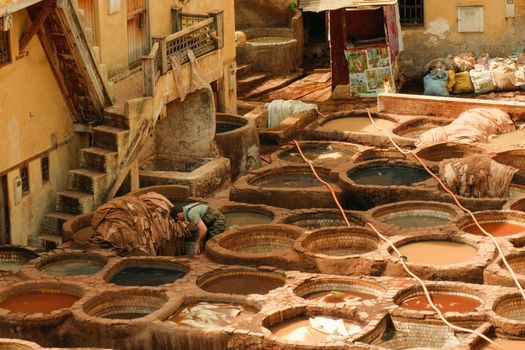
I enrolled in a workshop run by a local co-operative, a collective of families dedicated to preserving these ancient techniques. My days began early, learning about the sourcing of indigo from plants, madder root for reds, and turmeric for yellows. The process was mesmerizing: mixing the dyes, preparing the fabric, and then the delicate dance of block printing. Each wooden block, hand-carved with intricate designs, became an extension of my hand. The mud-resist technique, where a paste of clay and gum is applied to block out areas before dyeing, was a revelation in its simplicity and effectiveness.
The workshop, which included accommodation and meals with a local family, cost about 18,000 INR (approx. $220 USD) for five days. Beyond the technical skills, I learned about the symbolism embedded in each pattern, the stories woven into the fabric. I saw firsthand the dedication of these artisans, often women, whose nimble fingers brought life to plain cotton. The shared chai breaks, the laughter, and the sense of community around the dye vats were as enriching as the craft itself. I walked away not just with a beautifully block-printed scarf I had made, but with a deeper appreciation for the artistry, the sustainable practices, and the rich cultural heritage of India. It was a kaleidoscope of color and connection that forever changed how I saw textiles.
Practical Tip for Rajasthan: Look for ethical co-operatives or family-run workshops. Many organizations in Jaipur or Bagru offer immersive experiences. Ensure the dyes used are natural and the practices are sustainable. Booking in advance, especially during peak season, is highly recommended. Don't be afraid to get your hands dirty – natural dyes can be messy, but that's part of the fun!
Mastering the Blade: Traditional Japanese Woodblock Printing (Mokuhanga) in Kyoto, Japan
Japan, a country where reverence for tradition and craftsmanship runs deep, was another natural stop on my artisan journey. In Kyoto, amidst ancient temples and serene gardens, I delved into mokuhanga, the traditional Japanese art of woodblock printing. It’s an incredibly precise and meditative craft, far removed from the digital world.
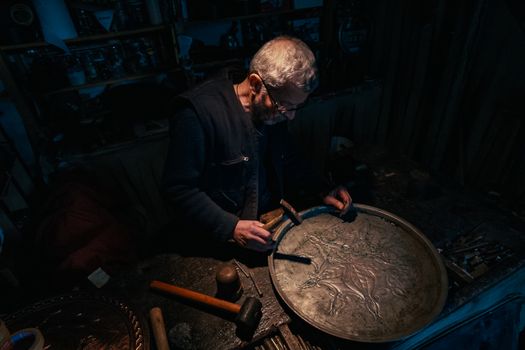
I found a small, intimate studio near Higashiyama, run by a soft-spoken master who had dedicated his life to preserving mokuhanga. The workshop was a quiet sanctuary, filled with the scent of wood and ink. For two days, I learned the intricate steps: transferring a design to a wooden block (traditionally cherry wood), carving the lines with specialized chisels and knives, and then the delicate process of applying watercolors and printing by hand using a baren (a disc-shaped tool).
The cost for the two-day workshop was around 25,000 JPY (approx. $170 USD), including all materials. It was challenging. The precision required for carving, the patience for layering colors, and the gentle pressure needed for printing demanded a level of focus I rarely experienced. My first print was far from perfect – a little smudged, a line slightly off. But with each subsequent attempt, I felt a deeper connection to the material, to the tools, and to the centuries of artists who had perfected this craft. The master’s quiet encouragement and demonstrations were profound lessons in discipline and respect for the process. I didn't just create a print; I created a piece of art imbued with the Japanese aesthetic of wabi-sabi – finding beauty in imperfection and impermanence. It was a profound lesson in patience and the beauty of focused dedication.
Practical Tip for Kyoto: Many cultural centers and specialized studios offer mokuhanga, calligraphy (shodo), or even kintsugi (the art of repairing broken pottery with gold) workshops. Check websites like Arigato Japan or local tourism boards. Book well in advance, as small group classes fill up quickly. Be respectful of the quiet atmosphere and meticulous approach typical of Japanese craftsmanship.
From Earth to Art: Mosaic Making in Ravenna, Italy
My final transformative artisan experience, so far, took me to Ravenna, Italy, a city famous for its breathtaking Byzantine mosaics. Here, the art of piecing together tiny fragments of stone and glass to create enduring masterpieces felt like a journey back in time.
I enrolled in a week-long mosaic workshop at a renowned studio that focuses on traditional techniques, using tesserae (small cubes) of marble, smalti (enameled glass), and gold leaf. My instructor, a passionate mosaicist with decades of experience, guided us through the history of Ravenna’s mosaics before teaching us the practical skills.
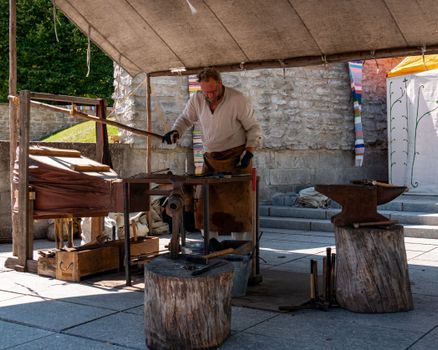
The workshop cost around 600 EUR (approx. $650 USD) for five full days, including all materials. We learned how to use a hammer and hardie (a specialized chisel and anvil) to cut tesserae to precise sizes, how to lay them in mortar, and how to create the subtle shifts in color and texture that bring a mosaic to life. It was painstaking work. My fingers were sore, and my mind was buzzing with geometric patterns and color theory. But as the pieces slowly came together, forming a small, shimmering panel, I felt an immense sense of accomplishment. Each tessera was deliberately placed, contributing to a larger, more beautiful whole. It was a powerful metaphor for life itself. The patience, the precision, and the sheer beauty of creating something that could last for centuries was truly inspiring. I left Ravenna with my own small mosaic, a tangible reminder of the city's ancient artistry and my own newfound patience.
Practical Tip for Ravenna: Several studios offer workshops ranging from a few hours to a full week. Look for those that emphasize traditional methods and materials. Booking directly with the studio is often the best way to secure a spot and get details on what’s included. Wear comfortable clothes and be prepared for intricate, focused work.
Your Journey Begins: Practical Tips for Finding Your Life-Changing Workshop
These artisan workshops didn't just teach me crafts; they taught me patience, mindfulness, cultural appreciation, and the profound joy of creating. They changed how I see the world, how I travel, and even how I live. If you’re yearning for a deeper, more authentic travel experience, here’s how you can find your own life-changing workshop:
- Research, Research, Research:
- Local Tourism Boards: Often have lists of local artisans and workshops.
- Specialized Tour Operators: Companies like Context Travel or bespoke cultural tours often curate incredible artisan experiences.
- Online Platforms: Airbnb Experiences, Viator, and GetYourGuide sometimes list workshops, but always check reviews for authenticity.
- Blogs & Forums: Travel bloggers often share their personal experiences and recommendations.
- Ask Locals: Once you arrive, ask your guesthouse owner, restaurant staff, or local guides. They often know the best hidden gems.
- What to Look For:
- Authenticity: Prioritize workshops run by master artisans, ideally those whose families have practiced the craft for generations.
- Small Group Sizes: This ensures personalized attention and a more intimate experience.
- Clear Pricing & Inclusions: Understand what's covered (materials, tools, meals, accommodation).
- Reviews & Recommendations: Check online reviews and seek personal recommendations.
- Ethical Practices: Ensure the workshop supports the local community and uses sustainable methods where applicable.
- Preparation is Key:
- Book in Advance: Especially for popular or small-group workshops.
- Open Mind & Patience: Learning a new skill takes time and effort. Embrace imperfections and enjoy the process.
- Comfortable Attire: You’ll likely get messy! Wear old clothes and comfortable shoes.
- Basic Language Phrases: Learning a few local phrases will enhance your connection with the artisan.
- Budget for Materials/Fees: While some workshops include everything, others might have additional costs for specialized materials or tools.
- Capture the Moment (Respectfully): Ask permission before taking photos or videos, especially of the artisan. These are often intimate learning environments.
Don't Just Travel, Create.
My journey through artisan workshops has been a pilgrimage of the hands and the heart. It taught me that the most valuable souvenirs aren't bought; they're made. They are the skills you acquire, the stories you hear, and the connections you forge with people who dedicate their lives to preserving beauty and tradition.
These experiences didn't just add skills to my repertoire; they added depth to my understanding of the world and ignited a creative spark within me that continues to burn brightly. They truly changed my life forever, transforming a traveler into a creator, and a tourist into a participant.
So, the next time you plan a trip, consider stepping off the beaten path and into an artisan's studio. Find a craft that calls to you, connect with a master, and let the ancient rhythms guide your hands. You might just discover that the most beautiful thing you bring home isn't a souvenir, but a transformed self. Share your own artisan workshop dreams with me in the comments below! What craft would you love to learn?