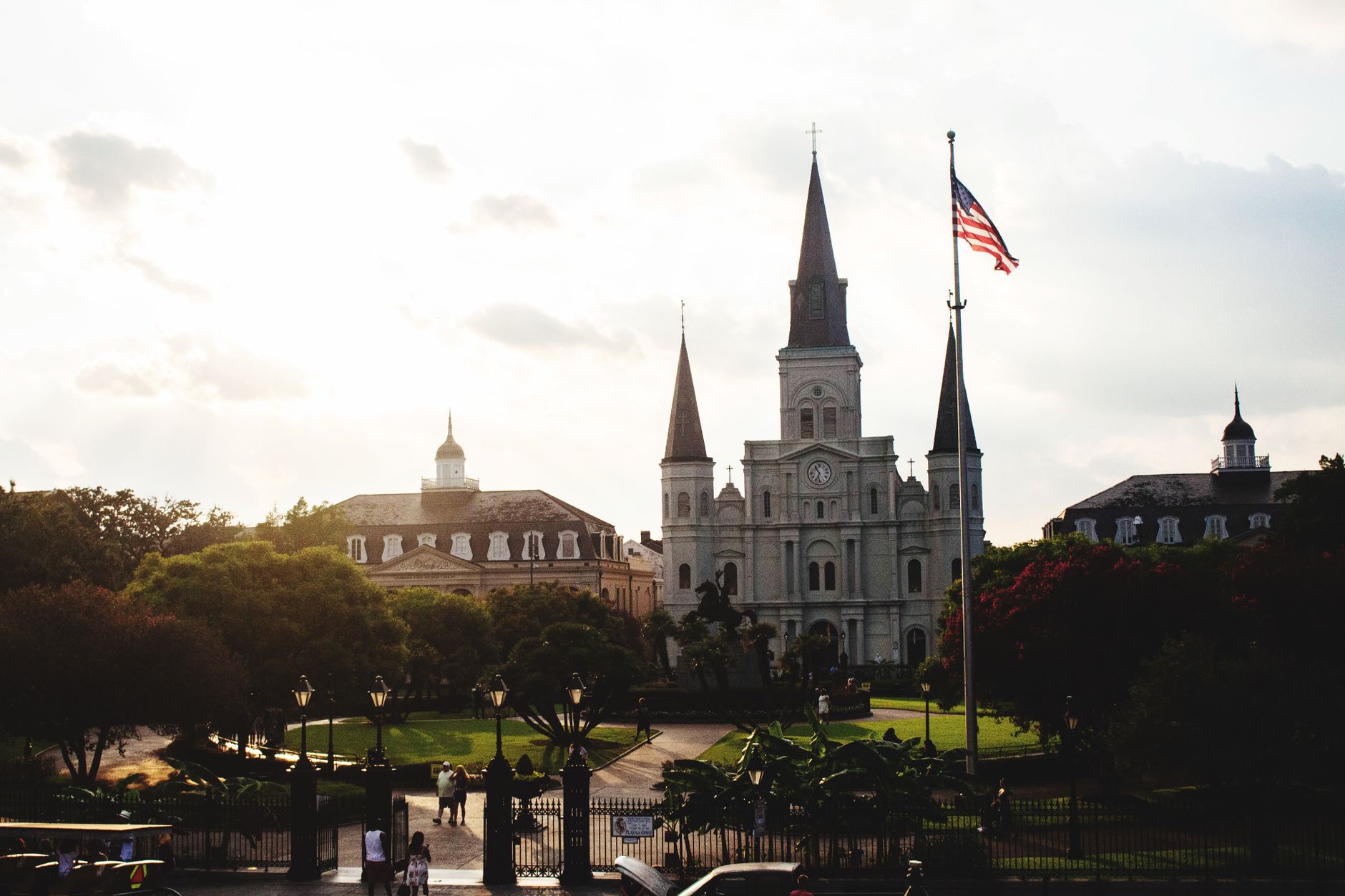
If you are wondering whether is New Orleans worth visiting, the short answer is yes, provided you arrive with clear expectations about what the city actually is. New Orleans is not a sanitised amusement park; it is a centuries-old river port steeped in French, Spanish, African, and Caribbean heritage. For those drawn to spontaneous brass bands, world-renowned Creole and Cajun cooking, and historic neighbourhoods shaded by centuries-old oak trees, it is one of the most memorable destinations in North America. Yet it can also be humid, loud, gritty, and expensive during peak festival weeks.
| Factor | Key Detail |
|---|---|
| Ideal Trip Duration | 3 to 5 days |
| Daily Budget (Mid-Range) | Approx. £110–£180 per person (check exchange rates and local prices before travel) |
| Primary Airport | Louis Armstrong New Orleans International (MSY) |
| Public Transit | Historic streetcars (St. Charles, Canal Street, Rampart) and regional buses |
| Best Overall Season | February through May (mild weather, high festival activity) |
Is New Orleans worth visiting for your travel style?
Every city divides opinion, but New Orleans divides travellers more sharply than most. Understanding how your travel preferences match the reality on the ground will help you decide if it belongs on your itinerary.
Who will love New Orleans
Culinary enthusiasts will find few places on earth that treat food with the same reverence. From casual po'boy counters to historic white-tablecloth institutions founded in the nineteenth century, dining here is an all-day event. If your idea of travel bliss involves gumbo simmered for hours, fresh gulf oysters, and crawfish étouffée, the city will reward you immediately.
Music lovers will be equally captivated. You do not have to buy expensive stadium tickets to hear extraordinary talent; you can step into an intimate venue on Frenchmen Street or catch a brass collective playing at an intersection in the Marigny. History and architecture enthusiasts will appreciate the Spanish-era ironwork balconies of the French Quarter and the antebellum mansions of the Garden District, both easily accessible by walking or public transit.
Who might want to reconsider
Travelers who prioritise sterile streets, tranquil evenings, and effortless navigation may find New Orleans jarring. The historic core, particularly around the Bourbon Street corridor, carries the constant aroma of alcohol, stale beer, and exhaust, accompanied by loud crowds late into the night. While it is easy to step away from Bourbon Street into calmer corners, the city as a whole retains an undeniable urban friction.
Budget backpackers looking for ultra-cheap city breaks may also struggle. Hotel rates in central districts have risen steadily, and food costs add up quickly once you factor in taxes and customary restaurant gratuities of 18% to 20%. Lastly, if you are deeply sensitive to high heat and intense humidity, traveling during the long summer months can feel physically exhausting.
The best things to do in the city
New Orleans rewards visitors who look beyond the most obvious tourist strips and immerse themselves in the distinct rhythms of individual neighbourhoods.
Wander beyond Bourbon Street to Frenchmen Street
While Bourbon Street delivers novelty drinks and fraternity-style party bars, Frenchmen Street in the Faubourg Marigny neighbourhood is where live music takes centre stage. Venues like the Spotted Cat Music Club, Snug Harbor Jazz Bistro, and d.b.a. offer sets spanning traditional New Orleans jazz, blues, funk, and brass. Most clubs charge modest cover fees (approx. £8–£16), allowing you to hear multiple ensembles in a single evening.
Pro tip: Arrive on Frenchmen Street around 18:00 or 19:00 to catch early evening sets before the late crowds gather, and bring physical US dollar notes for club covers and tipping the musicians.
Ride the historic St. Charles Avenue streetcar
Running continuously since 1835, the St. Charles streetcar line offers one of the best public transit sightseeing experiences in the world for a fare of just approx. £1.00 per ride. The mahogany-trimmed green streetcars rumble from the edge of the French Quarter past the central business district into the shaded avenues of Uptown. Along the route, you will pass towering live oaks, grand Greek Revival homes, and Audubon Park.
Explore historic Tremé and Congo Square
Located just north of the French Quarter, Tremé is widely regarded as one of the oldest African American neighbourhoods in the United States. Congo Square, situated within Louis Armstrong Park, is the historic open space where enslaved Africans and free people of colour gathered on Sundays in the eighteenth and nineteenth centuries to trade, dance, and play instruments—rhythmic gatherings that laid the groundwork for modern jazz, blues, and R&B. Visiting Tremé provides essential context for the musical and cultural richness you hear throughout the city today.
Savour iconic local cuisine
Do not leave without sampling the regional culinary staples across both upscale dining rooms and neighbourhood corner spots. Grab a roast beef po'boy with debris gravy at an informal neighbourhood counter, order warm, powdered-sugar-dusted beignets and chicory coffee at Café du Monde in the French Market, and sample slow-cooked seafood gumbo seasoned with local file powder. Fine dining institutions like Commander's Palace in the Garden District or Galatoire's on Bourbon Street preserve century-old Creole rituals that are worth experiencing at least once.
What disappoints people about New Orleans
Knowing common pain points in advance prevents unexpected disappointment on your holiday.
The foremost complaint comes from visitors who expect the entire French Quarter to look like an upscale European village. Instead, Bourbon Street can feel intensely commercialised, with strip clubs, souvenir shops, and loud commercial bars dominating several blocks. The smell of trash and party refuse can be prominent on hot mornings before city cleaning crews finish their rounds.
Safety is another regular concern. Like many mid-sized American port cities, New Orleans has areas with elevated crime rates. While millions of visitors travel safely through popular tourist corridors each year, opportunistic street crime, pickpocketing, and vehicle break-ins do happen. Staying alert, avoiding unlit side streets after midnight, and using licensed rideshares rather than walking through unfamiliar areas late at night are necessary precautions.
Finally, summer weather (from June to September) frequently shocks overseas travellers. Afternoon thunderstorms are daily occurrences, and temperatures regularly hover around 33°C with humidity levels that make outdoor walking uncomfortable by late morning. Hurricane season runs from June through November, requiring flexibility with travel insurance and potential flight rebookings.
Pro tip: Purchase comprehensive travel insurance that includes hurricane disruption coverage if you plan your visit between August and October, when tropical weather activity peaks in the Gulf of Mexico.
How many days to spend in New Orleans
For most first-time travellers, four days is the sweet spot. This allows you to explore the major historic quarters without feeling rushed, while leaving time for lingering meals and late-night music.
- Day 1: The French Quarter (Jackson Square, St. Louis Cathedral, French Market, and royal antique shops) followed by dinner and jazz on Frenchmen Street.
- Day 2: The Garden District walking tour, Magazine Street boutiques, and an evening streetcar ride Uptown.
- Day 3: Tremé, Congo Square, and cultural sites such as the National WWII Museum in the Warehouse District or the New Orleans Museum of Art (NOMA) in City Park.
- Day 4: A regional day trip, such as an eco-swamp tour in the surrounding bayous or a kayak excursion through the Manchac swamp, concluding with a classic Creole dinner.
The best time to visit
Weather and festival schedules should dictate when you schedule your holiday.
February to May: This is the premier travel window. Days are generally warm and pleasant (18°C to 26°C), and outdoor dining is at its best. It encompasses Mardi Gras (which varies between February and early March) and the world-famous New Orleans Jazz & Heritage Festival (late April to early May). Accommodation prices surge during these marquee events, so book months ahead.
October to November: Autumn brings relief from the intense summer heat, lower rainfall, and fewer crowds. Temperatures average 21°C to 26°C, making it ideal for walking tours and alfresco dining without the peak-season surcharges of spring.
June to September: Expect intense heat, heavy humidity, and afternoon downpours. The upside is significantly cheaper hotel rates and fewer tourists at major sights, making it viable for budget-conscious travellers who plan their sightseeing around early mornings and air-conditioned museums.
Cheaper or quieter alternatives to consider
If you love the idea of historic southern architecture and regional hospitality but want a calmer, cleaner, or less crowded environment, consider these alternatives:
- Savannah, Georgia: Known for its manicured town squares, Spanish moss-draped live oaks, and preserved nineteenth-century homes. Savannah offers pedestrian-friendly historic exploration with much quieter nights than New Orleans.
- Charleston, South Carolina: Renowned for pristine preservation, exceptional Lowcountry dining, and nearby barrier island beaches. It has a significantly higher average accommodation price point than New Orleans, but provides a tidy, upscale urban experience.
- Lafayette, Louisiana: Located roughly two hours west of New Orleans in the heart of Acadiana. Lafayette offers authentic Cajun music halls, crawfish boils, and Zydeco dancing with a fraction of the commercial tourism found in the Crescent City.
Common mistakes to avoid
- Spending all your time on Bourbon Street: This single strip represents only a sliver of the city's identity. Explore Frenchmen Street, Bywater, Tremé, and the Garden District for a balanced picture.
- Relying solely on rental cars: Parking in the French Quarter and central business district is scarce and expensive (often approx. £35–£50 per day at hotels). Use the historic streetcars, walking, and app-based rideshares instead.
- Ignoring hydration in summer: The Gulf Coast humidity causes rapid dehydration. Drink plenty of water alongside any alcoholic beverages you consume.
- Skipping advance dining reservations: Top-tier restaurants often book out two to four weeks in advance, especially around festival weekends.
- Walking through deserted streets at 03:00: Stick to populated, well-lit main thoroughfares when heading back to your accommodation late at night.
Plan your trip
Ready to experience the music, history, and distinct flavours of Louisiana for yourself? You can generate a tailored, day-by-day itinerary mapped to your preferred pace and budget directly on Tripsora.
Frequently asked questions
Is New Orleans safe for tourists right now?
Popular tourist neighbourhoods such as the French Quarter, the Garden District, and the Warehouse District are generally safe if you take sensible urban precautions. Keep your belongings secure, avoid isolated, unlit streets late at night, and rely on licensed rideshares rather than walking long distances after dark.
How much money do I need per day in New Orleans?
A realistic mid-range daily budget is approx. £110 to £180 per person, covering accommodation share, three meals, transit, and music venue entry. Luxury travellers should budget approx. £280 or more per day, while frugal travellers staying in hostels and dining casually can manage on approx. £65 to £85.
Can you visit New Orleans without renting a car?
Yes, you can easily visit without a car, as the airport is served by taxis and shuttles, while central districts are walkable. The historic streetcar network and rideshare services provide affordable, hassle-free transportation to major sights like the Garden District and City Park.
Is Bourbon Street suitable for families with children?
Bourbon Street is generally not suitable for children, particularly in the late afternoon and night, due to overt adult entertainment, strong alcohol culture, and rowdy crowds. Families will find much more enjoyable experiences in the Garden District, City Park, and along the Mississippi River riverfront.
What is the best month to visit New Orleans?
April and October are widely considered the best months to visit New Orleans for comfortable temperatures and manageable rainfall. April offers lively festival energy with warm spring weather, while October brings crisp autumn air, fewer crowds, and lower hotel prices.


