Zero-Waste Travel Hacks: Pack Like a Pro Before Everyone Else Does!
The year was 2017, and I was sitting on a stunning beach in Thailand, watching the sunset paint the sky in fiery hues. It should have been a perfect moment. But my eyes kept drifting to the tide line, where an ugly assortment of plastic bottles, food wrappers, and forgotten flip-flops marred the pristine sand. It hit me then, like a rogue wave: my own travel habits, however small, were contributing to this. Every plastic water bottle bought, every single-use coffee cup, every mini-shampoo from a hotel – it all added up. That trip was my wake-up call, the moment I decided to embark on a quest for truly responsible travel.
Fast forward to today, and "zero-waste" is becoming a buzzword, but I'm here to tell you, the real game-changers are still largely under the radar. These aren't just trendy gadgets; they're thoughtfully designed, durable essentials that will not only slash your waste but also streamline your packing, save you money, and elevate your entire travel experience. Forget waiting for these to hit the mainstream; I've been road-testing them for years, from the bustling markets of Marrakech to the serene trails of Patagonia, and I’m ready to share my insider secrets. Get ready to pack smarter, travel lighter, and leave nothing but footprints (and maybe a few Instagram-worthy memories).
---
1. The Foundation: Reusable & Multi-Purpose Marvels
Let's start with the absolute non-negotiables, the items that form the backbone of any zero-waste packing strategy. These aren't just about saving the planet; they're about convenience and cost-efficiency.
The Unbreakable Water Bottle & Collapsible Coffee Cup:
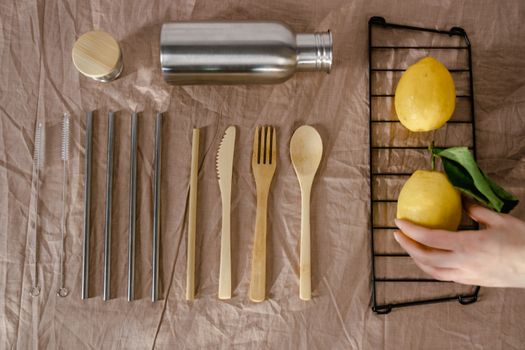
This duo is your first line of defense against single-use plastics. My go-to is a sturdy insulated stainless steel water bottle, like a Hydro Flask or a Klean Kanteen (around $30-45 USD). It keeps water icy cold in the desert heat and coffee piping hot on chilly mountain mornings. I remember being in Iceland, where bottled water costs a fortune, and feeling smug refilling my bottle from every waterfall and tap. The money saved alone makes it worth it! Pair this with a collapsible silicone coffee cup (like a Stojo, around $20), which folds down to practically nothing. It's perfect for those train station coffee runs or grabbing a smoothie on the go without contributing to landfill. Many cafes even offer discounts for bringing your own cup!
The Mighty Spork & Travel Cutlery Set:
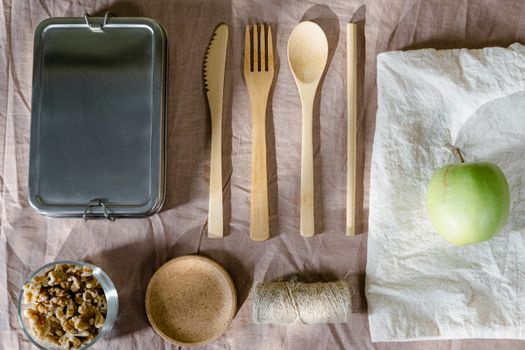
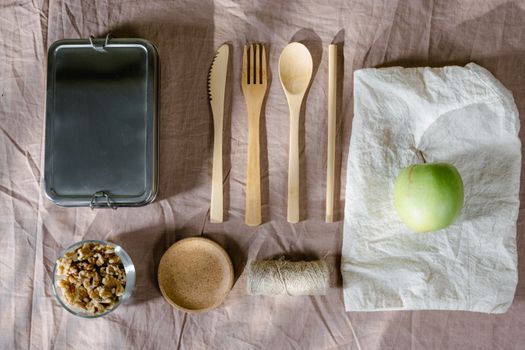
How many times have you been handed flimsy plastic cutlery for a takeaway meal? Too many. A compact, reusable spork or a full travel cutlery set (bamboo, stainless steel, or even titanium – I love my titanium set for its lightness, around $15-25) is a literal lifesaver. From street food feasts in Vietnam to impromptu picnics in Parisian parks, having my own set means I never have to accept single-use plastic. I even carry a small, washable cloth napkin to complete my personal "dining kit."
The Versatile Tote & Produce Bags:
Forget those tiny plastic bags at the market. A sturdy, foldable tote bag (my favorite is a simple canvas one, around $10-15, that doubles as a beach bag or an extra carry-on for souvenirs) and a set of lightweight mesh produce bags (around $10 for a set of 5-7) are indispensable. I vividly recall navigating the vibrant spice markets of Istanbul, filling my mesh bags with dried fruits and local nuts, feeling like a true local and avoiding a mountain of plastic. They’re also fantastic for separating laundry or packing dirty shoes.
---
2. Personal Care: Plastic-Free & Perfectly Packable
The bathroom is often a major source of travel waste, but it doesn't have to be. These plastic-free personal care items are not only eco-friendly but also incredibly practical, especially for carry-on only adventures.
Solid Shampoo & Conditioner Bars:
This is perhaps the biggest game-changer for me. No more worrying about liquid limits, leaky bottles, or bulky containers! Brands like Ethique or Lush offer fantastic shampoo and conditioner bars (starting around $15-20 USD per bar, lasting 60-80 washes) that are concentrated, travel-friendly, and surprisingly effective. My first time trying them was on a two-week backpacking trip through Central America. Not only did they free up space in my liquids bag, but they also lasted the entire trip, leaving my hair feeling great even after jungle humidity and ocean swims. Pro tip: Store them in a reusable tin or a breathable soap bag to keep them dry and extend their life.
Multi-Purpose Soap Bars:
A good quality, unscented (or lightly scented) soap bar can do wonders. It can be your body wash, hand soap, and even a gentle laundry bar for quick sink washes. Dr. Bronner's pure-castile bar soap (around $5) is a classic for a reason – it’s incredibly versatile. This significantly reduces the number of bottles you need to carry. I once ran out of laundry detergent in a remote guesthouse in the Dolomites, and my trusty soap bar saved the day, allowing me to wash my hiking socks and undies.
Bamboo Toothbrush & Toothpaste Tablets:
A small switch with a big impact. Bamboo toothbrushes (around $5-8) are biodegradable and just as effective as plastic ones. Pair this with toothpaste tablets (brands like Georganics or Unpaste, around $10-15 for a month's supply). These little chewable tabs foam up with water, eliminating the need for a plastic tube. They're mess-free, TSA-friendly, and take up minimal space. On a recent trip to Japan, the convenience of not having to deal with a half-squeezed tube in my toiletry bag was surprisingly delightful.
Reusable Cotton Rounds & Menstrual Cup:
For makeup removal or toner application, reusable cotton rounds (around $10-15 for a set with a wash bag) are a fantastic alternative to disposable ones. They wash easily and last for years. And for women, a menstrual cup (like DivaCup or Lena Cup, around $25-40) is an absolute revelation. It’s a one-time purchase that replaces countless tampons and pads, saves space, and is incredibly comfortable for active travel. It was a true liberation on my cycling tour through Provence, removing all stress about sourcing products or finding disposal bins.
---
3. Wardrobe Wisdom: Less is More, Sustainably
Packing less isn't just about zero-waste; it's about freedom. Every item in your bag should earn its place, and these sustainable choices do just that.
Merino Wool: The Traveler's Secret Weapon:
If there's one fabric I swear by, it's merino wool. Yes, it's an investment (a good merino t-shirt can be $60-90 USD), but it's worth every penny. It's naturally odor-resistant, temperature-regulating (cools in heat, warms in cold), quick-drying, and incredibly soft. This means you can pack fewer items and wear them multiple times without them smelling. On a month-long backpacking trip through South America, I packed just two merino t-shirts and a long-sleeve base layer. I could wear them for days of hiking, air them out overnight, and they'd be fresh enough for the next adventure. Less laundry, less packing, more exploring. Brands like Icebreaker or Smartwool are excellent.
Quick-Dry & Versatile Fabrics:
Beyond merino, look for other quick-dry, wrinkle-resistant fabrics for your main wardrobe. Think linen, Tencel, or specific travel-friendly blends. Choose neutral colors and versatile pieces that can be mixed and matched, dressed up or down. A simple black dress or a pair of dark travel trousers can take you from a casual daytime exploration to a nice dinner with just a change of accessories. The goal is to maximize outfits from minimal items.
Laundry Soap Sheets/Bar:
For those quick sink washes, carrying a small pack of biodegradable laundry soap sheets (around $10 for 50 sheets) or a solid laundry bar (like a classic Fels-Naptha or a specialized travel bar, around $5-10) is a brilliant move. They take up virtually no space, are mess-free, and ensure you can refresh your clothes anywhere, anytime, reducing the need for hotel laundry services or excessive packing. I found these invaluable when navigating hostels in Portugal, allowing me to always have fresh clothes without relying on coin laundromats.
---
4. Kitchenette on the Go: Snack Smart, Waste Less
Hunger strikes in the most unexpected places, and often leads to impulse buys wrapped in plastic. Be prepared with your own zero-waste snack kit.
Reusable Snack Bags & Collapsible Containers:
Ziploc bags are out; reusable silicone snack bags (like Stasher bags, around $10-15 each) or fabric snack bags are in. They're perfect for carrying nuts, fruit, sandwiches, or even packing leftovers from a restaurant. A small, collapsible silicone container (around $15-25) is also incredibly handy for bringing food from a buffet breakfast for lunch, or taking home that delicious pastry from a local bakery. I once bought a huge, juicy mango from a market in Mexico and easily carried it back to my Airbnb in a Stasher bag, avoiding any plastic wrapping.
Beeswax Wraps:
These sustainable alternatives to plastic cling wrap (around $15-25 for a set) are fantastic for covering bowls, wrapping half-eaten fruit, or keeping sandwiches fresh. They're reusable, washable, and surprisingly durable. They’re especially useful when you find yourself with an abundance of fresh produce from a local market and want to keep it fresh for a few days. Just remember to keep them away from hot water!
Mini Spice Tin:
This might sound niche, but for longer trips or those who love to cook their own meals (even simple ones in a hostel kitchen), a small, refillable spice tin with a few compartments (around $10-20) is a gem. Fill it with your favorite salt, pepper, chili flakes, or herbs. It drastically cuts down on buying small, often plastic-packaged spices on the road and elevates any basic meal. I learned this trick from a fellow traveler in New Zealand, and it transformed my hostel cooking experience.
---
5. Digital & Document Detox: Paperless & Prepared
Reducing paper waste isn't just good for the environment; it’s also incredibly convenient and makes for a lighter, more organized travel experience.
E-Reader:
Leave the physical books at home. An e-reader (like a Kindle Paperwhite or Kobo, around $130-180 USD) can hold hundreds of books in a device smaller and lighter than a single paperback. It saves space, weight, and trees. Plus, you can download new reads on the go, which is a lifesaver on long layovers or quiet evenings in remote locations. My e-reader has been my constant companion on countless journeys, from sunbathing on a Greek island to cozying up in a Scottish Highlands cottage.
Digital Tickets & Boarding Passes:
This one seems obvious, but it's amazing how many people still print everything. Most airlines, train companies, and attractions offer digital tickets that can be stored on your phone or in an app. Make sure your phone is charged and consider carrying a small power bank. This eliminates countless pieces of paper and makes check-ins a breeze.
Offline Maps & Travel Apps:
Download maps for your destination on Google Maps or Maps.me before you leave. This means you won’t need to rely on paper maps (or data roaming!). Similarly, keep all your travel documents, reservations, and important information stored digitally in cloud storage or a dedicated travel app like TripIt. This keeps everything organized, accessible, and paper-free.
---
6. The Unsung Heroes: Niche Zero-Waste Gear
These are the items that truly show you’re thinking ahead, beyond the basics. They might seem unconventional, but they deliver immense value.
Travel Bidet:
Hear me out on this one. A small, portable travel bidet (around $15-25) is a fantastic way to drastically reduce toilet paper consumption, especially in regions where TP isn't always common or readily available. It’s more hygienic, surprisingly refreshing, and incredibly compact. Once you try it, you'll wonder how you ever traveled without one. It was a revelation during my travels in Southeast Asia, where facilities can be rudimentary.
Reusable Earplugs:
For light sleepers or those navigating noisy hostels, reusable earplugs (like Loop or silicone moldable ones, around $20-30) are a godsend. They replace countless pairs of disposable foam earplugs, offer superior comfort and noise reduction, and are much better for the environment. I never travel without mine after a particularly loud hostel experience in Berlin.
Microfibre Towel:
While not strictly "zero-waste" in its material, a quick-dry microfibre towel (around $15-30) significantly reduces your need for hotel towels (saving on laundry and water), packs down tiny, and dries incredibly fast. This makes it a sustainable choice in terms of resource consumption and convenience. I always carry a medium-sized one for beach days, hostel showers, or even as an impromptu picnic blanket.
Solar Charger/Power Bank:
Reduce reliance on disposable batteries and ensure your devices are always charged, especially if you're venturing off-grid. A compact solar charger (around $30-60) can top up your phone or e-reader using the sun's energy, while a high-capacity power bank (around $20-50) ensures you're never caught without juice. I used a solar charger extensively during a camping trip in Australia, feeling completely self-sufficient and eco-conscious.
---
The Zero-Waste Journey: Start Small, Inspire Big
Adopting a zero-waste travel lifestyle isn't about perfection; it's about progress. You don't need to buy every single item on this list overnight. Start with one or two things that resonate most with you. Maybe it's just committing to a reusable water bottle, or swapping out your liquid toiletries for bars. Every conscious choice makes a difference.
What I've learned on this journey is that zero-waste travel isn't just about reducing your footprint; it's about enhancing your experience. It forces you to be more mindful, more prepared, and more connected to the places you visit. You'll find yourself seeking out local markets, engaging with local vendors, and appreciating the resources around you in a new way. You'll pack lighter, feel freer, and spend less time worrying about logistics.
These "under-the-radar" essentials are your ticket to a more intentional, sustainable, and ultimately more rewarding travel experience. So, ditch the disposables, embrace the reusables, and join the movement of smart, eco-conscious travelers who are shaping the future of exploration. Trust me, once you go zero-waste, you'll never look back.
What are your favorite zero-waste travel essentials? Share your tips in the comments below! Let’s inspire each other to travel greener.
---