The sun beat down on my face, a warm kiss on the skin as I gazed out at the turquoise waters of El Nido, Palawan. It was paradise – the kind of postcard-perfect scene that makes you pinch yourself. But then, as I waded into the gentle waves, something brushed against my leg. Not a fish, not seaweed, but a plastic bottle, bobbing lazily amidst the coral. A few strokes later, a tangled plastic bag. And then another.
That was my wake-up call.
I’d always considered myself an eco-conscious traveler. I carried a reusable water bottle, remembered my canvas tote for market runs, and tried to refuse plastic straws. But standing there, surrounded by the stark reality of our collective consumption, I realized I was barely scratching the surface. It wasn't enough to just try to reduce plastic; I needed to actively eliminate it from my travel routine, taking it a step further than the average traveler.
That moment ignited a mission. I started researching, experimenting, and upgrading my travel kit with essentials that weren't just "better" but truly plastic-free, often ingenious solutions that felt like they'd arrived from the future. And guess what? They've transformed my travels, making them lighter, more efficient, and infinitely more aligned with the values I hold dear.
You're here because you're like me. You're ready to move beyond the basics, to be an early adopter of the next wave of sustainable travel. So, let's dive into the plastic-free travel essentials that are about to become mainstream – but you, my friend, will already be a pro.
---
1. The Hydration & Hygiene Revolution: Beyond the Bottle
We all carry reusable water bottles now, right? Good. But let's elevate that game significantly. The next frontier in plastic-free travel hygiene and hydration isn't just about refusing disposables; it's about making your own supply.
The Ultimate Water Filter System:
Forget buying bottled water, even if it’s in a "refillable" bottle that still started as plastic. My game-changer has been the Grayl GeoPress Purifier Bottle. It's not just a filter; it's a purifier. In about 15 seconds, you can press water from virtually any freshwater source – a tap in a questionable hostel, a river in the Amazon, a lake in Patagonia – and it comes out safe to drink, free of viruses, bacteria, protozoa, and microplastics. I used mine religiously throughout Southeast Asia, saving hundreds of plastic bottles and never once getting sick. It costs around $90-$100, but the peace of mind and plastic saved are priceless. For a more budget-friendly option, a Lifestraw Go bottle ($40-$50) is excellent for filtering bacteria and protozoa, though it doesn't tackle viruses.
Solid Gold Toiletries (Literally):
This is where most travelers still falter. Those tiny plastic shampoo bottles? The toothpaste tubes? They add up.
* Shampoo & Conditioner Bars: These are mainstream-adjacent but still not everyone's go-to. Brands like Ethique (around $15-$18 per bar) and Lush (similar pricing) offer fantastic options. One bar can last 2-3 months, replacing multiple plastic bottles. I store mine in a bamboo soap dish or a tin travel container (about $5-$10) to keep them dry and mess-free. My hair has never felt healthier, and my toiletry bag is significantly lighter.
* Toothpaste Tablets & Mouthwash Tabs: THIS is the future. Forget the messy tube. Bite Toothpaste Bits (or similar brands like Georganics) come in small glass jars or compostable pouches (around $12-$20 for a month's supply). You just pop one in your mouth, chew, and brush. No liquids, no plastic, no fuss. For mouthwash, Georganics Mouthwash Tablets ($10-$15) dissolve in water for a refreshing rinse. They're game-changers for minimalist packing and TSA security.
* Safety Razor: A bit of an upfront investment (a good one is $25-$50 from brands like Albatross Designs), but the blades are dirt cheap and fully recyclable. No more plastic cartridge refills! It takes a little getting used to, but provides an incredibly close shave and feels wonderfully old-school and luxurious. I pair mine with a solid shaving bar (around $8-$12) for an entirely plastic-free shave.
---
2. The Culinary Commando: Your Zero-Waste Food Kit
Eating on the go is one of the biggest sources of single-use plastic. From plastic cutlery to styrofoam containers, it's a minefield. But with a few clever additions, you can navigate any street food market or picnic spot like a pro.
The Reusable Cutlery & Container Combo:
This is my secret weapon for conquering any food situation.
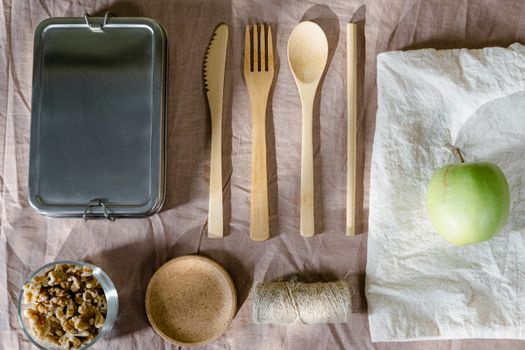
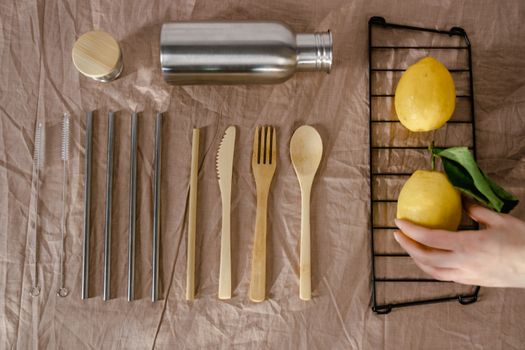
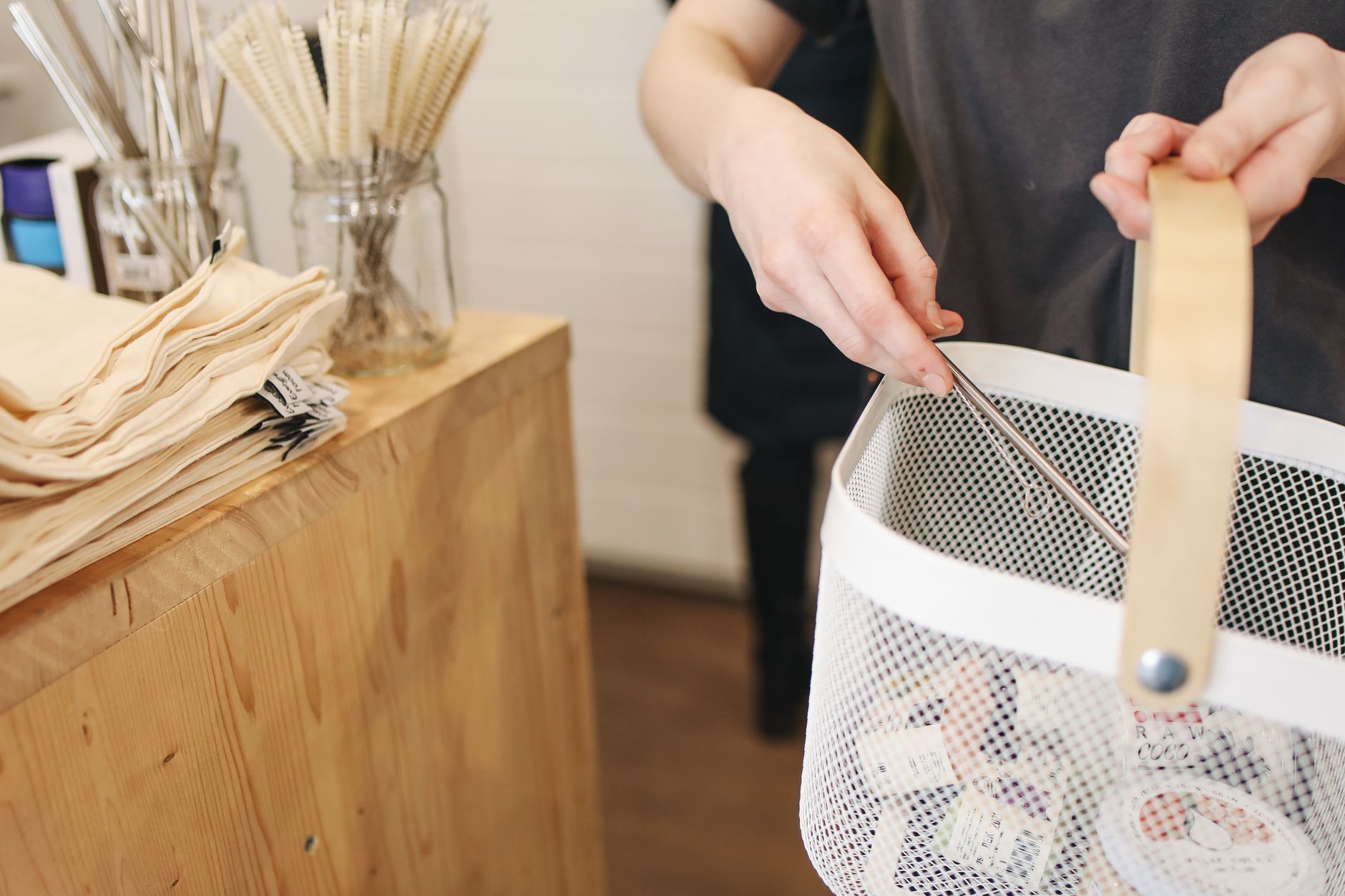
* Portable Cutlery Set: Forget flimsy plastic forks. I carry a compact bamboo or stainless steel cutlery set (fork, spoon, knife, chopsticks, straw, and cleaning brush) in a small fabric pouch (around $10-$20). I’ve used it everywhere from a bustling night market in Chiang Mai, where I simply handed it to the vendor for my pad Thai, to a picnic overlooking the Eiffel Tower.
* Collapsible Silicone Containers: This is a genius invention. Brands like Stojo (collapsible cups, $15-$25) and W&P Porter (collapsible bowls, $20-$30) are perfect for leftovers, grabbing a snack, or even asking a street food vendor to put your meal directly into it. I once got an incredible papaya salad in Vietnam without generating a single piece of plastic thanks to my trusty silicone bowl. They fold down flat, taking up minimal space in your bag.
* Reusable Coffee Cup/Tea Tumbler: Beyond the obvious environmental benefits, many coffee shops offer a discount if you bring your own. My Klean Kanteen Insulated Tumbler ($25-$35) keeps my coffee hot for hours and doubles as a water cup or even a small wine glass in a pinch.
Snack Smart, Not Plastic:
* Beeswax Wraps or Silicone Snack Bags: Ditch the cling film and Ziplocs. Beeswax wraps (around $15-$25 for a multi-pack) are fantastic for wrapping sandwiches, fruit, or cheese. For something more durable and washable, Stasher Bags (silicone reusable bags, $10-$20) are perfect for snacks, toiletries, or even organizing small items. I use them for nuts, dried fruit, and even a wet swimsuit.
---
3. Packing Power-Ups: Smart Storage & Sustainable Swaps
How you pack can significantly impact your plastic footprint, not just in the items you bring, but in the longevity and material choices of your packing gear itself.
Durable, Eco-Conscious Packing Cubes:
Cheap packing cubes often use flimsy plastic zippers and synthetic materials that won't last. Invest in high-quality packing cubes made from recycled materials or durable, natural fibers (like organic cotton, though less common for cubes). Brands like Patagonia or Osprey offer cubes made from recycled nylon (around $30-$50 for a set) that are built to last, preventing you from needing to replace them year after year. They're an investment in durability and sustainability.
Mesh Produce Bags (Beyond Groceries):
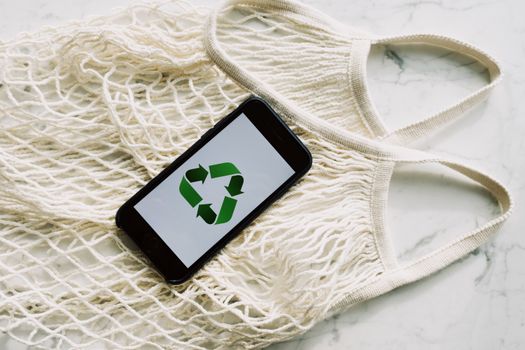
Yes, they're great for the supermarket, but their utility extends far beyond. I pack several organic cotton mesh produce bags (around $10-$15 for a set) in my luggage. They double as:
* Laundry bags: Keep dirty clothes separate and allow them to breathe.
* Delicates bags: Protect your underwear or swimwear in the wash.
* Beach bags: Perfect for collecting shells without filling them with sand, or carrying a damp towel.
* Souvenir holders: For those small, odd-shaped items you pick up along the way.
Laundry Soap Sheets:
This is one of those "why didn't I think of that?" innovations. Instead of lugging a plastic bottle of laundry detergent (or buying tiny, overpriced ones at your destination), pack laundry detergent sheets (like Tru Earth or Earth Breeze, around $15-$20 for 30-60 loads). They're ultra-light, dissolve completely, and come in compact, compostable packaging. Perfect for handwashing clothes in a hotel sink or using in a laundromat.
---
4. The Unseen Essentials: Clever & Convenient Swaps
Sometimes, it's the tiny, often overlooked items that contribute most to our plastic waste. These niche products are truly ahead of the curve.
Menstrual Cup or Reusable Pads:
For female travelers, this is a game-changer for reducing waste and simplifying packing. A menstrual cup (like DivaCup or Lena Cup, $25-$40) can last up to 10 years, eliminating thousands of disposable pads and tampons. It's safe for swimming, hiking, and long travel days. For those who prefer external options, reusable cloth pads (around $20-$40 for a set) are another excellent, zero-waste choice. I made the switch years ago, and it’s one of the best sustainable decisions I’ve ever made for travel. No more hunting for specific brands in foreign pharmacies or worrying about disposal.
Reusable Silicone Earplugs:
Those foam earplugs come in plastic packaging and get tossed after a few uses. Invest in a pair of reusable silicone earplugs (like Loop Earplugs or Hearos, $15-$30). They're more comfortable, effective, and last for years. Essential for noisy hostels, long flights, or just getting a good night's sleep in a bustling city.
Bamboo Cotton Swabs:
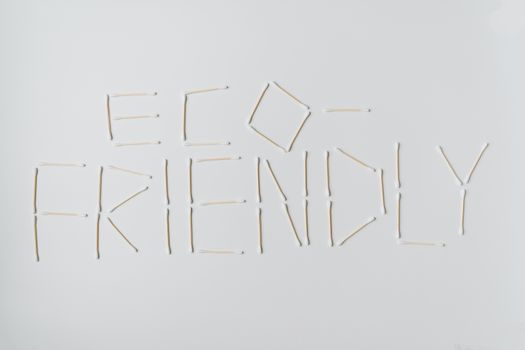
A small swap, but one that adds up. Instead of plastic-stemmed cotton swabs that often end up in our oceans, opt for bamboo-stemmed, biodegradable cotton swabs (around $5-$10 for a multi-pack). They perform just as well and can be composted after use.
Solid Sunscreen & Bug Repellent:
Many conventional sunscreens contain chemicals harmful to coral reefs, and both often come in plastic tubes. Look for solid, reef-safe sunscreen sticks (like Sunbutter Skincare or Raw Elements, $20-$30) and solid bug repellent bars (like Fat and the Moon or DIY recipes, $10-$20). They're easy to apply, mess-free, and come in metal tins or cardboard tubes. I love how compact they are and how they never leak in my bag!
---
5. The Ultimate Essential: A Plastic-Free Mindset
No amount of plastic-free gear will make a difference without a fundamental shift in how we approach travel. This is the most "ahead of the curve" essential of all – a conscious, proactive mindset.
Refuse, Reduce, Reuse, Recycle (in that order):
This mantra is your guiding light.
* Refuse: The most powerful tool. Politely say "no thank you" to plastic bags, straws, unnecessary packaging, and single-use samples. It feels awkward at first, but it gets easier. I've learned to pre-emptively say "no straw, please" when ordering a drink.
* Research: Before you go, look into your destination. Are there refill stations for water? Zero-waste shops? Eco-friendly accommodations? Supporting businesses that prioritize sustainability sends a clear message. When I was planning my trip to Lisbon, I found several great bulk stores and cafes that encouraged reusable cups, which made my trip so much easier.
* Support Local, Sustainable Economies: Buying from local artisans and markets often means less packaging and a smaller carbon footprint than imported goods. Plus, it enriches the community you're visiting.
* Educate (Gently) and Inspire: Share your journey! When someone asks about your cool water filter or toothpaste tablets, tell them why you love it. Post your plastic-free wins on social media. Your actions can inspire others to make changes too. Use hashtags like #PlasticFreeTravel #TripsoraEcoAdventures #ZeroWasteJourney.
* Embrace Imperfection: Let's be real: going 100% plastic-free is incredibly challenging, especially while traveling. Don't let the pursuit of perfection deter you from making significant progress. Every conscious choice, every refused plastic bag, every reusable item you bring, makes a difference. It's a journey, not a destination.
---
The world is changing, and so is the way we travel. The plastic problem isn't going away on its own, but with innovators creating incredible solutions and travelers like you embracing them, we can pave the way for a more sustainable future. These plastic-free essentials aren't just trendy gadgets; they're investments in our planet, our travel experiences, and our peace of mind.
So, are you ready to future-proof your travel kit? To pack lighter, tread lighter, and explore with a deeper sense of purpose? Start small, pick one or two items from this list, and watch how they transform your next adventure. The mainstream will catch up eventually, but you, my friend, will already be leading the way.
What's your favorite plastic-free travel essential that you swear by? Share your tips and tricks in the comments below – let's build a community of conscious adventurers!