The Great Awakening: From Plastic Piles to Purposeful Packing
It was a sweltering afternoon in a bustling market in Marrakech. The air vibrated with calls of vendors, the scent of spices, and the distant melody of a street musician. I was haggling for a beautiful, hand-woven rug, completely immersed in the vibrant chaos. As the transaction concluded, the vendor, with a flourish, produced a flimsy plastic bag, crinkling loudly as he stuffed the rug inside. My heart sank a little. Later that day, sipping mint tea from a disposable cup while watching the sunset over the Atlas Mountains, I saw it – a single plastic bottle, tumbling end over end, carried by the wind across an otherwise pristine landscape.
That moment, small as it seemed, was a wake-up call. I’d always considered myself an eco-conscious traveler, but the sheer volume of single-use plastic I encountered, and inadvertently contributed to, on my trips was staggering. From tiny hotel shampoo bottles to plastic-wrapped snacks, the convenience came at a monumental cost. I realized that my wanderlust, while enriching my soul, was leaving a trail of waste that was anything but beautiful.
That’s when I started my deep dive into zero-waste travel. Not just the obvious reusables, but the next-level essentials, the ingenious solutions that are still flying under the radar. This isn't about perfectly pristine, Instagram-filtered minimalism (though you'll look pretty good doing it!). It's about making genuine, impactful choices that reduce your footprint without sacrificing the joy of discovery. Welcome to the future of travel packing – before everyone else catches on.
1. Hydration Heroes & Caffeine Keepers: Beyond the Basic Bottle
We all know the reusable water bottle is non-negotiable. But are you truly maximizing its potential, and have you upgraded your coffee game? This is where the next generation of hydration and caffeine solutions comes in.
The Smart Bottle:
Forget just carrying water; carry purified water. I swear by my Grayl GeoPress Purifier Bottle. It’s not just a filter; it's a purifier. This means it removes viruses, bacteria, protozoa, and microplastics from virtually any freshwater source. I’ve used it to safely drink tap water in Mexico City, river water in the Himalayas, and even questionable hostel tap water in Eastern Europe. No more buying endless plastic bottles, no more worrying about getting sick. It’s an investment (around $90-$100), but it pays for itself in peace of mind and saved plastic in just a few trips. Plus, it looks sleek and rugged – very Instagram-worthy against a mountain backdrop.
The Collapsible Cup Revolution:
For coffee and tea lovers, the Stojo Collapsible Cup is a game-changer. Made from food-grade silicone, it squishes down into a tiny disk that fits in any pocket or small bag. I used to feel guilty asking for a "to-go" cup at cafes, but now I proudly present my Stojo. It's fantastic for impromptu coffee breaks in bustling European squares or grabbing a smoothie at a beachside shack in Thailand. They come in various sizes and fun colors (around $15-$20), making them both practical and stylish. Imagine sipping your morning coffee from your Stojo, watching the sunrise over Santorini – pure bliss, zero waste.
Personal Anecdote: On a recent trip through Vietnam, my Grayl bottle was my absolute savior. In Ho Chi Minh City, where bottled water is the norm, I simply refilled from the tap in my guesthouse. And on a trekking trip in Sapa, I confidently refilled from mountain streams, knowing I was drinking clean water. The Stojo, meanwhile, made me a hero at every coffee shop, saving countless plastic cups and usually earning me a small discount!
2. Bathroom Bliss: Solid Solutions for a Leak-Proof, Plastic-Free Pouch
The bathroom is often the biggest culprit for travel waste – miniature plastic bottles, disposable razors, plastic toothbrushes. But it doesn't have to be. The future of travel toiletries is solid, compact, and surprisingly luxurious.
Shampoo & Conditioner Bars (The OG Upgrade):
You might have seen these, but the quality and variety have exploded. Brands like Ethique and Lush offer bars for every hair type, lasting for months (equivalent to 2-3 plastic bottles!). They’re incredibly concentrated, lather beautifully, and smell divine. The best part? No liquid limits at airport security, and absolutely no leaks in your bag! I store mine in a metal tin or a breathable fabric bag. A good quality bar costs around $15-$20 but significantly outlasts conventional bottles.
Toothpaste Tablets & Powders:
Ditch the plastic tube entirely. Georganics and Bite Toothpaste Bits offer fluoride-free, natural toothpaste tablets or powders that come in glass jars or compostable pouches. Just chew a tablet or wet your brush and dip it in the powder, then brush as usual. They take up minimal space and are perfect for backpacking. Combine this with a bamboo toothbrush (compostable handle!) and a small jar of natural dental floss, and your dental hygiene is entirely plastic-free.
Solid Deodorant & Sunscreen:
Yes, these exist! Many brands now offer solid deodorant in cardboard tubes (like Native or Wild). For sunscreen, look for reef-safe, mineral-based solid sticks or tins (e.g., Sunbutter Skincare). These are fantastic for beach trips, easy to apply, and don't pose a threat to marine life.
Personal Anecdote: I once opened my backpack after a bumpy bus ride through Peru to find an explosion of liquid shampoo. My clothes, my books, everything was covered. Never again! Switching to solid bars was a revelation. Not only did my bag stay clean, but the bars themselves feel so much more luxurious and leave my hair feeling incredible. Plus, the bamboo toothbrush makes me feel like a true eco-warrior every morning.
3. Snack Smart & Dine Sustainably: Your Portable Pantry
Eating on the go, especially when exploring new street food scenes, can generate a ton of waste. Think plastic cutlery, Styrofoam containers, and single-use wrappers. But with a few clever items, you can feast like a local without the environmental guilt.
Collapsible Silicone Containers & Bags:
These are my absolute secret weapons. Stasher bags (reusable silicone storage bags) are perfect for snacks, sandwiches, or even packing toiletries. They’re freezer-safe, microwave-safe, and dishwasher-safe. For larger meals, a collapsible silicone container like those from Vapur or Pack-It is invaluable. I’ve used mine to get takeaway meals from local restaurants without needing their plastic containers, to store leftover fruit from a market in Rome, and even to pack a picnic for a hike in Patagonia. They collapse flat when empty, taking up virtually no space. A set of Stasher bags can cost around $20-$40, while a good collapsible container is about $15-$25.
The Ultimate Utensil Kit:
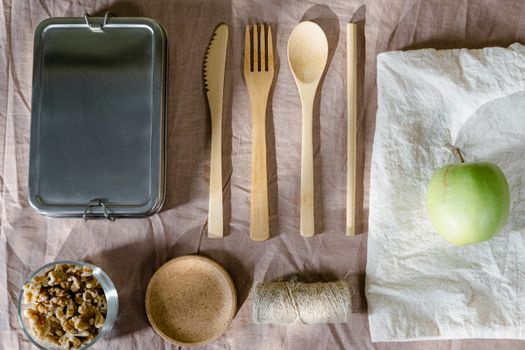
A lightweight, reusable utensil set is a must. Mine includes a bamboo fork, spoon, knife, and a pair of chopsticks, all tucked into a small cloth pouch. I also carry a metal straw for drinks. This kit lives in my daypack. No more fumbling for plastic cutlery or refusing a delicious street food dish because I don't want the plastic fork. I even carry a small cloth napkin – fancy, right? This small kit (typically $10-$20) has saved countless plastic forks from landfills.
Personal Anecdote: Wandering through the vibrant street food markets of Bangkok, the sheer amount of plastic waste was overwhelming. But with my Stasher bag, I could buy fresh mango sticky rice without the Styrofoam container. My bamboo cutlery set meant I could enjoy pad Thai from a street vendor without a plastic fork. It felt incredibly empowering to enjoy the local culture responsibly, and vendors were often impressed and sometimes even gave me a knowing nod or a small discount.
4. Laundry & Wardrobe: Sustainable Style on the Road
While not directly about plastic, mindful clothing choices and sustainable laundry practices are crucial for a truly zero-waste approach. It’s about consuming less, making your clothes last longer, and reducing water/energy usage.
Merino Wool Magic:
If there’s one fabric that embodies sustainable travel, it’s merino wool. It’s naturally odor-resistant, moisture-wicking, temperature-regulating, and incredibly soft. This means you can wear merino garments for days (even a week!) without them smelling or needing a wash. Less washing means less water, less detergent, and less wear and tear on your clothes. Brands like Icebreaker and Smartwool offer fantastic merino basics. Yes, it's an investment (a t-shirt can be $70-$100), but it drastically reduces your packing list and laundry needs, making it priceless for long-term travel.
Portable Laundry Solutions:
For those times you do need to wash clothes, ditch the harsh hotel detergents and single-use pods. Laundry detergent sheets (like Tru Earth or Earth Breeze) are revolutionary. They’re ultra-concentrated, plastic-free, biodegradable, and dissolve completely in hot or cold water. A small, lightweight pack can last for dozens of washes. For handwashing, consider a Scrubba Wash Bag – it’s a portable washing machine that allows you to wash clothes anywhere with minimal water and effort.
Personal Anecdote: Backpacking through Portugal, I packed just two merino t-shirts and a long-sleeve. I wore them constantly, rotating them, and only had to handwash them once a week. They dried incredibly fast on a clothesline in my hostel in Lisbon. The Tru Earth sheets were a revelation – so light, so effective, and no messy liquids. It felt liberating to have such a small, efficient wardrobe.
5. The Multi-Purpose Marvels & Everyday Essentials (Beyond the Obvious)
Sometimes, the simplest items are the most powerful in your zero-waste arsenal. These are the unsung heroes that prevent waste in unexpected ways.
Reusable Shopping Bags (The Stylish Kind):
Beyond the flimsy canvas bag, look for ChicoBag or Baggu bags. They’re super lightweight, fold into tiny pouches, and come in gorgeous designs. I always have one clipped to my daypack. This ensures I’m never caught without a bag, whether I’m buying souvenirs at a local market in Florence or groceries for a picnic in a park in Berlin. They're also surprisingly strong and durable.
Menstrual Cup/Reusable Pads:
For female travelers, a menstrual cup (like DivaCup or Lunette) is an absolute game-changer. It replaces hundreds of disposable pads and tampons, saving space, money, and tons of waste. Once you get the hang of it, it’s incredibly comfortable and can be worn for up to 12 hours. For those who prefer external options, reusable cloth pads are also a fantastic, eco-friendly alternative. This is one of those "why didn't I switch sooner?" items.
The Humble Hanky & Reusable Wipes:
Remember handkerchiefs? They’re making a comeback! A few soft cotton or linen hankies can replace countless disposable tissues. For spills, quick clean-ups, or even a makeshift towel, a small pack of reusable bamboo wipes is incredibly versatile.
Personal Anecdote: I was exploring the labyrinthine souks of Fez, Morocco, when I spotted the perfect ceramic tagine. Without my ChicoBag, I would have been given a plastic monstrosity that would have ripped within minutes. Instead, I proudly pulled out my stylish reusable bag, much to the vendor's surprise and delight. And my menstrual cup has saved me so much hassle and worry, especially when traveling in remote areas where finding sanitary products can be a challenge.
6. The Digital & Document Detox: Tech with a Conscience
In an increasingly digital world, reducing paper waste is another critical step towards zero-waste travel.
Go Paperless:
This might seem obvious, but commit to it. Boarding passes, hotel reservations, maps, guidebooks – all can live on your phone or tablet. Download offline maps (Google Maps, Maps.me) and e-books. A good e-reader (like a Kindle Paperwhite) is a sustainable alternative to physical books, saving paper and reducing luggage weight.
Portable Solar Charger:
For the truly off-grid adventurer, a compact portable solar charger (e.g., Goal Zero Nomad 7 Plus) can power your phone, camera, or headlamp using the sun's energy. This reduces reliance on conventional power sources and is perfect for hiking, camping, or just chilling on a beach without a power outlet.
Personal Anecdote: I used to print everything, meticulously organizing binders of confirmations. Now, my entire itinerary fits on my phone. On a trek through the Dolomites, my solar charger kept my phone alive for navigation and photos, feeling incredibly self-sufficient and connected to nature. It's a small change with a big impact on resource consumption.
7. The Zero-Waste Mindset: Your Ultimate Compass
Beyond the physical items, the most crucial zero-waste essential is a shift in mindset. It’s about conscious choices, planning, and a willingness to adapt.
Research Your Destination:
Before you go, research local customs regarding waste, recycling facilities (or lack thereof), and availability of bulk stores or water refill stations. Apps like RefillMyBottle are invaluable. Knowing what to expect helps you prepare and avoid situations where single-use plastic is unavoidable.
Pack Light, Pack Smart:
Every item you bring has a lifecycle and an impact. Ask yourself: "Do I truly need this?" "Can this item serve multiple purposes?" A minimalist packing strategy naturally aligns with zero-waste principles. Less stuff means less to wash, less to replace, and a smaller carbon footprint from transport.
Refuse, Reduce, Reuse, Recycle (and Rot):
This mantra isn't just for home; it's for the road.
* Refuse: Say no to plastic bags, straws, unnecessary packaging, and freebies you don't need. A polite "No, thank you, I have my own" goes a long way.
* Reduce: Buy less, consume less, be mindful of what you purchase (especially souvenirs).
* Reuse: Maximize the use of your reusable items.
* Recycle: If you must use something disposable, ensure it can be properly recycled in your location.
* Rot (Compost): If you're on a longer stay, explore composting options for organic waste.
Support Local & Sustainable Businesses:
Choose eco-friendly accommodations, eat at restaurants that source locally and minimize waste, and buy souvenirs directly from artisans. Your travel dollars can make a huge difference.
Personal Anecdote: My first few zero-waste trips were a learning curve. I forgot my reusable bag, bought an accidental plastic water bottle, or struggled to communicate my needs in a foreign language. But with each trip, it got easier. Now, it's second nature. The freedom of a lightweight bag, the satisfaction of making conscious choices, and the genuine connections I make with locals who appreciate my efforts – these are the true rewards. It’s not about perfection, but about progress.
Your Journey to Impactful Travel Starts Now!
The world is changing, and so is the way we explore it. Zero-waste travel isn't a niche trend; it's the responsible, fulfilling, and frankly, smarter way to see the planet. By embracing these cutting-edge essentials and adopting a conscious mindset, you're not just reducing your personal footprint; you're becoming a pioneer, inspiring others, and showing the industry that there's a better way.
Imagine the stories you'll tell – not just of breathtaking landscapes, but of the ingenious ways you protected them. Imagine the money you'll save, the space in your bag you'll gain, and the profound satisfaction of knowing your adventures are part of the solution, not the problem.
So, what are you waiting for? Dive into the world of zero-waste travel packing. Start with one item, one habit, and watch how it transforms your entire travel experience. The future of sustainable exploration is here, and it's calling your name.
What are your favorite zero-waste travel hacks? Share your tips in the comments below, and let's inspire a global movement of conscious travelers!
---