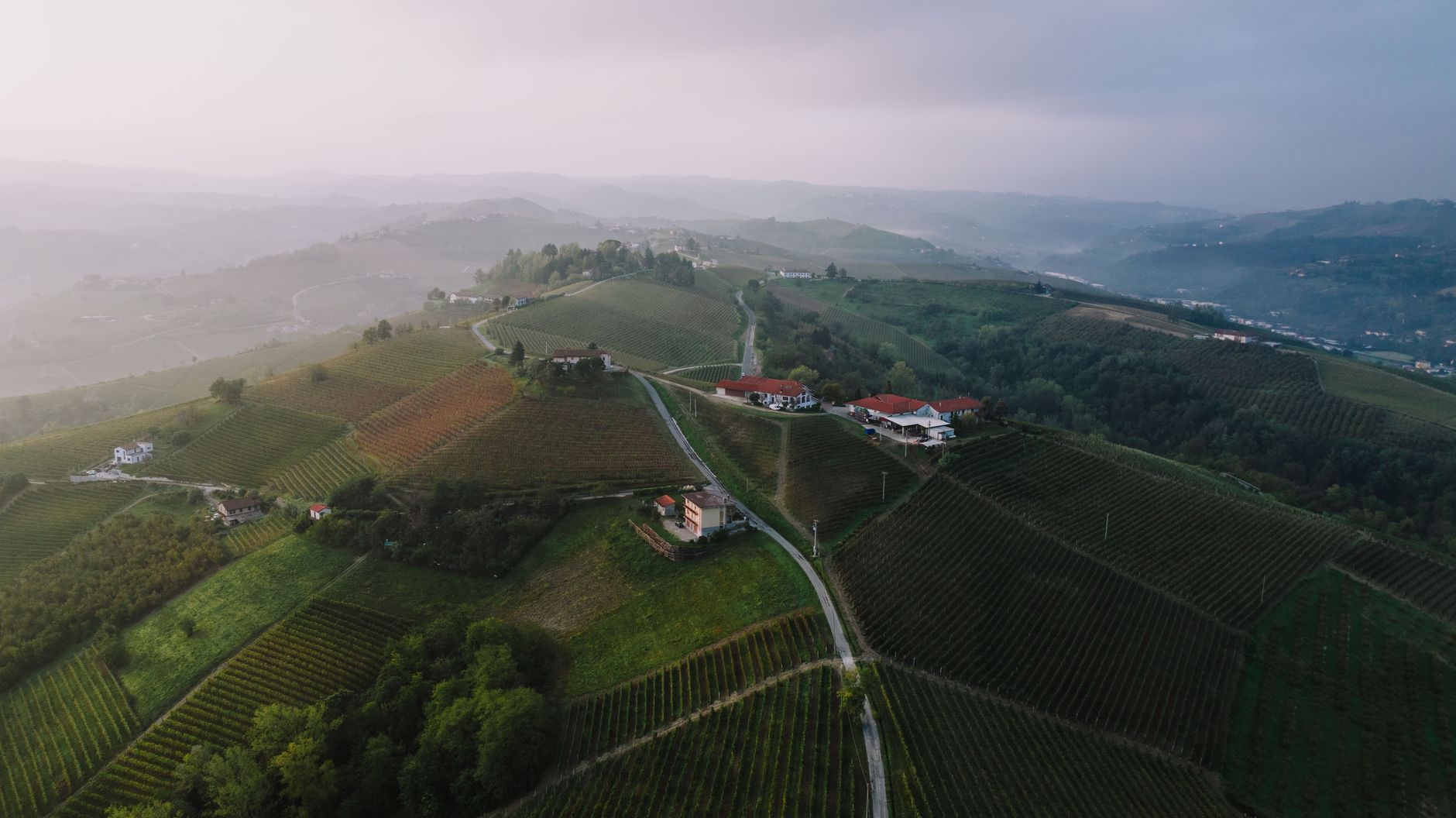
Wine travel often focuses on a handful of famous regions, but many lesser-known areas produce distinctive wines and offer rewarding visits. Smaller regions may have indigenous grape varieties, family-run estates and landscapes that are less crowded than the most visited vineyards. They may also be harder to research, since information is less widely available. This guide describes how to find less-discussed wine regions, what to look for during a visit and how to enjoy them responsibly.
Why look beyond the best-known regions
Famous wine regions attract large numbers of visitors, and prices and booking demand can be high. Less-discussed regions can offer more personal visits, smaller producers and a closer connection to local food culture. Some regions have a long history of winemaking that has received less international attention, while others are newer and experimenting with different styles. Visiting them can deepen your understanding of how climate, geography and tradition shape wine.
Finding regions with character
Start with regional wine authorities, national tourism websites and wine trade publications, which often describe emerging areas and their grape varieties. Look for regions with protected designations of origin, as these typically set rules on grapes and production methods. Local producers' associations and wine routes can also point to visitable estates. Compare the grapes grown, the altitude and soils, and whether visitors can arrange tastings directly with producers.
Examples of less-discussed regions
Several regions across Europe and beyond fit this description. The Jura in eastern France is known for distinctive styles, including wines made with oxidative techniques and local grapes such as Savagnin. Savoie, in the French Alps, produces crisp wines from mountain grape varieties. Friuli in north-eastern Italy has a strong tradition of white wines and a landscape of hills and small villages. Slovenia's Brda area and Georgia's Kakheti region are also known for historic winemaking practices. In the Southern Hemisphere, regions such as Uruguay's Canelones area and South Africa's Swartland are attracting attention for varied styles. Regions and reputations change, so check current information before planning.
What to expect on a visit
Visits to smaller estates can be more informal than those at famous châteaux. Some producers welcome visitors by appointment only, and opening hours may be limited to certain days or seasons. Tastings can include several wines, and some estates offer food pairings or walks through the vineyards. Ask in advance about tasting fees, minimum group sizes and whether children or drivers can attend. Many smaller estates appreciate clear communication and a little local language.
Tasting responsibly and getting around
Plan transport carefully. Many lesser-known regions are rural and may have limited public transport, so consider a driver, a tour operator or a local taxi service. If you drive, do not drink and drive, and remember that legal limits vary by country. Spit or share tastings if you need to remain clear-headed, and drink water between samples. Pace yourself across a day, and eat during tastings.
Buying and bringing wine home
Buying wine directly from producers supports small estates, but check import limits and customs rules for alcohol before you travel, both in your destination and at home. Pack bottles carefully in checked luggage, wrap them well and keep receipts. Consider shipping options from producers where available, and confirm that these comply with local regulations.
Practical tips
- Research regional authorities and producer associations for current information about visitable estates.
- Book visits in advance, as many small producers work by appointment.
- Plan transport and a designated driver or alternative before you start tasting.
- Ask about tasting fees, opening days and whether food is included.
- Check customs allowances and packing rules before buying wine to take home.
Common mistakes to avoid
A frequent error is planning too many visits in one day, which leaves little time for travel between small estates and can encourage hurried tasting. Another is expecting a standard wine-tasting format at every estate, when some producers offer informal tastings from the barrel or the cellar and others follow a set routine. Travelers also sometimes expect a polished visitor centre and feel disappointed by a simple farmhouse or cellar, even though that informality is often part of the appeal. Some people judge a whole region by a single bottle, rather than trying several producers and styles. Others overlook seasonal rhythms, such as harvest work, which can limit tasting times or make a visit impractical. Keeping the schedule flexible, and asking which days producers prefer, makes visits more relaxed and more informative.
Who this suits and who it doesn't
Lesser-known wine regions often suit travelers who enjoy exploring small producers, are curious about unfamiliar grape varieties and value a quieter pace. They can appeal to people who like walking through landscapes and who are comfortable in informal settings where conversation with the maker is part of the visit. They may be less suitable for travelers who want a dense programme of famous estates, polished facilities and easy public transport, since many rural areas have limited options. Those who need predictable opening hours may find smaller producers harder to plan around. People who do not drink alcohol may still enjoy the landscapes and food, but should consider whether tastings are the main reason for the trip before choosing a destination.
Frequently asked questions
Are these regions suitable for people who are new to wine?
Often yes. Many producers are happy to explain their methods and styles, and a guided tasting can help newcomers understand what they enjoy and why.
Do I need to speak the local language?
It is not essential everywhere, but a few basic phrases and a translation tool can make conversations with producers more comfortable and informative.
How do I choose between regions?
Compare grape varieties, scenery, transport options and the availability of visits, then consider the season and how much time you have available for the trip.
Lesser-known wine regions can reward curious travelers with distinctive wines, small producers and beautiful countryside. The best visits come from careful research, respectful booking and a relaxed approach to tasting. With a little planning, exploring regions beyond the most famous names can add a rich and personal dimension to any wine journey.