The Secret Uncorked: Wine Regions No One Talks About Yet Experts Are Recommending
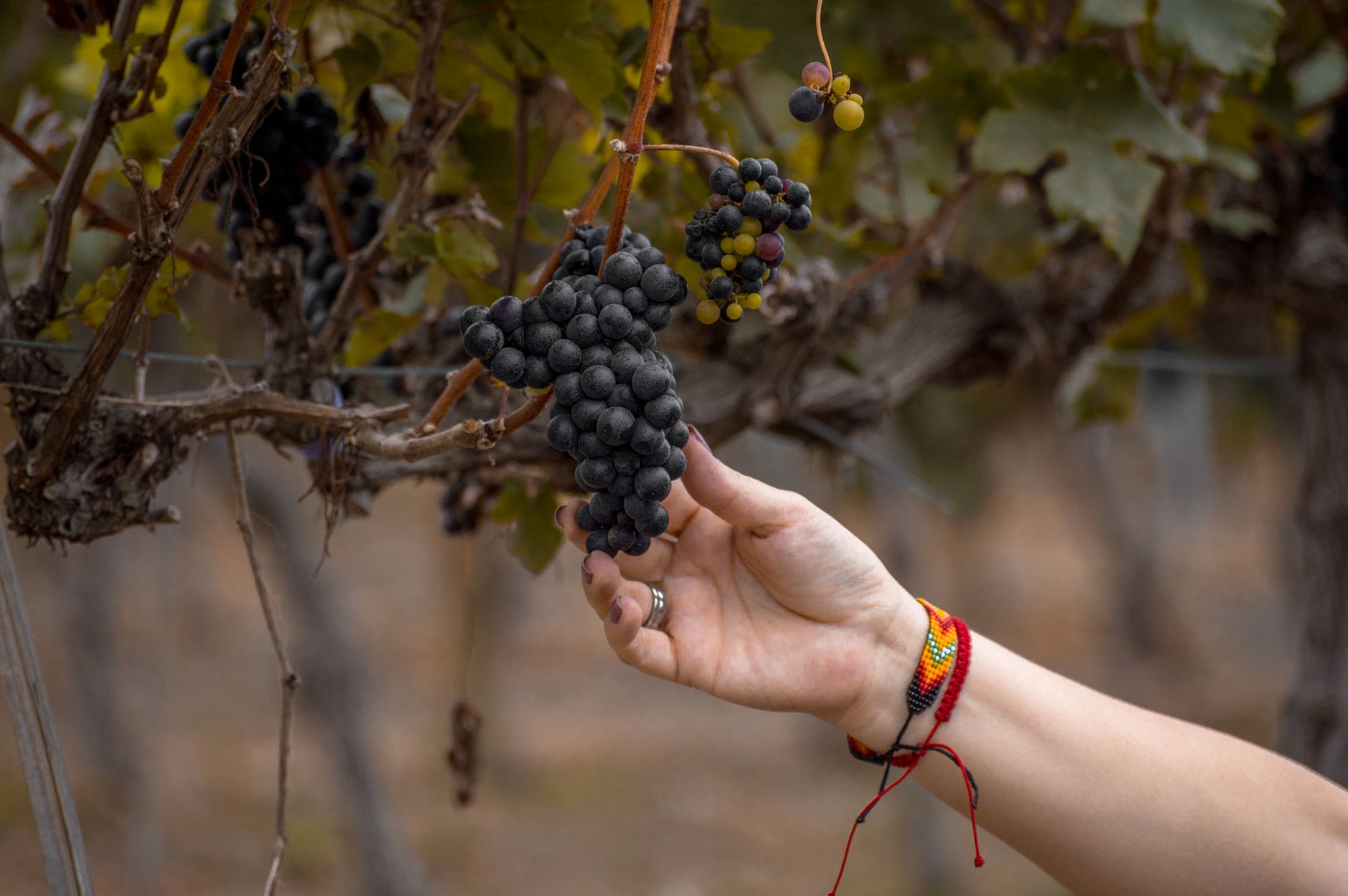
I stepped off the train in the late afternoon sun, the air thick with the scent of pine needles and something subtly sweet, like fermenting fruit. A gentle breeze rustled through the leaves of vines that stretched as far as the eye could see, their grapes glistening like tiny jewels. The only sounds were the distant chirping of cicadas and the faint clinking of glasses from a small, stone-built cantina nearby. This wasn't the manicured perfection of the world's most famous wine routes; this was raw, authentic, and utterly captivating. This was the start of an adventure into wine regions that are, frankly, too good to stay secret for long.
For years, we’ve been conditioned to flock to the same hallowed grounds – Tuscany’s rolling hills, the Champagne region’s storied estates, the sun-baked vineyards of California. And while they are undeniably magnificent, the true thrill of discovery, the thrill that seasoned travelers and wine experts crave, lies in the uncharted. It’s in the unexpected valleys, the overlooked terroirs, the passionate winemakers crafting liquid poetry away from the spotlight.
As a travel journalist who lives and breathes the pursuit of the extraordinary, and as someone who constantly polls the sommeliers, the critics, and the vineyard owners themselves, I’ve compiled a list of wine regions that are making waves in the know. These are places where the wines are exceptional, the landscapes are breathtaking, and the experiences are profoundly authentic. Get ready to update your wine bucket list.
1. The Uncharted Terroir of Slovenia's Vipava Valley
A Symphony of Wind and Wine
Imagine a place where the wind is a character in itself, shaping the land and influencing the very soul of the wine. That’s the Vipava Valley in Slovenia. Nestled between the Italian border and the Julian Alps, this region is a revelation. It’s characterized by a unique microclimate, with warm Mediterranean breezes meeting cool alpine air, creating an incredibly diverse range of grape varietals and styles.
What truly sets Vipava apart are its indigenous grapes, like the Zelen, a white varietal that produces crisp, aromatic wines with notes of green apple and honey, and the Pinela, offering delicate floral aromas and a refreshing minerality. But it’s not just about native grapes; the valley also excels with international varietals, producing vibrant Merlots and elegant Chardonnays.
The winemaking here is deeply rooted in tradition, with a strong emphasis on natural and biodynamic practices. Many winemakers are young, dynamic, and eager to share their passion, often welcoming visitors for intimate tastings directly at their small, family-run wineries. You’ll find architecture that speaks of centuries past – stone farmhouses, ancient cellars, and charming villages seemingly untouched by time.
Pro-Tip:
Seek out Movia, one of Slovenia’s most celebrated wineries, known for its long maceration whites and gravity-fed cellars. Even if you can’t get a formal tasting, a drive past their vineyards is a must.
Quick Facts: Vipava Valley, Slovenia
| Category | Details |
| :-------------- | :------------------------------------------- |
| Estimated Cost | $ - $$ (Wineries are often affordable, but accommodation can vary) |
| Best Time to Visit | Late Spring (May-June) for blooming vineyards, Early Autumn (September-October) for harvest and vibrant foliage. |
| How to Get There | Fly into Ljubljana (LJU) or Trieste (TRS, Italy). Rent a car for the most flexibility (approx. 1-hour drive from Trieste, 1.5 hours from Ljubljana). |
2. Portugal's Douro Valley: Beyond Port
The Douro's Dry Revolution
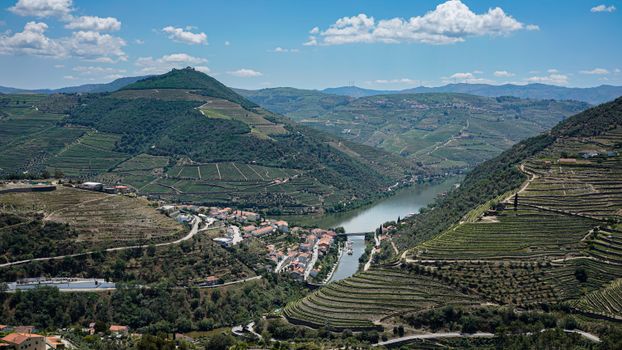
When you hear "Douro Valley," you likely think of Port wine. And while Port is indeed the region's crown jewel, a quiet revolution has been brewing, with winemakers increasingly focusing on exceptional dry red and white wines. The steep, terraced vineyards, a UNESCO World Heritage site, are now producing wines that rival the world's best, offering complexity, structure, and a unique expression of the terroir.
The Touriga Nacional, the king of Portuguese red grapes, shines here, producing wines with intense dark fruit, floral notes, and firm tannins. But don't overlook the crisp, mineral-driven Vinho Verde from the cooler coastal regions (though technically a separate demarcated region, it’s often explored alongside the Douro’s dry wines for a broader Portuguese experience) or the increasingly sophisticated dry whites made from indigenous varietals like Viosinho and Rabigato.
The landscape itself is a spectacle. The dramatic schist terraces, carved by hand over centuries, cascade down to the Douro River. Taking a boat trip along the river offers a breathtaking perspective, with quintas (wine estates) perched precariously on the slopes. Many of these estates are now offering sophisticated wine tourism experiences, from vineyard tours and tastings to gourmet dining and even overnight stays in beautifully restored manor houses.
Pro-Tip:
Visit a smaller, family-run quinta that’s focusing on dry reds. Ask for tastings of their Reserva or Single Vineyard bottlings to truly taste the difference. Quinta do Crasto and Quinta da Pacheca are excellent starting points.
Quick Facts: Douro Valley, Portugal (Dry Wines)
| Category | Details |
| :-------------- | :------------------------------------------- |
| Estimated Cost | $$ - $$$ (Accommodations and high-end tastings can be pricey, but value is excellent) |
| Best Time to Visit | Late Spring (May-June) for lush green vineyards, Harvest Season (September-October) for the buzz of activity. |
| How to Get There | Fly into Porto (OPO). Drive (approx. 1.5-2 hours) or take a scenic train journey along the Douro River to Pinhão. |
3. The Ancient Wines of Georgia: Cradle of Viticulture
Where Wine Began
Georgia is not just a wine region; it’s arguably the wine region. With an unbroken winemaking tradition stretching back 8,000 years, Georgia is recognized as the cradle of viticulture. This is where wine was first made, and the country’s unique winemaking methods, particularly the use of qvevri (large clay vessels buried underground), are a UNESCO Intangible Cultural Heritage.
The wines produced using qvevri are unlike anything you’ve tasted. The amber wines (often called orange wines), made from white grapes fermented on their skins, are complex, tannic, and deeply aromatic, with notes of dried fruit, herbs, and even a hint of oxidative nutty character. The red wines, often made from indigenous grapes like Saperavi, are bold, deeply colored, and full of dark fruit.
Beyond the qvevri, Georgia boasts an incredible diversity of indigenous grape varietals – over 500 have been identified! Explore unique grapes like Rkatsiteli, Mtsvane, and Otskhanuri Sapere. The landscapes are as diverse as the wines, from the rolling hills of Kakheti, the country's primary wine region, to the dramatic Caucasus Mountains.
Pro-Tip:
Visit a family in Kakheti for a traditional Georgian supra (feast) and qvevri wine tasting. It’s an immersive experience that’s truly unforgettable. Look for wineries like Pheasant's Tears or Orgo for excellent examples of traditional winemaking.
Quick Facts: Kakheti Region, Georgia
| Category | Details |
| :-------------- | :------------------------------------------- |
| Estimated Cost | $ - $$ (Very affordable for wine and food, accommodation is reasonable) |
| Best Time to Visit | Late Summer (August-September) for harvest (Rtveli), Early Autumn (September-October) for pleasant weather. |
| How to Get There | Fly into Tbilisi (TBS). Drive or take a marshrutka (minibus) to Sighnaghi or Telavi in Kakheti (approx. 2-hour drive). |
4. Tasmania, Australia: Cool Climate, Bold Flavors
The Southernmost Frontier of Fine Wine
When most people think of Australian wine, they picture sun-drenched Shiraz from the Barossa or crisp Sauvignon Blanc from Marlborough (New Zealand, but often lumped in with Australian wine thoughts!). But venture south, way south, to the island state of Tasmania, and you’ll discover a cool-climate wine paradise that’s quietly producing some of the country’s most elegant and sophisticated wines.
Tasmania’s unique maritime climate, influenced by the Southern Ocean, is perfect for producing delicate and complex Pinot Noir and world-class Chardonnay. The wines here are characterized by bright acidity, fine tannins, and a purity of fruit that speaks of their cool origins. And then there’s the sparkling wine. Tasmanian producers are making some of the most exciting traditional method sparkling wines outside of Champagne, often with incredible finesse and longevity.
The landscape is stunningly beautiful, with rolling green hills, dramatic coastlines, and a pristine environment. The wine regions, primarily concentrated in the east and north of the island, are relatively small and intimate, making for a relaxed and personal tasting experience. Many wineries are nestled amidst picturesque countryside, offering stunning views alongside their exceptional wines.
Pro-Tip:
Don't miss a tasting of Tasmanian sparkling wine. Producers like House of Arras and Josef Chromy are consistently producing wines that rival international benchmarks.
Quick Facts: Tasmania, Australia
| Category | Details |
| :-------------- | :------------------------------------------- |
| Estimated Cost | $$ - $$$ (Tasmania can be pricier for travel and accommodation, but wine offers great value) |
| Best Time to Visit | Late Spring (November-December) for vineyard blooms, Summer (January-February) for harvest and warm days. |
| How to Get There | Fly into Hobart (HBA) or Launceston (LST). Rent a car for exploration. Ferries from mainland Australia are also an option. |
5. The Unsung Heroes of Austria: Styria's White Gems
Beyond Grüner Veltliner
Austria is rightly celebrated for its Grüner Veltliner and the rich reds of Burgenland. But venture southeast to Styria (Steiermark), and you’ll find a wine region that’s a haven for exquisite white wines with a distinct personality. This is a land of rolling hills, charming farmhouses, and a deep connection to the land, producing wines that are often described as aromatic, mineral-driven, and incredibly food-friendly.
Styria is divided into three sub-regions, each with its own character: Südsteiermark (South Styria), Vulkanland Steiermark (Volcanic Land Styria), and Weststeiermark (West Styria). Südsteiermark, with its steep shell-limestone slopes, is renowned for its complex Sauvignon Blanc and Welschriesling. Vulkanland Steiermark, with its volcanic soils, produces wines with a unique minerality, often featuring Schönberger and Morillon (Chardonnay). Weststeiermark is famous for its Schilcher, a dry rosé made from the indigenous Blauer Wildbacher grape, known for its vibrant pink color and tart berry notes.
The Buschenschank culture is a highlight here. These are traditional Styrian taverns where winemakers serve their own wine and local cold snacks (jause). It’s a rustic, authentic, and incredibly enjoyable way to experience the local wines and cuisine. The architecture is charmingly understated, with vineyards often extending right up to the quaint villages.
Pro-Tip:
Experience a true Buschenschank. Look for signs with a green fir branch, indicating it’s open. Enjoy a glass of Schilcher with a traditional Styrian Brettljause (a platter of cured meats, cheeses, and spreads).
Quick Facts: Styria, Austria
| Category | Details |
| :-------------- | :------------------------------------------- |
| Estimated Cost | $ - $$ (Buschenschanken are very affordable; hotels vary) |
| Best Time to Visit | Late Spring (May-June) for lush scenery, Early Autumn (September-October) for harvest and vibrant foliage. |
| How to Get There | Fly into Graz (GRZ). Rent a car for exploring the various sub-regions. |
The Thrill of the Uncharted
These regions are more than just places to taste wine; they are invitations to explore, to connect, and to discover. They offer a chance to step away from the well-trodden path and immerse yourself in the authentic heart of winemaking. The passion of the winemakers, the beauty of the landscapes, and the sheer deliciousness of the wines are a potent combination that will leave you with memories (and a cellar) to cherish.
So, the next time you’re dreaming of a wine getaway, consider looking beyond the usual suspects. The world of wine is vast and full of incredible secrets waiting to be uncorked. And trust me, these experts-recommended, yet largely undiscovered, regions are the perfect place to start your next great wine adventure.
---