Ice baths and cold water immersion have become part of many wellness and outdoor itineraries, from purpose-built facilities to lakes, rivers and sea coves. Supporters describe the sensation as bracing and refreshing, and some people use cold immersion as part of a regular exercise or recovery routine. Cold water is also dangerous. A sudden drop in body temperature, rapid breathing and changes in heart rate can cause serious problems, particularly for people with certain medical conditions. This guide explains what an ice bath experience typically involves, who should speak to a doctor first and how to choose a responsible operator or location.
What the experience involves
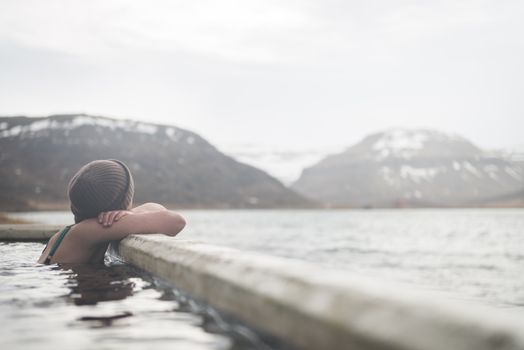
Ice bath experiences vary in format. Some take place in a tub filled with ice and water at a controlled temperature, supervised by staff who explain the process and monitor participants. Others happen in natural settings, such as a lake, river or sea, where conditions change with the weather and tide. A typical session may include a short briefing, a warm-up, a timed immersion and a warm-down period with dry clothing and a warm drink. Duration and temperature guidance differ, and reputable providers usually keep sessions short and prioritise gradual exposure.
Who should take care
Cold water immersion is not suitable for everyone. People with heart conditions, high blood pressure, circulatory problems, respiratory conditions, or a history of fainting should speak to a doctor before trying it. Pregnancy, recent surgery and certain medications may also be relevant. Anyone who is new to cold exposure should start cautiously and never immerse alone. Alcohol and some drugs can impair judgement and increase the risk, so avoid combining them with cold water activities. If you have any doubt about your health, get medical advice first.
Judging an operator or location
If you choose a guided experience, look for clear information about the staff's training, first aid qualifications and emergency procedures. Ask how many people are supervised at a time, how water temperature is measured and what the plan is if someone becomes unwell. Check that the facility or site has a clear entry and exit route, warm changing areas and access to emergency services. For natural locations, check for hazards such as strong currents, submerged objects, sudden drops in depth, boat traffic and changing weather. Local guidance on water safety is useful, and the site should be appropriate for the activity.
Safety steps before and during
Eat a light meal and stay hydrated before the session, but avoid a heavy meal or alcohol. Warm up gently, and enter the water slowly rather than diving in. Breathe steadily, and do not hold your breath. Keep sessions short, especially at first, and leave the water if you feel dizzy, confused, numb in a way that concerns you, or unusually short of breath. Use a buddy system and keep a clear view of your companions. Dry off quickly and put on warm clothing, as the body can continue to cool after leaving the water.
Recognising warning signs
Cold shock, the initial gasp and rapid breathing when entering cold water, is the most dangerous period for many people. Later, numbness, shivering that becomes uncontrollable, slurred speech, confusion or clumsiness can indicate that body temperature is falling too far. These signs require immediate action. Get out of the water if it is safe to do so, dry the person, warm the core gently and seek emergency medical help. Do not rub the limbs vigorously or give alcohol. Know how to contact local emergency services before you start.
Expectations and respect for the environment
Many people find cold immersion challenging but rewarding, though the experience should never feel like a contest. Respect the environment by avoiding litter, not disturbing wildlife and following any local rules about access. Some natural sites have seasonal restrictions or require permits. Plan to arrive with enough time to change and warm up without rushing.
Practical tips
Speak to a doctor first if you have any health condition. Choose a provider with clear safety procedures and trained staff. Never immerse alone. Enter the water slowly and keep sessions short. Bring warm, dry clothing, a towel and a flask. Learn the warning signs and know how to reach emergency services.
Common mistakes to avoid
A common error is following a challenge seen on social media, where people push for longer durations or colder temperatures than is sensible for a first attempt. Progress slowly, and treat any session as an experiment rather than a test of endurance. Another mistake is skipping the warm-up, or assuming that a thick wetsuit or a hot tub nearby makes the water safe. Neither removes the risk of cold shock. Some people also ignore changing weather, such as wind, rain or a sudden drop in air temperature, which can change conditions quickly at natural sites. Going to unfamiliar water without local knowledge is another common problem, since currents and depths are not always obvious from the shore. Finally, treating numbness or shaking as a sign of toughness is a mistake. These sensations can be early warnings, so take them seriously and get out.
Who this suits and who it doesn't
Cold water immersion tends to suit people who enjoy structured, calm routines and who see the practice as one part of a wider approach to recovery or outdoor life. Those who prefer gentle progression, supervised sessions and clear safety information are usually better matched to a reputable program. It may be less suitable for people looking for an extreme physical challenge or a competitive stunt, as these mindsets increase the temptation to stay in too long. Anyone who feels pressured by a group, a coach or an online community to continue beyond comfort should step back. Those who are unsure about their health, or who are new to cold exposure, should begin only after medical advice and in a supervised setting.
Quick questions
Is cold water immersion safe for everyone?
No. Several health conditions and situations call for medical advice before trying it, and the risks are real even for healthy adults.
How long should a first session be?
Keep it short and follow the provider's guidance. Many people who are new to cold exposure find that a brief session is enough to learn how their body responds.
Is it sensible to try this alone at home?
Experts generally advise against it, particularly without supervision. A supervised setting with trained staff and clear emergency procedures is a safer starting point.
Ice bath experiences can be memorable, but they call for respect, preparation and honest self-assessment. A reputable operator, appropriate health checks and a conservative approach to time and temperature make the difference between a bracing experience and a dangerous one. When in doubt, choose a gentler option and leave the water early.